

 Anteprima in scala reale
 Condividi
 Condividi
 Dettagli

 Scarica
 Articoli simili
 Radiografia
 Slideshow
 Statistiche
Epigrafi e Statue


 Leggi tutto
Acquista un'immagine digitale ad alta risoluzione e ottimizzata, di qualità nettamente superiore all'anteprima online.
Ogni file è meticolosamente preparato dai nostri specialisti interni attraverso l'uso di strumenti avanzati e un sapiente ritocco manuale. Garantiamo che ogni immagine presenti una chiarezza eccezionale, una precisione cromatica impeccabile e dettagli raffinati.
Il file finale viene consegnato via e-mail entro 72 ore, ottimizzato per un uso immediato in contesti professionali, editoriali e di stampa. Si tratta della stessa qualità affidata ai più prestigiosi studi di design, editori e gallerie d'arte.
Immagine Digitale
Scarica un file ad alta risoluzione per uso personale, per la stampa e per progetti creativi. ( Passa alle stampe Ordina la riproduzione dipinta a mano)
Incluso in ogni acquisto di immagini digitali
Consegna digitale professionale e garantita
Quando scegli OriginalUniqueArt.com, non riceverai solo un'immagine: riceverai un'opera d'arte digitale professionalmente ottimizzata, realizzata con la massima precisione e accompagnata da una garanzia di soddisfazione. Ecco tutto ciò che include il tuo ordine, automaticamente:

Consegna rapida via email
Riceverai il file dell'immagine digitale ad alta risoluzione via email entro 72 ore dall'ordine, pronto per un uso immediato.

File digitale potenziato dall'IA
La tua opera d'arte viene ottimizzata professionalmente attraverso l'uso di strumenti avanzati di intelligenza artificiale e una revisione manuale, garantendo il massimo livello di dettaglio, nitidezza e accuratezza cromatica.

Riconsegna gratuita a vita
Hai eliminato o perso accidentalmente il tuo file? Non preoccuparti: te lo invieremo di nuovo in qualsiasi momento, gratuitamente.

Nessun costo di importazione, mai
Goditi la tua opera d'arte istantaneamente senza costi doganali, dazi o spese di spedizione: i download digitali sono sempre esenti da tasse.

Garanzia di fedeltà cromatica
Garantiamo che la tua immagine digitale rifletta i colori originali con la massima fedeltà, grazie all'uso di strumenti professionali e a una gestione accurata del colore.

Garanzia soddisfatti o rimborsati 100 giorni
Se non sei soddisfatto della tua immagine digitale, la revisioneremo o ti rimborseremo il 100% entro 100 giorni, senza domande.

Garanzia di rimborso al 100%
Non sei soddisfatto? Ricevi un rimborso completo entro 100 giorni dal ricevimento del tuo file digitale, senza dover fornire spiegazioni.

Sconti per ordini multipli
Acquista 3 immagini, risparmia il 10% - Acquista 5, risparmia il 15% - Acquista 10+, risparmia il 20%. Ideale per progetti creativi, gallerie e agenzie.
Echoes of Antiquity: A Study in Renaissance Form
To gaze upon this preparatory drawing by Jacopo Bellini is to step directly into the vibrant, intellectual crucible of the early Italian Renaissance. It is not merely an image; it is a blueprint of genius—a tangible record of an artist wrestling with the monumental weight and exquisite potential of classical antiquity. Rendered in the delicate interplay of charcoal and ink upon aged paper, the composition presents three distinct sculptural visions: two majestic equestrian figures poised atop grand pedestals, alongside a solitary, standing form. The very air around these sketches seems charged with the ambition of creation, capturing Bellini’s profound dedication to mastering both the human figure and the architectural setting that frames it.
The Mastery of Line and Shadow
Technically, this piece is a masterclass in preparatory drawing. Bellini utilizes line not just to outline, but to construct volume. The charcoal lends a wonderfully tactile, almost dusty texture to the surface, suggesting the grit of the sculptor's workshop, while the sharp precision of the ink defines the architectural vocabulary—the clean lines of the plinths, the graceful curves of implied arches, and the musculature beneath drapery. Observe how light is suggested through meticulous shading; it falls across the imagined bronze or marble surfaces, giving these static drawings a startling sense of three-dimensional presence. This commitment to linear perspective ensures that every element, from the base to the crowning figure, feels anchored in believable space.
Symbolism and the Weight of Empire
The subject matter speaks volumes about the cultural currents of 15th-century Venice. The inclusion of equestrian statues immediately evokes themes of power, authority, and imperial patronage—the enduring legacy of Roman emperors whose forms Bellini so reverently studied. These figures are more than mere decoration; they are symbolic anchors connecting the burgeoning humanism of the Renaissance with the perceived glory of Rome. Furthermore, the accompanying inscriptions, though faded, serve as mnemonic devices, naming and titling these idealized subjects, grounding the artistic fantasy in historical narrative.
A Touch for the Modern Collector
For the discerning collector or designer whose aesthetic appreciates history imbued with intellectual rigor, this drawing offers unparalleled depth. It speaks to a time when art was inseparable from philosophy and engineering. Owning a reproduction of Bellini’s studies is not simply acquiring artwork; it is curating an atmosphere of scholarly elegance. Imagine this piece lending its quiet authority to a study or gallery—a constant, beautiful reminder that the greatest masterpieces begin with the most thoughtful sketch.
Biografia dell'artista
Il pioniere veneziano della prospettiva rinascimentale
Jacopo Bellini si erge come una figura cruciale nel nascente stile pittorico del Rinascimento che fiorì a Venezia e nell'Italia settentrionale. Egli fu molto più di un semplice pittore; fu uno degli innovatori fondamentali della sua epoca, plasmando la sensibilità artistica attraverso un'osservazione meticolosa della natura e una magistrale incorporazione della prospettiva lineare—una tecnica che era precedentemente quasi del tutto assente nella tradizione veneziana. Sebbene poche delle tele originali di Bellini siano giunte fino a noi per essere ammirate nella loro piena gloria, la sua profonda eredità risiede principalmente nei suoi squisiti taccuini, come quelli custoditi al British Museum e al Louvre. Questi disegni rivelano una profonda fascinazione per vasti panorami paesaggistici ed elaborati progetti architettonici, offrendo uno sguardo inestimabile su un processo artistico che preannunciò le rivoluzioni stilistiche dei secoli a venire.
Nato a Venezia intorno al 1396, gli anni formativi di Jacopo furono immersi nelle ricche e decorative tradizioni del tardo periodo gotico. La sua formazione iniziale suggerisce che sia stato allievo del celebre Gentile da Fabriano, un artista la cui bottega produsse alcuni degli affreschi più ambiziosi e ornati dell'epoca. Questa prestigiosa associazione instillò indubbiamente in Bellini un apprezzamento duraturo per il dettaglio intricato, l'armonia cromatica e una certa complessità decorativa. L'inizio della sua carriera lo vide attivo a Foligno tra il 1141 e il 1412, dove collaborò ai monumentali affreschi di Palazzo Trinci, lavorando al fianco dei maestri stessi che definirono lo stile gotico internazionale.
Un viaggio nel cuore del Rinascimento
Una svolta significativa avvenne quando Bellini viaggiò a Firenze intorno al 1423. Questo viaggio lo collocò all'epicentro di un intenso periodo di sperimentazione artistica guidato da luminari come Brunelleschi, Donatello e Masaccio. A Firenze, egli incontrò la nascente scienza della prospettiva lineare, una scoperta che avrebbe alterato fondamentalmente il suo approccio allo spazio e alla profondità. Fondendo l'eleganza lirica e decorativa delle sue radici veneziane con il rigore strutturale e la chiarezza spaziale degli innovatori fiorentini, Bellini iniziò a forgiare un linguaggio visivo unico. Questa sintesi gli permise di andare oltre i piani piatti e simbolici del Medioevo verso una rappresentazione del mondo più immersiva, simile a una finestra aperta sulla realtà.
Con il progredire della sua carriera, Bellini divenne una figura centrale nell'instaurare una dinastia familiare che avrebbe dominato l'arte veneziana per generazioni. La sua influenza non fu solo personale ma anche pedagogica, poiché trasmise le sue innovazioni ai figli, Gentile e Giovanni. Attraverso di loro, i semi della sua sperimentazione con la luce, il paesaggio e la prospettiva sbocciarono nello splendore del pieno Rinascimento associato al nome Bellini. La sua opera servì da ponte tra le tradizioni ornamentali del passato e il realismo umanistico del futuro, rendendolo un anello indispensabile nell'evoluzione dell'arte italiana.
Eredità e significato storico
Il significato storico di Jacopo Bellini risiede nel suo ruolo di catalizzatore del cambiamento. Sebbene gran parte della sua produzione rimanga racchiusa nell'intimo medium dell'inchiostro e della penna, quegli schizzi fungono da progetto fondamentale per il Rinascimento veneziano. La sua capacità di immaginare paesaggi complessi e stratificati e architetture matematicamente coerenti fornì le basi affinché i suoi successori potessero esplorare la bellezza atmosferica della laguna veneziana. Studiare Bellini significa assistere al momento esatto in cui l'occhio dell'artista iniziò a padroneggiare veramente l'illusione della profondità, cambiando per sempre il modo in cui l'umanità percepisce il mondo dipinto.
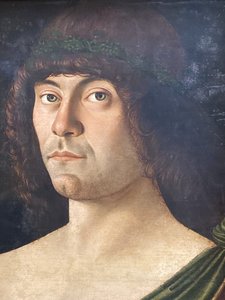
Jacopo Bellini
1396 - 1470 , Italia
In breve
- Artistic Movement Or Style: Rinascimento
- Artists Or Movements Influenced By This Artist: ['Masaccio']
- Artists Who Influenced This Artist: ['Gentile da Fabriano']
- Date Of Birth: Venice, Italia (1396)
- Date Of Death: c. 1470
- Full Name: Jacopo Bellini
- Nationality: Italiano
- Notable Artworks: ['Crucifissione Verona']
- Place Of Birth: Venezia