

 Anteprima in scala reale
 Invia
Invia Condividi
 Dettagli opera
 Guida
Guida

 Scarica
 Simili
 Radiografia
 Slideshow
 Statistiche
Dublin Evening
 Oil On Canvas
- WallArt
- Expressionism
 1946
1946 23.0 x 36.0 cm
 Ashmolean Museum di Arte e Archeologia
 Espandi i dettagli
L'opera d'arte visualizzata in questa pagina è protetta dalle leggi sul diritto d'autore, il che significa che non possiamo legalmente creare o vendere una riproduzione identica. Tale protezione è garantita da accordi internazionali quali la Convenzione di Berna e dalle leggi nazionali, incluse quelle stabilite da Legge sul copyright degli Stati Uniti - Titolo 17. Tutti i diritti riservati. Le immagini presenti su questo sito sono protette da copyright e non possono essere riprodotte o utilizzate senza l'autorizzazione scritta di WahooArt.com o dei rispettivi proprietari del copyright.
Come alternativa rispettosa e legale, offriamo opere d'arte personalizzate e dipinte a mano, ispirate all'originale. I nostri artisti esperti e professionisti studiano con cura lo stile, l'atmosfera e l'essenza artistica dell'opera originale per creare un pezzo nuovo e unico che evochi la stessa emozione, pur rimanendo una creazione originale a pieno titolo.
Questo metodo è pienamente conforme alle normative sul diritto d'autore poiché non prevede la copia o la duplicazione dell'opera protetta. Si tratta invece di una rielaborazione creativa: un nuovo dipinto che trae ispirazione dall'originale, senza tuttavia esserne identico.
Riproduzione a olio fatta a mano
Olio su tela dipinto a mano nelle tue dimensioni e con la tua cornice, realizzato su ordinazione dai nostri artisti. ( Passa alle stampe Passa all'immagine digitale)




P118B €10

P118H €10

P118W €10

P438Z €10

P508JH €12

P508YH €12

P805H €10

P805Z €10

P919BZ €10

P919G €10

P919XJ €10

P959ZH €10

P968JZ €12

W106C €8

W218G €10

W218JH €8

W218Y €10

W307PJ €10

W316G €10

W316PJ €8

W316Y €10

W398PJ €8

W4111J €10

W500HY €15

W500JH €15

W692G €12

W849H €8

W940BG €15

W953PJ €8




Scegli tra le nostre dimensioni predefinite, che rispettano le proporzioni originali dell'opera d'arte.

Inserisci la larghezza e l'altezza desiderate, per adattarle alla tua cornice o alla tua parete. Trattandosi di un'opera dipinta a mano, in caso di dimensioni con un formato differente, l'artista può estendere leggermente il dipinto oltre i bordi dell'immagine o ritagliare una piccola parte — la scelta spetta a te. Ti invieremo un mockup digitale da approvare prima che la realizzazione abbia inizio. L'immagine mostrata in questa pagina non rappresenta il risultato finale — solo il mockup lo fa.
Dopo l'ordine, il team di OriginalUniqueArt.com contatterà il cliente via e-mail per ricevere le istruzioni e fornirà un'anteprima del mockup
Consegna in tutto il mondo () in 3/4 settimane anziché nelle normali 5 settimane. (27 Ottobre). Nessun compromesso sulla qualità.

Spedizione espressa gratuita in tutto il mondo

Tela in lino di alta qualità

Assicurazione completa sulla spedizione

Garanzia di rimborso dei dazi doganali

Garanzia di fedeltà cromatica assoluta

Politica di reso entro 100 giorni (solo per difetti di fabbricazione)

Garanzia di rimborso al 100%

Offerta per acquisti multipli
 L'opzione vetro è disponibile solo per dimensioni inferiori a 110 cm

Dublin Evening
Tecnica di riproduzione
Dimensioni riproduzione
-


Prezzo finale calcolato
€ 263
Dublin Evening: A Portrait of Urban Solitude
Jack Butler Yeats’s “Dublin Evening,” painted in 1946, isn't merely a depiction of a street scene; it’s a poignant meditation on the quiet dignity and inherent loneliness of urban life. This oil painting, housed within the Ashmolean Museum in Oxford, captures a fleeting moment along St. Stephen’s Green, Dublin, rendered with Yeats’s signature blend of evocative realism and expressive abstraction. The work immediately draws the viewer into a scene populated by figures seemingly lost in their own thoughts – a cluster of men seated on benches, engaged in an unspoken ritual of observation. They are not grand heroes or dramatic characters; rather, they represent the everyday citizens of Dublin, quietly existing within the heart of the city.
Yeats’s style during this period is particularly compelling. He moved away from a purely illustrative approach, embracing a more gestural and emotionally charged technique. Notice how the paint itself seems to vibrate with energy – thick impasto strokes build up layers of color, creating a palpable sense of texture and movement. The figures are not sharply defined; instead, they’re suggested through loose brushwork and subtle shifts in tone, lending them an almost spectral quality. This deliberate ambiguity invites speculation about their individual stories and inner lives. The muted palette – dominated by blues, greens, and browns – reinforces the painting's melancholic mood, mirroring the subdued light of a late evening.
A Celtic Visionary: Context and Influences
To fully appreciate “Dublin Evening,” it’s crucial to understand Jack Butler Yeats’s broader artistic context. Born in London but deeply rooted in Irish culture, Yeats spent much of his life navigating the complexities of identity as an Anglo-Irish artist. His childhood experiences in Sligo profoundly shaped his work, imbuing it with a deep connection to the landscape and folklore of Ireland. He was heavily influenced by the Romantic movement, particularly its emphasis on emotion and the sublime beauty of nature – qualities he translated into his depictions of the Irish countryside.
However, Yeats’s artistic journey took an unexpected turn in the 1920s, as he embraced Expressionism. This shift is powerfully evident in “Dublin Evening.” He began to experiment with bolder colors, distorted forms, and a more direct approach to conveying emotion. His work became increasingly concerned with capturing the psychological states of his subjects – their anxieties, hopes, and vulnerabilities. The painting’s quiet intensity reflects this evolving artistic sensibility.
Symbolism and Narrative Resonance
The title itself, “Dublin Evening,” is laden with symbolic weight. It evokes a sense of transition, of twilight and reflection. The men on the benches can be interpreted as representatives of Dublin society – perhaps observing the city’s changing fortunes, contemplating their own place within it, or simply seeking solace in shared silence. The act of sitting together, yet remaining largely apart, speaks to the inherent isolation that can exist even amidst human connection.
There's a subtle nod to James Joyce’s “Ulysses,” which was published just a few years later. The painting shares with the novel a focus on the mundane details of everyday life and a sense of searching for meaning within the ordinary. The figures, like Bloom, are caught in a moment of contemplation, grappling with the complexities of existence. Yeats’s masterful use of light and shadow further enhances this narrative resonance, creating an atmosphere of mystery and intrigue.
A Legacy of Quiet Intensity
“Dublin Evening” stands as one of Jack Butler Yeats's most enduring works – a testament to his ability to capture the essence of human experience with remarkable sensitivity and skill. It’s not a painting that shouts for attention; rather, it invites quiet contemplation and rewards repeated viewing. Its understated beauty and profound emotional depth continue to resonate with audiences today, solidifying Yeats’s place as one of Ireland's most important artists.
Domande e risposte
A quale periodo della carriera di Jack Butler Yeats appartiene "Dublin Evening"?
"Dublin Evening" rappresenta il Mature Period di Jack Butler Yeats.
Esistono opere simili a "Dublin Evening"?
Le opere simili a "Dublin Evening" sono elencate nella pagina Opere simili dell'opera.
In che modo tecnica e movimento si fondono in "Dublin Evening"?
"Dublin Evening" di Jack Butler Yeats unisce la tecnica Oil On Canvas allo stile Expressionism. La tecnica e il movimento definiscono la realizzazione e l'estetica dell'opera.
Biografia dell'artista
Jack Butler Yeats: Una Vita tra Arte e Letteratura
- Nato: Londra, Regno Unito (1871)
- Morto: 1957
John Butler Yeats, più comunemente noto come Jack Butler Yeats, si erge come una figura chiave nell'arte irlandese del XX secolo e un talento unico nel panorama più ampio del modernismo. Non fu solo un pittore celebrato, ma anche un medaglia d'oro olimpico, drammaturgo, romanziere e saggista, dimostrando un’eccezionale ampiezza di espressione artistica. La sua eredità è intrecciata con quella di suo fratello, W.B. Yeats, il rinomato poeta che ricevette il Premio Nobel per la Letteratura nel 1923.
Primi Anni e Sviluppo Artistico
- Background Familiare: Nato a Londra da John Butler Yeats, ritrattista irlandese, e fratello minore di W. B. Yeats.
- Infanzia a Sligo: Trascorse i suoi anni formativi a Sligo con i nonni materni, influenzando profondamente le sue successive rappresentazioni del paesaggio irlandese.
- Carriera Iniziale come Illustratore: Iniziò una carriera come illustratore per riviste come Boy's Own Paper e Judy, creando fumetti come "Chubb-Lock Homes" e contribuendo con articoli sotto lo pseudonimo “W. Bird” a Punch.
- Matrimonio e Residenza nel Wicklow: Sposò Mary Cottenham nel 1894 e risiedette nella contea di Wicklow, in Irlanda, secondo il censimento del 1911.
- Passaggio agli Oli: Iniziò a lavorare regolarmente con gli oli intorno al 1906, superando l'illustrazione verso uno stile artistico più personale. I suoi primi dipinti ad olio presentavano semplici e liriche rappresentazioni di paesaggi e figure, spesso tratti dai suoi ricordi di Sligo.
Stile Artistico e Tematiche
- Primo Romanticismo: Il lavoro iniziale di Yeats mostrava elementi del romanticismo, caratterizzati da evocative raffigurazioni della campagna irlandese e delle sue persone.
- Svolta Espressionista (c. 1920): Intorno al 1920, il suo stile subì una trasformazione significativa, evolvendo verso un approccio intensamente espressionista. Questo cambiamento comportò l'allontanamento dalla precisione rappresentativa per trasmettere emozioni ed esperienza soggettiva.
- Tematiche Chiave: L’opera di Yeats esplorava frequentemente temi dell'identità irlandese, la solitudine dell'individuo, l'universalità della sofferenza umana e la vivacità della vita irlandese – in particolare scene raffiguranti cavalli, circhi e artisti itineranti.
- Tecnica: I suoi dipinti successivi erano caratterizzati da un trattamento vigoroso ed esperimentale della pittura, spesso applicata spessamente. Abbandonò frequentemente il lavoro tradizionale con il pennello, optando per l'applicazione diretta con vari strumenti per ottenere texture ed effetti espressivi. Era evidente anche un profondo interesse per la potenza del colore nel suo lavoro.
Realizzazioni e Riconoscimenti Importanti
- Medagliato Olimpico: Detiene il distintivo di essere il primo medaglia d'oro irlandese alle Olimpiadi, vincendo una medaglia d'argento nella sezione arte e cultura ai Giochi della VIII Olimpiade del 1924 a Parigi per la sua pittura "The Liffey Swim" (registrata come “Swimming” nei registri della competizione).
- Alti Prezzi all’Asta: Le sue opere hanno raggiunto prezzi significativi all'asta, dimostrando una crescente riconoscenza del suo merito artistico. Ad esempio, "A Fair Day, Mayo" è stato venduto per €1.000.000 nel 2011.
- Iscrizione alla Royal Hibernian Academy: Eletto membro della Royal Hibernian Academy nel 1916.
- Contributi Letterari: Oltre alla pittura, Yeats fu un prolifico scrittore, producendo romanzi (tra cui "The Careless Flower" e "The Amaranthers"), opere teatrali prodotte all'Abbey Theatre e saggi. Il suo stile di scrittura a flusso di coscienza influenzò scrittori come James Joyce.
Eredità e Influenza
- L’Artista Irlandese Più Importante: Ampiamente considerato l’artista irlandese più importante del XX secolo.
- Voce Artistica Unica: Rimase una figura unica, rifiutando di prendere allievi o permettere a chiunque di osservare il suo processo lavorativo.
- Influenza e Confronti: Il suo stile artistico è stato paragonato a quello del pittore austriaco Oskar Kokoschka.
- Acclamazione Critica: Samuel Beckett lodò Yeats come uno dei "grandi del nostro tempo", mentre John Berger lo elogiò come un “grande pittore” con un senso del futuro.
- Significato Artistico: L’opera di Yeats ha contribuito ad articolare una moderna Dublino del XX secolo, raffigurando soggetti specificamente irlandesi attraverso una lente di temi universali ed espressionismo modernista.
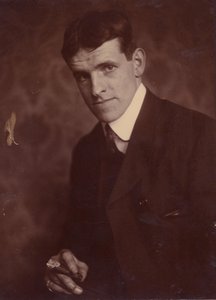
Jack Butler Yeats
1871 - 1957 , Regno Unito
Dettagli rapidi
- Artisti Influenti: ['Oskar Kokoschka']
- Data Di Nascita: 1871
- Luogo Di Nascita: Londra, Regno Unito
- Movimento Artistico: Espressionismo, Arte moderna
- Nazionalità: Irlandese
- Nome Completo: Jack Butler Yeats
- Opere Notevoli:
- The Riverside (Long Ago)
- An Old Timer Reading
- Humanity's Alibi
- Landing Cargo, Mayo Coast
- Darrynane (In the Sun)
Articoli correlati

I 10 Capolavori dell'Acquerello che Hanno Rivoluzionato l'Arte | OriginalUniqueArt
Esplora i 10 capolavori dell'acquerello che hanno cambiato la storia dell'arte! Da Turner a Monet, scopri le storie e le tecniche di questi artisti iconici. Trova riproduzioni di alta qualità e idee per decorare casa con OriginalUniqueArt.com.

Ephemeral Visions: Exploring the Artistic Legacy & Contemporary Practice of Watercolor Painting
Explore the captivating world of watercolor painting! Discover its rich history, essential techniques, influential artists & collecting tips. A comprehensive guide for art enthusiasts from OriginalUniqueArt.

Ephemeral Visions: Exploring the History & Emotional Resonance of Watercolor Painting
Explore the captivating history of watercolor painting, from ancient techniques to modern masters like Kandinsky & Blake. Discover essential artists, collecting tips & the emotional power of this luminous medium. Expert insights for art enthusiasts.

Ephemeral Visions: Exploring the Artistic Legacy & Nuances of Watercolor Painting
Explore the captivating world of watercolor painting! Discover its rich history, essential techniques, influential artists & collecting tips from art experts. A comprehensive guide for enthusiasts.

L'Affascinante Mondo dell'Acquerello: Storia, Tecniche e Pratica Contemporanea
Esplora il fascino dell'acquerello! Scopri la sua storia, le tecniche fondamentali e gli artisti contemporanei. Guide pratiche e consigli per iniziare a dipingere con successo.