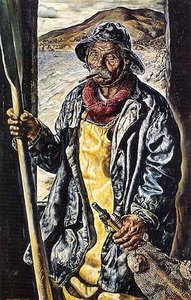
Anteprima in scala reale
 Condividi
 Condividi
 Dettagli
 Guida stampabile

 Scarica
 Articoli simili
 Radiografia
 Slideshow
 Statistiche
Self-Portrait

 Leggi tutto
L'opera d'arte visualizzata in questa pagina è protetta dalle leggi sul diritto d'autore, il che significa che non possiamo legalmente creare o vendere una riproduzione identica. Tale protezione è garantita da accordi internazionali quali la Convenzione di Berna e dalle leggi nazionali, incluse quelle stabilite da Legge sul copyright degli Stati Uniti - Titolo 17. Tutti i diritti riservati. Le immagini presenti su questo sito sono protette da copyright e non possono essere riprodotte o utilizzate senza l'autorizzazione scritta di WahooArt.com o dei rispettivi proprietari del copyright.
Questo metodo è pienamente conforme alle normative sul diritto d'autore poiché non prevede la copia o la duplicazione dell'opera protetta. Si tratta invece di una rielaborazione creativa: un nuovo dipinto che trae ispirazione dall'originale, senza tuttavia esserne identico.
Giclée / Stampe d'arte
Stampa giclée o su tela di qualità museale, con produzione rapida e diverse opzioni di finitura. ( Ordina la riproduzione dipinta a mano Passa all'immagine digitale)




P118B €10

P118H €10

P118W €10

P438Z €10

P508JH €12

P508YH €12

P805H €10

P805Z €10

P919BZ €10

P919G €10

P919XJ €10

P959ZH €10

P968JZ €12

W106C €8

W218G €10

W218JH €8

W218Y €10

W307PJ €10

W316G €10

W316PJ €8

W316Y €10

W398PJ €8

W4111J €10

W500HY €15

W500JH €15

W692G €12

W849H €8

W940BG €15

W953PJ €8




Scegli tra le nostre dimensioni predefinite, che rispettano le proporzioni originali dell'opera d'arte.

Inserisci la larghezza e l'altezza desiderate, per adattarle alla tua cornice o alla tua parete. Una stampa può essere solo ritagliata, mai resa più grande dell'immagine originale; pertanto, un formato con una forma differente comporterà la perdita di una parte dell'opera. Ti invieremo un mockup digitale da approvare prima di procedere con la stampa. L'immagine mostrata in questa pagina non rappresenta il ritaglio reale — solo il mockup lo mostra.
Consegna in tutto il mondo () in 2 settimane invece delle normali 4/5 settimane. (24 Ottobre)

Spedizione espressa gratuita in tutto il mondo

Tela in lino di alta qualità

Assicurazione completa sulla spedizione

Garanzia di rimborso dei dazi doganali

Garanzia di perfetta fedeltà cromatica

Politica di reso entro 100 giorni (solo per difetti di fabbricazione)

Garanzia di rimborso al 100%

Sconto per acquisti multipli
 L'opzione vetro è disponibile solo per dimensioni inferiori a 110 cm

Self-Portrait
Giclée / Stampe d'arte
Dimensioni della riproduzione
-


Prezzo totale
€ 70
Biografia dell'artista
L'Architetto della Decadenza: La Vita e la Visione di Ivan Albright
Ivan Le Lorraine Albright (1897–1983) si staglia come una figura singolare nella storia dell'arte americana: un mago del realismo le cui tele catturavano non solo ciò che era visibile, ma l'insidioso scivolare del tempo e l'inquietante bellezza della disgregazione. Nato vicino a Chicago da Adam Emory Albright, un pittore di paesaggi discendente da armaioli, il viaggio artistico di Albright ebbe inizio insieme al suo gemello identico, Malvin. Sebbene entrambi abbiano studiato presso l'Art Institute di Chicago, i loro percorsi si divisero in diverse dimensioni della forma; laddove Malvin cercava la consistenza tattile della scultura, Ivan perseguiva le profondità eteree e spesso strazianti della pittura. Questa precoce immersione nelle belle arti gli instillò un profonda rispetto per l'artigianato e una precisione che avrebbero successivamente definito il suo approccio ossessivo e microscopico alla tela.
Gli anni formativi di Albright furono plasmati da una profonda fascinazione per i maestri europei come El Greco e Rembrandt, artisti capaci di confrontarsi con temi di spiritualità, mortalità e il drammatico intreccio di luce. Tuttavia, egli forgiò rapidamente uno stile distintivo che andava oltre la mera imitazione. La sua tecnica divenne sinonimo di un'ineguagliabile dedizione al dettaglio meticoloso e di una magistrale manipolazione del colore. Sebbene abbia esplorato brevemente l'architettura durante gli studi presso l'Università dell'Illinois Urbana-Champaign, abbandonò infine le ambizioni commerciali per la solitaria e faticosa consolazione dell'arte, spinto dal bisogno di documentare le trame dell'esistenza che altri avrebbero potuto trascurare.
Ombre di Guerra ed Estetica della Mortalità
Un momento cruciale nello sviluppo psicologico e artistico di Albright arrivò durante la Prima Guerra Mondiale. Servendo come illustratore medico a Nantes, in Francia, ebbe il compito di produrre immagini che erano spesso inquietanti nella loro accuratezza clinica. Questa esperienza funse da cupo presagio delle sue successive preoccupazioni per la morbilità e la fragilità della vita. La realtà viscerale della vulnerabilità umana e l'inesorabile presenza della morte divennero temi fondamentali della sua opera. Il suo lavoro iniziò a trascendere la semplice rappresentazione, entrando nel regno del Realismo Magico, dove la raffigurazione iperrealistica degli oggetti serviva ad accentuare un senso di profonda inquietudine ed esistenziale terrore.
Con il progredire della sua carriera, la fascinazione di Albright per il passare del tempo si manifestò in opere che esploravano il concetto di "bello grottesco". Egli non si limitava a dipingere la decadenza; ne celebrava l'intricata complessità. Le sue tele presentano spesso:
- La Trama del Tempo: un focus sulle superfici sgretolate, logorate ed erose, sia degli oggetti che della pelle.
- Maestria del Chiaroscuro: l'uso di luci e ombre drammatiche per creare profondità e una tensione psicologica.
- Nature Morte Simboliche: composizioni di oggetti che, pur sembrando banali, portano con sé pesanti connotazioni di mortalità e della natura fuggevole della vita.
Un'Eredità Scritta nel Dettaglio
Lungo la sua lunga carriera, Albright ottenne un riconoscimento significativo per la sua capacità di fondere il realismo con un'intensità surreale, quasi allucinatoria. Le sue opere celebri, come The Farmer's Kitchen (1934), dimostrano una rappresentazione toccante della vita dell'era della Grande Depressione attraverso una lente che è allo stesso tempo spettrale e iper-dettagliata. Allo stesso modo, le sue esplorazioni in pezzi come That Which I Should Have Done I Did Not Do (The Door) mostrano la sua abilità nell'utilizzare soglie fisiche come metafore di stati psicologici. I suoi autoritratti rimangono tra i suoi contributi più duraturi, fungendo da intense analisi del personaggio che rivelano la preoccupazione dell'artista per la condizione umana.
Il significato storico di Ivan Albright risiede nel suo rifiuto di distogliere lo sguardo dalle verità scomode del declino biologico e materiale. In un'epoca in cui molti artisti cercavano l'astrazione o la pura bellezza decorativa, Albright si dedicò allo scrutinio microscopico dell'effimero. Egli rimane un maestro del bello inquietante, lasciando un'eredità che sfida gli spettatori a trovare il significato proprio all'interno dei processi di dissoluzione. La sua opera continua a risuonare in chiunque sia toccato dalla profonda e tormentata intersezione tra memoria, tempo e l'inevitabile trasformazione di ogni essere vivente.
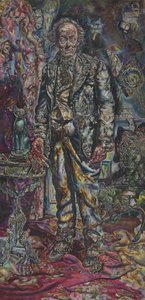
Ivan Albright
1897 - 1983 , Stati Uniti d'America
Informazioni rapide
- Artistic Movement Or Style: Magic Realismo
- Artists Who Influenced This Artist:
- El Greco
- Rembrandt
- Date Of Birth: 20 Febbraio 1897
- Full Name: Ivan Le Lorraine Albright
- Nationality: Americano
- Notable Artworks:
- La cucina del contadino
- Autoritratto
- Autoritratto viso
- Place Of Birth: North Harvey, Stati Uniti
Articoli correlati

Magic Realism Explained: Navigating the Enigmatic Intersection of Reality and the Extraordinary
Explore the profound depths of Magic Realism. Discover how this captivating movement blends everyday reality with the extraordinary through an expert art-historical lens. Perfect for collectors and enthusiasts seeking to understand the masters of the enigmatic.

The Inner Landscape: Exploring Themes of Introspection in Visual Art Across Movements & Eras
Explore the captivating world of introspective art! Discover how artists across eras – from Rembrandt to Kahlo – used self-portraiture to reveal their inner worlds and emotional depths. A journey through art history & psychology.
Magic Realism Unveiled: The Sophisticated Intersection of Tangible Reality and the Extraordinary
Explore the enigmatic world of Magic Realism. From its German origins to Latin American mastery, discover how this sophisticated movement blends reality with the extraordinary—perfect for discerning collectors seeking depth and wonder in fine art.

I 10 Capolavori del Realismo Romantico che hanno Incantato la Storia dell'Arte
Esplora l'emozione del Realismo Romantico attraverso 10 capolavori senza tempo. Scopri la storia di maestri come Constable e Friedrich e lasciati ispirare da opere iconiche per il tuo arredamento. Trova riproduzioni d'arte di qualità museale su OriginalUniqueArt.com.
The Enigmatic Realm of Magic Realism: Exploring Subconscious Narratives & Reality's Edge
Explore the captivating world of Magic Realism! Discover its origins, key artists like García Márquez & Colunga Marín, and how it blends reality with the fantastical. Expert insights & high-quality art reproductions at OriginalUniqueArt.