

 Anteprima in scala reale
 Condividi
 Condividi
 Dettagli
 Guida stampabile

 Scarica
 Articoli simili
 Radiografia
 Slideshow
 Statistiche
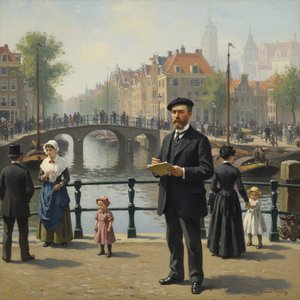
Housemaid with Pram


 Leggi tutto
Giclée / Stampe d'arte
Stampa giclée o su tela di qualità museale, con produzione rapida e diverse opzioni di finitura. ( Ordina la riproduzione dipinta a mano Passa all'immagine digitale)




P118B $10

P118H $10

P118W $10

P438Z $10

P508JH $12

P508YH $12

P805H $10

P805Z $10

P919BZ $10

P919G $10

P919XJ $10

P959ZH $10

P968JZ $12

W106C $8

W218G $10

W218JH $8

W218Y $10

W307PJ $10

W316G $10

W316PJ $8

W316Y $10

W398PJ $8

W4111J $10

W500HY $15

W500JH $15

W692G $12

W849H $8

W940BG $15

W953PJ $8




Scegli tra le nostre dimensioni predefinite, che rispettano le proporzioni originali dell'opera d'arte.

È possibile inserire dimensioni personalizzate per adattare l'opera a una cornice o a uno spazio specifico. Se la dimensione selezionata non corrisponde alle proporzioni dell'immagine originale, procederemo al ritaglio dell'opera o all'estensione dell'immagine con un bordo specchiato o a tinta unita. Un mockup digitale ti verrà inviato per approvazione prima dell'inizio della produzione.
Si prega di notare che l'anteprima a schermo non riflette il ritaglio o l'estensione effettivi. Solo il mockup mostrerà accuratamente la composizione finale.
Sebbene siano disponibili dimensioni personalizzate, si raccomanda di selezionare una dimensione dall'elenco predefinito per preservare le proporzioni originali.
Consegna in tutto il mondo () in 2 settimane invece delle normali 4/5 settimane. (25 Settembre)

Spedizione espressa gratuita in tutto il mondo

Tela in lino di alta qualità

Assicurazione completa sulla spedizione

Garanzia di rimborso dei dazi doganali

Garanzia di perfetta fedeltà cromatica

Politica di reso entro 100 giorni (solo per difetti di fabbricazione)

Garanzia di rimborso al 100%

Sconto per acquisti multipli
 L'opzione vetro è disponibile solo per dimensioni inferiori a 110 cm

Housemaid with Pram
Giclée / Stampe d'arte
Dimensioni della riproduzione
-


Prezzo totale
$ 80
A Moment Frozen in Time: Isaac Israëls’ “Housemaid with Pram”
Isaac Lazarus Israëls' "Housemaid with Pram," painted in 1875, isn’t merely a snapshot of urban life; it’s a poignant meditation on the quiet dignity and understated beauty found within the everyday. This watercolor, now housed in the Rijksmuseum in Amsterdam, captures a fleeting moment along a bustling city street – a woman pushing a baby carriage, her face etched with a subtle blend of weariness and contentment. Israëls, a key figure in the Dutch Impressionist movement, masterfully utilizes loose brushstrokes and delicate washes to evoke not just a visual representation but an atmosphere, a feeling of the scene’s transient nature.
Israëls' artistic journey was deeply intertwined with his family history. The son of Jozef Israëls, a renowned Hague School painter known for his realistic depictions of working-class life, Isaac initially followed in his father’s footsteps, exploring similar themes of labor and social realism. However, he quickly developed his own distinct style, moving away from the stark formality of his father's work towards a more impressionistic approach – prioritizing capturing light, color, and mood over precise detail. This shift is powerfully evident in “Housemaid with Pram,” where the focus isn’t on the woman’s physical appearance but rather on her presence within the urban landscape.
The Language of Light and Color
Israëls' technique is characterized by a remarkable sensitivity to light. He employs broken color, layering translucent washes of pigment to create an ethereal quality, as if the scene is bathed in a soft, diffused glow. The muted palette – predominantly blues, greens, and browns – reflects the overcast Amsterdam sky, lending the painting a melancholic yet peaceful atmosphere. Notice how he uses highlights to draw attention to the woman’s face and the details of the pram, while simultaneously blurring the background figures into an indistinct mass. This selective focus directs the viewer's eye and emphasizes the central subject.
The composition itself is carefully constructed. The woman occupies a slightly off-center position, creating a sense of dynamism and inviting the viewer to step into the scene. The placement of the clock tower in the background provides a subtle temporal reference, anchoring the image within a specific moment in time. Israëls’ use of atmospheric perspective – making distant objects appear paler and less distinct – further enhances the illusion of depth and contributes to the painting's overall sense of realism.
Symbolism and Social Commentary
Beyond its aesthetic qualities, “Housemaid with Pram” carries a subtle layer of social commentary. The woman’s posture suggests both responsibility and exhaustion—a common reality for working-class women in 19th-century Amsterdam. The pram itself symbolizes motherhood and the cycle of life, while the bustling street represents the relentless pace of urban existence. Israëls doesn't offer a judgment or moralizing statement; instead, he presents a simple, honest portrayal of a woman’s daily life, inviting viewers to contemplate her experiences and consider the social conditions that shaped them.
The inclusion of other figures in the background – a man standing on the left and another further back on the right – adds to the painting's narrative complexity. They represent the broader context of urban society, highlighting the woman’s place within it. Their presence suggests a community, albeit one largely unseen by the central figure.
A Timeless Portrait of Human Experience
“Housemaid with Pram” is more than just a painting; it's a window into the past—a poignant and evocative depiction of everyday life in 19th-century Amsterdam. Israëls’ masterful use of light, color, and composition creates an image that resonates deeply with viewers today, reminding us of the shared human experiences of labor, motherhood, and the quiet beauty found within the ordinary moments of our lives. Reproductions of this work offer a chance to bring this evocative scene into any space, fostering contemplation and appreciation for Israëls’ enduring legacy.
Biografia dell'artista
Isaac Lazarus Israëls: Una Vita nell'Impressionismo di Amsterdam
- Nato: Amsterdam, Paesi Bassi (3 febbraio 1865)
- Morto: L’Aia, Paesi Bassi (7 ottobre 1934)
Primi Anni e Inizi Artistici
Isaac Lazarus Israëls nacque in una famiglia profondamente radicata nel mondo dell'arte olandese. Era figlio del pittore Jozef Israëls, figura di spicco associata alla Scuola de L’Aia, e di Aleida Schaap. Questo patrimonio artistico favorì una precoce apprezzamento per la pittura in Isaac, che dimostrò un talento notevole fin da giovane età. Tra il 1880 e il 1882, studiò alla Royal Academy of Art de L’Aia, dove conobbe George Hendrik Breitner, formando un'amicizia duratura che influenzò significativamente la sua traiettoria artistica. A soli sedici anni, Israëls ottenne un riconoscimento precoce quando vendette "Bugle Practice" all'artista e collezionista Hendrik Willem Mesdag anche prima che fosse completamente completato. Ritratti di sua nonna e di un amico di famiglia, creati nello stesso anno, dimostrarono la sua già considerevole abilità tecnica.
L’Impressionista di Amsterdam
Israëls divenne una figura guida all'interno del movimento dell'Impressionismo di Amsterdam. Influenzato dalla filosofia dei Tachtigers – un gruppo di scrittori e artisti che sostenevano che lo stile dovesse riflettere il contenuto e i soggetti emotivamente carichi rappresentati attraverso una tecnica intensa – spostò la sua attenzione verso la cattura delle vivaci scene della vita quotidiana ad Amsterdam. Trascorreva frequentemente le estati con suo padre a Scheveningen, dipingendo paesaggi marittimi colorati. La sua opera rifletteva il desiderio di ritrarre le strade trafficate, i caffè e i cabaret di Amsterdam, allontanandosi dai soggetti più tradizionali favoriti dai maestri olandesi precedenti.
- Opere Chiave: "Trasporto di Soldati Coloniali" (Museo Kröller-Müller), "I Sorter di Caffè" (Museum Boijmans Van Beuningen), Ritratto di Mata Hari (Museo Kröller-Müller)
Viaggi e Evoluzione Artistica
Nel 1904, Israëls si trasferì a Parigi, stabilendo uno studio e abbracciando i motivi unici della città. Esplorò ulteriormente il suo interesse per la moda studiando presso le case di moda Paquin e Drecoll. Lo scoppio della Prima Guerra Mondiale lo portò a tornare nei Paesi Bassi, dove si concentrò principalmente sul ritratto. Dopo la guerra, intraprese viaggi estesi in tutta Europa e Asia, inclusi due anni trascorsi a schizzare e dipingere in India e nelle Indie Orientali Olandesi. Queste esperienze ampliarono i suoi orizzonti artistici, introducendolo a nuovi soggetti e prospettive che arricchirono la sua opera successiva.
Eredità e Riconoscimenti
Isaac Lazarus Israëls ha lasciato un'importante produzione celebrata per i suoi colori vivaci, il pennello sciolto e le penetranti rappresentazioni della vita quotidiana. I suoi dipinti sono ora ospitati in prestigiosi musei di tutto il mondo, tra cui il Van Gogh Museum e il Mauritshuis. Ottenne un riconoscimento internazionale, vincendo una Medaglia d'Oro alle Olimpiadi del 1928 per la sua pittura "Red Rider". L’eredità di Israëls risiede non solo nei suoi risultati artistici, ma anche nel suo contributo allo sviluppo dell'Impressionismo di Amsterdam, consolidando il suo posto come uno dei pittori olandesi più importanti della sua epoca.

Isaac Lazarus Israëls
1865 - 1934 , Paesi Bassi
Informazioni rapide
- Artistic Movement Or Style: Impressionismo di Amsterdam
- Artists Who Influenced This Artist: ['Émile Zola']
- Date Of Birth: 3 febbraio 1865
- Date Of Death: 7 ottobre 1934
- Full Name: Isaac Lazarus Israëls
- Nationality: Olandese
- Notable Artworks:
- Trasporto di soldati coloniali
- I selezionatori di caffè
- Ritratto di Mata Hari
- Ippy e Gertie a Hirsch
- Una signora davanti ai girasoli
- Danzatrice La Cocette Sun
- Café dansant, Moulin de la Galette
- Il batterista
- Place Of Birth (City And Country): Amsterdam, Paesi Bassi
Articoli correlati
Isaac Lazarus Israëls: Cronaca Olandese e l'Evoluzione del Realismo Impressionistico
Esplora la vita e le opere di Isaac Lazarus Israëls, figura chiave del realismo olandese e precursore dell'impressionismo. Analisi approfondita dello stile, dei temi e dell'influenza artistica di questo maestro.

Ephemeral Visions: Exploring the Artistic Legacy & Nuances of Watercolor Painting
Explore the captivating world of watercolor painting! Discover its rich history, essential techniques, influential artists & collecting tips from art experts. A comprehensive guide for enthusiasts.

I 10 Capolavori dell'Acquerello che Hanno Rivoluzionato l'Arte | OriginalUniqueArt
Esplora i 10 capolavori dell'acquerello che hanno cambiato la storia dell'arte! Da Turner a Monet, scopri le storie e le tecniche di questi artisti iconici. Trova riproduzioni di alta qualità e idee per decorare casa con OriginalUniqueArt.com.

Ephemeral Visions: Exploring the History & Emotional Resonance of Watercolor Painting
Explore the captivating history of watercolor painting, from ancient techniques to modern masters like Kandinsky & Blake. Discover essential artists, collecting tips & the emotional power of this luminous medium. Expert insights for art enthusiasts.

Ephemeral Visions: Exploring the Artistic Legacy & Contemporary Practice of Watercolor Painting
Explore the captivating world of watercolor painting! Discover its rich history, essential techniques, influential artists & collecting tips. A comprehensive guide for art enthusiasts from OriginalUniqueArt.

