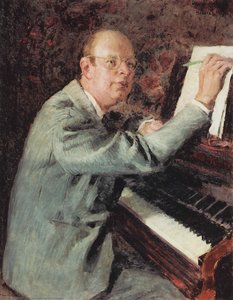
Anteprima in scala reale
 Condividi
 Condividi
 Dettagli

 Scarica immagine
 Articoli simili
 Radiografia
 Slideshow
Spring Breeze
 Oil On Canvas
- WallArt
- Post-Impressionist Painting
 1905
1905- 19th Century
 79.0 x 79.0 cm
 Leggi tutto
Riproduzione a olio fatta a mano
Olio su tela dipinto a mano nelle tue dimensioni e con la tua cornice, realizzato su ordinazione dai nostri artisti. ( Ordina stampa Acquista download)




P118B $10

P118H $10

P118W $10

P438Z $10

P508JH $12

P508YH $12

P805H $10

P805Z $10

P919BZ $10

P919G $10

P919XJ $10

P959ZH $10

P968JZ $12

W106C $8

W218G $10

W218JH $8

W218Y $10

W307PJ $10

W316G $10

W316PJ $8

W316Y $10

W398PJ $8

W4111J $10

W500HY $15

W500JH $15

W692G $12

W849H $8

W940BG $15

W953PJ $8




Scegli tra le nostre dimensioni predefinite, che rispettano le proporzioni originali dell'opera d'arte.

È possibile inserire dimensioni personalizzate per adattare l'opera a una cornice o a uno spazio specifico. Se la dimensione selezionata non corrisponde alle proporzioni dell'immagine originale, provvederemo a ritagliare l'opera o a estendere il dipinto con elementi aggiuntivi dipinti a mano. Un mockup digitale ti sarà inviato per approvazione prima dell'inizio della produzione.
Si prega di notare che l'anteprima a schermo non riflette il ritaglio o l'estensione effettivi. Solo il mockup mostrerà accuratamente la composizione finale.
Sebbene siano disponibili dimensioni personalizzate, consigliamo di selezionare una dimensione dall'elenco predefinito per preservare le proporzioni originali.
Dopo l'ordine, il team di OriginalUniqueArt.com contatterà il cliente via e-mail per le istruzioni e fornirà un'anteprima del mockup
Consegna in tutto il mondo () in 3/4 settimane anziché nelle normali 5 settimane. (21 Agosto). Nessun compromesso sulla qualità.

Spedizione espressa gratuita in tutto il mondo

Tela in lino di alta qualità

Assicurazione completa sulla spedizione

Garanzia di rimborso dei dazi doganali

Garanzia di fedeltà cromatica dell'originale

Politica di reso entro 60 giorni (solo per difetti di fabbricazione)

Garanzia di rimborso al 100%

Sconto per acquisti multipli
 L'opzione vetro è disponibile solo per dimensioni inferiori a 110 cm

Spring Breeze
Tecnica di riproduzione
Dimensioni della riproduzione
-


Prezzo totale
$ 300
Descrizione dell'opera
Igor Emmanuilovich Grabar’s ‘Spring Breeze’: A Window into Post-Impressionist Serenity
“Spring Breeze,” painted in 1905 by the Russian Post-Impressionist artist Igor Emmanuilovich Grabar, is more than just a depiction of a bedroom; it's an immersive experience of light, color, and quiet contemplation. Created during a pivotal period in Grabar’s career – his peak artistic output between 1903 and 1907 – the painting exemplifies his distinctive approach to divisionist technique, a method that sought to capture fleeting moments through meticulously placed dots of pure color, creating an almost shimmering effect. Measuring 79 x 79 cm on canvas, this intimate scene invites viewers into a world of warmth and tranquility, reflecting Grabar’s profound interest in capturing the subtle nuances of domestic life.
A Symphony of Color and Light – The Divisionist Technique
Grabar's mastery lies in his skillful deployment of the divisionist technique. Rather than blending colors on the canvas, he applied small, distinct brushstrokes—often described as bordering on pointillism—to build up the image. This approach isn’t simply a stylistic choice; it’s a deliberate attempt to mimic the way light itself is perceived – fragmented and shimmering. Observe how the sunlight streaming through the two windows is rendered not with smooth gradations, but with a mosaic of yellows, oranges, and whites, creating an ethereal glow that bathes the room in warmth. The careful arrangement of these color fragments generates a remarkable sense of depth and texture, drawing the eye across the canvas.
Historical Context: Post-Impressionism and the Russian Avant-Garde
‘Spring Breeze’ emerged from the broader context of Post-Impressionism, a movement that arose as a reaction against the Impressionists' focus on objective observation of light. While Impressionists sought to capture fleeting moments, Post-Impressionists aimed for something more – a deeper emotional and symbolic resonance within their work. Grabar, influenced by artists like Ilya Repin and Anton Azbe, pushed this movement further with his unique divisionist style. His work aligns with the broader Russian avant-garde of the early 20th century, exploring themes of domesticity and spirituality through a highly personal artistic lens.
Symbolism Within the Still Life – A Room of Quiet Reflection
Beyond its technical brilliance, ‘Spring Breeze’ is rich in subtle symbolism. The piano, positioned prominently in the corner, suggests both musical contemplation and perhaps a yearning for creative expression. The carefully arranged vases, each placed with intention, contribute to the overall sense of order and serenity. The potted plant adds a touch of nature, connecting the interior space with the outside world. The composition as a whole evokes a feeling of peaceful solitude – a sanctuary from the bustle of daily life. It’s a scene designed not just to be observed, but to be felt.
Technical Specifications
- Title: Spring Breeze
- Artist: Igor Emmanuilovich Grabar
- Date: 1905
- Medium: Oil on Canvas
- Size: 79 x 79 cm
This exceptional reproduction captures the essence of Grabar’s ‘Spring Breeze,’ offering a stunning addition to any art collection or interior design scheme. Its evocative beauty and masterful technique make it a timeless piece, reflecting the enduring appeal of Post-Impressionist artistry.
Biografia dell'artista
Early Life and Education
Igor Emmanuilovich Grabar (in russo Игорь Эммануилович Грабарь?; Budapest, 25 marzo 1871 – Mosca, 16 maggio 1960) è stato un pittore, architetto e storico dell'arte russo di origine russina. La sua famiglia si trasferì in Russia quando aveva nove anni e quindi nella sua nuova patria svolse il suo percorso di studi e di formazione, oltre alle sue variegate attività, risultando uno dei personaggi più illustri della cultura russa degli inizi del Novecento. Durante i suoi studi giuridici a San Pietroburgo si avvicinò a varie testate umoristiche, sviluppando così il suo talento come disegnatore e scrittore; nel 1894 portò a termine un ciclo di illustrazioni riguardanti gli scritti di Gogol' e nello stesso periodo frequentò l’Accademia delle belle arti di San Pietroburgo, allievo di Il'ja Repin. Successivamente si perfezionò a Monaco di Baviera, dal 1896 al 1901, venendo a contatto con le correnti impressionistiche e innovative grazie alla frequentazione della scuola privata di pittura di Anton Àžbe. Nella città tedesca collaborò con la rivista Niva, attraverso la quale difese gli artisti d'avanguardia. Una volta ritornato in Russia, collaborò con il movimento Mir Iskusstva (“Mondo dell’arte”) realizzando svariati paesaggi (Neve di settembre, 1903; Raggio di sole, 1904). Contemporaneamente si fece notare anche come critico, disciplina nella quale operò a lungo anche promuovendo e guidando una grandiosa Istorija russkogo iskusstva (“Storia dell’arte russa”) dal 1913 al 1914. Divenne membro di numerosi movimenti e società, come l’Unione degli artisti russi e prima ancora, a Parigi del Salon d'AuComne. Nel 1905 effettuò un breve soggiorno a Parigi, dove ebbe modo di apprezzare le opere di Cézanne, Gauguin, Van Gogh, e soprattutto di Diego Velázquez. Ma le sue molteplici attività riguardarono anche l’architettura, con le progettazioni di varie strutture in stile rinascimentale, come nel caso del sanatorio Zacharino presso Mosca, oltre alla direzione artistica, con la cura di collezioni di pittura e la realizzazione di un imponente catalogo della Galleria Tret'jakov, nel 1917.Artistic Career and Notable Works
Igor Emmanuilovich Grabar trained under Il’ja Repin in Saint Petersburg and Anton Àžbe in Munich. He reached his peak in painting between 1903–1907 and was notable for a peculiar divisionist painting technique bordering on pointillism and his rendition of snow. Some of his notable works include:- Landscape with a haystack, showcasing his skill in capturing the beauty of nature.
- The Embroideress, a prime example of the realist style popular in russia during the 19th century.
- Going to work, a painting that reflects the daily life of the russian people.
Museum and Art Restoration
In 1913, Grabar was appointed executive director of the Tretyakov Gallery in Moscow. He diversified the collection into modern art and published its first comprehensive catalogue in 1917. As a professor of art restoration at the Moscow State University (1921), he played a crucial role in the soviet art establishment. Notable Museums Featuring Grabar's Work:- Novokuznetsk Art Museum, russia, housing an impressive collection of russian and european artworks.
- Tretyakov Gallery, moscow, a world-renowned museum with an extensive collection of russian fine art.
- Museo Kharkov Museum of Art (Ukraine), featuring a vast collection of opere d'arte from the 14th century.
Legacy and Later Life
Grabar remained at the top of the soviet art establishment until his death on May 16, 1960. He managed art-restoration workshops (present-day Grabar Centre) during 1918–1930 and from 1944 to 1960. His legacy continues to inspire artists and art enthusiasts alike.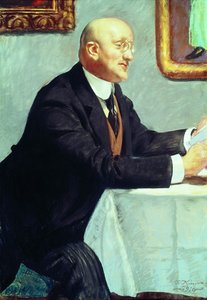
igor emmanuilovich grabar
1871 - 1960 , Ungheria
Informazioni rapide
- Artistic Movement Or Style: Post-Impressionism
- Artists Who Influenced This Artist:
- Ilya Repin
- Anton Àžbe
- Date Of Birth: March 25, 1871
- Date Of Death: May 16, 1960
- Full Name: Igor Emmanuilovich Grabar
- Nationality: Russian
- Notable Artworks:
- Landscape with a haystack
- The Embroideress
- Going to work
- Place Of Birth: Budapest, Hungary
Articoli correlati
Giclée Prints: Archival Quality & Aesthetic Nuances for the Discerning Collector
Explore the world of giclée prints with OriginalUniqueArt. Learn about archival quality, aesthetic nuances & investment potential. Expert guidance for discerning art collectors seeking museum-quality reproductions and lasting value.

The Soul of Impressionism: Why Oil on Canvas Captures Eternal Light and Timeless Emotion
Discover the enchanting alchemy of Impressionism. Explore how the mastery of oil on canvas, through glazing and impasto, captures eternal light and emotion. Perfect for lovers of Monet and Van Gogh seeking the profound depth of hand-painted fine art.
The Magic of Lithography: Capturing Light and Texture in Every Impressionist Print
Discover the enchanting world of lithography through an Impressionist lens. Explore how this timeless technique captures the luminous light and delicate textures of masters like Monet and Renoir, offering a profound way to bring art history into your home with elegance and soul.
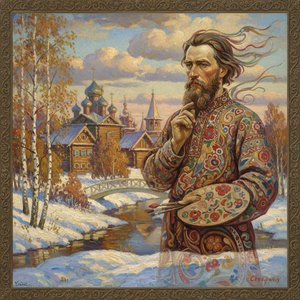
Igor Grabar: Bridging Impressionism & National Identity in Russian Modern Art
Explore the life & art of Igor Grabar, a pivotal figure in Russian Modernism. Discover his Impressionist landscapes, crucial role in art history, and legacy at the Tretyakov Gallery. A deep dive into a master painter & scholar.
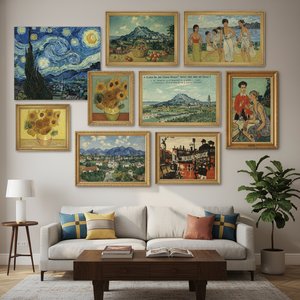
I 10 Capolavori Post-Impressionisti che Hanno Rivoluzionato l'Arte e la Decorazione d'Interni
Esplora i 10 capolavori del Post-Impressionismo con Van Gogh, Monet e Cézanne. Scopri le storie dietro questi dipinti iconici e lasciati ispirare per la tua decorazione d'interni. Stampe su tela di alta qualità su !