Anteprima in scala reale
 Condividi
 Condividi
 Dettagli
 Guida stampabile

 Scarica
 Articoli simili
 Radiografia
 Slideshow
 Statistiche
Washerwomen
 Acrylic On Canvas
- WallArt
- Romanticism
 1796
1796 60.0 x 41.0 cm
 Museo di Belle Arti
 Leggi tutto
Giclée / Stampe d'arte
Stampa giclée o su tela di qualità museale, con produzione rapida e diverse opzioni di finitura. ( Ordina la riproduzione dipinta a mano Passa all'immagine digitale)




P118B €10

P118H €10

P118W €10

P438Z €10

P508JH €12

P508YH €12

P805H €10

P805Z €10

P919BZ €10

P919G €10

P919XJ €10

P959ZH €10

P968JZ €12

W106C €8

W218G €10

W218JH €8

W218Y €10

W307PJ €10

W316G €10

W316PJ €8

W316Y €10

W398PJ €8

W4111J €10

W500HY €15

W500JH €15

W692G €12

W849H €8

W940BG €15

W953PJ €8




Scegli tra le nostre dimensioni predefinite, che rispettano le proporzioni originali dell'opera d'arte.

Inserisci la larghezza e l'altezza desiderate, per adattarle alla tua cornice o alla tua parete. Una stampa può essere solo ritagliata, mai resa più grande dell'immagine originale; pertanto, un formato con una forma differente comporterà la perdita di una parte dell'opera. Ti invieremo un mockup digitale da approvare prima di procedere con la stampa. L'immagine mostrata in questa pagina non rappresenta il ritaglio reale — solo il mockup lo mostra.
Consegna in tutto il mondo () in 2 settimane invece delle normali 4/5 settimane. (15 Ottobre)

Spedizione espressa gratuita in tutto il mondo

Tela in lino di alta qualità

Assicurazione completa sulla spedizione

Garanzia di rimborso dei dazi doganali

Garanzia di perfetta fedeltà cromatica

Politica di reso entro 100 giorni (solo per difetti di fabbricazione)

Garanzia di rimborso al 100%

Sconto per acquisti multipli
 L'opzione vetro è disponibile solo per dimensioni inferiori a 110 cm

Washerwomen
Giclée / Stampe d'arte
Dimensioni della riproduzione
-


Prezzo totale
€ 70
A Glimpse of Parisian Life: Hubert Robert’s “Washerwomen”
Hubert Robert's "Washerwomen," painted in 1796, is more than just a depiction of a daily scene; it’s a carefully constructed tableau brimming with the romanticism and artistic sensibilities of late 18th-century France. The painting transports us to a sun-drenched courtyard within a bustling Parisian city – a world rendered with an almost dreamlike quality through Robert's masterful use of light, color, and perspective. It’s a piece that speaks volumes about the era’s fascination with ruins, memory, and the beauty found in the commonplace.
Robert, born in Paris in 1733, was a painter deeply influenced by the Baroque tradition, particularly the works of Claude Lorrain and Andrea Pozzo. However, he quickly developed his own distinctive style, often referred to as “capriccio” – a term derived from Italian meaning ‘whim’ or ‘fancy.’ These landscapes weren't intended to be realistic representations but rather imaginative constructions that blended elements of history, mythology, and the natural world. "Washerwomen" exemplifies this approach perfectly, seamlessly integrating architectural fragments, classical statues, and a vibrant urban backdrop.
The Art of Capriccio: Illusion and Memory
The painting’s core lies in Robert's manipulation of space and perspective. He employs a technique known as *foreshortening* to create the illusion of depth, drawing the viewer into the scene with remarkable accuracy. The arches and columns of the background buildings seem to recede infinitely, while the figures in the foreground appear remarkably close, almost inviting us to step into their world. This masterful use of perspective isn’t merely technical; it serves a deeper symbolic purpose – evoking a sense of timelessness and the enduring power of memory.
Robert was particularly drawn to ruins, viewing them as potent symbols of both loss and regeneration. He didn't simply depict decaying structures; he reimagined them, breathing new life into their weathered facades and transforming them into picturesque settings for his fantastical compositions. In “Washerwomen,” the crumbling architecture isn’t presented as a lament for the past but rather as a backdrop to an idyllic scene of everyday life – suggesting that beauty can be found even in decay and that memory can transform the past into something vibrant and enduring.
A Symphony of Color and Detail
The painting's palette is dominated by warm, earthy tones—ochres, browns, and siennas—creating a sense of warmth and intimacy. These muted colors are punctuated by splashes of brighter hues – the blues of the sky, the pinks and yellows of the flowers, and the vibrant reds of the women’s clothing. Robert's attention to detail is astonishing; every cobblestone, every leaf, every fold in the fabric seems meticulously rendered. This level of precision contributes significantly to the painting’s overall realism and invites us to linger over its intricate details.
The figures themselves are depicted with a remarkable sense of naturalism. The women engaged in their laundry work—washing clothes at a fountain, carrying baskets—are not idealized representations but rather believable characters caught in a moment of quiet activity. Their gestures and expressions convey a sense of dignity and resilience, reflecting the strength and spirit of the Parisian working class.
Emotional Resonance and Artistic Legacy
"Washerwomen" is more than just a pretty picture; it’s a poignant meditation on beauty, memory, and the passage of time. Robert's ability to capture the essence of a fleeting moment—a scene from everyday life transformed into an enduring work of art—is truly remarkable. The painting resonates with us today because it speaks to universal themes: the connection between humanity and nature, the importance of preserving memories, and the beauty that can be found in even the most humble of scenes.
Today, reproductions of “Washerwomen” continue to captivate art lovers and interior designers alike. Its evocative atmosphere and masterful technique make it a timeless addition to any collection or space—a reminder of the artistic brilliance of Hubert Robert and his enduring legacy as one of France’s most celebrated landscape painters.
Domande e risposte
Che dimensione dovrei scegliere per la stampa di "Washerwomen" in base alla mia stanza?
In un Living Room, si consiglia di stampare "Washerwomen" con una dimensione di Large.
Dove dovrebbe essere appesa una riproduzione di "Washerwomen" di Hubert Robert?
Con la sua forma Portrait, una riproduzione di "Washerwomen" è ideale per un Living Room.
Quale stato d'animo esprime "Washerwomen" di Hubert Robert all'interno di Romanticism?
All'interno del movimento Romanticism, "Washerwomen" è registrata con un tono Nostalgic.
Biografia dell'artista
Hubert Robert: Pittore di Rovine e Visioni
- Nato: 22 maggio 1733, Parigi, Francia
- Morto: 15 aprile 1808, Parigi, Francia
Hubert Robert fu un pittore francese celebrato per i suoi suggestivi paesaggi e dipinti a *capriccio*—rappresentazioni pittoresche semi-fittizie di rovine in Italia e Francia. È considerato una figura chiave che colma il divario tra i periodi Rococò e Neoclassico, anticipando aspetti del Romanticismo con la sua fascinazione per il decadimento, la storia e le ricostruzioni immaginarie.
Primi Anni e Formazione Artistica
Nicolas Robert, padre di Hubert, servì François-Joseph de Choiseul, marchese de Stainville. Robert ricevette un'istruzione gesuita al Collège de Navarre nel 1751. Successivamente studiò scultura con Michel-Ange Slodtz, che lo incoraggiò a dedicarsi alla pittura. Questa formazione iniziale gli instillò una solida base in disegno e prospettiva, elementi cruciali che avrebbero poi definito il suo stile artistico.
Gli Anni Romani e Sviluppo Artistico (1754-1765)
- Trasferimento a Roma: Nel 1754, Robert si trasferì a Roma con Étienne-François de Choiseul, figlio del suo datore di lavoro.
- Undici Anni in Italia: Trascorse undici anni a Roma, un periodo formativo per il suo sviluppo artistico.
- Sostegno e Patronato: Si mantenne creando opere per intenditori visitatori come l'Abbé de Saint-Non.
- Influenza di Giovanni Paolo Panini: Robert lavorò accanto a Giovanni Paolo Panini, la cui influenza è evidente nelle sue prime composizioni a *capriccio*.
- Schizzi e Osservazione: Schizzò meticolosamente rovine e paesaggi romani, documentando siti come Villa d'Este e Caprarola, dimostrando un occhio acuto per i dettagli e la prospettiva atmosferica.
Il suo periodo a Roma plasmò profondamente la visione artistica di Robert. La giustapposizione delle antiche rovine romane con la vita contemporanea scatenò il suo interesse nel rappresentare il decadimento insieme alla vitalità, un tema ricorrente in tutta la sua carriera.
Ritorno a Parigi e Riconoscimento (1765-1790)
- Rapido Successo: Al suo ritorno a Parigi nel 1765, Robert ottenne rapidamente riconoscimento.
- Ammissione all'Académie Royale de Peinture et de Sculpture: Fu ammesso all'Académie Royale de Peinture et de Sculpture con un *capriccio* romano, "Il Porto di Roma, Ornato di Diversi Monumenti dell'Architettura, Antichi e Moderni."
- Mostre al Salon: Le sue esposizioni al Salon (a partire dal 1767) ottennero notevole attenzione. Denis Diderot commentò famosamente la grandiosità evocata dalle sue rappresentazioni di rovine.
- Opere Notabili: Opere chiave di questo periodo includono "Paesaggio con le Rovine del Tempio Rotondo, con una Statua di Venere e un Monumento a Marco Aurelio," che mostra la sua padronanza della pittura a *capriccio*.
Il successo parigino di Robert derivò dalla sua capacità di catturare sia la grandezza dell'antichità classica che la vivacità della vita contemporanea. Le sue opere risuonarono con il pubblico affascinato dalla storia, dall'archeologia e dal pittoresco.
Ultimi Anni, Rivoluzione e Eredità (1790-1808)
- Rivoluzione Francese: Robert fu testimone e documentò la Rivoluzione Francese, compresa la demolizione di monumenti storici.
- Curatore del Muséum Central des Arts: Servì come curatore del neonato Muséum Central des Arts (poi il Louvre), dimostrando il suo impegno nella conservazione del patrimonio culturale.
- Continuata Produzione Artistica: Nonostante il clima politico turbolento, Robert continuò a dipingere e disegnare prolificamente.
- Riproduzione e Influenza: Le sue opere furono frequentemente riprodotte da artisti come l'Abbé de Saint-Non, Châtelain, Linard e Le Veau, testimonianza della sua diffusa influenza.
L'eredità di Hubert Robert risiede nella sua capacità unica di fondere accuratezza storica con visione immaginativa. Pioniere di un genere di pittura che celebrava sia la bellezza del decadimento che il potere duraturo della creatività umana. La sua opera continua a ispirare artisti e affascinare il pubblico, consolidando il suo posto come figura significativa nell'arte del XVIII secolo.
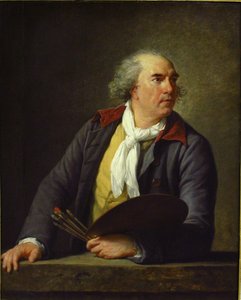
Hubert Robert
1733 - 1808 , Francia
Informazioni rapide
- Artisti Influenti: ['Giovanni Paolo Panini']
- Data Di Nascita: 22 maggio 1733
- Luogo Di Nascita: Parigi, Francia
- Movimento Artistico: Romanticismo
- Nazionalità: Francese
- Nome Completo: Hubert Robert
- Opere Notevoli:
- Paesaggio con rovine
- La fuga di Galatea
- Arco di Trionfo in ruine
Articoli correlati

Evocations of Place: A Historical Journey Through Landscape Art
Explore the rich history of landscape art with OriginalUniqueArt. Discover renowned artists, movements like Impressionism & Romanticism, and expert guidance for collecting timeless pieces. Find your perfect serene escape today!

I 10 Capolavori Rococò che Hanno Definito un'Epoca | Arte e Decorazioni di Lusso
Esplora i 10 capolavori del Rococò con ! Scopri Fragonard, Boucher e Tiepolo e lasciati ispirare da colori pastello e decorazioni di lusso. Quadri antichi e riproduzioni d'arte per interni eleganti. Esplora la collezione online!

John Constable: I 25 Capolavori che Celebrano la Bellezza della Campagna Inglese
Esplora i 25 capolavori di John Constable, il maestro del Romanticismo inglese. Paesaggi suggestivi, luce naturale e colori vibranti ti aspettano. Acquista riproduzioni d'arte di alta qualità su OriginalUniqueArt.com e porta la bellezza della campagna inglese nella tua casa.

Hubert Robert: Pittura di Rovine e Memoria Preservata – Uno Studio sull'Antiquarianismo Romantico e l'Innovazione Artistica
Esplora l'opera di Hubert Robert, maestro del paesaggio e pioniere dell'antiquarianismo romantico. Scopri la sua poetica delle rovine romane, il valore artistico e come collezionare le sue opere con OriginalUniqueArt.

I 10 Capolavori del Paesaggio Romantico: Arte, Storia e Decorazioni di Lusso
Esplora i 10 capolavori del Paesaggio Romantico con OriginalUniqueArt.com! Caspar David Friedrich, Turner e altri maestri: storia, tecnica e colori che definiscono un'epoca. Trova riproduzioni d'arte di lusso per la tua casa. Scopri la collezione completa online!