Anteprima in scala reale
 Invia
Invia Condividi
 Dettagli opera
 Guida
Guida

 Scarica
 Simili
 Radiografia
 Slideshow
 Statistiche
Ratapoil


 Espandi i dettagli
Riproduzione a olio fatta a mano
Olio su tela dipinto a mano nelle tue dimensioni e con la tua cornice, realizzato su ordinazione dai nostri artisti. ( Passa alle stampe Passa all'immagine digitale)




P118B €10

P118H €10

P118W €10

P438Z €10

P508JH €12

P508YH €12

P805H €10

P805Z €10

P919BZ €10

P919G €10

P919XJ €10

P959ZH €10

P968JZ €12

W106C €8

W218G €10

W218JH €8

W218Y €10

W307PJ €10

W316G €10

W316PJ €8

W316Y €10

W398PJ €8

W4111J €10

W500HY €15

W500JH €15

W692G €12

W849H €8

W940BG €15

W953PJ €8




Scegli tra le nostre dimensioni predefinite, che rispettano le proporzioni originali dell'opera d'arte.

Inserisci la larghezza e l'altezza desiderate, per adattarle alla tua cornice o alla tua parete. Trattandosi di un'opera dipinta a mano, in caso di dimensioni con un formato differente, l'artista può estendere leggermente il dipinto oltre i bordi dell'immagine o ritagliare una piccola parte — la scelta spetta a te. Ti invieremo un mockup digitale da approvare prima che la realizzazione abbia inizio. L'immagine mostrata in questa pagina non rappresenta il risultato finale — solo il mockup lo fa.
Dopo l'ordine, il team di OriginalUniqueArt.com contatterà il cliente via e-mail per ricevere le istruzioni e fornirà un'anteprima del mockup
Consegna in tutto il mondo () in 3/4 settimane anziché nelle normali 5 settimane. (25 Ottobre). Nessun compromesso sulla qualità.

Spedizione espressa gratuita in tutto il mondo

Tela in lino di alta qualità

Assicurazione completa sulla spedizione

Garanzia di rimborso dei dazi doganali

Garanzia di fedeltà cromatica assoluta

Politica di reso entro 100 giorni (solo per difetti di fabbricazione)

Garanzia di rimborso al 100%

Offerta per acquisti multipli
 L'opzione vetro è disponibile solo per dimensioni inferiori a 110 cm

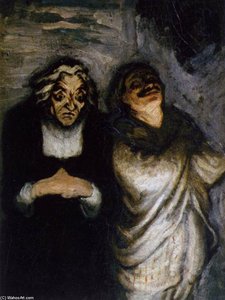
Ratapoil
Tecnica di riproduzione
Dimensioni riproduzione
-


Prezzo finale calcolato
€ 263
The Weight of Satire: Honoré Daumier’s “Ratapoil”
Honoré Daumier's "Ratapoil," created in 1850, isn’t merely a sculpture; it’s a distilled embodiment of the anxieties and frustrations simmering beneath the surface of mid-19th century France. This arresting figure, rendered in cast iron with a deliberate roughness that mirrors its subject matter, captures a moment of profound disillusionment – a silent indictment of societal hypocrisy and the precariousness of human existence. The sculpture’s power lies not just in its visual impact but in the potent historical context from which it emerged, reflecting the political unrest and social commentary prevalent during Daumier's prolific career.
A Portrait of Discontent: Form and Technique
Daumier’s technique is immediately striking. The figure stands with a pronounced limpness, leaning heavily on his cane – a visual metaphor for the burden of societal expectations and the limitations imposed upon him. The pose itself, a studied awkwardness, suggests a man weary of pretense and burdened by unseen struggles. Notice the deliberate imperfections in the cast iron; these aren’t flaws but rather integral to the sculpture's character, mirroring the rough edges of reality. The artist masterfully employed a technique known as "lost wax casting," allowing for intricate detail while maintaining a robust physicality. The surface is deliberately left unpolished, emphasizing the material’s inherent texture and adding to the sense of weathered resilience.
Symbolism in the Details: The Man and His Cane
“Ratapoil” derives its name from a popular Parisian slang term for a “grumble-head,” someone prone to complaining. The figure’s expression is ambiguous, neither overtly angry nor mournful, but rather filled with a quiet resignation – a weary acceptance of his fate. The cane isn't simply a walking aid; it represents the tools he uses to navigate a world that seems determined to trip him up. It’s a symbol of both support and limitation, highlighting the complex relationship between individual agency and societal constraints. The man’s attire, simple and unadorned, further underscores his lack of privilege and reinforces the sculpture's message about social inequality.
Daumier’s Social Critique: A Voice for the Voiceless
Honoré Daumier was a pivotal figure in the development of French Realism. He used caricature, satire, and unflinching observation to expose the injustices and absurdities of his time. “Ratapoil” is part of a larger body of work that challenged the established order – depicting the lives of laborers, the plight of the poor, and the corruption within the political elite. Daumier’s art wasn't intended as mere entertainment; it was a deliberate act of social critique, offering a voice to those marginalized by society. His ability to capture the essence of human experience with such raw honesty cemented his legacy as one of France’s most important artists.
Bringing “Ratapoil” Home: Reproduction and Artistic Impact
Reproductions of "Ratapoil" offer a remarkable opportunity to bring this powerful work into any interior space. The sculpture's inherent drama and symbolic weight make it an ideal addition to collections focused on social commentary, 19th-century art, or simply those seeking pieces that evoke contemplation and provoke thought. When displayed, “Ratapoil” serves as a potent reminder of the enduring relevance of Daumier’s message – a timeless exploration of human resilience in the face of adversity. Consider pairing it with other works that address themes of social justice or personal struggle to create a conversation within your collection.
Domande e risposte
Quali dimensioni e orientamento si raccomandano per una stampa di "Ratapoil" di Honoré Daumier?
Per "Ratapoil", la configurazione di stampa consigliata è un formato Medium con orientamento Portrait.
Quale collocazione si adatta meglio al formato di "Ratapoil" di Honoré Daumier?
Il formato (Portrait) e l'ambiente consigliato (Living Room) sono i due dettagli di posizionamento registrati per "Ratapoil" di Honoré Daumier.
Quanto sono armoniosi i colori di "Ratapoil" di Honoré Daumier?
L'armonia cromatica di "Ratapoil" è descritta come Strong Color Unity.
Biografia dell'artista
La Vita e l'Opera di Honoré Daumier
Honoré Victorin Daumier, nato a Marsiglia il 26 febbraio 1808 e morto a Parigi il 10 o 11 dicembre 1879, è stato un artista francese prolifico, noto per le sue caricature satiriche, i suoi dipinti e le sue sculture. La sua opera offre uno spaccato vivido della vita sociale e politica in Francia durante il XIX secolo.
Primi Anni e Formazione
Daumier nacque in una famiglia modesta; suo padre era un poeta e glasiatore. Trascorse la sua infanzia a Marsiglia, per poi trasferirsi con la famiglia a Parigi nel 1814. Iniziò presto a lavorare come garzone presso uno studio di notaio, ma trovò il tempo per dedicarsi al disegno. Studiò con Alexandre Lenoir e frequentò l'Académie Suisse, dove affinò le sue capacità artistiche. Si appassionò alla scultura classica e all’opera di Rubens e Tiziano.
Carriera Artistica e Impegno Politico
Daumier iniziò la sua carriera artistica producendo illustrazioni e caricature anonime per diverse pubblicazioni. Nel 1830, dopo la Rivoluzione di Luglio, divenne un collaboratore regolare de *La Caricature*, un giornale satirico che gli offrì una piattaforma per esprimere le sue opinioni politiche. Le sue opere, spesso critiche nei confronti della monarchia di Luigi Filippo e dell'aristocrazia, lo resero popolare ma anche controverso.
- Lithografie Politiche: Daumier utilizzò la litografia come strumento potente per criticare il potere costituito, affrontando temi come la corruzione giudiziaria, l’inefficienza del governo e le disuguaglianze sociali.
- Imprigionamento: Nel 1832, fu imprigionato per sei mesi a causa di una caricatura particolarmente offensiva nei confronti del re, *Gargantua*. Questo evento non lo fermò, anzi, rafforzò il suo impegno politico e artistico.
- Periodo Post-Imprigionamento: Dopo la sua liberazione, Daumier continuò a produrre opere satiriche, ma con un approccio più sottile per evitare ulteriori problemi legali. Si concentrò maggiormente sulla rappresentazione della vita quotidiana parigina e dei suoi personaggi.
Stile Artistico e Temi
Lo stile di Daumier è caratterizzato da una combinazione unica di realismo, caricatura e critica sociale. I suoi dipinti e le sue litografie sono notevoli per la loro capacità di catturare l'essenza della vita parigina del XIX secolo, con particolare attenzione alle classi lavoratrici e ai marginali.
- Realismo: Daumier si sforzò di rappresentare la realtà in modo accurato e senza idealizzazioni.
- Caricatura: Utilizzò l'esagerazione e la deformazione per satirizzare i personaggi e le istituzioni sociali.
- Temi Sociali: Le sue opere affrontano temi come la povertà, l’ingiustizia sociale, la corruzione politica e la condizione umana in generale.
Opere Principali e Eredità
Daumier ha lasciato un'eredità artistica vasta e significativa. Tra le sue opere più importanti si ricordano:
- Rue Transnonain, 15 aprile 1834: Un’opera potente che raffigura la repressione violenta di una rivolta popolare a Parigi.
- Les Gens de Justice: Una serie di litografie satiriche che prendono in giro il sistema giudiziario francese.
- Le Marchand d'ondes: Una caricatura pungente dei giornalisti e della stampa scandalistica.
- Don Quichotte et Sancho Panza: Un dipinto ispirato al romanzo di Cervantes, che esplora temi come l’illusione e la realtà.
Nonostante non abbia ricevuto un ampio riconoscimento durante la sua vita, Daumier è oggi considerato uno dei più grandi artisti francesi del XIX secolo. La sua opera ha influenzato profondamente numerosi pittori impressionisti e post-impressionisti, come Degas, Manet e Toulouse-Lautrec. La sua capacità di combinare l'arte con un forte impegno sociale lo rende ancora oggi un artista rilevante e stimolante.

Honoré Daumier
1808 - 1879 , Francia
Dettagli rapidi
- Artisti Influenti:
- Alexandre Lenoir
- Charlet
- Artisti Influenzati:
- Impressionisti
- Postimpressionisti
- Data Di Nascita: 26 febbraio 1808
- Luogo Di Nascita: Marsiglia, Francia
- Movimento Artistico: Realismo
- Nazionalità: Francese
- Nome Completo: Honoré Daumier
- Opere Notevoli:
- Rue Transnonain, 15 aprile 1834
- Les Gens de Justice
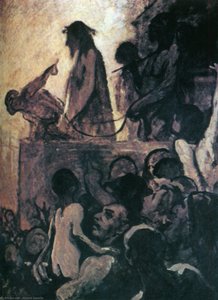
- Nous voulons Barabbas (Ecce Homo)
Articoli correlati
Honoré Daumier: Social Commentary & Artistic Innovation in 19th-Century France
Explore the life & work of Honoré Daumier, a master of 19th-century French realism and satire. Discover his powerful lithographs, paintings, and sculptures critiquing society – and his lasting influence on modern art.

The Enduring Form: Sculpture Across History, Technique & Emotional Resonance
Explore the rich history of sculpture with OriginalUniqueArt. Discover key techniques, influential artists & investment potential for discerning collectors. Expert insights into valuing and collecting timeless masterpieces.

The Enduring Form: Exploring Themes & Techniques in Sculpture Across Historical Periods
Explore the rich history of sculpture from ancient masterpieces to contemporary innovations. Discover key techniques, influential artists & investment potential for discerning art collectors.

I 10 Capolavori Bronzei che Hanno Rivoluzionato la Storia dell'Arte | OriginalUniqueArt
Esplora i 10 capolavori bronzei che hanno segnato la storia dell'arte! Da Rodin a Michelangelo, scopri le storie e le tecniche dietro queste sculture iconiche. Trova riproduzioni d'arte di alta qualità per decorare la tua casa con OriginalUniqueArt.com.

I 10 Capolavori in Bronzo che Hanno Rivoluzionato la Storia dell'Arte | OriginalUniqueArt
Esplora i 10 capolavori in bronzo che hanno segnato la storia dell'arte! Da Michelangelo a Rodin, scopri le storie e le tecniche dietro queste statue iconiche. Trova riproduzioni artistiche di alta qualità per decorare casa tua con OriginalUniqueArt.com.