

 Anteprima in scala reale
 Condividi
 Condividi
 Dettagli

 Scarica immagine
 Articoli simili
 Radiografia
 Slideshow
Woman Drying Herself

 Leggi tutto
Acquista un'immagine digitale ad alta risoluzione e ottimizzata, di qualità nettamente superiore all'anteprima online.
Ogni file è meticolosamente preparato dai nostri specialisti interni attraverso l'uso di strumenti avanzati e un sapiente ritocco manuale. Garantiamo che ogni immagine presenti una chiarezza eccezionale, una precisione cromatica impeccabile e dettagli raffinati.
Il file finale viene consegnato via e-mail entro 72 ore, ottimizzato per un uso immediato in contesti professionali, editoriali e di stampa. Si tratta della stessa qualità affidata ai più prestigiosi studi di design, editori e gallerie d'arte.
Immagine Digitale
Scarica un file ad alta risoluzione per uso personale, per la stampa e per progetti creativi. ( Ordina stampa Ordina la riproduzione dipinta a mano)
Incluso in ogni acquisto di immagini digitali
Consegna digitale professionale e garantita
Quando scegli OriginalUniqueArt.com, non riceverai solo un'immagine: riceverai un'opera d'arte digitale professionalmente ottimizzata, realizzata con la massima precisione e accompagnata da una garanzia di soddisfazione. Ecco tutto ciò che include il tuo ordine, automaticamente:

Consegna rapida via email
Riceverai il file dell'immagine digitale ad alta risoluzione via email entro 72 ore dall'ordine, pronto per un uso immediato.

File digitale potenziato dall'IA
La tua opera d'arte viene ottimizzata professionalmente attraverso l'uso di strumenti avanzati di intelligenza artificiale e una revisione manuale, garantendo il massimo livello di dettaglio, nitidezza e accuratezza cromatica.

Riconsegna gratuita a vita
Hai eliminato o perso accidentalmente il tuo file? Non preoccuparti: te lo invieremo di nuovo in qualsiasi momento, gratuitamente.

Nessun costo di importazione, mai
Goditi la tua opera d'arte istantaneamente senza costi doganali, dazi o spese di spedizione: i download digitali sono sempre esenti da tasse.

Garanzia di fedeltà cromatica
Garantiamo che la tua immagine digitale rifletta i colori originali con la massima fedeltà, grazie all'uso di strumenti professionali e a una gestione accurata del colore.

Garanzia soddisfazione 60 giorni
Se non sei soddisfatto della tua immagine digitale, la revisioneremo o ti rimborseremo il 100% entro 60 giorni, senza domande.

Garanzia di rimborso al 100%
Non sei soddisfatto? Ricevi un rimborso completo entro 60 giorni dal ricevimento del tuo file digitale, senza dover fornire spiegazioni.

Sconti per ordini multipli
Acquista 3 immagini, risparmia il 10% - Acquista 5, risparmia il 15% - Acquista 10+, risparmia il 20%. Ideale per progetti creativi, gallerie e agenzie.
Descrizione del collezionabile
A Moment of Intimate Repose: Exploring Degas’ “Woman Drying Herself”
Edgar Degas's "Woman Drying Herself" is a captivating pastel drawing that embodies the spirit of Impressionism and, more specifically, the *Intimist* movement. This work isn’t merely a depiction of a nude; it’s an exploration of private moments, vulnerability, and the quiet beauty of everyday life – themes central to Degas' artistic vision. The artwork invites us into a fleeting, personal space, offering a glimpse beyond the posed formality often found in academic art of the 19th century.Decoding the Style & Technique
Degas masterfully employs pastel—a medium he favored for its immediacy and luminous quality—to create a sense of soft focus and atmospheric depth. The loose, sketchy strokes aren’t intended to define precise forms but rather to suggest movement and texture. This technique is characteristic of Impressionism's emphasis on capturing the *impression* of a scene rather than a photographic representation. Notice how the pastel layers build up color and form, creating a tactile quality that almost invites touch. The diffused lighting further enhances this effect, gently modeling the figure’s curves and casting subtle shadows. It’s a study in tonal variation and delicate rendering, showcasing Degas' exceptional draftsmanship.Historical Context: Impressionism & Intimism
Emerging in France during the latter half of the 19th century, Impressionism challenged traditional artistic conventions. Artists like Degas broke away from historical and mythological subjects, turning instead to scenes of modern life. *Intimism*, a sub-current within Impressionism, focused specifically on domestic interiors and private moments. “Woman Drying Herself” perfectly exemplifies this trend. While Degas resisted being labeled an "Impressionist," his work shared the movement’s commitment to capturing fleeting moments, exploring light and color, and depicting contemporary life. He often observed women in their daily routines – bathers, dancers, laundresses – elevating these ordinary scenes to subjects worthy of artistic attention.Symbolism & Interpretation
The seemingly simple act of drying oneself becomes imbued with a sense of quiet contemplation and vulnerability. The woman’s averted gaze and relaxed posture suggest a moment of private reflection, shielded from the outside world. Degas often depicted women in unguarded moments, challenging conventional representations that typically emphasized idealized beauty or moral narratives. Some scholars interpret these works as explorations of modern urban life and the changing roles of women in society. The composition itself—the woman partially draped in fabric, the suggestion of a bathroom setting—creates an intimate atmosphere, drawing the viewer into her private space.Emotional Resonance & Aesthetic Impact
“Woman Drying Herself” evokes a sense of peaceful intimacy and understated elegance. It’s not a painting that shouts for attention; rather, it whispers with quiet beauty. The soft colors, delicate lines, and intimate subject matter create a calming and contemplative mood. This artwork is particularly appealing to those who appreciate subtle artistry and nuanced emotional expression. Its aesthetic qualities make it an ideal addition to interiors seeking a touch of refined sophistication and artistic depth.Degas’ Legacy & Collecting Today
Edgar Degas remains one of the most celebrated artists of the Impressionist era, and his works continue to inspire collectors and art enthusiasts worldwide. Reproductions of “Woman Drying Herself,” particularly high-quality oil reproductions, offer an opportunity to bring a piece of artistic history into your home or office. The artwork’s timeless appeal and enduring beauty ensure its continued relevance for generations to come. Consider this piece not just as a decorative element but as a window into the mind of a master artist and a poignant reflection on the human experience.Biografia dell'artista
A Life Immersed in Movement: The World of Edgar Degas
Hilaire-Germain Edgar De Gas was born July 19, 1834, Paris, France—died September 27, 1917, Paris (aged 83), and is considered one of the most complex and innovative figures of his generation. He was the eldest son of Célestine Musson De Gas, a Creole from New Orleans, and he reinforced his formal academic art training by copying Old Master paintings both in Italy, where he spent three years (1856–1859), and at the Louvre. Degas early on developed a rigorous drawing style and a respect for line that he would maintain throughout his career. His first independent works were portraits and history paintings but in the early 1860s he began to paint scenes from modern life. He started with the world of horse racing and by the end of the decade, he was already experimenting with new techniques and exploring unconventional compositions—a departure from the traditional academic art favored by many of his contemporaries.Beyond Impressionism: A Unique Artistic Vision
While contemporaries like Monet chased the fleeting effects of light outdoors, Degas largely worked within the confines of his studio, meticulously constructing scenes from observation and memory. His subject matter was decidedly modern—a departure from the historical or mythological themes favored by many academic painters. He found inspiration in the everyday lives of Parisians: laundresses, cabaret singers, milliners, and, most famously, dancers. It is this fascination with ballet that defines much of his oeuvre. Degas didn’t simply paint beautiful ballerinas; he captured the grueling reality of their profession—the endless rehearsals, the physical strain, the fleeting moments of grace amidst a world of hard work. His compositions are often unconventional, cropping figures in unexpected ways and utilizing asymmetrical arrangements that create a sense of dynamism and immediacy. He was a master of capturing movement, not through blurred lines or hazy effects, but through precise observation and careful rendering of form. Dancer, A Group of Dancers, and Women Combing Their Hair are prime examples of this dedication to portraying the human figure in motion and revealing the complexities of modern life.Influences and Artistic Development
Degas’s artistic journey was shaped by a diverse range of influences. His early training emphasized classical principles, particularly the work of Jean-Auguste-Dominique Ingres, whose emphasis on draftsmanship and precise form left a lasting impression. However, Degas also admired the Realists, such as Gustave Courbet, who challenged academic conventions and championed the depiction of contemporary life. A pivotal moment in his development came through his association with Camille Pissarro, a leading Impressionist who introduced him to other artists and encouraged him to experiment with new techniques. He was captivated by Japanese prints—Ukiyo-e—which influenced his use of asymmetrical compositions, flattened perspectives, and bold patterns. He also embraced photography, recognizing its potential as a tool for studying movement and capturing fleeting moments in time. This willingness to incorporate diverse influences into his work is what sets Degas apart and contributes to the unique character of his art.Major Achievements & Legacy
Degas’s prolific output spanned painting, sculpture, printmaking, and drawing—demonstrating an unparalleled mastery across multiple mediums. He achieved renown for his portraits of prominent figures—including artists, writers, and intellectuals—capturing their psychological depth with remarkable sensitivity. His ballet paintings revolutionized the genre, portraying dancers not as idealized beauties but as human beings grappling with physical exertion and emotional vulnerability. Furthermore, Degas’s exploration of horse racing and jockeying offered a fresh perspective on sport and social life. He was recognized as one of the most influential artists of his time, shaping the trajectory of modern art and inspiring generations of subsequent painters. His legacy continues to resonate today, celebrated for its innovation, honesty, and profound understanding of human experience. Museums worldwide—including the Musée d'Orsay and the Musée de l’Orangerie in Paris—house significant collections of his paintings, pastels, sculptures, and prints, ensuring that his artistic vision will endure for centuries to come.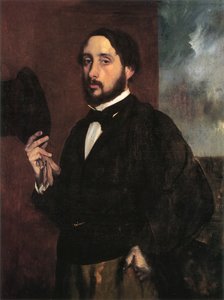
hilaire-germain-edgar degas
1834 - 1917 , Francia
In breve
- Artistic Movement Or Style: Impressionismo, Realismo
- Artists Or Movements Influenced By This Artist:
- Pablo Picasso
- Henri Matisse
- Artists Who Influenced This Artist:
- Jean-Auguste-Dominique Ingres
- Camillo Pissarro
- Date Of Birth: 1834
- Full Name: Hilaire-Germain Edgar De Gas
- Nationality: Francese
- Notable Artworks:
- Danzatori
- Due ballerine con gonne verdi
- Place Of Birth: Paris, France

