Anteprima in scala reale
 Condividi
 Condividi
 Dettagli
 Guida stampabile

 Scarica
 Articoli simili
 Radiografia
 Slideshow
 Statistiche
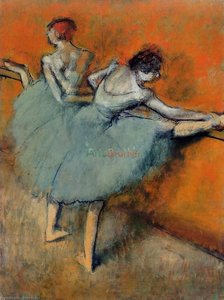
Dancers on Set
 Acrilico su tela
- Opere da parete
- Impressionismo
 1880
1880 37.0 x 27.0 cm
 Leggi tutto
Giclée / Stampe d'arte
Stampa giclée o su tela di qualità museale, con produzione rapida e diverse opzioni di finitura. ( Ordina la riproduzione dipinta a mano Passa all'immagine digitale)




P118B $10

P118H $10

P118W $10

P438Z $10

P508JH $12

P508YH $12

P805H $10

P805Z $10

P919BZ $10

P919G $10

P919XJ $10

P959ZH $10

P968JZ $12

W106C $8

W218G $10

W218JH $8

W218Y $10

W307PJ $10

W316G $10

W316PJ $8

W316Y $10

W398PJ $8

W4111J $10

W500HY $15

W500JH $15

W692G $12

W849H $8

W940BG $15

W953PJ $8




Scegli tra le nostre dimensioni predefinite, che rispettano le proporzioni originali dell'opera d'arte.

È possibile inserire dimensioni personalizzate per adattare l'opera a una cornice o a uno spazio specifico. Se la dimensione selezionata non corrisponde alle proporzioni dell'immagine originale, procederemo al ritaglio dell'opera o all'estensione dell'immagine con un bordo specchiato o a tinta unita. Un mockup digitale ti verrà inviato per approvazione prima dell'inizio della produzione.
Si prega di notare che l'anteprima a schermo non riflette il ritaglio o l'estensione effettivi. Solo il mockup mostrerà accuratamente la composizione finale.
Sebbene siano disponibili dimensioni personalizzate, si raccomanda di selezionare una dimensione dall'elenco predefinito per preservare le proporzioni originali.
Consegna in tutto il mondo () in 2 settimane invece delle normali 4/5 settimane. (25 Settembre)

Spedizione espressa gratuita in tutto il mondo

Tela in lino di alta qualità

Assicurazione completa sulla spedizione

Garanzia di rimborso dei dazi doganali

Garanzia di perfetta fedeltà cromatica

Politica di reso entro 100 giorni (solo per difetti di fabbricazione)

Garanzia di rimborso al 100%

Sconto per acquisti multipli
 L'opzione vetro è disponibile solo per dimensioni inferiori a 110 cm

Dancers on Set
Giclée / Stampe d'arte
Dimensioni della riproduzione
-


Prezzo totale
$ 80
Dancers on Set
The painting Dancers on Set is a beautiful depiction of two young girls dancing on stage, created by the renowned French artist Edgar Degas in 1880. This pastel artwork measures 37 x 27 cm and showcases the elegance and poise of the dancers as they move across the stage.The Artist's Style and Inspiration
Edgar Degas was a prominent figure in the Impressionism movement, known for his captivating paintings and sculptures of dancers. His works often featured ballet dancers, capturing their movements and emotions with incredible detail and precision. As seen in Great Arabesque, a bronze sculpture by Edgar Degas, his artistic style was characterized by the use of repeating geometric forms and fancifully combined patterns. He sought to convey not just what he saw but also how he felt about it—a profound respect for the beauty of fleeting moments and the expressive power of color.The Painting's Composition and Significance
In Dancers on Set, the two main dancers are positioned on either side of the stage, with their arms outstretched as they move in unison. The background of the painting features several other figures, adding depth and interest to the scene. This artwork is a prime example of Edgar Degas's ability to capture the beauty and elegance of dance. It reflects a fascination with capturing movement—a core principle of Impressionism—and an acute awareness of how light illuminates form. The artist meticulously rendered the textures of tulle skirts and the subtle shading on the dancers’ skin, demonstrating his mastery of technique.Historical Context and Legacy
Edgar Degas's work emerged during a pivotal period in artistic history—the Impressionist revolution. Artists like Monet, Renoir, and Sisley challenged academic conventions by prioritizing direct observation of nature and experimenting with innovative color palettes. The History of Painting chronicles this transformative movement, marking a decisive break from traditional artistic styles. Degas’s dedication to portraying the everyday life of dancers—particularly women—was groundbreaking for its time and continues to inspire artists today. His influence can be seen in subsequent generations of painters who embraced Impressionism's expressive qualities.The Dancers on Set page on OriginalUniqueArt offers handmade oil paintings reproductions of famous artworks, including those by Edgar Degas. Visit Hilaire-Germain-Edgar Degas page on OriginalUniqueArt.
- The painting is a beautiful representation of the Impressionism style, characterized by its use of light and color.
- The artwork showcases the artist's ability to capture the movement and emotion of the dancers.
- Dancers on Set is a significant work in the history of painting, as seen in the history of painting on Wikipedia.
Biografia dell'artista
A Life Immersed in Movement: The World of Edgar Degas
Hilaire-Germain Edgar De Gas was born July 19, 1834, Paris, France—died September 27, 1917, Paris (aged 83), and is considered one of the most complex and innovative figures of his generation. He was the eldest son of Célestine Musson De Gas, a Creole from New Orleans, and he reinforced his formal academic art training by copying Old Master paintings both in Italy, where he spent three years (1856–1859), and at the Louvre. Degas early on developed a rigorous drawing style and a respect for line that he would maintain throughout his career. His first independent works were portraits and history paintings but in the early 1860s he began to paint scenes from modern life. He started with the world of horse racing and by the end of the decade, he was already experimenting with new techniques and exploring unconventional compositions—a departure from the traditional academic art favored by many of his contemporaries.Beyond Impressionism: A Unique Artistic Vision
While contemporaries like Monet chased the fleeting effects of light outdoors, Degas largely worked within the confines of his studio, meticulously constructing scenes from observation and memory. His subject matter was decidedly modern—a departure from the historical or mythological themes favored by many academic painters. He found inspiration in the everyday lives of Parisians: laundresses, cabaret singers, milliners, and, most famously, dancers. It is this fascination with ballet that defines much of his oeuvre. Degas didn’t simply paint beautiful ballerinas; he captured the grueling reality of their profession—the endless rehearsals, the physical strain, the fleeting moments of grace amidst a world of hard work. His compositions are often unconventional, cropping figures in unexpected ways and utilizing asymmetrical arrangements that create a sense of dynamism and immediacy. He was a master of capturing movement, not through blurred lines or hazy effects, but through precise observation and careful rendering of form. Dancer, A Group of Dancers, and Women Combing Their Hair are prime examples of this dedication to portraying the human figure in motion and revealing the complexities of modern life.Influences and Artistic Development
Degas’s artistic journey was shaped by a diverse range of influences. His early training emphasized classical principles, particularly the work of Jean-Auguste-Dominique Ingres, whose emphasis on draftsmanship and precise form left a lasting impression. However, Degas also admired the Realists, such as Gustave Courbet, who challenged academic conventions and championed the depiction of contemporary life. A pivotal moment in his development came through his association with Camille Pissarro, a leading Impressionist who introduced him to other artists and encouraged him to experiment with new techniques. He was captivated by Japanese prints—Ukiyo-e—which influenced his use of asymmetrical compositions, flattened perspectives, and bold patterns. He also embraced photography, recognizing its potential as a tool for studying movement and capturing fleeting moments in time. This willingness to incorporate diverse influences into his work is what sets Degas apart and contributes to the unique character of his art.Major Achievements & Legacy
Degas’s prolific output spanned painting, sculpture, printmaking, and drawing—demonstrating an unparalleled mastery across multiple mediums. He achieved renown for his portraits of prominent figures—including artists, writers, and intellectuals—capturing their psychological depth with remarkable sensitivity. His ballet paintings revolutionized the genre, portraying dancers not as idealized beauties but as human beings grappling with physical exertion and emotional vulnerability. Furthermore, Degas’s exploration of horse racing and jockeying offered a fresh perspective on sport and social life. He was recognized as one of the most influential artists of his time, shaping the trajectory of modern art and inspiring generations of subsequent painters. His legacy continues to resonate today, celebrated for its innovation, honesty, and profound understanding of human experience. Museums worldwide—including the Musée d'Orsay and the Musée de l’Orangerie in Paris—house significant collections of his paintings, pastels, sculptures, and prints, ensuring that his artistic vision will endure for centuries to come.
hilaire-germain-edgar degas
1834 - 1917 , Francia
Informazioni rapide
- Artistic Movement Or Style: Impressionismo, Realismo
- Artists Or Movements Influenced By This Artist:
- Pablo Picasso
- Henri Matisse
- Artists Who Influenced This Artist:
- Jean-Auguste-Dominique Ingres
- Camillo Pissarro
- Date Of Birth: 1834
- Full Name: Hilaire-Germain Edgar De Gas
- Nationality: Francese
- Notable Artworks:
- Danzatori
- Due ballerine con gonne verdi
- Place Of Birth: Paris, France
Articoli correlati

Soft Light & Velvet Touch: The Ethereal Magic of Pastel Artistry in Impressionist Masterpieces
Discover the ethereal beauty of pastel art through an Impressionist lens. Explore how masters like Monet and Renoir captured light and velvet textures, and learn to curate a collection of luminous, museum-quality masterpieces for your home.

Edgar Degas: Uno Studio sul Movimento, l'Osservazione e la Belle Époque Parigina
Esplora il mondo di Edgar Degas: tecnica innovativa, le iconiche ballerine e l'influenza della Belle Époque parigina. Approfondimenti sulla sua arte e eredità.
The Subdued Radiance of Pastel Palettes: Exploring Emotional Resonance in Art History
Explore the emotional power of pastel palettes in art history! Discover Impressionism, Post-Impressionism & color psychology insights. Find museum-quality reproductions at OriginalUniqueArt.

The Subtleties of Pastel: A Comprehensive Exploration of Technique, History & Emotional Resonance
Explore the captivating world of pastel art! Discover its rich history, Impressionistic masters like Degas, emotional power & unique techniques. Find museum-quality reproductions at OriginalUniqueArt.

The Soft Power of Pastel: A Connoisseur's Guide to History, Technique, and the Art of Texture
Explore the ethereal beauty of pastel art. From Renaissance origins to Impressionist mastery, discover the history, technique, and velvety textures that define this luminous medium in our expert guide for art connoisseurs.