

 Anteprima in scala reale
 Condividi
 Condividi
 Dettagli
 Guida stampabile

 Scarica
 Articoli simili
 Radiografia
 Slideshow
 Statistiche
Edwin McMasters Stanton


 Leggi tutto
Giclée / Stampe d'arte
Stampa giclée o su tela di qualità museale, con produzione rapida e diverse opzioni di finitura. ( Ordina la riproduzione dipinta a mano Passa all'immagine digitale)




P118B €10

P118H €10

P118W €10

P438Z €10

P508JH €12

P508YH €12

P805H €10

P805Z €10

P919BZ €10

P919G €10

P919XJ €10

P959ZH €10

P968JZ €12

W106C €8

W218G €10

W218JH €8

W218Y €10

W307PJ €10

W316G €10

W316PJ €8

W316Y €10

W398PJ €8

W4111J €10

W500HY €15

W500JH €15

W692G €12

W849H €8

W940BG €15

W953PJ €8




Scegli tra le nostre dimensioni predefinite, che rispettano le proporzioni originali dell'opera d'arte.

Inserisci la larghezza e l'altezza desiderate, per adattarle alla tua cornice o alla tua parete. Una stampa può essere solo ritagliata, mai resa più grande dell'immagine originale; pertanto, un formato con una forma differente comporterà la perdita di una parte dell'opera. Ti invieremo un mockup digitale da approvare prima di procedere con la stampa. L'immagine mostrata in questa pagina non rappresenta il ritaglio reale — solo il mockup lo mostra.
Consegna in tutto il mondo () in 2 settimane invece delle normali 4/5 settimane. (24 Ottobre)

Spedizione espressa gratuita in tutto il mondo

Tela in lino di alta qualità

Assicurazione completa sulla spedizione

Garanzia di rimborso dei dazi doganali

Garanzia di perfetta fedeltà cromatica

Politica di reso entro 100 giorni (solo per difetti di fabbricazione)

Garanzia di rimborso al 100%

Sconto per acquisti multipli
 L'opzione vetro è disponibile solo per dimensioni inferiori a 110 cm

Edwin McMasters Stanton
Giclée / Stampe d'arte
Dimensioni della riproduzione
-


Prezzo totale
€ 70
A Portrait of Authority: The Legacy of Edwin McMasters Stanton
In the grand tapestry of American history, few figures loom as large or as formidable as Edwin McMasters Stanton. Captured in this 1872 masterpiece by the esteemed portraitist Henry Ulke, Stanton emerges not merely as a man, but as an institution of iron will and administrative brilliance. As the Secretary of War under President Abraham Lincoln, Stanton was the architect of Union logistics, a man whose rigorous reorganization of the war department helped steer the nation through its darkest hour. Through Ulke’s masterful brush, we encounter the statesman in his twilight years, possessing a gaze that reflects both the heavy burden of command and the unyielding intellect of a brilliant lawyer.
The painting serves as a profound psychological study, inviting the viewer to peer into the soul of a man who was instrumental in the fight against slavery and the preservation of the Union. There is an undeniable gravity in his expression; the fine lines around his eyes and the meticulous rendering of his facial hair speak to a life lived amidst the high-stakes tension of the Civil War era. For the collector, this piece offers more than just a historical record; it provides a window into the very essence of 19th-century leadership, making it an evocative centerpiece for any collection dedicated to American heritage.
Mastery of Light and Character
Henry Ulke, often celebrated as "The Painter of Presidents," employs a sophisticated technique that breathes life into this formal portrait. The artist utilizes a subtle interplay of light and shadow to sculpt the features of Stanton, creating a three-dimensional presence that commands the room. The texture of the subject's suit jacket, the crispness of his white collar, and the reflective glint on his spectacles are rendered with an exquisite attention to detail that speaks to Ulke’s academic precision. This meticulous approach ensures that every fold in the fabric and every nuance of skin tone contributes to a sense of palpable reality.
The background is intentionally understated, a muted wall that provides depth without distracting from the subject's commanding presence. This compositional choice directs all emotional energy toward Stanton himself, allowing his dignified posture and distinguished attire to resonate. The use of a darker palette in the periphery serves to push the figure forward, creating an intimate connection between the sitter and the observer. It is this technical mastery that makes a high-quality reproduction of this work so impactful; the depth of color and the richness of the shadows are preserved to inspire awe in any setting.
An Elegant Addition to Sophisticated Interiors
For interior designers and connoisseurs of fine art, this portrait offers an unparalleled opportunity to introduce a sense of timelessness and intellectual weight to a space. The somber yet dignified tones of the painting harmonize beautifully with classic decor, such as dark wood libraries, executive studies, or traditional dining rooms. It acts as a conversational anchor, sparking discussions about history, law, and the resilience of the human spirit. The artwork does not merely decorate a wall; it curates an atmosphere of prestige and historical reverence.
Whether placed in a private gallery or a grand residential hall, the portrait of Edwin McMasters Stanton brings with it an aura of stability and wisdom. It is a piece designed for those who appreciate the intersection of fine art and historical narrative—a choice for the discerning individual who seeks to surround themselves with works that possess both aesthetic beauty and profound cultural significance. To possess this reproduction is to hold a fragment of the American story, rendered with the grace and dignity that only a master like Ulke could provide.
Domande e risposte
Qual è la luminosità di "Edwin McMasters Stanton" di Henry Ulke?
La luminanza rilevata per "Edwin McMasters Stanton" di Henry Ulke è Dark.
In quale museo è conservato l'originale di "Edwin McMasters Stanton"?
"Edwin McMasters Stanton" di Henry Ulke è esposta presso Galleria Nazionale di Ritratto, Washington, Stati Uniti d'America. La scheda del museo si riferisce all'opera originale e non a riproduzioni.
Che atmosfera saprebbe conferire a una stanza una riproduzione di "Edwin McMasters Stanton" di Henry Ulke?
Con la sua atmosfera Classic, "Edwin McMasters Stanton" è ideale per Office.
Biografia dell'artista
Una vita incisa nel ritratto: la storia di Henry Ulke
Henry Ulke, un nome spesso sussurrato accanto alle grandi figure che ha immortalato sulla tela, era molto più del semplice “Pittore dei Presidenti”. Nato Titus Ulke nel 1821, il suo viaggio dalle origini tedesche al successo come celebre ritrattista a Washington D.C. è una narrazione avvincente di dedizione artistica intrecciata con un'inaspettata passione per il mondo naturale. Sebbene la storia lo ricordi principalmente per aver catturato i volti di Abraham Lincoln e Edwin Stanton, un'esplorazione più profonda rivela un uomo la cui vita era ricca di dettagli tanto quanto le pennellate che hanno definito la sua eredità. La giovinezza di Ulke rimane in parte avvolta nel mistero; scarse sono le informazioni riguardanti la sua formazione artistica iniziale. Tuttavia, è noto che emigrò negli Stati Uniti, stabilendosi inizialmente a New York prima di gravitare verso il cuore politico della nazione, Washington D.C. Questo spostamento si rivelò cruciale, ponendolo all'epicentro di un'America in rapido mutamento e offrendogli l'accesso proprio a quegli individui che sarebbero diventati i suoi soggetti più iconici. Si affermò rapidamente come un abile ritrattista, guadagnando il favore di politici e dignitari desiderosi di preservare la propria immagine per la posterità.Le pennellate del potere: la ritrattistica di Ulke Lo stile artistico di Ulke può essere caratterizzato da un realismo meticoloso temperato da una sottile sensibilità. Non era interessato a sfarzose esibizioni di tecnica o interpretazioni astratte; al contrario, si concentrava sul catturare l'essenza dei suoi soggetti: il loro carattere, l'intelletto e il peso delle loro responsabilità. I suoi ritratti non erano semplici rappresentazioni dell'aspetto fisico, ma studi psicologici resi in olio su tela. Questo approccio è particolarmente evidente nelle sue raffigurazioni di Abraham Lincoln. Ulke dipinse diverse versioni del 16° Presidente, ognuna delle quali offriva uno sguardo unico sulla persona in evoluzione di Lincoln durante gli anni tumultuosi della Guerra Civile. Non si trattava di immagini idealizzate; mostravano un uomo gravato da una pressione immensa, ma capace di irradiare una forza interiore e una profonda empatia. Il ritratto commissionato per l'Old Executive Office Building è forse il suo più famoso, e mostra Lincoln con una dignità silenziosa che risuona ancora oggi. Oltre a Lincoln, il ritratto di Edwin Stanton, Segretario alla Guerra durante la Guerra Civile, si erge come un'altra testimonianza della sua capacità di trasmettere potere e autorità attraverso sottili sfumature di espressione e composizione. Egli catturò magistralmente l'atteggiamento severo e la risoluzione incrollabile di Stanton, creando un'immagine che incarna perfettamente il ruolo cruciale dell'uomo nel garantire la vittoria dell'Unione.
Oltre la tela: un mondo nascosto di entomologia
Ciò che distingue Ulke da molti dei suoi contemporanei è la sua straordinaria doppia vita come appassionato entomologo, collezionista e studioso di insetti, in particolare coleotteri. Questa ricerca apparentemente disparata non era un semplice hobby; era una fascinazione profondamente radicata che consumava gran parte del suo tempo libero e della sua energia intellettual. Accumulò una collezione straordinaria, catalogando e studiando meticolosamente migliaia di esemplari provenienti da tutto il mondo.- Un collezionista dedito: La casa di Ulke divenne un vero e proprio museo di meraviglie entomologiche, attirando appassionati e ricercatori.
- Contributi scientifici: Pubblicò numerosi saggi sulle sue scoperte, contribuendo significativamente al campo della tassonomia e della distribuzione dei coleotteri. La sua collezione era molto stimata negli ambienti scientifici.
- Una passione parallela: La precisione e l'attenzione ai dettagli richieste sia nella ritrattistica che nell'entomologia suggeriscono un filo conduttore comune: un profondo apprezzamento per l'osservazione e la rappresentazione accurata.
Eredità e significato storico
Henry Ulke morì nel 1910, lasciando dietro di sé una ricca eredità artistica e una preziosa collezione scientifica. I suoi ritratti offrono molto più di una semplice documentazione storica; forniscono scorci intimi sulle vite di figure chiave che hanno plasmato la storia americana. Non stava semplicemente registrando delle apparenze; stava catturando momenti nel tempo, preservando lo spirito di un'epoca sulla tela. La sua opera funge da potente promemoria del costo umano della leadership e della forza duratura dell'ideale americano. Il fatto che i suoi dipinti continuino a essere studiati e ammirati oggi è una testimonianza del loro merito artistico e della loro importanza storica. La storia di Ulke mette in luce anche le passioni spesso trascurate che giacciono sotto la superficie delle personalità pubbliche, rivelando un uomo la cui dedizione si estendeva ben oltre il regno dell'arte, fino al affascinante mondo delle scienze naturali. Egli rimane una figura avvincente: "Il Pittore dei Presidenti", certamente, ma anche uno studioso dedito, un osservatore meticoloso e una testimonianza del potere dell'apprendimento continuo.
Henry Ulke
1821 - 1910 , Slesia
Informazioni rapide
- Artistic Movement Or Style: Ritrattistica
- Artists Or Movements Influenced By This Artist: ['Henri Matisse']
- Artists Who Influenced This Artist: ['Karl Wilhelm Wach']
- Date Of Birth: 1821
- Date Of Death: 1910
- Full Name: Henry Ulke
- Nationality: German-American
- Notable Artworks: ['La danza']
- Place Of Birth: Frankenstein, Slesia
Articoli correlati
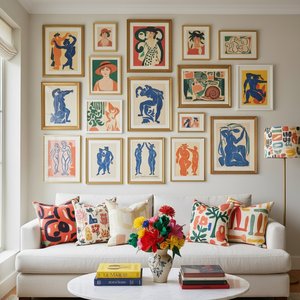
Henri Matisse: I 25 Capolavori Essenziali per Amare l'Arte e Decorare con Stile
Esplora i 25 capolavori di Henri Matisse, il maestro del fauvismo e dei colori vivaci. Scopri la storia, lo stile unico e l'impatto culturale di ogni dipinto. Trova riproduzioni arte di alta qualità per decorare casa tua su OriginalUniqueArt.com.

Il XIX Secolo nell'Arte: 10 Capolavori da Ammirare e Riscoprire
Esplora i 10 capolavori del XIX secolo! Da Manet a Klimt, scopri la storia e l'arte di dipinti iconici. Impressionismo, realismo e romanticismo ti aspettano su OriginalUniqueArt.com. Scopri tutta la collezione online.
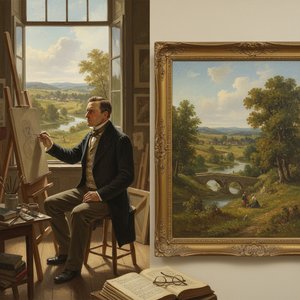
The Poetic Truth of Observation: Exploring 19th-Century Realism in Painting
Explore the captivating world of 19th-century Realism! Discover key artists like Courbet & Millet, masterpieces, and the powerful social commentary behind this influential art movement. Expert insights at OriginalUniqueArt.

I 10 Capolavori del Realismo Romantico che hanno Incantato la Storia dell'Arte
Esplora l'emozione del Realismo Romantico attraverso 10 capolavori senza tempo. Scopri la storia di maestri come Constable e Friedrich e lasciati ispirare da opere iconiche per il tuo arredamento. Trova riproduzioni d'arte di qualità museale su OriginalUniqueArt.com.

The Evocative Embrace of Reality: Exploring Romantic Realism in 19th-Century Painting
Explore the captivating world of Romantic Realism! Discover key artists like Courbet & Millet, masterpieces, and the social context behind this influential art movement. Expert insights for collectors at OriginalUniqueArt.