

 Anteprima in scala reale
 Condividi
 Condividi
 Dettagli

 Scarica
 Articoli simili
 Radiografia
 Slideshow
 Statistiche
The Carrier's Wagon
 Oil On Canvas
- WallArt
- Realism
 1845
1845- 19th Century
 39.0 x 60.0 cm
 Nottingham Castle Museum And Art Gallery
 Leggi tutto
Giclée / Stampe d'arte
Stampa giclée o su tela di qualità museale, con produzione rapida e diverse opzioni di finitura. ( Ordina la riproduzione dipinta a mano Passa all'immagine digitale)




P118B $10

P118H $10

P118W $10

P438Z $10

P508JH $12

P508YH $12

P805H $10

P805Z $10

P919BZ $10

P919G $10

P919XJ $10

P959ZH $10

P968JZ $12

W106C $8

W218G $10

W218JH $8

W218Y $10

W307PJ $10

W316G $10

W316PJ $8

W316Y $10

W398PJ $8

W4111J $10

W500HY $15

W500JH $15

W692G $12

W849H $8

W940BG $15

W953PJ $8




Scegli tra le nostre dimensioni predefinite, che rispettano le proporzioni originali dell'opera d'arte.

È possibile inserire dimensioni personalizzate per adattare l'opera a una cornice o a uno spazio specifico. Se la dimensione selezionata non corrisponde alle proporzioni dell'immagine originale, procederemo al ritaglio dell'opera o all'estensione dell'immagine con un bordo specchiato o a tinta unita. Un mockup digitale ti verrà inviato per approvazione prima dell'inizio della produzione.
Si prega di notare che l'anteprima a schermo non riflette il ritaglio o l'estensione effettivi. Solo il mockup mostrerà accuratamente la composizione finale.
Sebbene siano disponibili dimensioni personalizzate, si raccomanda di selezionare una dimensione dall'elenco predefinito per preservare le proporzioni originali.
Consegna in tutto il mondo () in 2 settimane invece delle normali 4/5 settimane. (15 Settembre)

Spedizione espressa gratuita in tutto il mondo

Tela in lino di alta qualità

Assicurazione completa sulla spedizione

Garanzia di rimborso dei dazi doganali

Garanzia di perfetta fedeltà cromatica

Politica di reso entro 100 giorni (solo per difetti di fabbricazione)

Garanzia di rimborso al 100%

Sconto per acquisti multipli
 L'opzione vetro è disponibile solo per dimensioni inferiori a 110 cm

The Carrier's Wagon
Giclée / Stampe d'arte
Dimensioni della riproduzione
-


Prezzo totale
$ 80
A Window into the Pastoral Soul
In the quietude of 1845, Henry Thomas Dawson captured a moment of profound stillness that continues to resonate with the modern soul. The Carrier's Wagon is not merely a depiction of agricultural labor; it is an evocative window into the rhythmic, unhurried pulse of nineteenth-century rural life. As the viewer gazes upon this oil on canvas, they are immediately transported to a landscape where the boundaries between humanity and nature are beautifully blurred. The scene centers on a man positioned beside a wagon laden with hay, a symbol of the harvest's bounty and the seasonal cycles that governed existence long before the industrial roar. Through Dawson’s masterful hand, the mundane task of transport is elevated to a poetic meditation on stability and the enduring connection to the earth.
The composition breathes with a sense of lived-in reality, utilizing a soft, atmospheric perspective that draws the eye through layers of depth. Two horses, steady and patient, anchor the scene, while distant figures suggest a community woven into the very fabric of the landscape. The sky above, heavy with drifting clouds, provides a dramatic yet serene backdrop, casting a diffused light that softens the edges of the world. This interplay of light and shadow is where Dawson’s true genius lies; he does not merely paint objects, but rather the air that surrounds them, creating a sense of volume and atmosphere that makes the viewer feel as though they could step directly into the field.
The Artistry of Realism and Earthy Elegance
Technically, The Carrier's Wagon serves as a stunning testament to the Realist movement’s influence on British landscape painting. Dawson eschews the overly dramatic flourishes of Romanticism in favor of an honest, truthful depiction of his subject matter. His palette is a sophisticated arrangement of earthy tones—warm ochres, muted greens, and deep umber—which ground the painting in a palpable sense of reality. The brushwork, while precise enough to render the texture of the hay and the sturdy frame of the wagon, retains a soft, painterly quality that prevents the scene from feeling static or clinical.
For the discerning collector or interior designer, this piece offers a unique opportunity to introduce a sense of historical weight and tranquil sophistication into a contemporary space. The painting’s emotional impact lies in its ability to evoke nostalgia for a simpler era, providing a focal point that invites contemplation rather than distraction. Whether placed in a sunlit study or a grand hallway, a high-quality reproduction of this work brings with it the quiet dignity of the English countryside. It is an investment in atmosphere, offering a timeless aesthetic that complements both classical and modern decor, serving as a constant reminder of the beauty found in the humble, everyday moments of our shared history.
Biografia dell'artista
Henry Thomas Dawson: A Master of the British Coast and City
Henry Thomas Dawson (1844-1878) emerges from the rich tapestry of 19th-century British art as a remarkably talented, yet often overlooked, landscape painter. Born in Hull, a bustling port city on the east coast of England, his early life was steeped in the maritime atmosphere that would profoundly shape his artistic vision. Unlike many artists of his era who received formal training at prestigious academies, Dawson’s journey to mastery was largely self-taught, a testament to his innate talent and unwavering dedication. This independent path allowed him to develop a distinctive style—one characterized by a remarkable sensitivity to light, atmosphere, and the subtle nuances of coastal scenes and urban landscapes.
Dawson's artistic development began in Nottingham, where he spent his formative years absorbing the beauty of the surrounding countryside and gaining an early appreciation for the natural world. It was here that he first pursued painting seriously, initially as a means of supplementing his family’s modest income. His early works, often small-scale studies executed with meticulous detail, showcased a burgeoning talent for capturing the essence of his subjects. Crucially, Dawson found inspiration in the work of J.M.W. Turner, whose dynamic brushwork and evocative use of light profoundly influenced his own approach to landscape painting. This influence is particularly evident in his later works, which often feature dramatic skies, shimmering water, and a sense of movement that mirrors Turner’s signature style.
The Marine and Urban Observer
While Dawson's oeuvre encompasses a variety of subjects—including coastal scenes, harbor views, and glimpses of London—he is perhaps most celebrated for his evocative depictions of the British coastline. His paintings of harbors, beaches, and rocky shores are imbued with a palpable sense of atmosphere, capturing the ever-changing moods of the sea and sky. He possessed an extraordinary ability to render the textures of sand, stone, and water with remarkable precision, creating images that feel both immediate and deeply immersive. Beyond the coast, Dawson also developed a keen eye for urban landscapes, particularly those of London. His paintings of the city’s streets, bridges, and buildings offer a unique perspective on Victorian life, capturing the energy and dynamism of this rapidly growing metropolis.
Dawson's artistic practice was marked by a consistent commitment to observation and experimentation. He spent countless hours studying nature, meticulously sketching his subjects in the field before returning to his studio to translate his observations onto canvas. He also embraced new techniques and materials, constantly seeking ways to enhance the expressive power of his art. His work is notable for its use of color—often employing a rich palette of blues, greens, and browns to create a sense of depth and realism. Furthermore, Dawson’s self-taught background fostered an innovative approach to composition and perspective, resulting in paintings that are both technically proficient and visually arresting.
Exhibition and Legacy
Dawson's artistic reputation steadily grew throughout his career, culminating in several successful exhibitions at prestigious venues such as the British Institution, the Royal Academy, and the Liverpool Academy. His works were highly regarded by critics and collectors alike, and he achieved a modest but significant level of commercial success. Despite his talent and recognition, Dawson’s life was tragically cut short at the age of 34, succumbing to illness in Chiswick. His untimely death deprived the art world of a promising artist with a unique vision.
Today, Henry Thomas Dawson's paintings are cherished for their beauty, technical skill, and evocative power. His works offer a valuable glimpse into the artistic sensibilities of 19th-century Britain—a period marked by rapid industrialization, social change, and a growing appreciation for the natural world. His legacy endures through his stunning depictions of the British coast and city, reminding us of the enduring appeal of landscape painting and the transformative power of observation.
Notable Works
- The Harbour, Evening: A masterful depiction of a coastal harbor at dusk, capturing the interplay of light and shadow with remarkable sensitivity.
- London at Sunrise: An atmospheric portrayal of London’s skyline bathed in the golden light of dawn, showcasing Dawson's ability to convey a sense of urban grandeur.
- The Wooden Walls of England: A detailed and evocative painting of a traditional English village, reflecting Dawson’s interest in capturing the beauty of rural life.
Influences
Dawson's artistic development was profoundly shaped by several key influences, most notably J.M.W. Turner. Turner’s dynamic brushwork, atmospheric effects, and exploration of light and color served as a model for Dawson’s own approach to landscape painting. Additionally, Dawson drew inspiration from the works of other British artists, including Constable and Corot.

Henry Thomas Dawson
1844 - 1878 , Regno Unito
Informazioni rapide
- Artistic Movement Or Style: Arte marina e paesaggistica
- Artists Or Movements Influenced By This Artist: ['Romanticismo']
- Artists Who Influenced This Artist: ['Turner']
- Date Of Birth: 1844
- Date Of Death: 1878
- Full Name: Henry Thomas Dawson
- Nationality: Britannico
- Notable Artworks:
- Il Porto, Sera
- Londra all'alba
- Place Of Birth: Hull, Regno Unito
Articoli correlati

Cultivating Visions: A Historical Journey Through Rural Landscapes in Art
Explore the rich history of rural landscape painting with OriginalUniqueArt. Discover Impressionist masterpieces, key artists & movements. Find your perfect serene artwork and bring nature's beauty home.
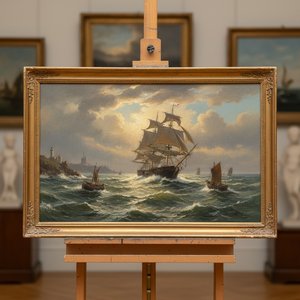
Henry Thomas Dawson: Navigating Light, Sea & Sentiment in Victorian Marine Painting
Explore the captivating world of Henry Thomas Dawson (1811-1878), a master of Victorian marine painting. Discover his evocative coastal scenes, landscapes & lasting artistic legacy. Learn about collecting Dawson's work and find reproductions at OriginalUniqueArt.
Henri Matisse: I 25 Capolavori Essenziali per Amare l'Arte e Decorare con Stile
Esplora i 25 capolavori di Henri Matisse, il maestro del fauvismo e dei colori vivaci. Scopri la storia, lo stile unico e l'impatto culturale di ogni dipinto. Trova riproduzioni arte di alta qualità per decorare casa tua su OriginalUniqueArt.com.

Evoking Nature's Sublime: A Comprehensive Exploration of 19th-Century Landscape Painting
Explore the captivating world of 19th-century landscape painting! Discover renowned artists like Friedrich & Monet, key movements, and find the perfect artwork to bring nature's serenity into your home. Expert insights at OriginalUniqueArt.

John Constable: I 25 Capolavori che Celebrano la Bellezza della Campagna Inglese
Esplora i 25 capolavori di John Constable, il maestro del Romanticismo inglese. Paesaggi suggestivi, luce naturale e colori vibranti ti aspettano. Acquista riproduzioni d'arte di alta qualità su OriginalUniqueArt.com e porta la bellezza della campagna inglese nella tua casa.