 Anteprima in scala reale
 Invia
Invia Condividi
 Dettagli opera
 Guida
Guida

 Scarica
 Simili
 Radiografia
 Slideshow
 Q&A
Q&A Statistiche
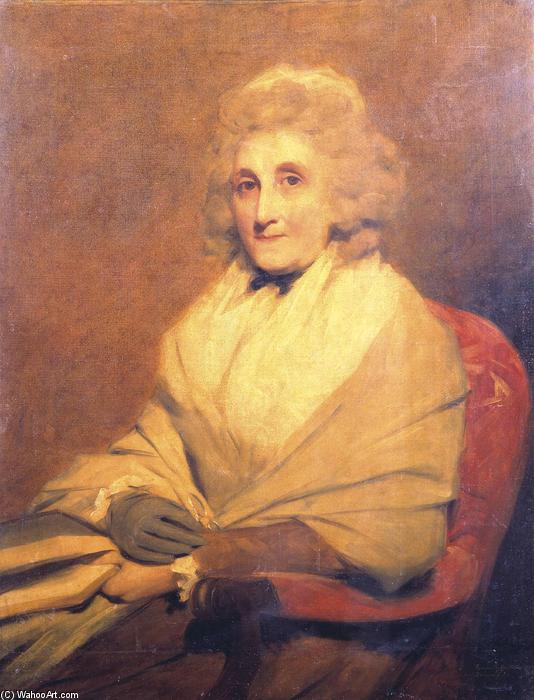
Mrs Cay


 Espandi i dettagli
Ottieni un file pronto per la stampa che supera di gran lunga l'anteprima web. Ogni immagine digitale in vendita proviene da un master ad alta risoluzione del nostro archivio — con una larghezza solitamente compresa tra 5.000 e 15.000 pixel — permettendoti di stampare in grande formato, ritagliare con precisione o riprodurre dettagli minuziosi in totale sicurezza.
Nessun file lascia il nostro studio senza essere stato elaborato. Un esperto digitale verifica la corrispondenza dei colori con il dipinto originale e li corregge se necessario, per poi migliorarne la nitidezza e i dettagli attraverso strumenti di fotoritocco professionale — mantenendo sempre fedeltà alla pennellata e allo stile dell'artista. Il risultato è un'immagine che appare come il dipinto stesso, e non come una scansione filtrata.
L'approvazione avviene prima della conclusione dell'ordine: il nostro esperto invierà l'immagine via e-mail entro 72 ore per la tua revisione. Non sei soddisfatto? Puoi richiedere modifiche o correzioni, oppure un rimborso qualora la qualità non dovesse soddisfare le tue aspettative.
Questa è la qualità su cui fanno affidamento editori, studi di design, gallerie e stamperie.
Immagine Digitale
Scarica un file ad alta risoluzione per uso personale, per la stampa e per progetti creativi. ( Passa alle stampe Acquista il dipinto realizzato a mano)
Incluso in ogni ordine di immagini digitali
Consegna digitale professionale e garantita
Quando scegli OriginalUniqueArt.com, non riceverai solo un'immagine: riceverai un'opera d'arte digitale professionalmente ottimizzata, realizzata con la massima precisione e accompagnata da una garanzia di soddisfazione. Ecco tutto ciò che include il tuo ordine, automaticamente:

Consegna rapida via email
Riceverai il file dell'immagine digitale ad alta risoluzione via email entro 72 ore dall'ordine, pronto per un uso immediato.

File digitale ottimizzato dall'IA
La tua opera d'arte viene ottimizzata professionalmente attraverso l'uso di strumenti avanzati di intelligenza artificiale e una revisione manuale, garantendo il massimo livello di dettaglio, nitidezza e accuratezza cromatica.

Riconsegna gratuita a vita
Hai eliminato o perso accidentalmente il tuo file? Non preoccuparti: te lo invieremo di nuovo in qualsiasi momento, gratuitamente.

Nessun costo di importazione, mai
Goditi la tua opera d'arte istantaneamente senza costi doganali, dazi o spese di spedizione: i download digitali sono sempre esenti da tasse.

Garanzia di fedeltà cromatica
Garantiamo che la tua immagine digitale rifletta i colori originali con la massima fedeltà, grazie all'uso di strumenti professionali e a una gestione accurata del colore.

Garanzia soddisfatti o rimborsati 100 giorni
Se non sei soddisfatto della tua immagine digitale, la revisioneremo o ti rimborseremo il 100% entro 100 giorni, senza domande.

Garanzia di rimborso al 100%
Non sei soddisfatto? Ricevi un rimborso completo entro 100 giorni dal ricevimento del tuo file digitale, senza dover fornire spiegazioni.

Sconti per ordini multipli
Acquista 3 immagini, risparmia il 10% - Acquista 5, risparmia il 15% - Acquista 10+, risparmia il 20%. Ideale per progetti creativi, gallerie e agenzie.
Henry Raeburn: A Scottish Portraitist's Mastery of Light, Character & National Identity
Sir Henry Raeburn (1756–1823) stands as an unparalleled figure in the annals of British portraiture—a testament to artistic vision and unwavering dedication. Born amidst the intellectual fervor of the Scottish Enlightenment, his journey from humble beginnings to royal patronage exemplifies the transformative power of talent and perseverance. Orphaned at a young age, Raeburn’s formative years were shaped by the steadfast support of his brother William, who secured him an education at Heriot's Hospital in Edinburgh—a foundation that would prove instrumental in nurturing his burgeoning artistic inclinations. This early grounding instilled within him a meticulous attention to detail and a profound understanding of observation, qualities that would become hallmarks of his distinctive style. His apprenticeship under James Gilliland, the esteemed goldsmith, honed his technical skills and introduced him to the intricacies of crafting miniature portraits on ivory—a medium favored by discerning collectors and celebrated for its ability to capture subtle nuances of expression. However, Raeburn’s artistic ambitions extended far beyond mere replication; he sought to imbue his canvases with a palpable sense of life, striving to convey not just likeness but also the very essence of his subjects' personalities. This pursuit of psychological realism distinguishes him from many of his contemporaries and elevates his work to a level of enduring artistic merit. The influence of David Martin—Allan Ramsay’s former assistant—further solidified Raeburn’s stylistic trajectory, guiding him toward mastering oil painting techniques that prioritized tonal gradation and atmospheric perspective. He meticulously studied the works of Michelangelo, recognizing the importance of capturing monumental grandeur while simultaneously conveying emotional depth—a lesson that profoundly impacted his artistic sensibilities. Notably, he embraced a revolutionary approach to portraiture by utilizing a technique known as “drawing from life,” painstakingly sketching his subjects before applying paint—a method that ensured unparalleled accuracy and immediacy. Raeburn’s prolific output spanned decades, producing an impressive array of portraits depicting figures from across the spectrum of Scottish society—aristocrats, clergymen, scholars, and statesmen alike. His canvases are imbued with a remarkable sensitivity to light and shadow, skillfully manipulating tonal values to sculpt form and evoke mood. Moreover, Raeburn's compositions often incorporate symbolic elements that reflect his subjects’ virtues or aspirations—a characteristic feature of Neo-classical portraiture that underscores the artist’s intellectual engagement with philosophical ideas. Consider “Mrs Cay,” a captivating depiction of Lady Georgiana Stuart (née Sutherland), commissioned by her husband Robert Stewart, 3rd Earl of Uxbridge. Painted in 1823, shortly before Raeburn's death, this portrait exemplifies his mastery of tonal gradation and psychological observation. The muted palette—dominated by earthy browns and creams—creates a serene atmosphere that subtly conveys Lady Stuart’s dignified composure. Her gaze is direct yet contemplative, hinting at inner thoughts and emotions beyond the surface appearance. The inclusion of a shawl draped around her shoulders adds textural richness to the composition and reinforces the image's sense of intimacy. Raeburn’s meticulous attention to detail—evident in the rendering of Lady Stuart’s hair and clothing—demonstrates his unwavering commitment to artistic excellence. Ultimately, Henry Raeburn’s legacy resides not merely in his technical prowess but also in his profound understanding of human character and his ability to translate complex psychological states onto canvas. His portraits continue to resonate with viewers today, offering glimpses into the lives and sensibilities of a bygone era—a testament to the enduring power of art to illuminate the human condition.- Artist: Henry Raeburn (1756–1823)
- Medium: Oil on Canvas
- Style: Neo-Classical
- Notable Technique: Drawing from Life, Atmospheric Perspective
- Historical Context: Scottish Enlightenment
Symbolism & Emotional Impact
The subdued color palette of “Mrs Cay”—primarily browns and creams—serves to heighten the portrait’s contemplative mood. The careful positioning of Lady Stuart's gaze directs the viewer's attention inward, inviting reflection on her inner thoughts and emotions. Furthermore, the shawl symbolizes warmth and comfort, subtly conveying Lady Stuart’s grace and refinement. Raeburn’s masterful use of tonal gradation sculpts form and creates a sense of depth—enhancing the portrait’s visual impact and capturing the essence of its subject's personality.Technical Considerations
Raeburn’s technique involved painstakingly sketching his subjects from life before applying paint—a method that ensured unparalleled accuracy and immediacy. He meticulously studied Michelangelo’s monumental sculptures, recognizing the importance of conveying grandeur while simultaneously capturing emotional depth. The artist's mastery of oil painting techniques—particularly tonal gradation and atmospheric perspective—contributed significantly to the portrait’s luminous quality and its ability to evoke mood.Legacy & Influence
Henry Raeburn remains a pivotal figure in British art history, celebrated for his innovative approach to portraiture and his unwavering dedication to artistic excellence. His influence can be discerned in subsequent generations of painters who sought to emulate his stylistic vision—solidifying his place as one of Scotland’s most revered artists.Domande e risposte
Qual è l'atmosfera di "Mrs Cay" di Henry Raeburn?
L'atmosfera generale di "Mrs Cay" di Henry Raeburn è Elegant. Il tono descrive l'atmosfera complessiva dell'opera.
Che tipo di opera d'arte è "Mrs Cay" di Henry Raeburn?
"Mrs Cay" è un'opera in WallArt.
È possibile visualizzare un'anteprima in realtà aumentata di "Mrs Cay"?
Puoi visualizzare "Mrs Cay" di Henry Raeburn sulla tua parete grazie alla pagina Anteprima in AR dell'opera, utilizzando la realtà aumentata su un dispositivo compatibile.
Biografia dell'artista
Un pioniere nel suo campo
Sir Henry Raeburn FRSE RA RSA, un pittore scozzese di ritratti, ha lasciato un segno indelebile nel mondo dell'arte con le sue opere affascinanti. Nato il 4 marzo 1756 a Stockbridge, Edimburgo, Scozia, il viaggio artistico di Raeburn è una testimonianza della sua dedizione e passione.Primi anni e formazione
Orfano in giovane età, Raeburn fu sostenuto dal fratello William e posto all'Heriot's Hospital, dove ricevette un'istruzione. All'età di 15 anni, fu apprendista del gioielliere James Gilliland di Edimburgo, affinando le sue abilità nella creazione di gioielli e disegni minuti su avorio.Evoluzione artistica
La transizione di Raeburn dalle miniature alla pittura ad olio fu un punto di svolta nella sua carriera. Acquisì sufficiente competenza per dedicarsi esclusivamente alla pittura, con George Chalmers (1776; Dunfermline Town Hall) che rappresenta il suo ritratto conosciuto più antico.Opere notevoli e associazioni
- Il giovane giocatore di polo di William Bruce Ellis Ranken mette in mostra il talento eccezionale di Raeburn nel catturare movimento ed energia.
- Alexander Allan, una figura di spicco nell'arte scozzese, fu dipinto da Raeburn, evidenziando la sua capacità di catturare l'essenza dei suoi soggetti.
Musei e collezioni
- La Scottish National Gallery (Edimburgo, Scozia) espone opere di Raeburn, tra cui The White Drake di Joseph Crawhall.
- La Frick Collection (New York, Stati Uniti) ospita Alexander Allan, a testimonianza del suo fascino internazionale.
Eredità e impatto
L'influenza di Raeburn sull'arte scozzese è innegabile. La sua dedizione nel catturare l'essenza dei suoi soggetti lo ha reso un pioniere nel mondo della ritrattistica. Come Sir Henry Raeburn FRSE RA RSA, rimane parte integrante del ricco patrimonio artistico della Scozia.- Visualizza altre opere di Sir Henry Raeburn FRSE RA RSA su https://OriginalUniqueArt.com/@/henry-raeburn
- Esplora la Scottish National Gallery (Edimburgo, Scozia) su https://OriginalUniqueArt.com/@@/d3y8vu-william-mctaggart-spring
- Scopri di più sull'arte scozzese su https://en.wikipedia.org/wiki/scottish_art_in_the_eighteenth_century

Henry Raeburn
1756 - 1823 , Regno Unito
Informazioni essenziali
- Artisti Influenti: ['Allan Ramsay']
- Data Di Nascita: 4 marzo 1756
- Luogo Di Nascita: Stockbridge, Regno Unito
- Nazionalità: Scozzese
- Nome Completo: Henry Raeburn
- Opere Notevoli:
- I Tiratori
- Alexander Allan
- The Young Polo Player
- Stile Artistico: Ritrattismo