

 Anteprima in scala reale
 Invia
Invia Condividi
 Dettagli opera

 Scarica immagine
 Simili
 Radiografia
 Slideshow
Henry Mackenzie


 Espandi i dettagli
Giclée / Stampe d'arte
Stampa giclée o su tela di qualità museale, con produzione rapida e diverse opzioni di finitura. ( Acquista il dipinto realizzato a mano Acquista immagine)




P118B $10

P118H $10

P118W $10

P438Z $10

P508JH $12

P508YH $12

P805H $10

P805Z $10

P919BZ $10

P919G $10

P919XJ $10

P959ZH $10

P968JZ $12

W106C $8

W218G $10

W218JH $8

W218Y $10

W307PJ $10

W316G $10

W316PJ $8

W316Y $10

W398PJ $8

W4111J $10

W500HY $15

W500JH $15

W692G $12

W849H $8

W940BG $15

W953PJ $8




Scegli tra le nostre dimensioni predefinite, che rispettano le proporzioni originali dell'opera d'arte.

È possibile inserire dimensioni personalizzate per adattare l'opera a una cornice o a uno spazio specifico. Se la dimensione selezionata non corrisponde alle proporzioni dell'immagine originale, procederemo al ritaglio dell'opera o all'estensione dell'immagine con un bordo specchiato o a tinta unita. Un mockup digitale ti verrà inviato per approvazione prima dell'inizio della produzione.
Si prega di notare che l'anteprima a schermo non riflette il ritaglio o l'estensione effettivi. Solo il mockup mostrerà accuratamente la composizione finale.
Sebbene siano disponibili dimensioni personalizzate, si raccomanda di selezionare una dimensione dall'elenco predefinito per preservare le proporzioni originali.
Consegna in tutto il mondo () in 2 settimane invece delle normali 4/5 settimane. (26 Agosto)

Spedizione espressa gratuita in tutto il mondo

Tela in lino di alta qualità

Assicurazione completa sulla spedizione

Garanzia di rimborso dei dazi doganali

Garanzia di fedeltà cromatica

Politica di reso entro 60 giorni (solo per difetti di fabbricazione)

Garanzia di rimborso al 100%

Offerta per acquisti multipli
 L'opzione vetro è disponibile solo per dimensioni inferiori a 110 cm

Henry Mackenzie
Giclée / Stampe d'arte
Dimensioni riproduzione
-


Prezzo totale calcolato
$ 80
Descrizione del pezzo
A Soul Captured in Shadow: The Emotional Depth of Raeburn’s Henry Mackenzie
To stand before Sir Henry Raeburn’s Henry Mackenzie is to encounter more than a mere likeness; it is to engage in a silent dialogue with the very essence of Romanticism. Completed around 1820, this monumental oil painting serves as a profound testament to the Scottish novelist's celebrated sensitivity. As the author of The Man of Feeling, Mackenzie was a figure synonymous with the exploration of human empathy and the nuances of the heart, and Raeb urn captures this perfectly. The portrait does not simply present a face; it presents a psyche. Through a masterful command of light and shadow, Raeburn transcends the traditional boundaries of portraiture, moving away from the rigid formality of Neoclassicism toward a more intimate, psychological realism that invites the viewer into the subject's contemplative world.
The technical brilliance of the piece lies in its dramatic use of chiaroscuro. Raeburn, a master of sculpting form through contrast, utilizes a deep, mahogany-toned background to push the subject forward, creating an almost three-dimensional presence on the canvas. The light source, appearing to descend from the upper left, strikes Mackenzie’s forehead and cheekbones with surgical precision, highlighting the intellectual vigor behind his gaze. This interplay of brilliance and obscurity does more than define the physical contours of the man; it mirrors the duality of the human condition—the light of reason clashing with the shadows of melancholy. The brushwork, though smooth and meticulously blended to achieve a lifelike skin texture, possesses an underlying energy that breathes life into the heavy fabrics of his attire and the soft curls of his hair.
Symbolism and the Aesthetic of Sentiment
Every element within this composition is steeped in the symbolic language of the Scottish Romantic movement. The subject’s gaze, directed unflinchingly at the observer, establishes a sense of profound dignity and self-assurance. Yet, upon closer inspection, there is an unmistakable trace of melancholy etched into the subtle shading around his eyes. This tension between strength and vulnerability is the hallmark of Raeburn's genius. The dark, minimalist setting strips away the distractions of status or setting, forcing a singular focus on the man’s character. In this way, the painting becomes an emblem of the Enlightenment's transition into Romanticism—a shift from the celebration of external order to the veneration of internal emotion.
For the discerning collector or interior designer, Henry Mackenzie offers a timeless elegance that transcends modern trends. Its monochromatic depth and rich, tonal complexity make it an extraordinary centerpiece for a curated space, particularly in settings that value historical gravity and intellectual sophistication. Whether placed in a private library, a formal study, or a contemporary gallery, this reproduction brings with it the weight of history and the quiet power of a masterpiece. It is not merely a decoration; it is an invitation to reflection, a piece of art that commands respect and inspires a sense of enduring grace.
Biografia dell'artista
Un pioniere nel suo campo
Sir Henry Raeburn FRSE RA RSA, un pittore scozzese di ritratti, ha lasciato un segno indelebile nel mondo dell'arte con le sue opere affascinanti. Nato il 4 marzo 1756 a Stockbridge, Edimburgo, Scozia, il viaggio artistico di Raeburn è una testimonianza della sua dedizione e passione.Primi anni e formazione
Orfano in giovane età, Raeburn fu sostenuto dal fratello William e posto all'Heriot's Hospital, dove ricevette un'istruzione. All'età di 15 anni, fu apprendista del gioielliere James Gilliland di Edimburgo, affinando le sue abilità nella creazione di gioielli e disegni minuti su avorio.Evoluzione artistica
La transizione di Raeburn dalle miniature alla pittura ad olio fu un punto di svolta nella sua carriera. Acquisì sufficiente competenza per dedicarsi esclusivamente alla pittura, con George Chalmers (1776; Dunfermline Town Hall) che rappresenta il suo ritratto conosciuto più antico.Opere notevoli e associazioni
- Il giovane giocatore di polo di William Bruce Ellis Ranken mette in mostra il talento eccezionale di Raeburn nel catturare movimento ed energia.
- Alexander Allan, una figura di spicco nell'arte scozzese, fu dipinto da Raeburn, evidenziando la sua capacità di catturare l'essenza dei suoi soggetti.
Musei e collezioni
- La Scottish National Gallery (Edimburgo, Scozia) espone opere di Raeburn, tra cui The White Drake di Joseph Crawhall.
- La Frick Collection (New York, Stati Uniti) ospita Alexander Allan, a testimonianza del suo fascino internazionale.
Eredità e impatto
L'influenza di Raeburn sull'arte scozzese è innegabile. La sua dedizione nel catturare l'essenza dei suoi soggetti lo ha reso un pioniere nel mondo della ritrattistica. Come Sir Henry Raeburn FRSE RA RSA, rimane parte integrante del ricco patrimonio artistico della Scozia.- Visualizza altre opere di Sir Henry Raeburn FRSE RA RSA su https://OriginalUniqueArt.com/@/henry-raeburn
- Esplora la Scottish National Gallery (Edimburgo, Scozia) su https://OriginalUniqueArt.com/@@/d3y8vu-william-mctaggart-spring
- Scopri di più sull'arte scozzese su https://en.wikipedia.org/wiki/scottish_art_in_the_eighteenth_century

Henry Raeburn
1756 - 1823 , Regno Unito
Dati rapidi
- Artisti Influenti: ['Allan Ramsay']
- Data Di Nascita: 4 marzo 1756
- Luogo Di Nascita: Stockbridge, Regno Unito
- Nazionalità: Scozzese
- Nome Completo: Henry Raeburn
- Opere Notevoli:
- I Tiratori
- Alexander Allan
- The Young Polo Player
- Stile Artistico: Ritrattismo
Articoli correlati
Henri Matisse: I 25 Capolavori Essenziali per Amare l'Arte e Decorare con Stile
Esplora i 25 capolavori di Henri Matisse, il maestro del fauvismo e dei colori vivaci. Scopri la storia, lo stile unico e l'impatto culturale di ogni dipinto. Trova riproduzioni arte di alta qualità per decorare casa tua su OriginalUniqueArt.com.
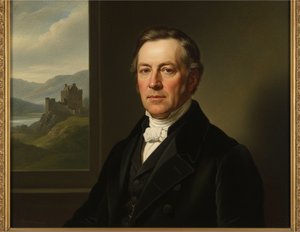
Enrico Raeburn: Luce, Carattere e Identità Nazionale nella Pittura Scozzese dell'Illuminismo
Esplora l'opera di Enrico Raeburn e il contesto dell'Illuminismo scozzese. Analisi approfondita della sua ritrattistica, del ruolo della luce e delle influenze filosofiche che definirono la sua arte.

Henry Raeburn Dobson: A Scottish Colourist Bridging Tradition & Modernity
Explore the life & work of Henry Raeburn Dobson, a key figure bridging Scottish tradition & modern art. Discover his neoclassical portraits, landscapes, and connection to the Colourists. Learn about collecting his works.
Sir John Watson Gordon: A Study in Scottish Landscape Painting & Tonal Impressionism
Explore the captivating portraits of Sir John Watson Gordon, a leading Scottish master. Discover his evolution from neoclassical style to atmospheric Tonalism and influence on 19th-century British art. Learn about his iconic sitters & legacy.

Neoclassical Portraiture: The Timeless Elegance of Order, Grace, and Academic Mastery
Explore the refined world of Neoclassical portraiture. Discover the mastery of line, light, and order through an expert exploration of academic art history, from Jacques-Louis David to Jean-Antoine Houdon. Immerse yourself in the timeless elegance of classical realism.



