 Espandi i dettagli


 Per opere d'arte o riproduzioni con un lato superiore a 105 cm (circa 41 pollici), la cornice verrà spedita in forma di kit smontato. Questo metodo garantisce una consegna sicura e previene danni durante il trasporto.


Maggiori informazioni su questo dipinto
Dimensione testo

() ·
Un dipinto creato per te, a mano
Riproduzione a olio fatta a mano
Olio su tela dipinto a mano nelle tue dimensioni e con la tua cornice, realizzato su ordinazione dai nostri artisti. ( Passa alle stampe Passa all'immagine digitale)
Descrizione del reperto
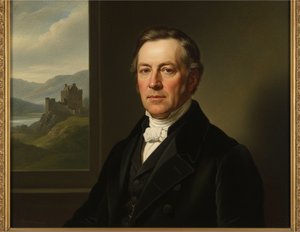
Admire 'Those Were the Days' by Henry Macbeth Raeburn – a poignant 1946 portrait in a muted palette. Explore this realist masterpiece & discover its rich history.
Biografia dell'artista
Scopri i ricami e i design di Henry Macbeth Raeburn! Artista del Glasgow Movement celebre per i vessilli suffragette e l'arte tessile.
da ·
Capitolo 1
Di che dimensioni dovrebbe essere?
Scorri per cambiare la dimensione; l'immagine a sinistra mostra la cornice nella sua larghezza reale. Le proporzioni dell'originale vengono mantenute.
Formato standard
su misura
CM
INCH
Scegli tra le nostre dimensioni predefinite, che rispettano le proporzioni originali dell'opera d'arte.
Caricamento dimensioni...

larghezza
altezza
Inserisci la larghezza e l'altezza desiderate, per adattarle alla tua cornice o alla tua parete. Trattandosi di un'opera dipinta a mano, in caso di dimensioni con un formato differente, l'artista può estendere leggermente il dipinto oltre i bordi dell'immagine o ritagliare una piccola parte — la scelta spetta a te. Ti invieremo un mockup digitale da approvare prima che la realizzazione abbia inizio. L'immagine mostrata in questa pagina non rappresenta il risultato finale — solo il mockup lo fa.
Capitolo 2
Come desideri che venga consegnato?
Scegli il tipo di bordo per la tela tesa
Scegli la tua cornice

Bianco €1

Bordi sfumati €1

Bordi estesi €1

P118B €10

P118H €10

P118W €10

P438Z €10

P508JH €12

P508YH €12

P805H €10

P805Z €10

P919BZ €10

P919G €10

P919XJ €10

P959ZH €10

P968JZ €12

W106C €8

W218G €10

W218JH €8

W218Y €10

W307PJ €10

W316G €10

W316PJ €8

W316Y €10

W398PJ €8

W4111J €10

W500HY €15

W500JH €15

W692G €12

W849H €8

W940BG €15

W953PJ €8

H24-GOLD €30

H24-SILVER €30

H36-GOLD €45

H36-SILVER €45
Con cornice
Cornice: . Dimensioni complessive con cornice: .
Capitolo 3
Chi lo dipinge, e dovrebbe cambiare qualcosa?
Esempi di ciò che può essere modificato: Sostituire il volto con la foto del cliente; Aggiungere un animale domestico (ad es. sostituire il gatto con un cane); Inserire un messaggio nascosto nello sfondo; Cambiare il paesaggio o gli elementi dello sfondo.
Dopo l'ordine, il team di OriginalUniqueArt.com invierà un'e-mail al cliente per le istruzioni e fornirà un'anteprima del mockup
Dopo l'ordine, il team di OriginalUniqueArt.com invierà un'e-mail al cliente per le istruzioni e fornirà un'anteprima del mockup
Consegna in tutto il mondo () in 3/4 settimane anziché nelle normali 5 settimane. (7 Novembre). Nessun compromesso sulla qualità.
Capitolo 4
Le ultime rifiniture
Una targhetta, come quella di un museo?
Dettagli della targhetta in bronzo inciso
This elegant plaque features the artist's name and the title of the artwork, finely engraved for a timeless presentation.
It is made from bronze with a refined, elegant finish. The text is precisely laser-engraved for a sharp and permanent result. Measuring 9x2 cm, the plaque is compact yet easy to read. It's built to be durable and scratch-resistant, offering a professional, museum-quality look. Mounting is simple thanks to the included adhesive backing.
Dettagli della targhetta in acrilico trasparente
The plaque includes essential engraved details such as the artist's name, the title of the artwork, the date it was created, the type of media used-like oil on canvas or watercolor-a brief description of the piece, and a QR code that links to the complete artwork information.
It is crafted from clear acrylic, offering a sleek, modern appearance. The text is UV-engraved in black to ensure strong visual contrast. With a size of 10x15 cm, it ensures optimal readability. It comes equipped with two metal hooks for secure wall mounting. The plaque is designed to be weather-resistant, making it suitable for various environments, and it includes interactive features that work seamlessly with smartphone scanning.
Dettagli della targhetta in acrilico nero
This elegant plaque includes engraved information such as the artist's name, the title of the artwork, the date it was created, the type of media used (like oil on canvas or watercolor), a short description of the artwork, and a QR code for quick access to more information.
The plaque itself is made from refined black acrylic with a premium finish. The text is laser-engraved in white for high contrast and readability. Its size is 10x15 cm, designed to be easy to read. It comes with two metal hooks for professional mounting. The design is sleek and fits any interior style. It is also weather-resistant and durable, with built-in digital integration for mobile compatibility.
Una vernice protettiva?
Quando ti serve?
Capitolo 5
Il tuo dipinto, esattamente come lo hai ordinato
Those Were the Days
Tecnica di riproduzione
Dimensioni riproduzione
-
Artisti di alto livello
Maggiore dettaglio, finezza e tempi di produzione dedicati
-
Cornice per riproduzione
-
-
Per opere d'arte o riproduzioni con un lato superiore a 105 cm (circa 41 pollici), la cornice verrà spedita in forma di kit smontato. Questo metodo garantisce una consegna sicura e previene danni durante il trasporto.
Montaggio professionale richiesto - non è un prodotto fai-da-te.
Il kit deve essere assemblato e la tela tesa da un esperto cornice professionista, utilizzando colla per legno (non inclusa), una pinza per tendere la tela e morsetti per mantenere i listelli in squadra durante l'asciugatura della colla. Un montaggio errato o una tensione non uniforme della tela possono danneggiare permanentemente l'opera d'arte e non sono coperti dalla nostra garanzia.
Tutte le barre in legno massello sono incluse, tagliate con precisione alle dimensioni corrette.
Da assemblare con le viti fornite e con la colla per legno per gli incastri degli angoli, che non è inclusa e dovrà essere reperita dal vostro corniceio.
Sono necessari strumenti professionali non inclusi: una pinza tendicanvas (tenditore) e dei morsetti per mantenere i listelli in squadra durante l'asciugatura della colla.
Importante:
Gli incastri d'angolo richiedono colla per legno, i listelli devono essere mantenuti in posizione con dei morsetti finché la colla non è completamente asciutta, e il tensionamento della tela sulla cornice assemblata richiede una pinza per tendere la tela. Nessuno di questi strumenti è incluso nel kit. Si prega di consultare un incorniciatore professionista esperto prima di ordinare questa misura.
Didascalia
-
-
Vernice protettiva
Vernice lucida (esalta i colori, protegge da luce e umidità)
-
Personalizza la mia opera
Esempi di personalizzazione: sostituire il volto con una foto del cliente; aggiungere un animale domestico (ad esempio, sostituire un gatto con un cane); inserire un messaggio nascosto nello sfondo; cambiare il paesaggio o gli elementi dello sfondo.
-
Consegna rapida
Consegna in tutto il mondo () in 3/4 settimane anziché nelle normali 5 settimane. (7 Novembre). Nessun compromesso sulla qualità.
-
Spedizione espressa
Spedizione in tutto il mondo () in 5 settimane. (14 Novembre).
Spedizione inclusa
Prezzo finale calcolato
€ 268
L'opzione vetro è disponibile solo per dimensioni inferiori a 110 cm
Incluso in ogni ordine
- Spedizione espressa gratuita in tutto il mondo
- Tela in lino di alta qualità
- Assicurazione completa sulla spedizione
- Garanzia di rimborso dei dazi doganali
- Garanzia di fedeltà cromatica assoluta
- Politica di reso entro 100 giorni (solo per difetti di fabbricazione)
- Garanzia di rimborso al 100%
- Offerta per acquisti multipli
 Anteprima in scala reale
 Invia
Invia Condividi
 Dettagli opera
 Guida
Guida

 Scarica
 Simili
 Radiografia
 Slideshow
 Domande e risposte
 Statistiche
In numeri
- 1946l'anno in cui è stata dipinta
- 29cornici tra cui scegliere
- dimensioni standard, nelle proprie proporzioni
- 5settimane per la realizzazione e la consegna
Informazioni sull'originale

- 92.0 x 61.0 cm


Henry Macbeth Raeburn
1860 - 1947, Scozia
Informazioni rapide su Henry Macbeth Raeburn
- Artistic Movement Or Style: Glasgow Movement
- Artists Or Movements Influenced By This Artist:
- Margaret MacDonald
- Charles Rennie Mackintosh
- Artists Who Influenced This Artist: ['Henry Raeburn']
- Date Of Birth: 1860
- Date Of Death: 1947
- Full Name: Henry Macbeth-Raeburn
- Nationality: Britannico
- Notable Artworks:
- Sir John Sinclair
- Dr Nathaniel Spens
- Place Of Birth: Helensburgh, Scozia
Biografia dell'artista
Henry Macbeth Raeburn: Un Maestro del Movimento di Glasgow tra Luce e Linea
Henry Macbeth Raeburn (1860-1947) si staglia come una figura di silenziosa importanza all'interno del vibrante arazzo dell'arte britannica tra la fine del XIX e l'inizio del XX secolo. Nato a Helensburgh, in Scozia, in una stirpe artistica che risale a Norman Macbeth, celebre ritrattista, il percorso di Henry fu un cammino di dedizione artigianale, evolvendosi da studente della Royal Academy a stimato incisore profondamente legato al Movimento di Glasgow. La sua opera, spesso caratterizzata da un dettaglio meticoloso e da un uso sottile ma potente di luci e ombre, riflette sia la sua formazione accademica sia il suo coinvolgimento nello spirito innovativo del suo tempo.
La giovinezza offrì a Henry un'immediata immersione nella pratica artistica. La professione del padre come ingegnere meccanico gli instillò un occhio acuto per la precisione, mentre l'eredità artistica della sua famiglia — che comprendeva lo zio Robert Walker Macbeth e il nonno Norman Macbeth — favorì un profondo apprezzamento per le arti visive. Iniziò la sua formazione formale presso la Glasgow School of Art, assorbendo le influenze di maestri come William Cruikshank e sviluppando uno stile distintivo capace di fondere il rigore accademico con un crescente interesse per le tendenze contemporanee. Fondamentale fu la scelta di adottare "Macbeth-Raeburn" come cognome, una decisione deliberata per onorare il suo idolo artistico, Henry Raeburn, e per distinguersi all'interno del consolidato cerchio artistico della sua famiglia.
Il Movimento di Glasgow e l'Ascesa dell'Incisore
La carriera di Henry Macbeth Raeburn fiorì pienamente durante la sua associazione con il Movimento di Glasgow, un collettivo di artisti, designer e artigiani gravitante attorno a Charles Rennie Mackintosh e Margaret MacDonald. Questo movimento cercava di rivitalizzare il design britannico attraverso una sintesi di maestria artigianale, funzionalità ed espressione artistica, rifiutando l'estetica vittoriana prevalente in favore di un approccio più moderno e democratico. L'opera di Macbeth Raeburn divenne indissolubilmente legata a questo ethos, in particolare attraverso i suoi contributi alla produzione degli stendardi delle suffragette per la Women's Social and Political Union. Questi disegni audaci e grafici — caratterizzati da immagini d'impatto e messaggi potenti — dimostrarono il suo impegno verso le cause sociali e misero in luce le sue crescenti abilità nell'incisione riproduttiva.
Il suo coinvolgimento andò ben oltre la semplice decorazione; egli insegnò attivamente ricamo alla Glasgow School of Art, diffondendo tecniche innovative e sostenendo un cambiamento nella percezione dell'artigianato. Promosse l'uso di materiali umili come il cotone e il lino, sostenendo che la bellezza potesse essere rinvenuta non solo in tessuti lussuosi, ma anche nella sapiente manipolazione di risorse quotidiane. Questa filosofia rifletteva un movimento più ampio verso l'accessibilità e l'inclusività all'interno del mondo dell'arte.
Tecnica e Soggetti
La maestria tecnica di Macbeth Raeburn è immediatamente evidente nelle sue stampe, che dimostrano un controllo straordinario delle tecniche di mezzotinto e acquaforte. Egli renderizzava i dettagli con una precisione encomiabile, catturando sfumature sottili di luce e consistenza. I suoi soggetti spaziavano dai ritratti — spesso ispirati alle opere dello stesso Henry Raebello — a scene di paesaggi scozzesi e figure storiche. Un elemento chiave del suo stile era la capacità di evocare atmosfere attraverso una cura meticolosa dei valori tonali e del peso della linea. Utilizzava frequentemente una tavolozza limitata, privilegiando la chiarezza e l'impatto rispetto all'eccesso cromatico.
La sua ritrattistica, in particolare, rivela un'astuta comprensione del carattere e della profondità psicologica. Piuttosto che limitarsi a replicare le apparenze superficiali, egli cercava di catturare l'essenza dei suoi soggetti: le loro personalità, le emozioni e la loro vita interiore. Ciò è evidente in opere come la sua stampa ispirata al "Dr. Nathaniel Spens" di Raeburn, dove Macbeth Raeburn tradusse abilmente il magistrale uso della luce e dell'ombra del maestro in un medium contemporaneo.
Eredità e Riconoscimento
Nonostante abbia spesso lavorato dietro le quinte, Henry Macbeth Raeburn ottenne un considerevole riconoscimento durante la sua vita. Fu eletto Associato della Royal Academy nel 1922 e membro effettivo nel 1933, consolidando il suo posto nel prestigioso panorama artistico britannico. Le sue opere sono state esposte in istituzioni rinomate, tra cui la Royal Academy e l'Ipswich Art Club, e sono oggi conservate in collezioni prestigiose come il British Museum. La sua influenza è visibile nelle opere delle generazioni successive di incisori e designer, specialmente in quelli legati al Movimento di Glasgow.
Oggi, l'eredità di Henry Macbeth Raeburn perdura come testimonianza della forza della dedizione, dell'innovazione e dell'impegno sociale. Le sue stampe meticolose offrono una finestra su un periodo affascinante della storia dell'arte britannica: un'epoca di sperimentazione, riforma e di rinnovato apprezzamento per la bellezza del saper fare artigiano.
Articoli correlati

Henry Raeburn Dobson: A Scottish Colourist Bridging Tradition & Modernity
Explore the life & work of Henry Raeburn Dobson, a key figure bridging Scottish tradition & modern art. Discover his neoclassical portraits, landscapes, and connection to the Colourists. Learn about collecting his works.

L’Essenza dell’Olio su Tela: Storia, Tecnica e l'Incorruttibile Bellezza dei Grandi Maestri
Scopri i segreti tecnici e la storia della pittura a olio tra maestria e scienza. Approfondisci l'arte dei grandi maestri ora.
Enrico Raeburn: Luce, Carattere e Identità Nazionale nella Pittura Scozzese dell'Illuminismo
Esplora l'opera di Enrico Raeburn e il contesto dell'Illuminismo scozzese. Analisi approfondita della sua ritrattistica, del ruolo della luce e delle influenze filosofiche che definirono la sua arte.

Esplosione di Colore: I 25 Capolavori Imperdibili di Henri Matisse
Scopri i 25 capolavori di Henri Matisse e l'energia del Fauvismo. Esplora la collezione su OriginalUniqueArt.com.