
 Anteprima in scala reale
 Invia
Invia Condividi
 Dettagli opera
 Guida
Guida

 Scarica
 Simili
 Radiografia
 Slideshow
 Domande e risposte
 Statistiche
The Overhaul

- 51.0 x 61.0 cm


 Espandi i dettagli
L'opera d'arte visualizzata in questa pagina è protetta dalle leggi sul diritto d'autore, il che significa che non possiamo legalmente creare o vendere una riproduzione identica. Tale protezione è garantita da accordi internazionali quali la Convenzione di Berna e dalle leggi nazionali, incluse quelle stabilite da Legge sul copyright degli Stati Uniti - Titolo 17. Tutti i diritti riservati. Le immagini presenti su questo sito sono protette da copyright e non possono essere riprodotte o utilizzate senza l'autorizzazione scritta di WahooArt.com o dei rispettivi proprietari del copyright.
Questo metodo è pienamente conforme alle normative sul diritto d'autore poiché non prevede la copia o la duplicazione dell'opera protetta. Si tratta invece di una rielaborazione creativa: un nuovo dipinto che trae ispirazione dall'originale, senza tuttavia esserne identico.
Giclée / Stampe d'arte
Stampa giclée o su tela di qualità museale, con produzione rapida e diverse opzioni di finitura. ( Acquista il dipinto realizzato a mano Passa all'immagine digitale)




P118B €10

P118H €10

P118W €10

P438Z €10

P508JH €12

P508YH €12

P805H €10

P805Z €10

P919BZ €10

P919G €10

P919XJ €10

P959ZH €10

P968JZ €12

W106C €8

W218G €10

W218JH €8

W218Y €10

W307PJ €10

W316G €10

W316PJ €8

W316Y €10

W398PJ €8

W4111J €10

W500HY €15

W500JH €15

W692G €12

W849H €8

W940BG €15

W953PJ €8




Scegli tra le nostre dimensioni predefinite, che rispettano le proporzioni originali dell'opera d'arte.

Inserisci la larghezza e l'altezza desiderate, per adattarle alla tua cornice o alla tua parete. Una stampa può essere solo ritagliata, mai resa più grande dell'immagine originale; pertanto, un formato con una forma differente comporterà la perdita di una parte dell'opera. Ti invieremo un mockup digitale da approvare prima di procedere con la stampa. L'immagine mostrata in questa pagina non rappresenta il ritaglio reale — solo il mockup lo mostra.
Consegna in tutto il mondo () in 2 settimane invece delle normali 4/5 settimane. (5 Novembre)

Spedizione espressa gratuita in tutto il mondo

Tela in lino di alta qualità

Assicurazione completa sulla spedizione

Garanzia di rimborso dei dazi doganali

Garanzia di fedeltà cromatica assoluta

Politica di reso entro 100 giorni (solo per difetti di fabbricazione)

Garanzia di rimborso al 100%

Offerta per acquisti multipli
 L'opzione vetro è disponibile solo per dimensioni inferiori a 110 cm

The Overhaul
Giclée / Stampe d'arte
Dimensioni riproduzione
-


Prezzo finale calcolato
€ 72
A Symphony of Industry and Human Effort
In the evocative oil painting The Overhaul, created in 1941 by the versatile Henry Lamb, we are transported into the heart of a bustling hangar, where the raw energy of wartime industry meets the meticulous precision of human skill. The scene captures a group of mechanics deeply immersed in the complex task of tending to the engine and fuselage of an early aircraft. There is a profound sense of movement within this static frame; the composition is masterfully dynamic, drawing the viewer’s eye through the overlapping figures and the receding planes of the workshop. As we look down upon the scene from a slightly elevated perspective, we feel less like distant observers and more like silent witnesses to a pivotal moment of technological maintenance and preparation.
Lamb utilizes a sophisticated interplay of light and shadow to breathe life into this industrial landscape. A dramatic light source, positioned unseen above and to the left, casts long, purposeful shadows that define the muscularity of the men and the heavy, geometric forms of the machinery. The color palette is a soulful arrangement of earthy tones—deep browns, warm ochres, and muted greens—interspersed with subtle grays and yellows. This choice of color not only anchors the painting in its historical reality but also lends a tactile, weathered quality to the surfaces of metal and fabric, making the atmosphere feel thick with the scent of oil and the weight of heavy labor.
The Artistry of Detail and Texture
Technically, The Overhaul is a triumph of realistic rendering and expressive brushwork. Lamb does not merely paint shapes; he builds textures. Through the careful layering of paint, he achieves a palpable sense of materiality, from the cold, hard surfaces of the propeller and engine components to the softer, more organic textures of the mechanics' clothing. The use of linear perspective is particularly striking in the depiction of the aircraft’s supports and the hangar walls, creating a deep, immersive space that pulls the viewer into the cluttered, fascinating environment of the workshop.
The artist’s hand is visible in every stroke, providing a rhythmic quality to the work that mirrors the industriousness of the subject matter. The geometric precision of the circular propeller and rectangular fuselage contrasts beautifully with the more fluid, organic forms of the human figures, creating a visual tension between man and machine. This technical mastery ensures that the painting remains captivating upon close inspection, revealing new layers of detail and light with every glance.
A Legacy of Progress and Resilience
Beyond its aesthetic brilliance, The Overhaul serves as a poignant historical document. Painted during the height of the Second World War, it captures the spirit of an era defined by rapid technological advancement and the monumental effort required to sustain it. Symbolically, the painting transcends its specific subject matter to represent the broader themes of progress, industrialization, and the indomitable nature of human ingenuity. The focused activity of the mechanics becomes a metaphor for the collective resilience of a society working toward a common goal.
For the discerning collector or interior designer, this piece offers more than just visual beauty; it provides an emotional anchor. It is a work that commands attention through its gravity and scale, making it an ideal centerpiece for spaces that value historical depth and a sense of strength. Whether displayed in a contemporary gallery setting or a classic study, The Overhaul invites contemplation on the intersection of human labor and the machines that define our modern age, leaving an indelible impression of focused, purposeful energy.
Domande e risposte
Quale soggetto e quale atmosfera si incontrano in "The Overhaul" di Henry Lamb?
"The Overhaul" mostra wartime industry, aircraft mechanics, industrial labor, engineering progress, vintage aviation, workshop scene, american history, e l'atmosfera che ne scaturisce è Industrial.
Cosa rappresenta "The Overhaul" di Henry Lamb?
"The Overhaul" di Henry Lamb raffigura: wartime industry, aircraft mechanics, industrial labor, engineering progress, vintage aviation, workshop scene, american history.
Quanto è marcato il contrasto in "The Overhaul" di Henry Lamb?
Il contrasto chiaroscurale di "The Overhaul" è registrato come Gentle. Il contrasto descrive quanto marcata sia la differenza tra le aree chiare e quelle scure.
Biografia dell'artista
Primi Anni e Formazione
- Nascita: Henry Taylor Lamb, 21 giugno 1883, Adelaide, Australia
- Morte: 8 ottobre 1960 (all'età di 77 anni), Salisbury, Wiltshire, Inghilterra
- Genitori: Sir Horace Lamb (Professore di Matematica all’Università di Adelaide)
- Istruzione: Manchester Grammar School, Manchester University Medical School, Guy’s Hospital, Chelsea School of Art, Académie de La Palette (Parigi)
- La sua vita iniziale fu significativamente plasmata dalla carriera accademica del padre e dal trasferimento della famiglia in Inghilterra. Abbandonò la medicina nel 1906 per dedicarsi alla pittura. Studiò sotto Augustus John al Chelsea School of Art. Il suo periodo all'Académie de la Palette lo espose a influenze cubiste iniziali.
Carriera Artistica e Influenze
- Stile Iniziale: Inizialmente influenzato dall’Impressionismo, lo stile di Lamb si evolse verso un più espressivo Post-Impressionismo.
- Relazioni Chiave: Sposò Nina Forrest (poi Euphemia Lamb) nel 1906; successivamente sposò Lady Pansy Pakenham nel 1928. Le sue relazioni ebbero un impatto significativo sulla sua vita e sulla sua produzione artistica.
- Camden Town Group & London Group: Membro fondatore di entrambi i gruppi, dimostrando il suo impegno verso i movimenti artistici d'avanguardia in Gran Bretagna. Queste affiliazioni lo posero all’interno di un circolo di artisti influenti che esploravano il modernismo.
- Influenze: Augustus John fu una grande influenza, evidente nello stile ritrattistico di Lamb. La prima esposizione a idee cubiste all'Académie de la Palette plasmò il suo approccio alla forma e alla prospettiva.
- Opere Notabili: Death of a Peasant (c. 1910) è considerata la sua opera più famosa, che mostra la sua capacità di catturare emozioni grezze e realismo. Altre opere significative includono ritratti di Lytton Strachey e vari personaggi militari durante la Prima Guerra Mondiale.
La Prima Guerra Mondiale e l'Arte Bellica
- Servizio Militare: Si qualificò come medico e prestò servizio nel Royal Army Medical Corps durante la prima guerra mondiale, sperimentando il servizio attivo sul fronte occidentale e in Palestina. Gli fu conferita la Military Cross per il suo coraggio.
- Artista Bellico: Fu incaricato dal British War Memorials Committee di creare Irish Troops in Judaean Hills Surprised by a Turkish Bombardment (1919), ora ospitato nell'Imperial War Museum.
- Ulteriori Incarichi Bellici: Fu nominato artista bellico a tempo pieno presso il War Office nel 1940, producendo numerosi ritratti e dipinti di figure di militari uomini e donne durante la Seconda Guerra Mondiale. Queste opere documentarono le realtà della vita in tempo di guerra con sensibilità e abilità.
Stile ed Eredità
- Ritrattistica: Lamb è particolarmente noto per il suo distinto stile ritrattistico, caratterizzato da figure allungate, pennellate espressive e un focus sulla cattura della profondità psicologica. I suoi ritratti spesso trasmettono un senso di intensa introspezione silenziosa.
- Post-Impressionismo & Realismo: Pur essendo influenzato dalle tecniche post-impressioniste, l'opera di Lamb dimostra anche un forte impegno per il realismo, in particolare nelle sue raffigurazioni di soggetti militari.
- Membri della Royal Academy: Eletto Associato della Royal Academy nel 1940 e membro a pieno titolo nel 1949, a significare il riconoscimento del mondo artistico consolidato.
- Ruoli di Amministratore: Ha ricoperto il ruolo di amministratore della National Portrait Gallery (1942-?) e della Tate Gallery (1944-1951), dimostrando il suo impegno nella promozione dell'arte britannica.
- Significato Storico: L’opera di Lamb fornisce preziose informazioni sulla società britannica all'inizio del XX secolo, in particolare attraverso i suoi ritratti di figure importanti e la sua documentazione delle esperienze belliche. I suoi contributi al Camden Town Group e al London Group hanno contribuito a plasmare lo sviluppo dell'arte moderna britannica.

Henry Lamb
1883 - 1960 , Australia
Dettagli rapidi
- Artistic Movement Or Style: Post-Impressionismo
- Artists Who Influenced This Artist: ['Augustus John']
- Date Of Birth: 21 giugno 1883
- Date Of Death: 8 ottobre 1960
- Full Name: Henry Taylor Lamb
- Nationality: Britannico
- Notable Artworks:
- Death of a Peasant
- Irish Troops in Judaean Hills
- Sergeant Watts, Royal Tank Regiment
- The Poor Bloody Infantry
- Place Of Birth: Adelaide, Australia
Articoli correlati
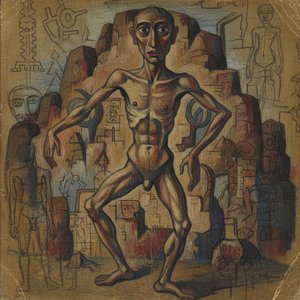
Henry Lamb: Reassessing Modern British Primitivism & the Poetics of Discomfort
Explore the compelling work of Henry Lamb, a key figure in British Primitivism. Discover his unsettling portraits, poignant war art & unique artistic vision. A deep dive into his life and legacy.

Esplosione di Colore: I 25 Capolavori Imperdibili di Henri Matisse
Scopri i 25 capolavori di Henri Matisse e l'energia del Fauvismo. Esplora la collezione su OriginalUniqueArt.com.

The Enduring Legacy of Oil on Canvas: Technique, History & Aesthetic Impact
Explore the rich history & techniques of oil painting – from Renaissance masters to Impressionism. Discover pigments, layering methods, and why this timeless medium endures. Expert insights for artists & art enthusiasts.

L’Essenza dell’Olio su Tela: Storia, Tecnica e l'Incorruttibile Bellezza dei Grandi Maestri
Scopri i segreti tecnici e la storia della pittura a olio tra maestria e scienza. Approfondisci l'arte dei grandi maestri ora.

The Enduring Power of Painting: A Historical & Contemporary Exploration of Form and Emotion
Explore the rich history & enduring techniques of oil painting with OriginalUniqueArt. Discover masterpieces, learn about art collecting, and find authentic handmade reproductions crafted by skilled artists.


