

 Anteprima in scala reale
 Condividi
 Condividi
 Dettagli

 Scarica
 Articoli simili
 Radiografia
 Slideshow
 Statistiche
En Barque
 Oil On Panel
- Post-Impressionism
 1897
1897- 19th Century
 20.0 x 18.0 cm
 Leggi tutto
Riproduzione a olio fatta a mano
Olio su tela dipinto a mano nelle tue dimensioni e con la tua cornice, realizzato su ordinazione dai nostri artisti. ( Passa alle stampe Passa all'immagine digitale)




P118B $10

P118H $10

P118W $10

P438Z $10

P508JH $12

P508YH $12

P805H $10

P805Z $10

P919BZ $10

P919G $10

P919XJ $10

P959ZH $10

P968JZ $12

W106C $8

W218G $10

W218JH $8

W218Y $10

W307PJ $10

W316G $10

W316PJ $8

W316Y $10

W398PJ $8

W4111J $10

W500HY $15

W500JH $15

W692G $12

W849H $8

W940BG $15

W953PJ $8




Scegli tra le nostre dimensioni predefinite, che rispettano le proporzioni originali dell'opera d'arte.

È possibile inserire dimensioni personalizzate per adattare l'opera a una cornice o a uno spazio specifico. Se la dimensione selezionata non corrisponde alle proporzioni dell'immagine originale, provvederemo a ritagliare l'opera o a estendere il dipinto con elementi aggiuntivi dipinti a mano. Un mockup digitale ti sarà inviato per approvazione prima dell'inizio della produzione.
Si prega di notare che l'anteprima a schermo non riflette il ritaglio o l'estensione effettivi. Solo il mockup mostrerà accuratamente la composizione finale.
Sebbene siano disponibili dimensioni personalizzate, consigliamo di selezionare una dimensione dall'elenco predefinito per preservare le proporzioni originali.
Dopo l'ordine, il team di OriginalUniqueArt.com contatterà il cliente via e-mail per ricevere le istruzioni e fornirà un'anteprima del mockup
Consegna in tutto il mondo () in 3/4 settimane anziché nelle normali 5 settimane. (13 Settembre). Nessun compromesso sulla qualità.

Spedizione espressa gratuita in tutto il mondo

Tela in lino di alta qualità

Assicurazione completa sulla spedizione

Garanzia di rimborso dei dazi doganali

Garanzia di perfetta fedeltà cromatica

Politica di reso entro 100 giorni (solo per difetti di fabbricazione)

Garanzia di rimborso al 100%

Sconto per acquisti multipli
 L'opzione vetro è disponibile solo per dimensioni inferiori a 110 cm

En Barque
Tecnica di riproduzione
Dimensioni della riproduzione
-


Prezzo totale
$ 300
A Serene Voyage Through Light and Tenderness
In the delicate dance of light and water, Henri Lebasque’s 1897 masterpiece, En Barque, offers a profound window into the quiet joys of human connection. This intimate oil on panel captures a fleeting, sun-drenched moment where time seems to suspend itself upon the gentle ripples of a river or lake. At the heart of the composition, a woman cradles her child within the modest confines of a boat, her presence anchored by a charming hat that lends an air of leisurely elegance to the scene. The painting does more than merely depict a landscape; it invites the viewer into a sanctuary of maternal peace, where the soft movement of the vessel mirrors the rhythmic breathing of a sleeping infant.
The technical mastery of Lebasque is evident in his ability to manipulate the medium to evoke atmosphere. As a practitioner deeply influenced by the Post-Impressionist movement, Lebasque moves beyond the purely naturalistic observations of his predecessors. Instead, he employs a palette that celebrates the luminosity of the French countryside, using subtle transitions of color to suggest the shimmering reflection of light on the water's surface. The brushwork, while controlled, possesses a vitality that breathes life into the figures, ensuring that the mother and child are not merely subjects, but the emotional pulse of the entire work. This delicate balance between form and feeling makes the piece an exquisite example of how color can be used to communicate warmth and security.
The Poetic Resonance of Post-Impressionist Intimacy
To understand En Barque is to understand the spirit of late 19th-century France, a period where artists sought to capture the emotional essence of everyday life. While contemporaries like Vincent van Gogh or Pablo Picasso were exploring more radical distortions of form, Lebasque found his strength in the "painter of joy" tradition, focusing on the sublime beauty found in domestic tranquility. The presence of a solitary figure in the background, detached from the central embrace, serves as a brilliant compositional device; it provides depth to the environment and emphasizes the private, sacred bubble inhabited by the mother and child. This layering of space creates a sense of voyeuristic tenderness, as if we are witnessing a precious, unrepeatable moment of grace.
For the discerning collector or interior designer, this artwork serves as a sophisticated focal point that radiates tranquility. Its small-scale intimacy—measuring just 20 x 18 cm—belies its immense emotional weight, making it an ideal selection for curated collections or as a soulful accent in a serene living space. A high-quality reproduction of this piece brings not just the aesthetic of the Belle Époque into a home, but a lasting sense of calm. It is a work that rewards prolonged contemplation, offering a rhythmic escape into a world where the only movement is the gentle sway of a boat and the only sound is the soft whisper of the water against the wood.
Biografia dell'artista
La Vita e l'Educazione di Henri Lebasque
Henri Lebasque, pittore post-impressionista francese, nacque il 25 settembre 1865 a Champigné (Maine-et-Loire), in Francia. La sua formazione artistica iniziale ebbe luogo presso la École Régionale des Beaux-Arts d'Angers. Nel 1886, Lebasque si trasferì a Parigi, dove continuò i suoi studi sotto la guida di Léon Bonnat.Influenze Artistiche e Associazioni
L’opera di Lebasque fu profondamente influenzata dalle sue associazioni con artisti di spicco dell'epoca, tra cui Camille Pissarro e Auguste Renoir. Il contatto con pittori più giovani come Édouard Vuillard e Pierre Bonnard ebbe un impatto significativo sul suo stile. Lebasque fece parte del gruppo dei Nabis, che enfatizzava la calma e la quietezza delle scene domestiche. Questo movimento si concentrava sulla creazione di atmosfere intime e contemplative attraverso l'uso di colori piatti e forme semplificate.Evoluzione Stilistica e Temi Principali
Lo stile di Lebasque si evolse nel corso della sua carriera, pur mantenendo una coerenza nella sua attenzione per la vita quotidiana e i momenti fugaci. Inizialmente influenzato dall'impressionismo, Lebasque sviluppò un linguaggio pittorico più personale, caratterizzato da pennellate ampie e vibranti, colori luminosi e una sensibilità particolare per la luce naturale. I suoi soggetti prediletti includevano scene di interni domestici, ritratti di familiari e amici, paesaggi urbani e costieri, spesso raffigurati con un'atmosfera intima e serena. Lebasque era particolarmente abile nel catturare l’essenza della vita borghese francese alla fine del XIX e all'inizio del XX secolo.Opere Significative ed Esposizioni
Tra le opere più note di Lebasque si annoverano:- La Cigarette, 1921; Musée d’Art et d’Industrie de Roubaix
- The Quay at St Pierre in Cannes sous la lampe, 1904; Museum of Fine Arts of Nancy
- Una Joven en el Bosque, 1897; Museo de Arte de Ponce
Collezioni Museali ed Eredità
Le opere di Lebasque sono rappresentate in importanti musei francesi, tra cui:- Musée d’Orsay (Parigi)
- Musée des Beaux-Arts (Lille)
- Petit Palais (Ginevra)

Henri Lebasque
1865 - 1937 , Francia
Informazioni rapide
- Artistic Movement Or Style: Post-Impressionismo
- Artists Who Influenced This Artist:
- Camille Pissarro
- Auguste Renoir
- Édouard Vuillard
- Pierre Bonnard
- Date Of Birth: 25 settembre 1865
- Date Of Death: 7 agosto 1937
- Full Name: Henri Lebasque
- Nationality: Francese
- Notable Artworks:
- La Cigarette, 1921
- The Quay at St Pierre in Cannes
- Sous la Lampe, 1904
- Una Joven en el Bosque, 1897
- Place Of Birth (City And Country): Champigny-sur-Marne, Francia
Articoli correlati

Serene Waters: A Curated Journey Through the World's Most Iconic Water Lily Masterpieces
Embark on a visual journey through Claude Monet's most iconic water lily masterpieces. Discover the profound beauty of Impressionism, explore the evolution of Giverny's light, and learn how to bring these serene, museum-quality landscapes into your private collection.

Le Barche nell'Arte: 10 Capolavori per un Viaggio Visivo Unico
Scopri 10 capolavori dell'arte che celebrano le barche! Da Monet a Manet, esplora la storia, i colori e il simbolismo di opere iconiche. Trova riproduzioni artistiche di alta qualità per decorare casa tua su OriginalUniqueArt.com.
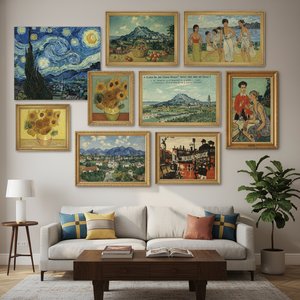
I 10 Capolavori Post-Impressionisti che Hanno Rivoluzionato l'Arte e la Decorazione d'Interni
Esplora i 10 capolavori del Post-Impressionismo con Van Gogh, Monet e Cézanne. Scopri le storie dietro questi dipinti iconici e lasciati ispirare per la tua decorazione d'interni. Stampe su tela di alta qualità su !
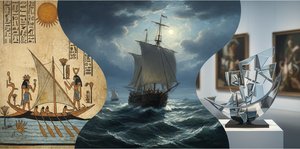
Navigating Symbolism & Sentiment: A Comprehensive Exploration of Boats in Art History
Explore the rich history of boats in art! Discover symbolism & style from ancient myths to Impressionist masterpieces. Expert insights for collectors at OriginalUniqueArt.
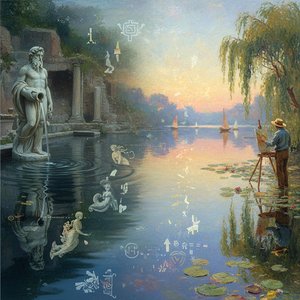
Fluid Reflections: Exploring Water's Symbolism in Art History – From Myth to Impressionism
Explore the rich symbolism of water in art history – from ancient myths to Impressionism's fleeting beauty. Discover masterpieces & find your perfect serene artwork with OriginalUniqueArt.com.

