

 Anteprima in scala reale
 Condividi
 Condividi
 Dettagli
 Guida stampabile

 Scarica
 Articoli simili
 Radiografia
 Slideshow
 Statistiche
Minerva
 Oil On Panel
- WallArt
- Northern Mannerism
 1611
1611- Early Modern
 214.0 x 120.0 cm
 Frans Halsmuseum
 Leggi tutto
Giclée / Stampe d'arte
Stampa giclée o su tela di qualità museale, con produzione rapida e diverse opzioni di finitura. ( Ordina la riproduzione dipinta a mano Passa all'immagine digitale)




P118B €10

P118H €10

P118W €10

P438Z €10

P508JH €12

P508YH €12

P805H €10

P805Z €10

P919BZ €10

P919G €10

P919XJ €10

P959ZH €10

P968JZ €12

W106C €8

W218G €10

W218JH €8

W218Y €10

W307PJ €10

W316G €10

W316PJ €8

W316Y €10

W398PJ €8

W4111J €10

W500HY €15

W500JH €15

W692G €12

W849H €8

W940BG €15

W953PJ €8




Scegli tra le nostre dimensioni predefinite, che rispettano le proporzioni originali dell'opera d'arte.

Inserisci la larghezza e l'altezza desiderate, per adattarle alla tua cornice o alla tua parete. Una stampa può essere solo ritagliata, mai resa più grande dell'immagine originale; pertanto, un formato con una forma differente comporterà la perdita di una parte dell'opera. Ti invieremo un mockup digitale da approvare prima di procedere con la stampa. L'immagine mostrata in questa pagina non rappresenta il ritaglio reale — solo il mockup lo mostra.
Consegna in tutto il mondo () in 2 settimane invece delle normali 4/5 settimane. (21 Ottobre)

Spedizione espressa gratuita in tutto il mondo

Tela in lino di alta qualità

Assicurazione completa sulla spedizione

Garanzia di rimborso dei dazi doganali

Garanzia di perfetta fedeltà cromatica

Politica di reso entro 100 giorni (solo per difetti di fabbricazione)

Garanzia di rimborso al 100%

Sconto per acquisti multipli
 L'opzione vetro è disponibile solo per dimensioni inferiori a 110 cm

Minerva
Giclée / Stampe d'arte
Dimensioni della riproduzione
-


Prezzo totale
€ 70
A Symphony of Wisdom and Power: The Allure of Goltzius’s Minerva
In the quiet halls of the Frans Halsmuseum in Haarlem, there exists a window into the intellectual fervor of the early seventeenth century. Hendrick Goltzius’s "Minerva," completed in 1611, is far more than a mere mythological portrait; it is a cornerstone of Dutch Baroque Mannerism that continues to command attention through its refined elegance and psychological depth. As a masterpiece of Northern Mannerism, the painting captures the Roman goddess of wisdom and warfare not as a distant deity, but as a presence that feels both monumental and intimately human. For the discerning collector or interior designer, this work offers a profound sense of gravitas, bringing an atmosphere of classical sophistication and timeless intellect to any curated space.
The composition is a masterclass in the deliberate tension characteristic of the Mannerist style. Eschewing the overly idealized forms of the High Renaissance, Golt_zius embraced a more expressive, almost unsettling realism. The goddess is depicted with a regal yet relaxed posture, her figure possessing a dynamic energy that seems to pulse beneath the surface of the oil on panel. Through the masterful application of chiaroscuro, the artist orchestrates a dramatic interplay between light and shadow; pools of luminous light wash over Minerva’s face and torso, while deep, velvety shadows retreat into the folds of her drapery. This technique does more than create volume—it imbues the goddess with an ethereal, almost supernatural glow, making her appear to emerge from the very fabric of history.
Symbolic Resonance and Technical Mastery
Every element within this monumental work serves a higher narrative purpose, weaving a complex tapestry of humanist philosophy. Perched upon Minerva’s arm, the owl—the traditional emblem of nocturnal vigilance and prophetic insight—gazes toward the viewer, acting as a silent sentinel of wisdom. The presence of the spear in her hand reminds us of her role in strategic warfare, yet it is her serene expression that dominates the emotional landscape. Goltzius utilized sophisticated glazing techniques, applying thin, translucent layers of pigment to achieve a luminous skin tone and a rich, tactile quality in the fabrics. This meticulous attention to detail ensures that even a high-quality reproduction retains the sense of luxury and historical weight found in the original.
For those seeking to infuse a room with inspiration, "Minerva" provides an unparalleled focal point. The subtle earth tones and the antique feel of the palette allow it to integrate seamlessly into both classical and contemporary interiors, acting as a conversation piece that invites deep contemplation. To possess a reproduction of this caliber is to invite the spirit of the Dutch Golden Age into one's home—a celebration of the enduring triumph of wisdom over chaos, and the breathtaking beauty of technical perfection.
Domande e risposte
Quali sono la tecnica e la data di "Minerva" di Hendrik Goltzius?
"Minerva" è stata realizzata nel 1611, con la tecnica Oil On Panel.
In quale periodo della carriera di Hendrik Goltzius si colloca "Minerva"?
"Minerva" appartiene al Northern Mannerism della carriera di Hendrik Goltzius. Questa classificazione riconduce l'opera all'evoluzione dell'artista.
Quali tecnica e stile caratterizzano "Minerva" di Hendrik Goltzius?
"Minerva" è realizzata in Oil On Panel, nello stile Northern Mannerism.
Biografia dell'artista
Hendrik Goltzius (1558–1617): Maestro olandese del Manierismo Settentrionale e della scultura su incisione barocca
Hendrik Goltzius, nato nel Rinascimento tedesco vicino alla regione del Reno inferiore, proveniva da una lunga linea di artisti: suo padre e suo nonno erano entrambi pittori a Venlo, mentre suo padre Jan Goltz II (1534–dopo 1609) era un pittore di vetro a Duisburg. La famiglia si trasferì a Duisburg quando lui aveva solo tre anni. Dopo aver studiato la pittura su vetro sotto il suo padre, imparò l'incisione dal filosofo e artista olandese Dirck Volckertszoon Coornhert, che allora viveva a Cleves. Nel 1577 si trasferì con Coornhert ad Haarlem nella Repubblica Olandese, dove rimase basato per il resto della sua vita. Nella stessa città, fu assunto da Philip Galle per incidere una serie di stampe sulla storia di Lucretia. Aveva una deformità destra alla nascita causata da un incendio, che si rivelò particolarmente adatta a tenere la punta del burin; "grazie alla forza dei muscoli della sua spalla e braccio, padroneggiò un movimento deciso della linea", rendendo le sue incisioni altamente distintive. Hendrik Goltzius portò a un livello senza precedenti l'uso della linea "a sviluppo", dove il burin viene manipolato per rendere linee più spesse o più sottili creando effetti tonali da lontano. Era un vero maestro dell'incisione e rivaleggiava con Dürer, e fece incisioni dei dipinti di Bartholomäus Spranger, aumentando così la fama dell'ultimo – e la sua stessa. Goltzius iniziò a dipingere alla quarantena; alcuni dei suoi quadri si trovano a Vienna. Inoltre eseguì alcune sculture su incisione che hanno contribuito ad affermare il suo stile unico nel panorama artistico del suo tempo.Biografia
Hendrik Goltzius nacque intorno al gennaio o febbraio 1558 vicino alla città di Verviers, nella regione tedesca del Reno inferiore, dove la sua famiglia si trasferì quando lui aveva solo tre anni. Dopo aver studiato la pittura su vetro sotto il suo padre Jan Goltz II (1534–dopo 1609), maestro di vetro, imparò l'incisione dal filosofo e artista olandese Dirck Volckertszoon Coornhert, che allora viveva a Cleves. Nel 1577 si trasferì con Coornhert ad Haarlem nella Repubblica Olandese, dove rimase basato per il resto della sua vita. Ambitioso fin dall'inizio, Goltzius aveva una deformità destra alla nascita causata da un incendio, che si rivelò particolarmente adatta a tenere la punta del burin; "grazie alla forza dei muscoli della spalla e braccio, padroneggiò un movimento deciso della linea", rendendo le sue incisioni altamente distintive. Nel 1580 Coornhert invitò Goltzius a Haarlem dove iniziò una collaborazione artistica che durò fino alla morte di Coornhert nel 1609. Questo rapporto fu fondamentale per lo sviluppo del suo stile e della sua produzione artistica, soprattutto nella creazione di opere ispirate ai principi estetici del Rinascimento italiano.Tecnica e Stile
Hendrik Goltzius fu un vero pionieristico nell'uso della linea "a sviluppo", una tecnica innovativa che consisteva nel manipolare il burin per creare linee più spesse o più sottili, ottenendo effetti tonali profondi anche a distanza. Questa maestria nella linea a sviluppo lo distingueva dai suoi contemporanei e gli permetteva di esprimere emozioni intense nelle sue opere. Goltzius fu influenzato dalle teorie artistiche del suo tempo e dalla ricerca della bellezza ideale ispirata ai modelli classici greci e romani. Inoltre, egli sviluppò una straordinaria capacità di rappresentare la luce e l'ombra con grande precisione, creando immagini che catturavano la complessità delle esperienze sensoriali dell'artista.Opere Principali
Hendrik Goltzius produsse oltre cinquecento disegni e circa cinquanta dipinti, dimostrando una versatilità artistica senza pari. Tra le sue opere più importanti figurano *La Deposizione dalla Croce*, *Il Giudizio Universale*, *Apollo Belvedere* e numerose incisioni dopo i disegni di altri artisti celebri come Bartholomäus Spranger. Queste opere testimoniano la sua capacità di affrontare temi complessi con grande sensibilità emotiva e intellettuale, esprimendo una visione del mondo profondamente influenzata dalla filosofia umanistica del suo tempo. Le sue opere sono oggi conservate nei musei più importanti d'Europa, tra cui il Museo Boymans-Van Beuningen ad Amsterdam e il Museo Rijksmuseum.Influenze
Hendrik Goltzius fu influenzato dalle teorie artistiche del Rinascimento italiano e dalla ricerca della bellezza ideale ispirata ai modelli classici greci e romani. Inoltre, egli studiò attentamente le opere dei grandi artisti del passato, come Michelangelo Buonarroti e Raffaello Sanzio Velázquez, assimilando i loro metodi di lavoro e il loro stile espressivo. Questa attenzione alla tradizione artistica contribuì a definire la sua personalità creativa e lo guidò nella creazione delle sue opere più significative.
Hendrik Goltzius
1558 - 1617 , Italia
Informazioni rapide
- Artistic Movement Or Style: Northern Mannerism & Baroque engraving
- Artists Who Influenced This Artist:
- Dirck Volckertszoon Coornhert
- Bartholomeus Spranger
- Date Of Birth: January/February 1558
- Date Of Death: 1 January 1617
- Full Name: Hendrick Goltzius
- Nationality: Dutch
- Notable Artworks:
- The Adoration of the Shepherds
- Arcadian Landscape
- Head of a Siren
- Hercules Killing Cacus
- Demogorgon and the Deities
- Apollo Belvedere
- Place Of Birth: Bracht, Germany
Articoli correlati

I 10 Capolavori Barocchi che Hanno Definito un'Epoca | Arte e Decorazioni di Lusso
Esplora i 10 capolavori barocchi di Caravaggio, Bernini e Rembrandt che hanno rivoluzionato l'arte. Scopri storie, tecniche e colori iconici. Trova riproduzioni d'arte di alta qualità per la tua casa su !
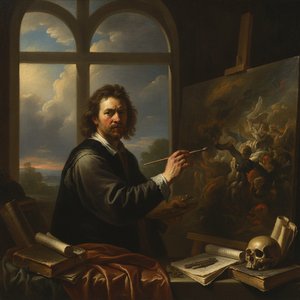
Dutch Baroque Unlocked: Mastering Chiaroscuro, Epic Drama, and the High-Impact Legacy of Rembrandt
Explore the dramatic power of Dutch Baroque art. Master the secrets of Rembrandt’s chiaroscuro, discover the epic scale of the Golden Age, and learn how to bring high-impact, hand-painted historical masterpieces into your modern collection with expert precision.

Hendrick Goltzius: Virtuosismo della Linea e Allegoria nel Passaggio dal Rinascimento al Barocco
Scopri Hendrick Goltzius, maestro del manierismo olandese e incisore virtuoso. Analisi approfondita della sua vita, opere iconiche, stile unico e l'eredità artistica che lo lega a Rinascimento e Barocco.

Golden Age Reflections: Dutch Baroque Painting & Cultural Innovation
Explore the Dutch Golden Age of painting! Discover key artists like Vermeer & ter Borch, their innovative techniques, and the rich cultural context behind these Baroque masterpieces. Learn about collecting & appreciating this iconic art period.

I 10 Capolavori del Barocco Olandese che Hanno Definito un'Epoca | OriginalUniqueArt
Esplora i 10 capolavori del Barocco olandese con OriginalUniqueArt. Scopri Rembrandt, Vermeer e altri maestri. Quadri antichi, luce intensa e storie affascinanti per decorare la tua casa con arte di qualità museale. Esplora la collezione online!


