
 Anteprima in scala reale
 Invia
Invia Condividi
 Dettagli opera
 Guida
Guida

 Scarica
 Simili
 Radiografia
 Slideshow
 Domande e risposte
 Statistiche
Christus before Pilate (detail)


 Espandi i dettagli
Giclée / Stampe d'arte
Stampa giclée o su tela di qualità museale, con produzione rapida e diverse opzioni di finitura. ( Acquista il dipinto realizzato a mano Passa all'immagine digitale)




P118B €10

P118H €10

P118W €10

P438Z €10

P508JH €12

P508YH €12

P805H €10

P805Z €10

P919BZ €10

P919G €10

P919XJ €10

P959ZH €10

P968JZ €12

W106C €8

W218G €10

W218JH €8

W218Y €10

W307PJ €10

W316G €10

W316PJ €8

W316Y €10

W398PJ €8

W4111J €10

W500HY €15

W500JH €15

W692G €12

W849H €8

W940BG €15

W953PJ €8




Scegli tra le nostre dimensioni predefinite, che rispettano le proporzioni originali dell'opera d'arte.

Inserisci la larghezza e l'altezza desiderate, per adattarle alla tua cornice o alla tua parete. Una stampa può essere solo ritagliata, mai resa più grande dell'immagine originale; pertanto, un formato con una forma differente comporterà la perdita di una parte dell'opera. Ti invieremo un mockup digitale da approvare prima di procedere con la stampa. L'immagine mostrata in questa pagina non rappresenta il ritaglio reale — solo il mockup lo mostra.
Consegna in tutto il mondo () in 2 settimane invece delle normali 4/5 settimane. (5 Novembre)

Spedizione espressa gratuita in tutto il mondo

Tela in lino di alta qualità

Assicurazione completa sulla spedizione

Garanzia di rimborso dei dazi doganali

Garanzia di fedeltà cromatica assoluta

Politica di reso entro 100 giorni (solo per difetti di fabbricazione)

Garanzia di rimborso al 100%

Offerta per acquisti multipli
 L'opzione vetro è disponibile solo per dimensioni inferiori a 110 cm

Christus before Pilate (detail)
Giclée / Stampe d'arte
Dimensioni riproduzione
-


Prezzo finale calcolato
€ 72
A Divine Encounter in the Northern Renaissance
In the quiet intensity of Hans Multscher’s 1437 masterpiece, Christus before Pilate (detail), we are invited to witness one of the most profound confrontations in human history. This exquisite detail from the Wurzach Altar does not merely depict a biblical event; it captures the very breath held between two worlds: the eternal and the temporal. As Jesus Christ stands before the Roman governor, the canvas vibrates with the tension of a trial that would alter the course of civilization. Multscher, a pioneer of German realism, moves beyond the flat, symbolic gestures of the Gothic era to present a scene where every furrowed brow and heavy fold of fabric tells a story of spiritual weight and earthly consequence.
The artistry of this piece lies in its breathtaking commitment to Northern Renaissance Realism. Utilizing the delicate medium of oil paint on fir wood, Multscher achieved a level of textural nuance that was revolutionary for his time. One can almost feel the heavy, tactile quality of the garments worn by the gathered crowd—the rougher textures of commoners contrasted against the more refined attire of those in positions of authority. This meticulous attention to detail serves a higher purpose than mere decoration; it grounds the divine narrative in a palpable, physical reality, making the miraculous feel disturbingly present and human.
Symbolism and the Language of Light
Every element within this composition is imbued with deep theological significance, designed to guide the viewer toward spiritual contemplation. The central figure of Christ is marked by a subtle yet unmistakable halo, a luminous emblem of his divine nature that pierces through the surrounding earthly chaos. Around him, the faces of the onlookers form a mosaic of human emotion—fear, doubt, skepticism, and apprehension. These expressions serve as a mirror for the viewer's own soul, reflecting the universal struggle to recognize truth amidst the noise of worldly judgment.
The interplay of light and shadow, or chiaroscuro, plays a vital role in directing the narrative flow. Light falls upon Christ with a clarity that suggests an inner radiance, while the deeper shadows enveloping the periphery represent the uncertainty and moral ambiguity of Pilate’s court. For the collector or the interior designer, this painting offers more than just visual beauty; it provides a focal point of profound intellectual and emotional depth. It is a piece that commands attention, inviting long periods of study and reflection, making it an ideal centerpiece for spaces dedicated to thought, heritage, and the appreciation of fine classical art.
A Legacy of Faith and Humanism
To look upon this work is to step into the cultural heart of 15th-century Ulm. Created during a period of intense religious fervor and the burgeoning movement of Northern Humanism, Multscher’s work embodies the era's desire to find the sacred within the natural world. His travels through France and the Netherlands clearly left an indelible mark on his technique, allowing him to bring a sophisticated, international realism to the German landscape. This painting is not just a relic of the past; it is a living testament to the moment when art began to look more closely at the human condition.
Whether displayed in a private gallery or as a sophisticated element of a curated interior, a high-quality reproduction of this detail allows the timeless drama of Multscher’s vision to inhabit modern spaces. It brings with it an atmosphere of historical gravity and artistic excellence, offering anyone who appreciates the masters a window into a period where every brushstroke was an act of devotion.
Domande e risposte
Come è strutturata la composizione cromatica di "Christus before Pilate (detail)" di Hans Multscher?
La composizione cromatica di "Christus before Pilate (detail)" di Hans Multscher coniuga un Statement contrasto con una Softly Mixed Palette armonia.
Che atmosfera trasmette "Christus before Pilate (detail)"?
"Christus before Pilate (detail)" emana un'atmosfera Dramatic.
Qual è il soggetto di "Christus before Pilate (detail)"?
"Christus before Pilate (detail)" di Hans Multscher raffigura: religious art, medieval painting, christian iconography, pilate trial, crucifixion scene, renaissance style, german sculpture.
Biografia dell'artista
Introduzione a Hans Multscher
Hans Multscher, un rinomato pittore e scultore tedesco, nacque a Reichenbach im Baumes (oggi Leutkirch im Allgäu) intorno al 1400. È noto per il suo eccezionale lavoro nel campo dell'arte, in particolare nelle regioni della Francia settentrionale e dei Paesi Bassi.Vita e Formazione
Multscher si familiarizzò con nuovi stili artistici provenienti dalla Francia settentrionale e dai Paesi Bassi, che ebbero un impatto significativo sul suo lavoro. Nel 1427, divenne cittadino libero della città di Ulm, dove sposò Adelheid Kitzin. Gestì la sua attività come pittore e scultore, insieme a suo fratello Heinrich Multscher. La sua formazione iniziale è avvolta nel mistero, ma si presume che abbia studiato con artisti locali e viaggiato per acquisire esperienza. L'influenza di maestri come Israele van Meckenem è evidente nel suo stile incisorio.Opere Principali e Stile Artistico
Alcune delle sue opere più notevoli includono Santa Maria Maddalena, ora esposta alla Liebieghaus a Francoforte sul Meno. Un'altra opera famosa è Uomo di Dolori, una copia della quale si può trovare nel duomo di Ulm. Inoltre, il suo Gruppo degli Imperatori è visibile alla finestra orientale del municipio di Ulm. Lo stile artistico di Multscher si caratterizza per un realismo dettagliato e una profonda espressività religiosa. Le sue figure sono spesso rappresentate con grande accuratezza anatomica e un'intensa emozione, riflettendo l'influenza dell'arte gotica tardiva e anticipando alcuni aspetti del Rinascimento.Influenze e Sviluppo Artistico
Multscher fu influenzato dall'arte gotica tardiva tedesca, ma anche dalle tendenze artistiche provenienti dalla Francia settentrionale e dai Paesi Bassi. La sua capacità di combinare elementi diversi in un linguaggio artistico personale lo rese uno dei più importanti artisti del suo tempo. Il suo lavoro si sviluppò nel corso della sua carriera, mostrando una crescente padronanza tecnica e una maggiore attenzione ai dettagli realistici. Le sue incisioni, in particolare, sono considerate tra le migliori del XV secolo.Significato Storico e Eredità
Hans Multscher lasciò un'impronta indelebile nel mondo dell'arte. Il suo lavoro testimonia il passaggio dall'arte gotica tardiva al Rinascimento, anticipando alcuni dei temi e delle tecniche che sarebbero diventati caratteristici del nuovo movimento artistico. Le sue opere sono oggi apprezzate per la loro bellezza, la loro espressività e la loro importanza storica. Per ulteriori informazioni sulla sua vita e sul suo lavoro, si prega di visitare: https://OriginalUniqueArt.com/@/hans-multscher.- Per una guida completa alla Gemäldegalerie Alte Meister, visitate: /it/art/show/art-d3b9x3-it/
- Scoprite l'arte di Hans Multscher su OriginalUniqueArt: https://OriginalUniqueArt.com/@/hans-multscher
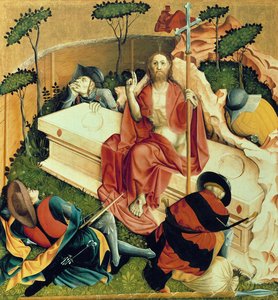
Hans Multscher
1400 - 1467 , Germania
Dettagli rapidi
- Artistic Movement Or Style: Arte gotica tardiva
- Date Of Birth: circa 1400
- Date Of Death: 1467
- Full Name: Hans Multscher
- Museum Collections And Exhibitions: ['Gemäldegalerie Alte Meister']
- Nationality: Tedesco
- Notable Artworks:
- Holy Mary Magdalen
- Man of Sorrows
- Group of Emperors
- Place Of Birth (City And Country): Reichenbach im Baumes, Germania
Articoli correlati

L’Essenza dell’Olio su Tela: Storia, Tecnica e l'Incorruttibile Bellezza dei Grandi Maestri
Scopri i segreti tecnici e la storia della pittura a olio tra maestria e scienza. Approfondisci l'arte dei grandi maestri ora.

The Enduring Power of Painting: A Historical & Contemporary Exploration of Form and Emotion
Explore the rich history & enduring techniques of oil painting with OriginalUniqueArt. Discover masterpieces, learn about art collecting, and find authentic handmade reproductions crafted by skilled artists.
The Northern Awakening: Artistic Innovation & Cultural Transformation in the German Renaissance
Explore the artistic innovation of the German Renaissance! Discover Dürer, the Danube School & Reformation art. Learn about techniques, materials & lasting influence. Find museum-quality reproductions at OriginalUniqueArt.
The Northern Renaissance: A Masterclass in Hyper-Realism, Oil Innovation, and Symbolic Depth
Explore the profound mastery of Northern Renaissance art. Discover the technical brilliance of Flemish oil painting, the intricate symbolism of Bosch and Bruegel, and the revolutionary realism that redefined European art history through an expert historical lens.

The Enduring Legacy of Oil on Canvas: Technique, History & Aesthetic Impact
Explore the rich history & techniques of oil painting – from Renaissance masters to Impressionism. Discover pigments, layering methods, and why this timeless medium endures. Expert insights for artists & art enthusiasts.


