

 Anteprima in scala reale
 Condividi
 Condividi
 Dettagli
 Guida stampabile

 Scarica
 Articoli simili
 Radiografia
 Slideshow
 Statistiche
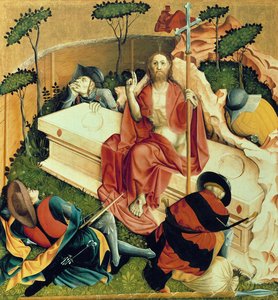
Christ Carrying the Cross
 Tempera
- Early Netherlandish Painting
 1437
1437 148.0 x 140.0 cm
 Staatliche Museen zu Berlin
 Leggi tutto
Acquista un'immagine digitale ad alta risoluzione e ottimizzata, di qualità nettamente superiore all'anteprima online.
Ogni file è meticolosamente preparato dai nostri specialisti interni attraverso l'uso di strumenti avanzati e un sapiente ritocco manuale. Garantiamo che ogni immagine presenti una chiarezza eccezionale, una precisione cromatica impeccabile e dettagli raffinati.
Il file finale viene consegnato via e-mail entro 72 ore, ottimizzato per un uso immediato in contesti professionali, editoriali e di stampa. Si tratta della stessa qualità affidata ai più prestigiosi studi di design, editori e gallerie d'arte.
Immagine Digitale
Scarica un file ad alta risoluzione per uso personale, per la stampa e per progetti creativi. ( Passa alle stampe Ordina la riproduzione dipinta a mano)
Incluso in ogni acquisto di immagini digitali
Consegna digitale professionale e garantita
Quando scegli OriginalUniqueArt.com, non riceverai solo un'immagine: riceverai un'opera d'arte digitale professionalmente ottimizzata, realizzata con la massima precisione e accompagnata da una garanzia di soddisfazione. Ecco tutto ciò che include il tuo ordine, automaticamente:

Consegna rapida via email
Riceverai il file dell'immagine digitale ad alta risoluzione via email entro 72 ore dall'ordine, pronto per un uso immediato.

File digitale potenziato dall'IA
La tua opera d'arte viene ottimizzata professionalmente attraverso l'uso di strumenti avanzati di intelligenza artificiale e una revisione manuale, garantendo il massimo livello di dettaglio, nitidezza e accuratezza cromatica.

Riconsegna gratuita a vita
Hai eliminato o perso accidentalmente il tuo file? Non preoccuparti: te lo invieremo di nuovo in qualsiasi momento, gratuitamente.

Nessun costo di importazione, mai
Goditi la tua opera d'arte istantaneamente senza costi doganali, dazi o spese di spedizione: i download digitali sono sempre esenti da tasse.

Garanzia di fedeltà cromatica
Garantiamo che la tua immagine digitale rifletta i colori originali con la massima fedeltà, grazie all'uso di strumenti professionali e a una gestione accurata del colore.

Garanzia soddisfatti o rimborsati 100 giorni
Se non sei soddisfatto della tua immagine digitale, la revisioneremo o ti rimborseremo il 100% entro 100 giorni, senza domande.

Garanzia di rimborso al 100%
Non sei soddisfatto? Ricevi un rimborso completo entro 100 giorni dal ricevimento del tuo file digitale, senza dover fornire spiegazioni.

Sconti per ordini multipli
Acquista 3 immagini, risparmia il 10% - Acquista 5, risparmia il 15% - Acquista 10+, risparmia il 20%. Ideale per progetti creativi, gallerie e agenzie.
A Window Into Bosch’s Pessimistic Vision: Christ Carrying the Cross
Hieronymus Bosch’s “Christ Carrying the Cross,” housed in Ghent Cathedral, stands as one of his most arresting depictions of Christian iconography—a painting that transcends mere representation to embody a profound meditation on suffering and mortality. Completed around 1510-1535, during Bosch's twilight years, this artwork exemplifies his signature style: grotesque realism infused with moral allegory.
- Style & Technique: Bosch’s meticulous attention to detail—evident in the expressive faces of the onlookers and the unsettling depiction of Christ’s burden—contrasts sharply with idealized Renaissance portraits. The painting utilizes tempera on fir wood, a technique favored by Bosch for its luminosity and durability. Layers of glaze contribute to an ethereal quality, highlighting textures and creating dramatic chiaroscuro effects.
- Historical Context: Painted amidst the burgeoning humanist movement in Europe, “Christ Carrying the Cross” reflects anxieties about faith and morality prevalent during the Reformation era. Bosch’s unflinching portrayal of human folly—represented by the judgmental stares and grotesque expressions of the crowd—served as a critique of societal hypocrisy.
- Symbolism: The painting is replete with symbolic imagery. Christ's agonizing posture symbolizes divine sacrifice, while the multitude of figures surrounding him represent humanity’s complicity in sin. The swords symbolize judgment and divine retribution, emphasizing the inescapable consequences of earthly transgressions. Notably, the shield at the bottom right corner bears a depiction of Saint Jerome—a patron saint of contemplation—suggesting an invitation to introspection.
- Emotional Impact: Bosch deliberately evokes feelings of unease and pity. The artist’s masterful manipulation of color and composition compels viewers to confront uncomfortable truths about human nature and the fragility of existence. “Christ Carrying the Cross” remains a powerful reminder of the enduring themes of suffering, redemption, and moral responsibility.
The Influence of Early Netherlandish Painting
Bosch’s artistic vision was undeniably shaped by the stylistic innovations emerging from Northern Europe during his time—particularly the influence of Early Netherlandish painting. Artists like Rogier van der Weyden and Gerard David pioneered a new approach to depicting religious subjects, prioritizing anatomical accuracy and psychological realism over stylized grandeur.
- Anatomical Precision: Bosch’s depiction of Christ's musculature—a deliberate departure from traditional representations—reflects the meticulous anatomical studies conducted by artists in Leuven and Bruges. These investigations into human anatomy informed a broader trend toward naturalistic observation within the visual arts.
- Psychological Depth: The expressive faces of the onlookers convey profound emotional states—ranging from disdain to compassion—demonstrating Bosch’s commitment to capturing the complexities of human psychology. This emphasis on psychological realism aligns seamlessly with the humanist preoccupation with understanding the inner workings of the human mind.
A Masterpiece of Moral Allegory
"Christ Carrying the Cross" is not merely a visual spectacle; it’s a profound meditation on moral principles—a testament to Bosch's unwavering belief in the importance of confronting uncomfortable truths about human behavior. The artist employs grotesque imagery and caricature to expose societal failings, prompting viewers to contemplate their own ethical responsibilities.
- Moral Critique: Bosch’s deliberate distortion of facial expressions serves as a scathing indictment of moral complacency—challenging audiences to examine their judgments and prejudices. This subversive impulse distinguishes Bosch from many of his contemporaries who sought to uphold idealized notions of virtue.
- Universal Themes: Despite its specific historical context, “Christ Carrying the Cross” speaks to universal themes of suffering, redemption, and divine justice—resonating across cultures and epochs. Bosch’s enduring legacy lies in his ability to provoke contemplation and inspire moral reflection.
Technical Considerations & Restoration Efforts
The painting underwent a significant restoration process in 1956–1957, undertaken by conservators at Ghent Cathedral. During this intervention, experts meticulously cleaned the surface of grime and varnish—revealing the original colors beneath—and stabilized weakened structural elements.
- Glaze Analysis: Detailed analysis of the painting’s glaze layers illuminated the techniques employed by Bosch’s workshop—demonstrating a mastery of layering pigments to achieve luminous effects. Researchers utilized X-ray fluorescence spectroscopy to determine the elemental composition of the glazes, providing invaluable insights into the artist's palette.
- Structural Stabilization: Conservators reinforced the wooden frame and addressed cracks in the panel—ensuring the painting’s preservation for future generations. These efforts underscored the importance of safeguarding cultural heritage and upholding ethical standards of conservation.
Contemporary Interpretations & Artistic Legacy
"Christ Carrying the Cross" continues to inspire artists and scholars alike—serving as a focal point for ongoing debates about Bosch’s artistic intentions and stylistic innovations. Its haunting imagery and moral profundity resonate powerfully with audiences today, prompting reflection on fundamental questions concerning faith, morality, and human existence.
- Influence on Surrealism: Bosch's unsettling vision exerted considerable influence on Surrealist artists—particularly André Breton—who embraced his penchant for dreamlike imagery and grotesque symbolism. Surrealists sought to liberate the subconscious mind from rational constraints—drawing inspiration from Bosch’s exploration of irrational forces.
- Enduring Relevance: Despite its fifteenth-century origins, “Christ Carrying the Cross” retains an enduring relevance—serving as a timeless reminder of humanity's capacity for both compassion and cruelty. Its artistic legacy persists in contemporary art exhibitions and scholarly publications—affirming Bosch’s position as one of the most influential figures in European Renaissance painting.
Biografia dell'artista
Introduzione a Hans Multscher
Hans Multscher, un rinomato pittore e scultore tedesco, nacque a Reichenbach im Baumes (oggi Leutkirch im Allgäu) intorno al 1400. È noto per il suo eccezionale lavoro nel campo dell'arte, in particolare nelle regioni della Francia settentrionale e dei Paesi Bassi.Vita e Formazione
Multscher si familiarizzò con nuovi stili artistici provenienti dalla Francia settentrionale e dai Paesi Bassi, che ebbero un impatto significativo sul suo lavoro. Nel 1427, divenne cittadino libero della città di Ulm, dove sposò Adelheid Kitzin. Gestì la sua attività come pittore e scultore, insieme a suo fratello Heinrich Multscher. La sua formazione iniziale è avvolta nel mistero, ma si presume che abbia studiato con artisti locali e viaggiato per acquisire esperienza. L'influenza di maestri come Israele van Meckenem è evidente nel suo stile incisorio.Opere Principali e Stile Artistico
Alcune delle sue opere più notevoli includono Santa Maria Maddalena, ora esposta alla Liebieghaus a Francoforte sul Meno. Un'altra opera famosa è Uomo di Dolori, una copia della quale si può trovare nel duomo di Ulm. Inoltre, il suo Gruppo degli Imperatori è visibile alla finestra orientale del municipio di Ulm. Lo stile artistico di Multscher si caratterizza per un realismo dettagliato e una profonda espressività religiosa. Le sue figure sono spesso rappresentate con grande accuratezza anatomica e un'intensa emozione, riflettendo l'influenza dell'arte gotica tardiva e anticipando alcuni aspetti del Rinascimento.Influenze e Sviluppo Artistico
Multscher fu influenzato dall'arte gotica tardiva tedesca, ma anche dalle tendenze artistiche provenienti dalla Francia settentrionale e dai Paesi Bassi. La sua capacità di combinare elementi diversi in un linguaggio artistico personale lo rese uno dei più importanti artisti del suo tempo. Il suo lavoro si sviluppò nel corso della sua carriera, mostrando una crescente padronanza tecnica e una maggiore attenzione ai dettagli realistici. Le sue incisioni, in particolare, sono considerate tra le migliori del XV secolo.Significato Storico e Eredità
Hans Multscher lasciò un'impronta indelebile nel mondo dell'arte. Il suo lavoro testimonia il passaggio dall'arte gotica tardiva al Rinascimento, anticipando alcuni dei temi e delle tecniche che sarebbero diventati caratteristici del nuovo movimento artistico. Le sue opere sono oggi apprezzate per la loro bellezza, la loro espressività e la loro importanza storica. Per ulteriori informazioni sulla sua vita e sul suo lavoro, si prega di visitare: https://OriginalUniqueArt.com/@/hans-multscher.- Per una guida completa alla Gemäldegalerie Alte Meister, visitate: /it/art/show/art-d3b9x3-it/
- Scoprite l'arte di Hans Multscher su OriginalUniqueArt: https://OriginalUniqueArt.com/@/hans-multscher
Hans Multscher
1400 - 1467 , Germania
In breve
- Artistic Movement Or Style: Arte gotica tardiva
- Date Of Birth: circa 1400
- Date Of Death: 1467
- Full Name: Hans Multscher
- Museum Collections And Exhibitions: ['Gemäldegalerie Alte Meister']
- Nationality: Tedesco
- Notable Artworks:
- Holy Mary Magdalen
- Man of Sorrows
- Group of Emperors
- Place Of Birth (City And Country): Reichenbach im Baumes, Germania