
 Anteprima in scala reale
 Condividi
 Condividi
 Dettagli

 Scarica immagine
 Articoli simili
 Radiografia
 Slideshow
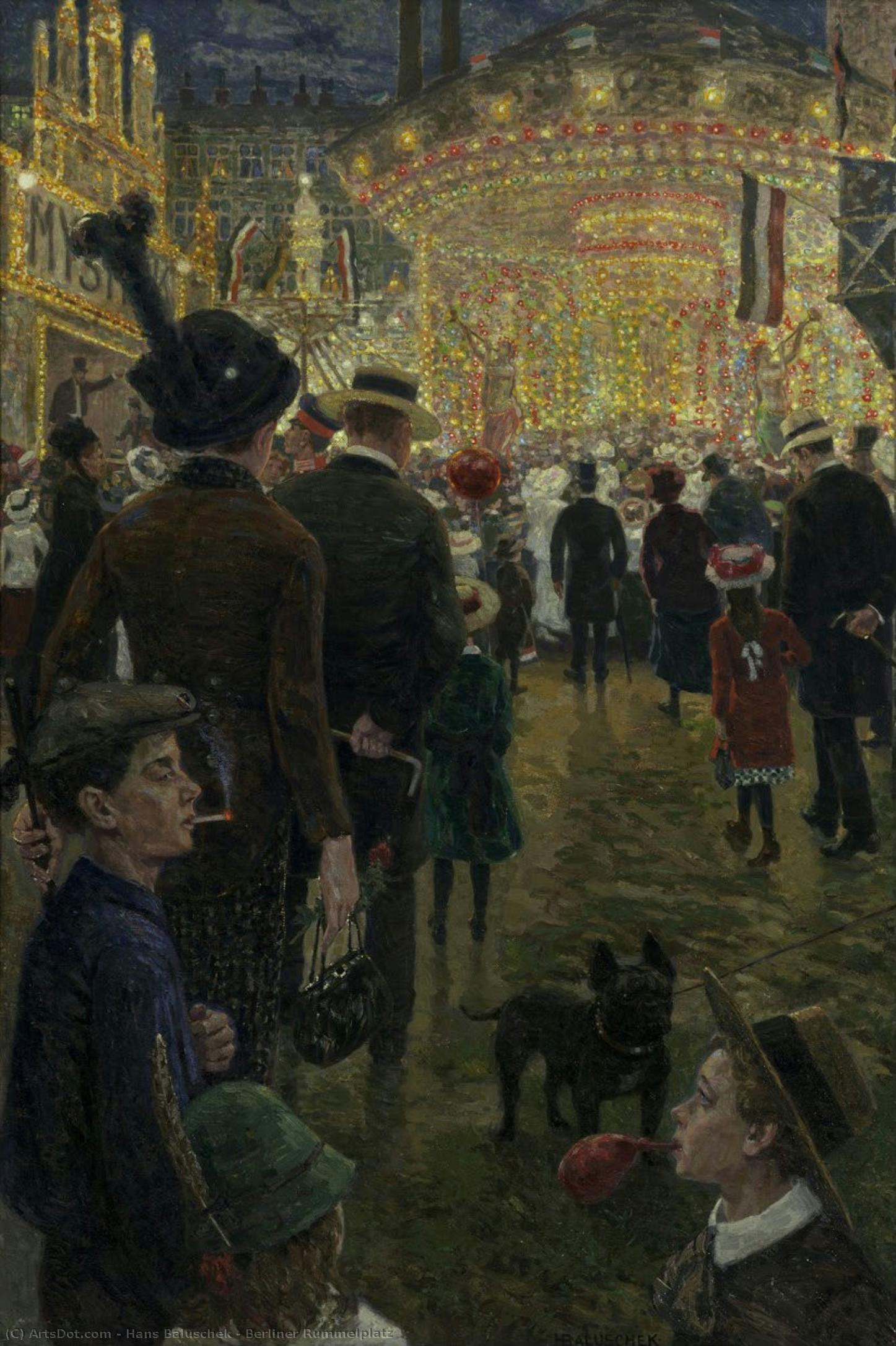
Berliner Rummelplatz
 1914
1914 150.0 x 100.0 cm
 Leggi tutto
Giclée / Stampe d'arte
Stampa giclée o su tela di qualità museale, con produzione rapida e diverse opzioni di finitura. ( Passa alla versione dipinta a mano Passa all'immagine)




































Scegli tra le nostre dimensioni predefinite, che rispettano le proporzioni originali dell'opera d'arte.

È possibile inserire dimensioni personalizzate per adattare l'opera a una cornice o a uno spazio specifico. Se la dimensione selezionata non corrisponde alle proporzioni dell'immagine originale, procederemo al ritaglio dell'opera o all'estensione dell'immagine con un bordo specchiato o a tinta unita. Un mockup digitale ti verrà inviato per approvazione prima dell'inizio della produzione.
Si prega di notare che l'anteprima a schermo non riflette il ritaglio o l'estensione effettivi. Solo il mockup mostrerà accuratamente la composizione finale.
Sebbene siano disponibili dimensioni personalizzate, si raccomanda di selezionare una dimensione dall'elenco predefinito per preservare le proporzioni originali.
Consegna in tutto il mondo () in 2 settimane invece delle normali 4/5 settimane. (11 Agosto)

Spedizione espressa gratuita in tutto il mondo

Tela in lino di alta qualità

Assicurazione completa sulla spedizione

Garanzia di rimborso dei dazi doganali

Garanzia di fedeltà cromatica dell'originale

Politica di reso entro 60 giorni (solo per difetti di fabbricazione)

Garanzia di rimborso al 100%

Sconto per acquisti multipli
 L'opzione vetro è disponibile solo per dimensioni inferiori a 110 cm

Berliner Rummelplatz
Giclée / Stampe d'arte
Dimensioni della riproduzione
-


Prezzo totale
$ 81
Descrizione del pezzo
Biografia dell'artista
Hans Baluschek: A Pioneer of German Critical Realism
Hans Baluschek (9 May 1870 – 28 September 1935) was a German painter, graphic artist and writer whose work stands as a cornerstone of German Critical Realism. He captured the essence of Berlin’s working class with unflinching honesty and empathy, establishing himself as one of the most prominent figures within the influential Berlin Secession movement. Baluschek's legacy extends beyond his artistic output; he was an active participant in socialist politics and championed the role of art in social reform.Early Life and Influences
Born in Breslau (Wrocław), Poland, to Franz Baluschek, a surveyor and railroad engineer, Hans Baluschek’s formative years were profoundly shaped by his father's profession—a fascination with railways that would permeate his artistic vision. The family moved repeatedly during his childhood, adapting to the rapid industrial expansion of Berlin amidst economic hardship. Witnessing the realities of working-class life firsthand, influenced by writers like Zola and artists such as Vasily Vereshchagin, instilled in Baluschek a commitment to portraying social issues with uncompromising realism. These experiences fueled his artistic exploration and cemented his belief in art’s capacity to illuminate societal injustices. He absorbed deeply from these formative influences, recognizing the importance of conveying truthfulness and compassion through visual representation.Academic Training and Artistic Development
Baluschek pursued his education at the Askanische Gymnasium, Berlin, honing his skills in the humanities alongside preparing for a career in art. He enrolled at the Academy of Fine Arts in Berlin in 1890, where he studied under Wilhelm Trübschenne and Max Liebermann—a relationship that would prove crucial to his artistic development. Liebermann’s influence championed naturalism and psychological insight, shaping Baluschek's stylistic approach. His early paintings focused on landscapes and portraits, demonstrating a meticulous attention to detail and capturing the nuances of human emotion. Liebermann encouraged Baluschek to observe the world around him with careful scrutiny—a practice that would become central to his artistic method.The Berlin Secession and Critical Realism
In 1900 Baluschek joined the Berlin Secession—a group of artists who challenged the conservative artistic conventions of Imperial Germany. Alongside Käthe Kollwitz and Liebermann, the Secession advocated for a more socially conscious art form, rejecting academic formalism in favor of expressive realism. This commitment to Critical Realism guided Baluschek’s oeuvre throughout his career, resulting in powerful depictions of urban life, industrial landscapes, and portraits of ordinary people—often confronting social inequalities with unflinching honesty. Notable works included “Berliner Leben” (1901) and “Eisenbahn in industrieller, winterlicher Großstadt,” which powerfully conveyed the impact of industrialization on human experience. The Secession’s ethos profoundly impacted Baluschek's artistic vision, urging him to prioritize social commentary alongside aesthetic beauty.Notable Achievements and Legacy
Baluschek’s most enduring contribution to art history is arguably his illustration of Peterchens Mondfahrt (Little Peter’s Journey to the Moon), published in 1906 by Gerhard Hauptmann—a beloved children’s book that cemented his reputation as a storyteller and solidified his place within German cultural heritage. His meticulous attention to detail, combined with an empathetic portrayal of characters and narratives, established him as a master of visual storytelling. He skillfully captured the spirit of childhood wonder and adventure, demonstrating his versatility as an artist. Despite facing persecution during the Nazi era, Baluschek continued to champion artistic freedom and social justice until his death in 1935. He remains a significant figure in German art history—a testament to the power of observation, empathy, and unwavering commitment to portraying the human condition with uncompromising honesty.
Hans Baluschek
1870 - 1935 , Polonia
Informazioni rapide
- Artistic Movement Or Style: Realismo Critico
- Artists Who Influenced This Artist:
- Vasily Vereshchagin
- Gerhart Hauptmann
- Date Of Birth: 9 maggio 1870
- Date Of Death: 28 settembre 1935
- Full Name: Hans Baluschek
- Nationality: Germano
- Notable Artworks:
- Peterchens Mondfahrt
- Berliner Leben
- Place Of Birth: Breslau (Wrocław)

