- Home

- Riproduzione di dipinto a olio
- Haddon Sundblom
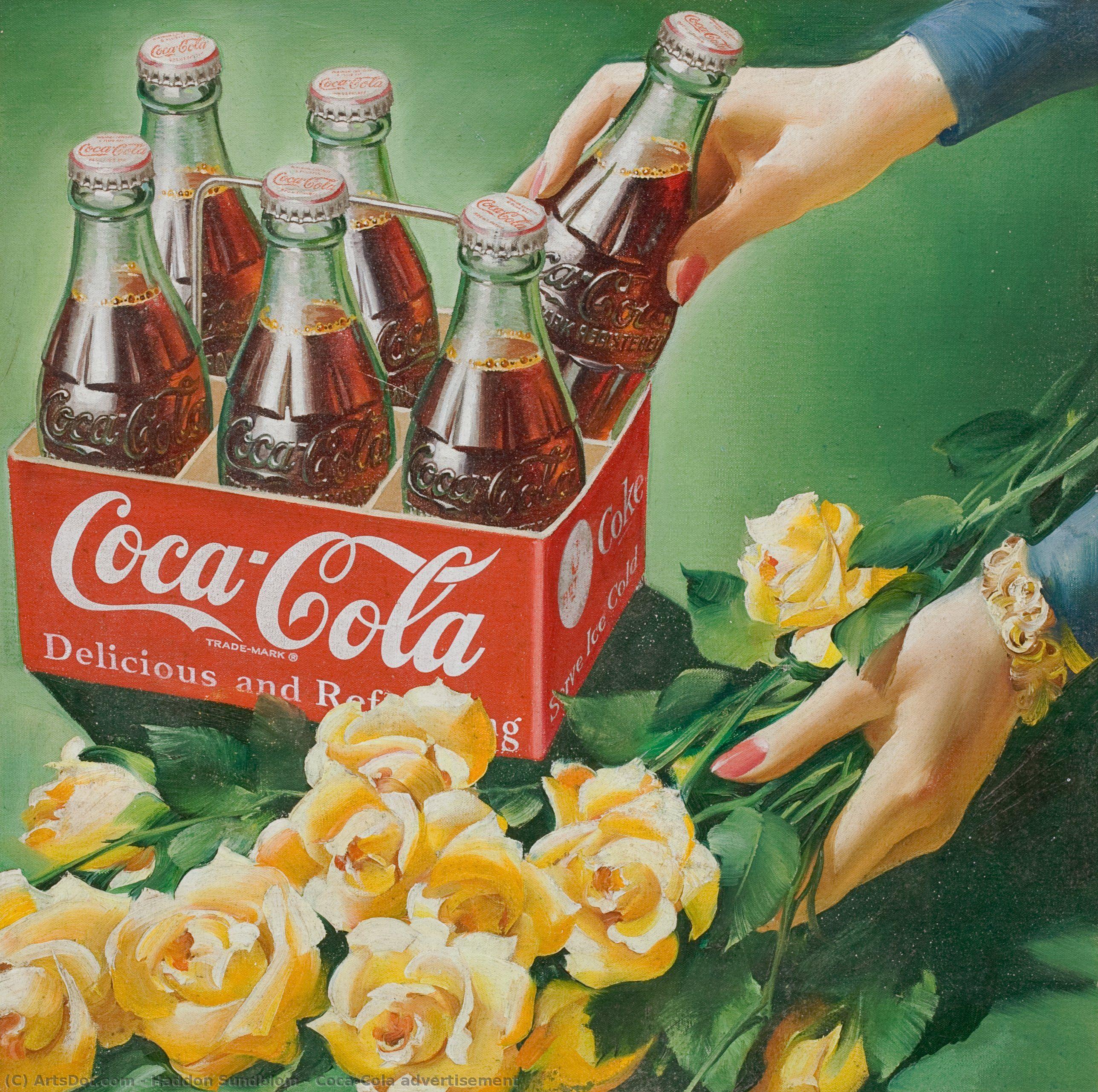
- Coca-Cola advertisement
 Preview
 Acquista stampa Acquista download
 Invia
Invia
 Condividi
 Dettagli opera
 Aggiungi ai preferiti

 Scarica
 Simili
 Radiografia
 Slideshow
Coca-Cola advertisement
 Kitsch
 48.0 x 48.0 cm
 Scopri di più
Riproduzione a olio fatta a mano
Olio su tela dipinto a mano nelle tue dimensioni e con la tua cornice, realizzato su ordinazione dai nostri artisti.




































Scegli tra le nostre dimensioni predefinite, che rispettano le proporzioni originali dell'opera d'arte.

È possibile inserire dimensioni personalizzate per adattare l'opera a una cornice o a uno spazio specifico. Se la dimensione selezionata non corrisponde alle proporzioni dell'immagine originale, provvederemo a ritagliare l'opera o a estendere il dipinto con elementi aggiuntivi dipinti a mano. Un mockup digitale ti sarà inviato per approvazione prima dell'inizio della produzione.
Si prega di notare che l'anteprima a schermo non riflette il ritaglio o l'estensione effettivi. Solo il mockup mostrerà accuratamente la composizione finale.
Sebbene siano disponibili dimensioni personalizzate, consigliamo di selezionare una dimensione dall'elenco predefinito per preservare le proporzioni originali.
Dopo l'ordine, il team di OriginalUniqueArt.com invierà un'e-mail al cliente per le istruzioni e fornirà un'anteprima del mockup
Consegna in tutto il mondo () in 3/4 settimane anziché nelle normali 5 settimane. (25 Luglio). Nessun compromesso sulla qualità.

Spedizione espressa gratuita in tutto il mondo

Tela in lino di alta qualità

Assicurazione completa sulla spedizione

Garanzia di rimborso dei dazi doganali

Garanzia di fedeltà cromatica

Politica di reso entro 60 giorni (solo per difetti)

Garanzia di rimborso al 100%

Sconto per acquisti multipli
 L'opzione vetro è disponibile solo per dimensioni inferiori a 110 cm

Coca-Cola advertisement
Tecnica di riproduzione
Dimensioni riproduzione
-


Prezzo totale finale
-
Biografia dell'artista
A Brushstroke of Nostalgia: The Life and Legacy of Haddon Sundblom
Born in Muskegon, Michigan, in 1899 to a family steeped in Swedish heritage, Haddon Hubbard “Sunny” Sundblom’s artistic journey began not with formal training but with necessity. Losing his mother at a young age compelled him to leave school and contribute to the household income, yet this hardship ignited an unwavering dedication to self-improvement through correspondence courses and night classes. He absorbed knowledge of architecture, business, and diverse artistic disciplines, laying a foundation that would prove crucial in his later success. Sundblom’s early career blossomed within the bustling Chicago illustration studios of the 1920s, where he honed his skills alongside masters like Will Foster and Maurice Logan, absorbing their techniques while simultaneously developing a style uniquely his own. He wasn't merely copying; he was synthesizing influences from John Singer Sargent, Joaquin Sorolla, Anders Zorn, Howard Pyle, and Pruett Carter—artists renowned for their luminous portraits and radiant compositions. This period instilled in him not only technical proficiency but also an appreciation for the power of romanticism, idealism, and wholesome imagery.The Reinvention of a Legend: Sundblom and the Coca-Cola Santa
While Sundblom enjoyed a prolific career creating advertising art for numerous Fortune 500 companies, it is his association with The Coca-Cola Company that cemented his place in cultural history. In 1931, tasked with crafting a Christmas campaign, he embarked on a project that would irrevocably alter the public perception of Santa Claus. Prior to Sundblom, depictions of St. Nick were varied—sometimes elfin and mischievous, other times austere and regal. Sundblom drew inspiration from Clement Clarke Moore’s 1823 poem “A Visit From St. Nicholas,” envisioning a warm, friendly, pleasantly plump figure – a grandfatherly Santa radiating kindness and generosity. Crucially, he clothed this Santa in the now-iconic red suit, a color already strongly associated with Coca-Cola branding. His friend Lou Prentice served as the original model, providing the robust physique that Sundblom translated onto canvas. Over the next 33 years, these advertisements weren’t simply selling a beverage; they were building an archetype—a Santa Claus who embodied the spirit of Christmas itself. The images became so deeply ingrained in the collective consciousness that Sundblom is often mistakenly credited with *creating* the modern image of Santa, rather than refining and popularizing it.Beyond the North Pole: A Versatile Illustrator
To define Sundblom solely by his Coca-Cola work would be a disservice to the breadth of his talent. He was a master of pin-up art, creating hundreds of glamorous paintings that captured the aesthetic sensibilities of mid-century America. These works, often commissioned for calendars, showcased his skill in rendering feminine beauty and evoking a sense of playful allure. He wasn’t merely replicating idealized forms; he infused them with personality and warmth. In 1957, he revitalized the Quaker Oats brand with a new illustration of their mascot, a colorful head-and-shoulders portrait that remained on packaging for nearly two decades. During World War II, Sundblom contributed to the war effort with a powerful recruitment poster for the United States Marine Corps, depicting a resolute sergeant at parade rest—a testament to his versatility and ability to convey strength and patriotism. His studio became a training ground for aspiring artists like Gil Elvgren and Andrew Loomis, fostering a new generation of commercial illustrators who would carry on his legacy.Influences and Techniques: A Luminous Style
Sundblom’s artistic approach was characterized by a distinctive luminosity—a warm, radiant glow that permeated his paintings. This effect wasn't accidental; it stemmed from meticulous study of the Old Masters and a deep understanding of light and shadow. He skillfully employed techniques borrowed from Sargent and Sorolla to create a sense of depth and realism, while simultaneously imbuing his work with an idealized quality. His compositions were carefully constructed, often featuring dynamic arrangements that drew the viewer’s eye to key focal points. He was also adept at storytelling, using subtle gestures and expressions to convey emotion and personality. His ability to connect with audiences on a visceral level—to evoke feelings of nostalgia, joy, and warmth—was perhaps his greatest strength. He wasn't just painting images; he was crafting experiences. The influence of Swedish jultomte imagery, particularly the charming figures painted by Jenny Nyström, is also evident in Sundblom’s Santa Claus depictions, adding a touch of Scandinavian warmth to the American icon.A Lasting Impact: The Enduring Legacy of Haddon Sundblom
Haddon Hubbard Sundblom passed away in 1976, leaving behind a body of work that continues to resonate with audiences today. His Coca-Cola Santa Claus remains the definitive image of St. Nick for millions around the world, shaping Christmas traditions and inspiring countless artists. His pin-up paintings are celebrated for their beauty and elegance, while his advertising illustrations stand as testaments to the power of effective visual communication.- Sundblom’s influence extended far beyond the canvas; he helped define the aesthetic sensibilities of mid-century America.
- His studio served as a breeding ground for future generations of illustrators, ensuring that his legacy would continue long after his death.
- He demonstrated the power of art to shape cultural perceptions and create lasting icons.

Dati rapidi
- Artistic Movement Or Style: Illustration, Pin-up art
- Artists Or Movements Influenced By This Artist:
- Gil Elvgren
- Andrew Loomis
- Artists Who Influenced This Artist:
- John Singer Sargent
- Joaquin Sorolla
- Anders Zorn
- Howard Pyle
- Date Of Birth: June 22, 1899
- Date Of Death: March 10, 1976
- Full Name: Haddon Hubbard Sundblom
- Nationality: American
- Notable Artworks:
- Coca-Cola Santa Claus ads
- Sprite Boy
- WWII Marine poster
- Quaker Oats man
- Place Of Birth: Muskegon, Michigan

