

 Anteprima in scala reale
 Invia
Invia Condividi
 Dettagli opera
 Guida
Guida

 Scarica
 Simili
 Radiografia
 Slideshow
 Statistiche
Skiffs on the Yerres
 Oil On Canvas
- WallArt
- Impressionism
 1877
1877- 19th Century
 116.0 x 88.0 cm
 Espandi i dettagli
Giclée / Stampe d'arte
Stampa giclée o su tela di qualità museale, con produzione rapida e diverse opzioni di finitura. ( Acquista il dipinto realizzato a mano Passa all'immagine digitale)




P118B €10

P118H €10

P118W €10

P438Z €10

P508JH €12

P508YH €12

P805H €10

P805Z €10

P919BZ €10

P919G €10

P919XJ €10

P959ZH €10

P968JZ €12

W106C €8

W218G €10

W218JH €8

W218Y €10

W307PJ €10

W316G €10

W316PJ €8

W316Y €10

W398PJ €8

W4111J €10

W500HY €15

W500JH €15

W692G €12

W849H €8

W940BG €15

W953PJ €8




Scegli tra le nostre dimensioni predefinite, che rispettano le proporzioni originali dell'opera d'arte.

Inserisci la larghezza e l'altezza desiderate, per adattarle alla tua cornice o alla tua parete. Una stampa può essere solo ritagliata, mai resa più grande dell'immagine originale; pertanto, un formato con una forma differente comporterà la perdita di una parte dell'opera. Ti invieremo un mockup digitale da approvare prima di procedere con la stampa. L'immagine mostrata in questa pagina non rappresenta il ritaglio reale — solo il mockup lo mostra.
Consegna in tutto il mondo () in 2 settimane invece delle normali 4/5 settimane. (27 Ottobre)

Spedizione espressa gratuita in tutto il mondo

Tela in lino di alta qualità

Assicurazione completa sulla spedizione

Garanzia di rimborso dei dazi doganali

Garanzia di fedeltà cromatica assoluta

Politica di reso entro 100 giorni (solo per difetti di fabbricazione)

Garanzia di rimborso al 100%

Offerta per acquisti multipli
 L'opzione vetro è disponibile solo per dimensioni inferiori a 110 cm

Skiffs on the Yerres
Giclée / Stampe d'arte
Dimensioni riproduzione
-


Prezzo finale calcolato
€ 70
A Moment Suspended on the Yerres River
To gaze upon Skiffs on the Yerres is to be gently ushered into a pocket of profound tranquility, a vision steeped in the luminous atmosphere of late nineteenth-century Parisian leisure. This painting does not merely depict a river scene; it captures the very breath of a slow afternoon. The composition draws the eye immediately to the small wooden skiff, where two figures paddle downstream, their activity imbued with a quiet rhythm that seems almost audible across the canvas. It is an immersion into nature’s embrace, rendered with an immediacy that belies its age.
The Impressionist Gaze: Light and Brushwork
Gustave Caillebotte masterfully employs the techniques of Impressionism to elevate a simple outing into an art experience. Observe how the light—soft, diffused, and hazy—seems to emanate from within the scene itself. The artist utilizes visible, broken brushstrokes, allowing the viewer’s eye to complete the picture, much as one completes a perfect memory. These strokes build up color in patches of greens and browns, giving the water and foliage a palpable texture. While the overall impression is one of fluidity, note the underlying structure: the strong horizontal lines echoing the river's steady flow provide a grounding counterpoint to the organic, rounded shapes of the boat and the surrounding reeds. This technical brilliance transforms mere paint into an atmospheric event.
Echoes of Modern Parisian Life
Painted in 1877, this work situates itself at a fascinating crossroads in art history. Caillebotte, deeply influenced by the burgeoning modernity of Paris and his own early fascination with photography, captured life not as it was formally posed, but as it was experienced—fleeting, unscripted, and beautifully ephemeral. The subject matter speaks to a growing appreciation for the pleasures of the bourgeoisie engaging with the natural world outside the rigid confines of the city center. It is a testament to leisure, suggesting a time when the rhythm of life could slow down enough to simply drift downstream.
Symbolism of Passage and Serenity
Beyond its technical merits, Skiffs on the Yerres resonates with deep symbolic weight. The river itself has always been an ancient metaphor for the passage of time—a constant, unstoppable flow against which human moments are measured. The skiff represents a journey, perhaps one of introspection or escape. For the contemporary collector or designer, this piece offers more than mere decoration; it offers an emotional anchor. It whispers promises of peace, suggesting that true connection—whether with nature or with another person—is found in these quiet, unhurried moments.
Bringing the Riverside Calm Home
Reproducing the depth and luminosity of this original oil on canvas allows one to bring a piece of this pastoral serenity into any interior space. The palette, dominated by earthy greens and muted browns, integrates seamlessly into sophisticated decor schemes, while the visible texture of the brushwork adds an undeniable layer of artisanal richness. Owning a reproduction of Skiffs on the Yerres is to curate not just art, but a feeling—the profound, restorative calm found at the edge of a slow-moving river.
Domande e risposte
Dove posso vedere un'anteprima di "Skiffs on the Yerres"?
È disponibile un'anteprima di "Skiffs on the Yerres" di Gustave Caillebotte nella pagina Anteprima in ambiente dell'opera.
Quale soggetto e quale atmosfera si incontrano in "Skiffs on the Yerres" di Gustave Caillebotte?
"Skiffs on the Yerres" di Gustave Caillebotte ritrae river landscape, french countryside, boating leisure, rural life scene, light and atmosphere, impressionist style, serene water view, con un'atmosfera Serene. Il soggetto e l'atmosfera insieme descrivono l'opera.
È disponibile una scheda informativa su "Skiffs on the Yerres" di Gustave Caillebotte per gli studenti?
La pagina Schede didattiche di "Skiffs on the Yerres" di Gustave Caillebotte offre una scheda informativa stampabile su due fogli: l'opera d'arte con la sua tabella identificativa, una linea temporale decennale che la colloca nel periodo di vita dell'artista, altre opere dello stesso autore, la tavolozza dei colori misurata e citazioni pronte da copiare in quattro stili diversi.
Biografia dell'artista
La Vita e l'Opera di Gustave Caillebotte
Gustave Caillebotte, nato a Parigi il 19 agosto 1848 e morto a Gennevilliers il 21 febbraio 1894, fu un pittore, disegnatore e mecenate francese. Membro del movimento impressionista, sebbene spesso considerato un artista a sé stante, Caillebotte si distinse per la sua visione moderna della Parigi urbana e per l'uso innovativo della prospettiva.
Primi Anni e Formazione
Proveniente da una famiglia benestante – suo padre, Martial Caillebotte, era un giudice al Tribunale di Commercio della Seine – Gustave ricevette un’educazione solida. Studiò legge all'Università di Parigi, conseguendo una laurea in giurisprudenza nel 1868 e la licenza per esercitare la professione legale nel 1870. Tuttavia, la sua vera passione era l'arte. Iniziò a frequentare lo studio del pittore Léon Bonnat, dove studiò pittura con serietà. Il suo interesse precoce per la fotografia influenzò profondamente il suo stile pittorico, portandolo ad esplorare nuove tecniche di composizione e prospettiva.
Carriera Artistica e Stile
Caillebotte si avvicinò al movimento impressionista nel 1874, quando le sue opere furono rifiutate dal Salon ufficiale. Si unì quindi al gruppo degli Impressionisti, partecipando alle loro mostre a partire dalla seconda mostra del 1876. Il suo stile, pur radicato nel realismo, fu fortemente influenzato dai suoi colleghi impressionisti come Edgar Degas e Giuseppe de Nittis. Caillebotte si distinse per la sua capacità di rappresentare la vita moderna parigina con un occhio attento ai dettagli e una prospettiva innovativa.
- Realismo Moderno: Le opere di Caillebotte spesso raffigurano scene di vita quotidiana, come lavoratori al lavoro (Les Raboteurs de Parquet) o persone che si godono la vita urbana.
- Prospettive Inusuali: Caillebotte sperimentò con punti di vista elevati e angolazioni insolite, come dimostra Vue de toits (effet de neige), che riflette l'influenza delle stampe giapponesi e della fotografia.
- Luce e Ombra: Come gli impressionisti, Caillebotte era interessato a catturare gli effetti della luce naturale e le variazioni di ombra nelle sue opere.
Opere Principali e Riconoscimenti
Tra le opere più significative di Gustave Caillebotte si annoverano:
- Les Raboteurs de Parquet (1875): Considerata il suo capolavoro, quest'opera rappresenta due operai che levigano un pavimento e dimostra la sua abilità nel catturare la realtà con precisione e sensibilità.
- Vue de toits (effet de neige) (1878): Un esempio notevole del suo uso innovativo della prospettiva, raffigurante i tetti innevati di Parigi da un punto di vista elevato.
- Boulevard vu d'en haut (1880): Un’altra opera che esplora la vita urbana parigina con una prospettiva unica e dinamica.
- Un Balcon à Paris (1880): Una scena di vita quotidiana che cattura l'atmosfera della Parigi dell'epoca.
Eredità e Influenza
Nonostante la sua morte prematura all’età di 45 anni, Gustave Caillebotte lasciò un segno significativo nella storia dell'arte francese. La sua capacità di combinare il realismo con elementi impressionisti lo rese un artista unico nel suo genere. La sua collezione d'arte, donata allo Stato francese, arricchì notevolmente il Musée d’Orsay, contribuendo a preservare e promuovere l'eredità del movimento impressionista. Caillebotte è oggi riconosciuto come uno dei più importanti pittori francesi del XIX secolo, un artista che ha saputo cogliere lo spirito della modernità con sensibilità e innovazione.

Gustave Caillebotte
1848 - 1894 , Francia
Dettagli rapidi
- Artisti Influenti:
- Léon Bonnat
- Edgar Degas
- Giuseppe de Nittis
- Data Di Nascita: 19 agosto 1848
- Luogo Di Nascita: Parigi, Francia
- Movimento Artistico: Realismo/Impressionismo
- Nazionalità: Francese
- Nome Completo: Gustave Caillebotte
- Opere Notevoli:
- Les Raboteurs de parquet
- View of rooftops (snow)
- Boulevard seen from above
- Un Balcone a Parigi
- Parigi in strada, Giorno Piovoso
Articoli correlati

I 10 Capolavori Impressionisti che Hanno Rivoluzionato il Paesaggio Pittorico
Esplora i 10 capolavori impressionisti che hanno rivoluzionato il paesaggio pittorico! Monet, Renoir e altri maestri catturati in stampe su tela di alta qualità. Trova l'arte perfetta per la tua casa su OriginalUniqueArt.com.

I 10 Capolavori Impressionisti che Hanno Rivoluzionato il Paesaggio Pittorico
Esplora i 10 capolavori impressionisti che hanno rivoluzionato il paesaggio pittorico! Monet, Renoir e altri maestri catturati in stampe su tela di alta qualità. Scopri la storia dell'arte e trova l'opera perfetta per arredare casa tua con OriginalUniqueArt.com.
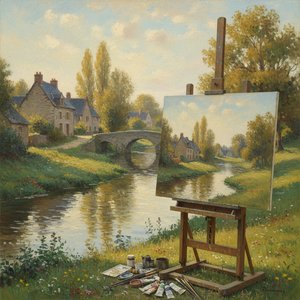
Gustave Loiseau: Capturing the Ephemeral Light of French Landscapes
Explore the captivating landscapes of Gustave Loiseau, a key Post-Impressionist painter. Discover his unique 'en treillis' technique and artistic legacy with our comprehensive guide.

Gustav Klimt: I 25 Capolavori Immortali dell'Arte e Decorazioni di Lusso
Esplora i 25 capolavori di Gustav Klimt, pittore simbolo dell'Art Nouveau. Scopri la storia, le tecniche e l'oro iconico delle sue opere più famose come 'Il Bacio'. Trova riproduzioni d'arte di alta qualità per decorare casa con stile su OriginalUniqueArt.com
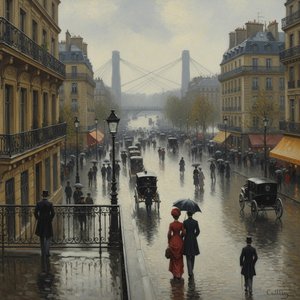
Gustave Caillebotte: Tra Realismo e Modernità nella Vita Parigina
Esplora la vita e l'opera di Gustave Caillebotte, pittore realista francese e figura chiave dell'Impressionismo. Analisi approfondite delle sue tele parigine, il suo ruolo da collezionista e il lascito artistico che lo rende un maestro senza tempo.


