Anteprima in scala reale
 Invia
Invia Condividi
 Dettagli opera
 Guida
Guida

 Scarica
 Simili
 Radiografia
 Slideshow
 Domande e risposte
 Statistiche
Water Serpents I

 Espandi i dettagli
Giclée / Stampe d'arte
Stampa giclée o su tela di qualità museale, con produzione rapida e diverse opzioni di finitura. ( Acquista il dipinto realizzato a mano Passa all'immagine digitale)




P118B €10

P118H €10

P118W €10

P438Z €10

P508JH €12

P508YH €12

P805H €10

P805Z €10

P919BZ €10

P919G €10

P919XJ €10

P959ZH €10

P968JZ €12

W106C €8

W218G €10

W218JH €8

W218Y €10

W307PJ €10

W316G €10

W316PJ €8

W316Y €10

W398PJ €8

W4111J €10

W500HY €15

W500JH €15

W692G €12

W849H €8

W940BG €15

W953PJ €8




Scegli tra le nostre dimensioni predefinite, che rispettano le proporzioni originali dell'opera d'arte.

Inserisci la larghezza e l'altezza desiderate, per adattarle alla tua cornice o alla tua parete. Una stampa può essere solo ritagliata, mai resa più grande dell'immagine originale; pertanto, un formato con una forma differente comporterà la perdita di una parte dell'opera. Ti invieremo un mockup digitale da approvare prima di procedere con la stampa. L'immagine mostrata in questa pagina non rappresenta il ritaglio reale — solo il mockup lo mostra.
Consegna in tutto il mondo () in 2 settimane invece delle normali 4/5 settimane. (7 Novembre)

Spedizione espressa gratuita in tutto il mondo

Tela in lino di alta qualità

Assicurazione completa sulla spedizione

Garanzia di rimborso dei dazi doganali

Garanzia di fedeltà cromatica assoluta

Politica di reso entro 100 giorni (solo per difetti di fabbricazione)

Garanzia di rimborso al 100%

Offerta per acquisti multipli
 L'opzione vetro è disponibile solo per dimensioni inferiori a 110 cm

Water Serpents I
Giclée / Stampe d'arte
Dimensioni riproduzione
-


Prezzo finale calcolato
€ 72
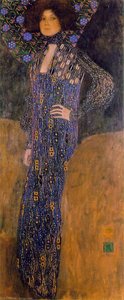
A Dance of Serpents and Gold: Exploring Gustav Klimt’s Water Serpents I
Gustav Klimt, born July 14, 1862, in Baumgarten near Vienna, emerged from a family marked by both artistic inclination and financial hardship. His father, Ernst Klimt, was a gold engraver—a profession that instilled in young Gustav an enduring fascination with the shimmering allure of gold leaf and the meticulous precision required to achieve its breathtaking beauty. Frequent relocations within Vienna shaped his formative years, fostering a keen observational eye and cultivating a sensitivity to human emotion – qualities that would become cornerstones of Klimt’s artistic vision. Already demonstrating exceptional drawing skills as a child, he pursued formal training at the Vienna Kunstgewerbeschule under Ferdinand Laufberger, gaining a foundational understanding of architectural painting alongside exposure to the dominant academic styles of his time.- Style: Klimt's Water Serpents I exemplifies Art Nouveau’s opulent aesthetic, characterized by flowing lines, organic motifs, and decorative embellishments. It rejects rigid formalism in favor of sensual curves and intricate patterns—a deliberate departure from the austere conventions of earlier artistic movements.
- Technique: Employing oil paint on canvas, Klimt utilized a layering technique known as cloisonné enamel, incorporating gold leaf to create luminous surfaces and heighten textural richness. This painstaking process resulted in an image that radiates warmth and depth—a testament to Klimt’s mastery of artistic craft.
Historical Context: Vienna Secession and Artistic Rebellion
Created between 1904 and 1907, Water Serpents I arose from the crucible of Vienna Secession – a movement spearheaded by Klimt himself and fellow artists who challenged the conservative artistic establishment. Rejecting academic traditions, Secession championed individualism and experimentation, advocating for a bold new vision of art that prioritized emotional expression over mere imitation. This rebellious spirit permeated Klimt’s oeuvre, informing his exploration of themes related to mythology, sexuality, and spirituality.Symbolism Unveiled: Serpents, Femininity, and Eternal Cycles
The painting's symbolism is rich and multilayered. The intertwined serpents represent duality—life and death, masculine and feminine—a recurring motif in Klimt’s work reflecting his interest in Jungian psychology. Surrounding a central female figure draped in flowing robes, the serpents symbolize fertility and regeneration, mirroring the cyclical nature of existence. The pervasive gold leaf serves as a visual metaphor for divinity and immortality, elevating the artwork beyond mere representation into a realm of spiritual contemplation.Emotional Resonance: Capturing Beauty’s Fragility
Water Serpents I transcends its formal elements to evoke profound emotional resonance. Klimt's masterful manipulation of color—primarily browns, blacks, and shimmering gold—creates an atmosphere of mystery and enchantment. The painting invites viewers into a contemplative space where beauty is juxtaposed with vulnerability, prompting reflection on themes of desire, transformation, and the enduring power of artistic vision. It remains a captivating testament to Klimt’s genius and a cornerstone of Symbolist art.Domande e risposte
Qual è la spiegazione relativa allo stato del copyright di "Water Serpents I" di Gustav Klimt?
Lo stato del copyright di "Water Serpents I" - di pubblico dominio - il copyright è scaduto - è determinato dalla data di morte dell'artista, avvenuta nel 1918.
Quale emozione trasmette "Water Serpents I"?
"Water Serpents I" di Gustav Klimt trasmette un tono emotivo Misterioso.
Dove posso acquistare una riproduzione dipinta a mano di "Water Serpents I" di Gustav Klimt?
Le riproduzioni dipinte a mano di "Water Serpents I" di Gustav Klimt sono disponibili su questo sito web: una riproduzione a olio dipinta a mano su tela di lino, ordinabili tramite la pagina Riproduzione dipinta a mano.
Biografia dell'artista
Gustav Klimt: Vita, Arte e Eredità
Primi Anni di Vita ed Educazione (1862-1883)
- Nato il 14 luglio 1862 a Baumgarten, vicino a Vienna, Austria.
- Figlio di Ernst Klimt, incisore d'oro, e Anna Finster. La sua famiglia affrontò difficoltà finanziarie, portando a frequenti trasferimenti all'interno di Vienna.
- Talento precoce: Dimostrò abilità disegniche preminenti coltivate dalla professione del padre e dalle inclinazioni artistiche familiari.
- Si iscrisse alla Vienna Kunstgewerbeschule (Scuola Politecnica) nel 1876, studiando pittura architettonica sotto Ferdinand Laufberger. Questo fornì una solida formazione tecnica ma lo espose anche a stili accademici tradizionali.
- Nel 1877, formò la “Compagnia degli Artisti” con suo fratello Ernst e Franz von Matsch, ottenendo commissioni per affreschi e soffitti.
La Compagnia degli Artisti e Primi Successi (1883-1900)
- Continuò a lavorare con la “Compagnia degli Artisti” dopo aver lasciato la Kunstgewerbeschule, ottenendo riconoscimento per progetti decorativi come affreschi al teatro municipale di Karlsbad e ai camini al Burgtheater di Vienna.
- Contribuì alle decorazioni del Kunsthistorisches Museum di Vienna, dimostrando competenza tecnica ma suggerendo un desiderio di rompere con i vincoli artistici.
Il Soffitto dell'Università di Vienna e Controversie (1900)
- Ricevette una prestigiosa commissione intorno al 1900 per dipingere affreschi sul soffitto della Grande Sala dell'Università di Vienna, rappresentando Filosofia, Diritto e Teologia.
- Opere controverse: Gli affreschi, in particolare *Filosofia*, furono ritenuti provocatori e persino pornografici dai critici, causando un clamore pubblico.
- Klimt rifiutò ulteriori commissioni pubbliche dopo la controversia, segnando una svolta nella sua carriera.
La “Fase Dorata” e Maturità Artistica (1901-1918)
- Entrò nella sua “fase dorata”, caratterizzata da un uso lussuoso della foglia d'oro ispirato ai mosaici bizantini e ai manoscritti miniati medievali.
- Opere chiave: *Il Bacio* (1907-1908) esemplifica lo stile opulento e la ricchezza simbolica di questo periodo.
- *Ritratti:* I ritratti come *Ritratto di Adele Bloch-Bauer I* (1907) divennero molto richiesti, mostrando la sua capacità di catturare sia la somiglianza fisica che la profondità psicologica.
- Integrava sempre più elementi decorativi nelle composizioni, sfumando i confini tra pittura e ornamentazione.
Influenze e Stile Artistico
- Hans Makart: Prime ammirazioni per il pittore storico di spicco di Vienna influenzarono la sua formazione accademica iniziale.
- Arte Giapponese (Japonismo): Profondamente influenzato dai stampe giapponesi, in particolare dalla loro prospettiva piatta, dai motivi decorativi e dall'enfasi sulla linea.
- Arte Bizantina: L'uso della foglia d'oro e dell'ornamentazione ricca nei mosaici bizantini ha profondamente influenzato la sua “fase dorata.”
- Caratteristiche dello stile: Unico mix di Simbolismo, Art Nouveau ed elementi decorativi; colori audaci, motivi intricati e rappresentazioni sensuali della figura femminile.
Anni Successivi e Eredità (1918)
- Continuò a dipingere prolificamente fino alla sua morte il 6 febbraio 1918, a causa di un colpo apoplettico.
- Le sue opere successive esplorarono forme più astratte e paesaggi, dimostrando un'evoluzione artistica continua.
- Significato storico: Riconosciuto come uno dei personaggi più importanti della storia dell'arte austriaca ed esponente di spicco del Secessione viennese. I suoi dipinti raggiungono prezzi elevati all'asta e la sua influenza è vista nell'arte e nel design contemporanei.
- Il Kunsthistorisches Museum di Vienna conserva una collezione significativa delle sue opere, assicurando che la sua eredità continui a ispirare.

Gustav Klimt
1862 - 1918 , Austria
Dettagli rapidi
- Artisti Influenti: ['Hans Makart']
- Artisti Influenzati: ['Egon Schiele']
- Data Di Morte: 6 febbraio 1918
- Data Di Nascita: 14 luglio 1862
- Luogo Di Nascita: Baumgarten, Austria
- Movimento Artistico: Simbolismo, Art Nouveau
- Nazionalità: Austriaco
- Nome Completo: Gustav Klimt
- Opere Notevoli:
- Il Bacio
- Adele Bloch-Bauer I
- Speranza
- Parco
- Isola nell'Attersee
Articoli correlati

L'Oro e la Fede: Segreti della Doratura Bizantina e del Rinascimento
Scopri i segreti della doratura bizantina e del Rinascimento tra tecnica e storia. Esplora la maestria dell'oro con noi.

I 25 Capolavori d'Oro di Gustav Klimt: Un Viaggio tra Splendore e Emozione
Scopri i 25 capolavori d'oro di Gustav Klimt e la Secessione Viennese. Esplora la collezione su OriginalUniqueArt.com.
L'Oro e la Fede: Segreti della Doratura e del Fondo Oro nell'Arte Bizantina
Scopri i segreti tecnici e il simbolismo sacro della doratura bizantina. Esplora l'arte dell'oro con noi.
Golden Splendor: An Editorial Journey Through Art's Most Radiant Masterpieces
Embark on a visual journey through the world's most radiant masterpieces. Discover how gold leaf, impasto textures, and gilded tones define luxury in fine art, from Byzantine icons to modern abstracts. Explore the eternal allure of gold in curated, museum-quality art collections.
The Allure of Gold in Art History: Symbolism, Technique & Cultural Significance
Explore the rich history of gold in art! Discover symbolism, techniques & cultural significance from ancient civilizations to Klimt's masterpieces. Expert insights for collectors at OriginalUniqueArt.