

 Anteprima in scala reale
 Invia
Invia Condividi
 Dettagli opera
 Guida
Guida

 Scarica
 Simili
 Radiografia
 Slideshow
 Statistiche
Gli amici dopo Gustav Klimt
 Acrilico su tela
- Opere da parete
- Vienna Secession
 1918
1918- Rinascimento
 MAK – Museo delle Arti Applicate
 Espandi i dettagli
Giclée / Stampe d'arte
Stampa giclée o su tela di qualità museale, con produzione rapida e diverse opzioni di finitura. ( Acquista il dipinto realizzato a mano Passa all'immagine digitale)




P118B €10

P118H €10

P118W €10

P438Z €10

P508JH €12

P508YH €12

P805H €10

P805Z €10

P919BZ €10

P919G €10

P919XJ €10

P959ZH €10

P968JZ €12

W106C €8

W218G €10

W218JH €8

W218Y €10

W307PJ €10

W316G €10

W316PJ €8

W316Y €10

W398PJ €8

W4111J €10

W500HY €15

W500JH €15

W692G €12

W849H €8

W940BG €15

W953PJ €8




Scegli tra le nostre dimensioni predefinite, che rispettano le proporzioni originali dell'opera d'arte.

Inserisci la larghezza e l'altezza desiderate, per adattarle alla tua cornice o alla tua parete. Una stampa può essere solo ritagliata, mai resa più grande dell'immagine originale; pertanto, un formato con una forma differente comporterà la perdita di una parte dell'opera. Ti invieremo un mockup digitale da approvare prima di procedere con la stampa. L'immagine mostrata in questa pagina non rappresenta il ritaglio reale — solo il mockup lo mostra.
Consegna in tutto il mondo () in 2 settimane invece delle normali 4/5 settimane. (28 Ottobre)

Spedizione espressa gratuita in tutto il mondo

Tela in lino di alta qualità

Assicurazione completa sulla spedizione

Garanzia di rimborso dei dazi doganali

Garanzia di fedeltà cromatica assoluta

Politica di reso entro 100 giorni (solo per difetti di fabbricazione)

Garanzia di rimborso al 100%

Offerta per acquisti multipli
 L'opzione vetro è disponibile solo per dimensioni inferiori a 110 cm

Gli amici dopo Gustav Klimt
Giclée / Stampe d'arte
Dimensioni riproduzione
-


Prezzo finale calcolato
€ 70
Gustav Klimt: A Master of Viennese Secession Elegance
Gustav Klimt (14 July 1862 – 6 February 1918) was an Austrian symbolist painter and a founding member of the Vienna Secession movement. His work helped define the Art Nouveau style in Europe. Klimt is known for his paintings, murals, sketches, and other objets d'art. Klimt’s primary subject was the female body, and his works are marked by a frank eroticism. Amongst his figurative works, which include allegories and portraits, he painted landscapes. He is best known for The Kiss and Portrait of Adele Bloch-Bauer I. Among the artists of the Vienna Secession, Klimt was the most influenced by Japanese art and its methods. Early in his career, he was a successful painter of architectural decorations in a conventional manner. As he began to develop a more personal style, his work was the subject of controversy that culminated when the paintings he completed around 1900 for the ceiling of the Great Hall of the University of Vienna were criticised as pornographic. He subsequently accepted no more public commissions, but achieved a new success with the paintings of his “golden phase,” many of which include gold leaf. Klimt’s masterful use of ornamentation and his rejection of academic conventions paved the way for subsequent generations of artists. His distinctive aesthetic captivated audiences and cemented his reputation as one of Austria's most important painters.- Early Life and Artistic Beginnings: Klimt was born in Baumgarten, near Vienna, in the Austrian Empire on 14 July 1862. He was the second of seven children: three boys and four girls. His father, Ernst Klimt, was a gold engraver, a profession that would subtly yet profoundly influence the young Gustav’s aesthetic sensibilities—the allure of gold leaf, the meticulous detail, the sheer opulence. The family's struggles meant frequent moves within Vienna, a transient upbringing that perhaps fostered in Klimt a keen observation of his surroundings and a sensitivity to human experience.
- The Künstlercompagnie: Klimt’s brother Ernst, who would become an engraver like their father, also enrolled in the Kunstgewerbeschule, where Klimt studied architectural painting from 1876 until 1883. He studied under Ferdinand Laufberger and later Julius Victor Berger after Laufberger's death in 1881. Klimt’s artistic vision was shaped by his teacher’s influence and he embraced the principles of conservative training; his early work may be classified as academic.
- The Secession Movement: Klimt joined the Vienna Secession movement in 1890, alongside artists like Emil Nolde and Oskar Kokoschka. This group challenged the prevailing artistic conventions of Viennese society and championed a new aesthetic rooted in Symbolism and Art Nouveau. The Secession’s rejection of academic traditions signaled a decisive break from the past and established Klimt as a pioneer of modern art.
“The Friends” – A Reflection of Klimt's Golden Phase
“The Friends,” painted in 1918 – tragically, the year of his death – offers a poignant glimpse into Klimt’s evolving style and enduring fascination with female companionship. While often overshadowed by his more iconic works like “The Kiss,” this painting resonates with a quiet intimacy and decorative richness that is quintessentially Klimt. It's not merely a portrait; it’s an evocation of a mood, a suggestion of shared secrets and the delicate bonds between women within the vibrant cultural landscape of Vienna at the turn of the century. The work, originally part of a portfolio published by Kunstverlag Hugo Heller & Cie shortly after Klimt’s passing, demonstrates his continued exploration of pattern, color, and symbolism even in his final years.- Composition and Technique: The image presents a close-up view, focusing on figures enveloped within an intricate tapestry of floral and leaf motifs – hallmarks of Klimt’s distinctive aesthetic. Klimt utilized gold leaf extensively, creating a luminous effect that contrasted with the darker hues of the surrounding foliage. His brushwork appeared looser, more expressive, particularly in the rendering of the figures' garments and surrounding foliage.
- Symbolism: The inclusion of birds—a phoenix alongside a raven and swan—adds layers of interpretation. The phoenix traditionally represents rebirth and renewal, while the raven often symbolizes death or ill omen, and the swan can represent grace but also deception. Their presence suggests a complex interplay of hope and foreboding, perhaps reflecting Klimt’s own awareness of his declining health and impending mortality.
- Interpretation: Like much of Klimt's oeuvre, “The Friends,” invites contemplation, evokes emotion, and celebrates the beauty of human connection. The ambiguous spatial arrangement—where background elements seem to merge with the figures—creates a dreamlike quality, inviting viewers to project their own interpretations onto the scene.
Legacy and Influence
Gustav Klimt's impact on the development of modern art is undeniable. His innovative use of ornamentation, his exploration of psychological themes, and his rejection of academic conventions paved the way for subsequent generations of artists. “The Friends,” though a relatively lesser-known work, encapsulates many of the qualities that made Klimt such a groundbreaking figure. It serves as a testament to his artistic vision and enduring legacy—a masterpiece of Symbolist art that continues to captivate and inspire viewers more than a century after its creation. For those seeking to bring a touch of Viennese Secession elegance into their homes or collections, a hand-painted reproduction of “The Friends” offers an opportunity to connect with a timeless work of art.Domande e risposte
A quale fase della carriera di Gustav Klimt appartiene "Gli amici dopo Gustav Klimt" (1918)?
Data la sua datazione al 1918, "Gli amici dopo Gustav Klimt" rientra nel Mature Period di Gustav Klimt.
I colori di "Gli amici dopo Gustav Klimt" appaiono intensi o delicati?
I colori di "Gli amici dopo Gustav Klimt" di Gustav Klimt hanno un'intensità Equilibrato.
Chi ha creato "Gli amici dopo Gustav Klimt"?
"Gli amici dopo Gustav Klimt" è attribuito a Gustav Klimt.
Biografia dell'artista
Gustav Klimt: Vita, Arte e Eredità
Primi Anni di Vita ed Educazione (1862-1883)
- Nato il 14 luglio 1862 a Baumgarten, vicino a Vienna, Austria.
- Figlio di Ernst Klimt, incisore d'oro, e Anna Finster. La sua famiglia affrontò difficoltà finanziarie, portando a frequenti trasferimenti all'interno di Vienna.
- Talento precoce: Dimostrò abilità disegniche preminenti coltivate dalla professione del padre e dalle inclinazioni artistiche familiari.
- Si iscrisse alla Vienna Kunstgewerbeschule (Scuola Politecnica) nel 1876, studiando pittura architettonica sotto Ferdinand Laufberger. Questo fornì una solida formazione tecnica ma lo espose anche a stili accademici tradizionali.
- Nel 1877, formò la “Compagnia degli Artisti” con suo fratello Ernst e Franz von Matsch, ottenendo commissioni per affreschi e soffitti.
La Compagnia degli Artisti e Primi Successi (1883-1900)
- Continuò a lavorare con la “Compagnia degli Artisti” dopo aver lasciato la Kunstgewerbeschule, ottenendo riconoscimento per progetti decorativi come affreschi al teatro municipale di Karlsbad e ai camini al Burgtheater di Vienna.
- Contribuì alle decorazioni del Kunsthistorisches Museum di Vienna, dimostrando competenza tecnica ma suggerendo un desiderio di rompere con i vincoli artistici.
Il Soffitto dell'Università di Vienna e Controversie (1900)
- Ricevette una prestigiosa commissione intorno al 1900 per dipingere affreschi sul soffitto della Grande Sala dell'Università di Vienna, rappresentando Filosofia, Diritto e Teologia.
- Opere controverse: Gli affreschi, in particolare *Filosofia*, furono ritenuti provocatori e persino pornografici dai critici, causando un clamore pubblico.
- Klimt rifiutò ulteriori commissioni pubbliche dopo la controversia, segnando una svolta nella sua carriera.
La “Fase Dorata” e Maturità Artistica (1901-1918)
- Entrò nella sua “fase dorata”, caratterizzata da un uso lussuoso della foglia d'oro ispirato ai mosaici bizantini e ai manoscritti miniati medievali.
- Opere chiave: *Il Bacio* (1907-1908) esemplifica lo stile opulento e la ricchezza simbolica di questo periodo.
- *Ritratti:* I ritratti come *Ritratto di Adele Bloch-Bauer I* (1907) divennero molto richiesti, mostrando la sua capacità di catturare sia la somiglianza fisica che la profondità psicologica.
- Integrava sempre più elementi decorativi nelle composizioni, sfumando i confini tra pittura e ornamentazione.
Influenze e Stile Artistico
- Hans Makart: Prime ammirazioni per il pittore storico di spicco di Vienna influenzarono la sua formazione accademica iniziale.
- Arte Giapponese (Japonismo): Profondamente influenzato dai stampe giapponesi, in particolare dalla loro prospettiva piatta, dai motivi decorativi e dall'enfasi sulla linea.
- Arte Bizantina: L'uso della foglia d'oro e dell'ornamentazione ricca nei mosaici bizantini ha profondamente influenzato la sua “fase dorata.”
- Caratteristiche dello stile: Unico mix di Simbolismo, Art Nouveau ed elementi decorativi; colori audaci, motivi intricati e rappresentazioni sensuali della figura femminile.
Anni Successivi e Eredità (1918)
- Continuò a dipingere prolificamente fino alla sua morte il 6 febbraio 1918, a causa di un colpo apoplettico.
- Le sue opere successive esplorarono forme più astratte e paesaggi, dimostrando un'evoluzione artistica continua.
- Significato storico: Riconosciuto come uno dei personaggi più importanti della storia dell'arte austriaca ed esponente di spicco del Secessione viennese. I suoi dipinti raggiungono prezzi elevati all'asta e la sua influenza è vista nell'arte e nel design contemporanei.
- Il Kunsthistorisches Museum di Vienna conserva una collezione significativa delle sue opere, assicurando che la sua eredità continui a ispirare.

Gustav Klimt
1862 - 1918 , Austria
Dettagli rapidi
- Artisti Influenti: ['Hans Makart']
- Artisti Influenzati: ['Egon Schiele']
- Data Di Morte: 6 febbraio 1918
- Data Di Nascita: 14 luglio 1862
- Luogo Di Nascita: Baumgarten, Austria
- Movimento Artistico: Simbolismo, Art Nouveau
- Nazionalità: Austriaco
- Nome Completo: Gustav Klimt
- Opere Notevoli:
- Il Bacio
- Adele Bloch-Bauer I
- Speranza
- Parco
- Isola nell'Attersee
Articoli correlati

The Vienna Secession: A Rebellion of Form & Spirit in Fin-de-Siècle Art
Discover the revolutionary Vienna Secession art movement! Explore Klimt, Olbrich & more. Learn about its history, characteristics & lasting influence on modern art. High-quality reproductions available.
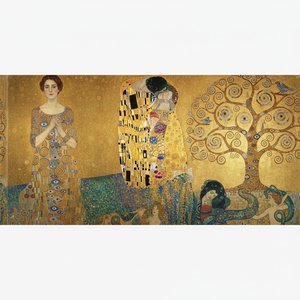
Gustav Klimt: I 25 Capolavori Immortali dell'Arte e Decorazioni di Lusso
Esplora i 25 capolavori di Gustav Klimt, pittore simbolo dell'Art Nouveau. Scopri la storia, le tecniche e l'oro iconico delle sue opere più famose come 'Il Bacio'. Trova riproduzioni d'arte di alta qualità per decorare casa con stile su OriginalUniqueArt.com
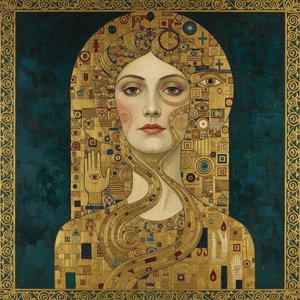
Gustav Klimt: Un'Eredità Dorata di Sensualità e Simbolismo nell'Arte Viennese
Esplora l'universo dorato di Gustav Klimt e la rivoluzionaria Secessione Viennese. Analisi approfondita del simbolismo, dei capolavori iconici e dell'eredità artistica che continua a ispirare.
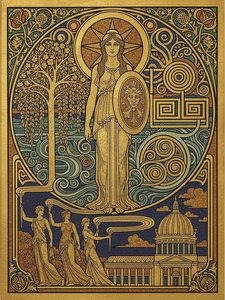
Vienna Secession: The Bold Revolution That Redefined Modern Art
Explore the profound impact of the Vienna Secession movement. Discover how visionaries like Gustav Klimt revolutionized modern art through symbolism, gold leaf, and bold ornamentation in this deep dive into the aesthetic revolution that redefined the visual landscape of Europe.
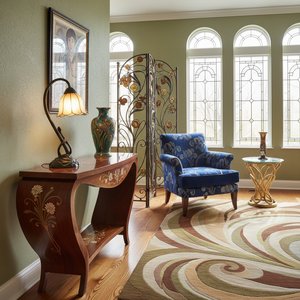
Art Nouveau: I 10 Capolavori che Hanno Definito un'Epoca | .it
Esplora i 10 capolavori che hanno definito l'Art Nouveau! Scopri le storie di Mucha, Klimt e altri maestri. Quadri iconici, colori vibranti e decorazioni uniche per la tua casa. Trova riproduzioni d'arte di alta qualità su .


