
 Anteprima in scala reale
 Condividi
 Condividi
 Dettagli

 Scarica immagine
 Articoli simili
 Radiografia
 Slideshow
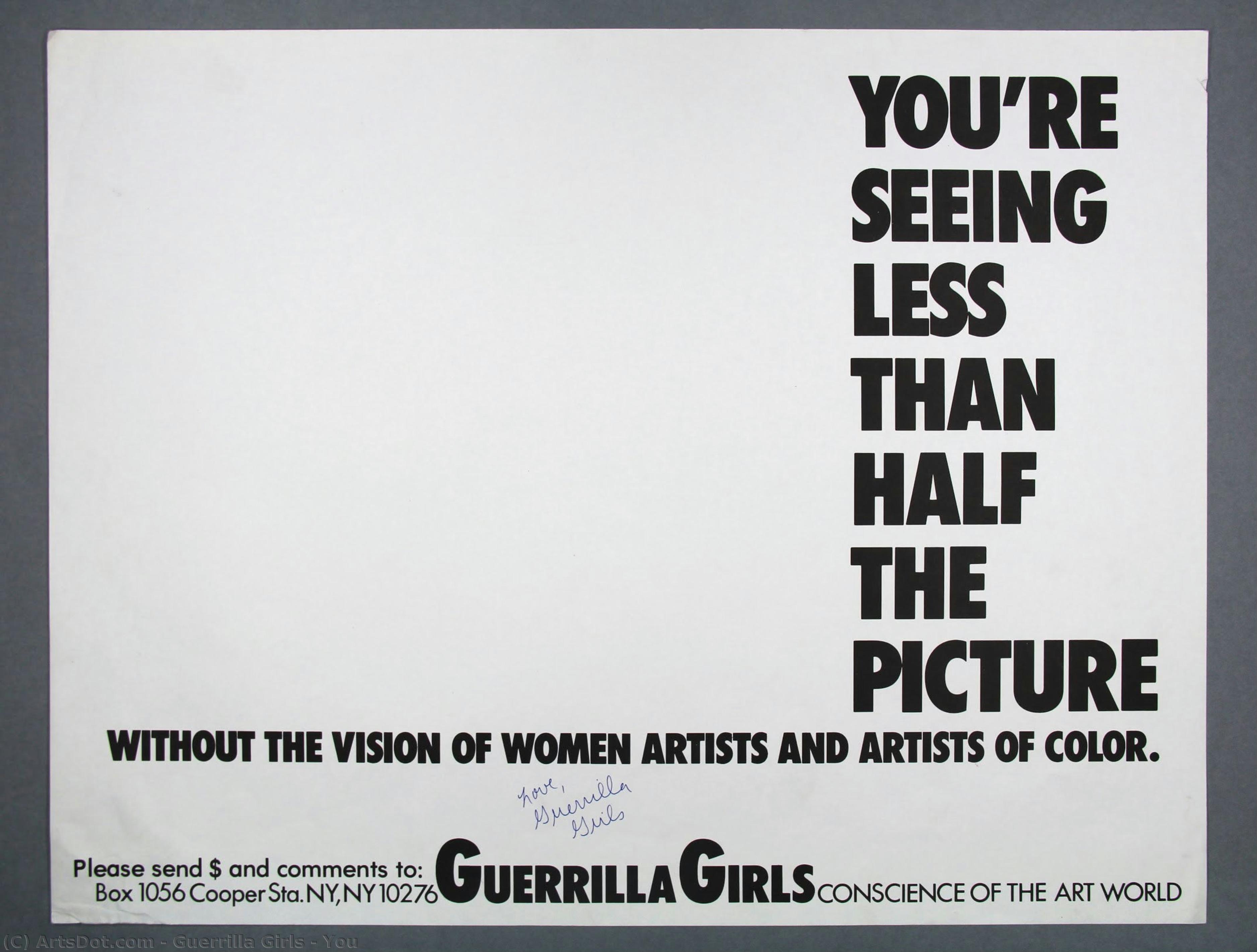
You

 Leggi tutto
Giclée / Stampe d'arte
Stampa giclée o su tela di qualità museale, con produzione rapida e diverse opzioni di finitura. ( Ordina la riproduzione dipinta a mano Acquista download)




































Scegli tra le nostre dimensioni predefinite, che rispettano le proporzioni originali dell'opera d'arte.

È possibile inserire dimensioni personalizzate per adattare l'opera a una cornice o a uno spazio specifico. Se la dimensione selezionata non corrisponde alle proporzioni dell'immagine originale, procederemo al ritaglio dell'opera o all'estensione dell'immagine con un bordo specchiato o a tinta unita. Un mockup digitale ti verrà inviato per approvazione prima dell'inizio della produzione.
Si prega di notare che l'anteprima a schermo non riflette il ritaglio o l'estensione effettivi. Solo il mockup mostrerà accuratamente la composizione finale.
Sebbene siano disponibili dimensioni personalizzate, si raccomanda di selezionare una dimensione dall'elenco predefinito per preservare le proporzioni originali.
Consegna in tutto il mondo () in 2 settimane invece delle normali 4/5 settimane. (14 Agosto)

Spedizione espressa gratuita in tutto il mondo

Tela in lino di alta qualità

Assicurazione completa sulla spedizione

Garanzia di rimborso dei dazi doganali

Garanzia di fedeltà cromatica dell'originale

Politica di reso entro 60 giorni (solo per difetti di fabbricazione)

Garanzia di rimborso al 100%

Sconto per acquisti multipli
 L'opzione vetro è disponibile solo per dimensioni inferiori a 110 cm

You
Giclée / Stampe d'arte
Dimensioni della riproduzione
-


Prezzo totale
$ 80
Biografia dell'artista
Guerrilla Girls: Disrupting Art History Through Bold Activism
The Guerrilla Girls emerged from New York City in 1985, a defiant reaction to the pervasive sexism and racial bias that characterized the art world at the time—a landscape dominated by male curators and directors. Their genesis wasn’t simply about artistic expression; it was fueled by a deep conviction that art could serve as a powerful instrument for social reform, mirroring the spirit of artists like Frida Kahlo who prioritized systemic change over personal recognition. As Kahlo famously declared, “Issues matter more than individual identities,” encapsulating the collective's core belief—a principle that continues to resonate today. Their initial impetus stemmed from a protest against the Museum of Modern Art’s (MoMA) board of directors—a group entirely comprised of men—which lacked representation for female artists and curators. This audacious act solidified their mission: to confront systemic inequalities within the artistic realm and beyond, utilizing provocative visual language alongside meticulous statistical data to expose injustices. Recognizing that conventional art channels wouldn't suffice, they adopted a tactic borrowed from activist traditions – culture jamming – transforming mundane spaces into canvases for critique. Hanging posters in prominent locations—often MoMA—staging surprise exhibitions in public squares, and disseminating information via online platforms became their signature methods. The Guerrilla Girls’ distinctive visual style—bold black and pink color palettes combined with striking statistics—amplified their messages and underscored the urgency of addressing inequalities. Their artwork isn't merely decorative; it’s meticulously crafted arguments for change—visual indictments of patriarchal structures and discriminatory practices. Recurring themes explored throughout their oeuvre include the underrepresentation of women artists, the lack of diversity on museum boards, and the perpetuation of stereotypical portrayals of femininity. They consistently champion marginalized voices and demand accountability from institutions responsible for shaping cultural discourse. Their methodology distinguishes itself through its unwavering commitment to exposing bias—a dedication that transcends aesthetic considerations. Rather than adhering to traditional art exhibition formats, they employ disruptive tactics like culture jamming – utilizing subversive headlines, outrageous visuals and killer statistics – to challenge dominant narratives and provoke dialogue about representation and power dynamics. This approach mirrors the spirit of Harriet Tubman who bravely defied societal constraints to advocate for human rights. Their insistence that “issues matter more than individual identities” resonated deeply with artists grappling with questions of social justice—inspiring them to confront systemic biases rather than focusing solely on personal experiences. The Guerrilla Girls’ influence extends beyond artistic practice; they have shaped broader conversations about gender and race in cultural institutions, prompting critical examination of power dynamics and advocating for inclusive practices. Their enduring legacy lies in their insistence on prioritizing systemic change over individual recognition—a principle that remains profoundly relevant in contemporary debates about diversity and inclusion within the arts and beyond. They continue to inspire artists and activists globally, reminding us that artistic expression can be transformative, fostering dialogue and prompting action toward achieving social equality.
Guerrilla Girls
Stati Uniti d'America
Informazioni rapide
- Artistic Movement Or Style: Culture jamming
- Artists Who Influenced This Artist:
- Frida Kahlo
- Käthe Kollwitz
- Alice Neel
- Date Of Birth: Living
- Full Name: Guerrilla Girls
- Nationality: American
- Notable Artworks:
- The Guerrilla Girls Are Coming poster
- Women - Their Work
- Place Of Birth: United States of America

