

 Anteprima in scala reale
 Condividi
 Condividi
 Dettagli
 Guida stampabile

 Scarica
 Articoli simili
 Radiografia
 Slideshow
 Statistiche
Susanna and the Elders
 Acrylic On Canvas
- WallArt
- Baroque Painting
 133.0 x 181.0 cm
 Palazzo della Pilotta
 Leggi tutto
Giclée / Stampe d'arte
Stampa giclée o su tela di qualità museale, con produzione rapida e diverse opzioni di finitura. ( Ordina la riproduzione dipinta a mano Passa all'immagine digitale)




P118B €10

P118H €10

P118W €10

P438Z €10

P508JH €12

P508YH €12

P805H €10

P805Z €10

P919BZ €10

P919G €10

P919XJ €10

P959ZH €10

P968JZ €12

W106C €8

W218G €10

W218JH €8

W218Y €10

W307PJ €10

W316G €10

W316PJ €8

W316Y €10

W398PJ €8

W4111J €10

W500HY €15

W500JH €15

W692G €12

W849H €8

W940BG €15

W953PJ €8




Scegli tra le nostre dimensioni predefinite, che rispettano le proporzioni originali dell'opera d'arte.

È possibile inserire dimensioni personalizzate per adattare l'opera a una cornice o a uno spazio specifico. Se la dimensione selezionata non corrisponde alle proporzioni dell'immagine originale, procederemo al ritaglio dell'opera o all'estensione dell'immagine con un bordo specchiato o a tinta unita. Un mockup digitale ti verrà inviato per approvazione prima dell'inizio della produzione.
Si prega di notare che l'anteprima a schermo non riflette il ritaglio o l'estensione effettivi. Solo il mockup mostrerà accuratamente la composizione finale.
Sebbene siano disponibili dimensioni personalizzate, si raccomanda di selezionare una dimensione dall'elenco predefinito per preservare le proporzioni originali.
Consegna in tutto il mondo () in 2 settimane invece delle normali 4/5 settimane. (7 Ottobre)

Spedizione espressa gratuita in tutto il mondo

Tela in lino di alta qualità

Assicurazione completa sulla spedizione

Garanzia di rimborso dei dazi doganali

Garanzia di perfetta fedeltà cromatica

Politica di reso entro 100 giorni (solo per difetti di fabbricazione)

Garanzia di rimborso al 100%

Sconto per acquisti multipli
 L'opzione vetro è disponibile solo per dimensioni inferiori a 110 cm

Susanna and the Elders
Giclée / Stampe d'arte
Dimensioni della riproduzione
-


Prezzo totale
€ 69
The Dramatic Narrative of Susanna and the Elders
Guercino’s “Susanna and the Elders,” painted around 1650, isn't merely a biblical scene; it’s a visceral exploration of virtue under duress, a masterful demonstration of Baroque drama, and a testament to the artist’s profound understanding of human psychology. The painting depicts a pivotal moment from the Book of Daniel – Susanna, a young woman renowned for her innocence and beauty, is falsely accused by two lecherous elders who have been captivated by her modest bathing habits. The composition immediately plunges the viewer into a world of heightened emotion: Susanna, rendered in a luminous white gown, sits poised on a simple stone ledge, her gaze directed heavenward with an expression of serene dignity and quiet apprehension. The stark contrast between her purity and the shadowed figures looming above her creates an immediate tension, hinting at the impending threat to her reputation and life.
- The Story’s Roots: The narrative itself is a potent allegory – Susanna represents chastity and virtue, while the elders embody lust and deceit. The story's enduring appeal lies in its exploration of moral temptation and the vulnerability of innocence against manipulative forces.
- Baroque Drama: Guercino was a master of dramatic lighting and composition, techniques central to the Baroque style. Notice how he uses chiaroscuro – the sharp contrast between light and dark – to sculpt Susanna’s form and emphasize her isolation within the scene. The deep shadows enveloping the elders heighten their sinister presence, while the soft glow illuminating Susanna underscores her virtue.
A Study in Technique: Guercino's Distinctive Style
Guercino’s artistic approach is immediately recognizable – a blend of meticulous detail and expressive dynamism. He was known for his incredibly detailed drawings, which informed his painting style, resulting in figures with remarkably realistic musculature and drapery. Observe the intricate folds of Susanna's gown, rendered with painstaking precision, as well as the subtle textures of the stone ledge beneath her. The artist’s use of color is equally noteworthy; he employs a palette dominated by muted earth tones – ochres, browns, and grays – punctuated by flashes of white for Susanna’s dress and the vibrant reds of the elders' robes. This restrained palette amplifies the emotional impact of the scene, creating a sense of solemnity and gravity.
Key Characteristics:- Detailed Draftsmanship: Guercino was renowned for his preparatory drawings, which demonstrate an extraordinary command of line and form.
- Chiaroscuro Mastery: His skillful manipulation of light and shadow creates a dramatic and emotionally charged atmosphere.
- Expressive Figures: The figures are not merely representations but embodiments of their emotions – Susanna’s serenity, the elders' lustful intent.
Symbolism and Interpretation
Beyond the straightforward narrative, “Susanna and the Elders” is rich in symbolic meaning. The setting itself—a simple stone ledge overlooking a tranquil pool—suggests vulnerability and exposure. The presence of the two elders, shrouded in shadow, represents the forces of temptation that threaten to corrupt innocence. Notably, the scene draws upon the Apocrypha – biblical texts not included in the Hebrew Bible – adding layers of complexity to its interpretation. The inclusion of the skull, a memento mori (reminder of death), subtly underscores the precariousness of Susanna’s situation and the ultimate triumph of virtue over mortality. The phrase “Et in Arcadia ego” (“Also in Paradise I am”) reinforces this theme, reminding us that even in idyllic settings, death is ever-present.
A Timeless Masterpiece: Guercino's Enduring Legacy
“Susanna and the Elders” remains a profoundly moving work of art, captivating viewers with its dramatic intensity, technical brilliance, and enduring moral themes. Guercino’s ability to convey complex emotions through carefully rendered figures and evocative lighting is truly remarkable. Reproductions of this painting continue to inspire admiration for its artistic merit and its poignant exploration of human nature. It stands as a powerful testament to the artist's skill and his profound understanding of the human condition, ensuring its place as a cornerstone of Baroque art.
Domande e risposte
"Susanna and the Elders" di Guercino è un'opera d'arte molto conosciuta?
"Susanna and the Elders" di Guercino ha un livello di popolarità Recognized. Questa classificazione riflette l'ampiezza della notorietà dell'opera.
A quale artista è attribuito "Susanna and the Elders"?
L'artista che ha creato "Susanna and the Elders" è Guercino. L'opera è catalogata sotto il nome di Guercino.
Qual è la dimensione di stampa consigliata per "Susanna and the Elders" di Guercino?
Per "Susanna and the Elders", si consiglia un formato di stampa Large. Sono disponibili altri formati con le stesse proporzioni.
In quale ambiente si consiglia di collocare "Susanna and the Elders" di Guercino?
"Susanna and the Elders" di Guercino è consigliato per un/una Living Room. Questo suggerimento si basa sul soggetto, sui colori e sull'atmosfera dell'opera.
Dove posso acquistare una riproduzione dipinta a mano di "Susanna and the Elders" di Guercino?
Puoi ordinare una riproduzione dipinta a mano di "Susanna and the Elders" di Guercino direttamente su questa pagina: una riproduzione a olio dipinta a mano su tela di lino, realizzata su ordinazione.
L'opera "Susanna and the Elders" si trova nel paese del suo creatore?
Sì - l'opera è conservata nel paese d'origine dell'artista. L'artista è nato in Italia; l'opera originale si trova in Italia.
"Susanna and the Elders" è disponibile come stampa d'arte?
Per ordinare una stampa di "Susanna and the Elders" di Guercino, ti basta procedere con l'ordine su questa pagina: una stampa fine art su tela di cotone o carta canvas d'archivio.
Biografia dell'artista
La Vita e la Formazione di Guercino
Giovanni Francesco Barbieri, meglio conosciuto come Il Guercino, nacque nel 1591 a Cento, vicino a Ferrara. La sua carriera artistica iniziò sotto la guida di Ludovico Carracci, un rinomato pittore bolognese. Questa formazione gettò le basi per il suo futuro successo.Lo Stile Artistico e le Opere Principali
Lo stile di Guercino è caratterizzato da un'illuminazione drammatica, intense emozioni e una fusione di realismo e idealismo, tratti distintivi del periodo barocco. Tra le sue opere più significative troviamo:- Ammon e Tamar (olio su tela, barocco) - una toccante rappresentazione della storia biblica.
- Il ritorno del figliol prodigo (olio su tela, barocco) - una potente raffigurazione di rimorso e perdono.
- La vocazione di San Luigi Gonzaga (olio su tela, barocco) - un capolavoro che mette in mostra l'abilità di Guercino nel catturare l'essenza delle narrazioni religiose.
Evoluzione Artistica e Influenze
Guercino iniziò la sua carriera con uno stile influenzato dai maestri ferraresi e bolognesi, come Scarsellino e Carlo Bononi. L’incontro con Ludovico Carracci fu fondamentale per la sua formazione. Successivamente, il suo lavoro subì una trasformazione significativa, abbandonando un approccio naturalistico per abbracciare un'idioma più classicista, influenzato da Guido Reni. Il periodo romano (1621-1622) segnò un punto di svolta nel suo stile, con l’adozione di una tavolozza più chiara e un maggiore equilibrio compositivo. Le critiche dei committenti portarono a modifiche successive nella sua tecnica, con un progressivo alleggerimento della palette e una riduzione dell'uso del chiaroscuro tenebroso.Riconoscimenti e Musei
Le opere di Guercino sono esposte in numerosi musei prestigiosi, tra cui:- Pinacoteca Nazionale di Ferrara - un museo che ospita una vasta collezione di arte italiana dal XIV al XVIII secolo.
- Museo Pinacoteca Nazionale di Ferrara - un esempio notevole dei contributi di Guercino alla scena artistica italiana.
- Palazzo Brignole-Sale (Italia)
Eredità e Influenza
L'influenza di Guercino sulla pittura barocca è innegabile. Il suo uso drammatico della luce e dell'ombra, unito alla sua capacità di evocare potenti emozioni, ha ispirato generazioni di artisti. La sua abilità nel rappresentare scene religiose con intensità emotiva e realismo lo ha reso una figura chiave nell’arte italiana, e il suo lascito continua a essere celebrato attraverso le sue opere, ora parte delle collezioni museali più rinomate del mondo. Benedetto Gennari il Giovane fu tra i suoi allievi più importanti.
Guercino
1591 - 1666 , Italia
Informazioni rapide
- Artistic Movement Or Style: Barocco
- Artists Or Movements Influenced By This Artist: ['Benedetto Gennari II']
- Artists Who Influenced This Artist: ['Ludovico Carracci']
- Date Of Birth: 8 febbraio 1591
- Date Of Death: 22 dicembre 1666
- Full Name: Giovanni Francesco Barbieri
- Nationality: Italiana
- Notable Artworks:
- Ammon e Tamar
- Il ritorno del figliol prodigo
- La vocazione di San Luigi Gonzaga
- Place Of Birth (City And Country): Cento, Italia
Articoli correlati

The Visceral Stage: Exploring Dramatic Narratives & Emotional Intensity in Baroque Art
Explore the dramatic world of Baroque art! Discover iconic masters like Caravaggio & Rembrandt, their techniques, and the movement's lasting impact. Expert insights for collectors & enthusiasts at OriginalUniqueArt.

I 10 Capolavori Barocchi che Hanno Definito un'Epoca | Arte e Decorazioni di Lusso
Esplora i 10 capolavori barocchi di Caravaggio, Bernini e Rembrandt che hanno rivoluzionato l'arte. Scopri storie, tecniche e colori iconici. Trova riproduzioni d'arte di alta qualità per la tua casa su !
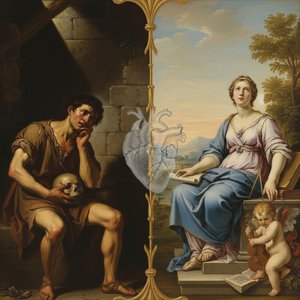
Guercino: Un Maestro del Barocco tra Caravaggismo e Classicismo – Esplorando Innovazione e Profondità Emotiva
Esplora la vita e le opere di Guercino, maestro del Barocco italiano. Analisi approfondite delle sue tecniche caravaggesche e classiciste, con focus su 'Et in Arcadia Ego'. Scopri l'influenza e l'eredità di questo grande artista.

The Dramatic Flourish: Exploring the Baroque Movement's Enduring Legacy in Art History
Explore the dramatic world of Baroque art! Discover iconic artists like Caravaggio & Rubens, defining techniques, and its lasting impact on art history. Expert insights for collectors & enthusiasts at OriginalUniqueArt.

Il Dramma Barocco: Portare Splendore ed Emozione negli Interni Contemporanei
Scopri come portare il dramma e lo splendore dell'arte barocca nei tuoi interni con . Riproduzioni di alta qualità, consulenza d'arte personalizzata e ispirazione per uno stile unico.
