

 Anteprima in scala reale
 Condividi
 Condividi
 Dettagli

 Scarica
 Articoli simili
 Radiografia
 Slideshow
 Statistiche
St Peter and the angel
 Acrilico su tela
- Opere da parete
- Baroque Painting
 1650
1650 30.0 x 21.0 cm
 Art Gallery of South Australia
 Leggi tutto
Giclée / Stampe d'arte
Stampa giclée o su tela di qualità museale, con produzione rapida e diverse opzioni di finitura. ( Ordina la riproduzione dipinta a mano Passa all'immagine digitale)




P118B $10

P118H $10

P118W $10

P438Z $10

P508JH $12

P508YH $12

P805H $10

P805Z $10

P919BZ $10

P919G $10

P919XJ $10

P959ZH $10

P968JZ $12

W106C $8

W218G $10

W218JH $8

W218Y $10

W307PJ $10

W316G $10

W316PJ $8

W316Y $10

W398PJ $8

W4111J $10

W500HY $15

W500JH $15

W692G $12

W849H $8

W940BG $15

W953PJ $8




Scegli tra le nostre dimensioni predefinite, che rispettano le proporzioni originali dell'opera d'arte.

È possibile inserire dimensioni personalizzate per adattare l'opera a una cornice o a uno spazio specifico. Se la dimensione selezionata non corrisponde alle proporzioni dell'immagine originale, procederemo al ritaglio dell'opera o all'estensione dell'immagine con un bordo specchiato o a tinta unita. Un mockup digitale ti verrà inviato per approvazione prima dell'inizio della produzione.
Si prega di notare che l'anteprima a schermo non riflette il ritaglio o l'estensione effettivi. Solo il mockup mostrerà accuratamente la composizione finale.
Sebbene siano disponibili dimensioni personalizzate, si raccomanda di selezionare una dimensione dall'elenco predefinito per preservare le proporzioni originali.
Consegna in tutto il mondo () in 2 settimane invece delle normali 4/5 settimane. (19 Settembre)

Spedizione espressa gratuita in tutto il mondo

Tela in lino di alta qualità

Assicurazione completa sulla spedizione

Garanzia di rimborso dei dazi doganali

Garanzia di perfetta fedeltà cromatica

Politica di reso entro 100 giorni (solo per difetti di fabbricazione)

Garanzia di rimborso al 100%

Sconto per acquisti multipli
 L'opzione vetro è disponibile solo per dimensioni inferiori a 110 cm

St Peter and the angel
Giclée / Stampe d'arte
Dimensioni della riproduzione
-


Prezzo totale
$ 80
St Peter and the Angel: A Vision of Divine Comfort
Guercino’s “St Peter and the Angel” is not merely a depiction of biblical figures; it's an intensely felt moment of solace, rendered with a raw emotionalism that distinguishes the artist from his more polished contemporaries. Painted in 1650, this work, measuring a modest 30 x 21 cm, embodies the turbulent spirit of Baroque Italy – a world grappling with religious fervor and social upheaval, yet simultaneously yearning for moments of grace and spiritual connection. The scene unfolds within a dimly lit chamber, suggesting an intimate setting where Peter, depicted in repose on a simple bed, receives comfort from an angel hovering above him. This isn’t the idealized serenity often found in religious art; instead, there's a palpable vulnerability in Peter’s posture, his arms outstretched as if seeking reassurance. The angel, rendered with a gentle, almost melancholic expression, offers not just support but a profound sense of understanding – a silent acknowledgment of earthly burdens.
Guercino’s distinctive style is immediately apparent. He eschews the smooth, polished surfaces favored by many of his time, opting instead for a deliberately rough and expressive application of paint. Notice the visible brushstrokes, particularly in the drapery and the angel's wings, which seem to ripple with movement. This technique, combined with his masterful use of chiaroscuro – the dramatic contrast between light and shadow – creates an atmosphere of heightened emotion and psychological depth. The muted palette, dominated by browns, ochres, and deep blues, further contributes to the painting’s somber yet comforting mood. The artist's background in drawing is evident in the meticulous detail with which he renders Peter’s face and hands, conveying a sense of humanity rarely found in grand religious narratives.
A Study in Symbolism and Spiritual Narrative
Beyond its immediate depiction, “St Peter and the Angel” is rich in symbolic meaning. The bed itself represents vulnerability and surrender – Peter, a figure known for his earthly failings (his denial of Christ), is presented as open to divine grace. The angel’s presence signifies God's unwavering compassion and forgiveness. The positioning of the figures—Peter lying down, the angel standing above—highlights the dynamic between humility and authority, suggesting that true strength lies in acknowledging one’s need for guidance. The overall composition draws heavily on biblical themes of repentance and redemption, but Guercino imbues them with a profoundly personal and relatable quality.
Interestingly, the painting's historical context adds another layer of interpretation. The mid-17th century was a period of intense religious debate in Italy, marked by the Counter-Reformation and the rise of the Catholic Church’s efforts to combat Protestantism. In this environment, art served as a powerful tool for conveying religious messages. Guercino's work, with its emphasis on emotional sincerity and human vulnerability, aligns perfectly with the Church’s desire to reconnect with the faithful through relatable imagery. The scene resonates with the idea of divine mercy—a key tenet of Catholic theology during this era.
The Artist and His Legacy
Giovanni Francesco Barbieri, known as Il Guercino (the squint), was a complex and often misunderstood artist. Born in Cento in 1591, his early life was marked by unconventional training—he largely taught himself, developing a strikingly individual style that defied the conventions of the Bolognese school. His work is characterized by its dramatic intensity, expressive brushwork, and profound psychological insight. Guercino’s career spanned several decades, during which he produced a vast body of paintings, drawings, and etchings. He was particularly renowned for his depictions of biblical scenes and portraits, often infused with a sense of urgency and emotional turmoil.
Despite facing periods of financial hardship and professional setbacks, Guercino remained committed to his artistic vision until his death in 1666. His legacy is one of innovation and emotional depth—he pushed the boundaries of Baroque painting, creating works that continue to captivate viewers with their raw honesty and profound spiritual resonance. Reproductions of “St Peter and the Angel” offer a remarkable opportunity to experience this powerful artwork firsthand, allowing us to appreciate the genius of Guercino’s vision and his enduring contribution to the history of art.
Further Research & Reproduction Details
- Useful Links:
- St Peter's Basilica, Vatican City
- St Peter’s College, Oxford
- St Peter's House, Stromness
Additional Research: The painting is available as a high-quality hand-painted reproduction by OriginalUniqueArt.com, capturing the artist’s signature style and emotional intensity. Explore our collection for a stunning addition to your home or office – a timeless reminder of faith, compassion, and the enduring power of human connection.
Biografia dell'artista
La Vita e la Formazione di Guercino
Giovanni Francesco Barbieri, meglio conosciuto come Il Guercino, nacque nel 1591 a Cento, vicino a Ferrara. La sua carriera artistica iniziò sotto la guida di Ludovico Carracci, un rinomato pittore bolognese. Questa formazione gettò le basi per il suo futuro successo.Lo Stile Artistico e le Opere Principali
Lo stile di Guercino è caratterizzato da un'illuminazione drammatica, intense emozioni e una fusione di realismo e idealismo, tratti distintivi del periodo barocco. Tra le sue opere più significative troviamo:- Ammon e Tamar (olio su tela, barocco) - una toccante rappresentazione della storia biblica.
- Il ritorno del figliol prodigo (olio su tela, barocco) - una potente raffigurazione di rimorso e perdono.
- La vocazione di San Luigi Gonzaga (olio su tela, barocco) - un capolavoro che mette in mostra l'abilità di Guercino nel catturare l'essenza delle narrazioni religiose.
Evoluzione Artistica e Influenze
Guercino iniziò la sua carriera con uno stile influenzato dai maestri ferraresi e bolognesi, come Scarsellino e Carlo Bononi. L’incontro con Ludovico Carracci fu fondamentale per la sua formazione. Successivamente, il suo lavoro subì una trasformazione significativa, abbandonando un approccio naturalistico per abbracciare un'idioma più classicista, influenzato da Guido Reni. Il periodo romano (1621-1622) segnò un punto di svolta nel suo stile, con l’adozione di una tavolozza più chiara e un maggiore equilibrio compositivo. Le critiche dei committenti portarono a modifiche successive nella sua tecnica, con un progressivo alleggerimento della palette e una riduzione dell'uso del chiaroscuro tenebroso.Riconoscimenti e Musei
Le opere di Guercino sono esposte in numerosi musei prestigiosi, tra cui:- Pinacoteca Nazionale di Ferrara - un museo che ospita una vasta collezione di arte italiana dal XIV al XVIII secolo.
- Museo Pinacoteca Nazionale di Ferrara - un esempio notevole dei contributi di Guercino alla scena artistica italiana.
- Palazzo Brignole-Sale (Italia)
Eredità e Influenza
L'influenza di Guercino sulla pittura barocca è innegabile. Il suo uso drammatico della luce e dell'ombra, unito alla sua capacità di evocare potenti emozioni, ha ispirato generazioni di artisti. La sua abilità nel rappresentare scene religiose con intensità emotiva e realismo lo ha reso una figura chiave nell’arte italiana, e il suo lascito continua a essere celebrato attraverso le sue opere, ora parte delle collezioni museali più rinomate del mondo. Benedetto Gennari il Giovane fu tra i suoi allievi più importanti.
Guercino
1591 - 1666 , Italia
Informazioni rapide
- Artistic Movement Or Style: Barocco
- Artists Or Movements Influenced By This Artist: ['Benedetto Gennari II']
- Artists Who Influenced This Artist: ['Ludovico Carracci']
- Date Of Birth: 8 febbraio 1591
- Date Of Death: 22 dicembre 1666
- Full Name: Giovanni Francesco Barbieri
- Nationality: Italiana
- Notable Artworks:
- Ammon e Tamar
- Il ritorno del figliol prodigo
- La vocazione di San Luigi Gonzaga
- Place Of Birth (City And Country): Cento, Italia
Articoli correlati

The Dramatic Flourish: Exploring the Baroque Movement's Enduring Legacy in Art History
Explore the dramatic world of Baroque art! Discover iconic artists like Caravaggio & Rubens, defining techniques, and its lasting impact on art history. Expert insights for collectors & enthusiasts at OriginalUniqueArt.

I 10 Capolavori Barocchi che Hanno Definito un'Epoca | Arte e Decorazioni di Lusso
Esplora i 10 capolavori barocchi di Caravaggio, Bernini e Rembrandt che hanno rivoluzionato l'arte. Scopri storie, tecniche e colori iconici. Trova riproduzioni d'arte di alta qualità per la tua casa su !

Celestial Messengers: A Comprehensive Exploration of Angelic Representation in Art History
Explore the captivating history of angels in art! Discover symbolism, iconic Renaissance masterpieces & renowned artists. Expert insights for art lovers & collectors at OriginalUniqueArt.

Celestial Messengers: Angels in Painting – A Historical & Artistic Exploration
Explore the captivating history of angels in painting! Discover symbolism, iconic Renaissance & Byzantine masterpieces, and renowned artists. Expert insights for art lovers & collectors at OriginalUniqueArt.
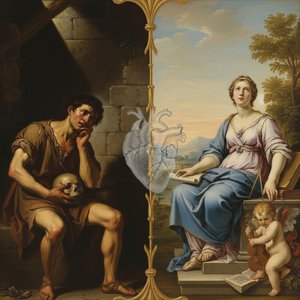
Guercino: Un Maestro del Barocco tra Caravaggismo e Classicismo – Esplorando Innovazione e Profondità Emotiva
Esplora la vita e le opere di Guercino, maestro del Barocco italiano. Analisi approfondite delle sue tecniche caravaggesche e classiciste, con focus su 'Et in Arcadia Ego'. Scopri l'influenza e l'eredità di questo grande artista.
