Anteprima in scala reale
 Condividi
 Condividi
 Dettagli
 Guida stampabile

 Scarica
 Articoli simili
 Radiografia
 Slideshow
 Statistiche
Spring In Town


 Leggi tutto
Riproduzione a olio fatta a mano
Olio su tela dipinto a mano nelle tue dimensioni e con la tua cornice, realizzato su ordinazione dai nostri artisti. ( Passa alle stampe Passa all'immagine digitale)




P118B €10

P118H €10

P118W €10

P438Z €10

P508JH €12

P508YH €12

P805H €10

P805Z €10

P919BZ €10

P919G €10

P919XJ €10

P959ZH €10

P968JZ €12

W106C €8

W218G €10

W218JH €8

W218Y €10

W307PJ €10

W316G €10

W316PJ €8

W316Y €10

W398PJ €8

W4111J €10

W500HY €15

W500JH €15

W692G €12

W849H €8

W940BG €15

W953PJ €8




Scegli tra le nostre dimensioni predefinite, che rispettano le proporzioni originali dell'opera d'arte.

Inserisci la larghezza e l'altezza di cui hai bisogno, per adattarle alla tua cornice o alla tua parete. Trattandosi di un'opera dipinta a mano, in caso di dimensioni con una forma differente, l'artista può dipingere un po' più oltre i bordi dell'immagine o ritagliare leggermente — la scelta spetta a te. Ti invieremo un mockup digitale da approvare prima che la pittura abbia inizio. L'immagine mostrata in questa pagina non rappresenta il risultato reale — solo il mockup lo fa.
Dopo l'ordine, il team di OriginalUniqueArt.com contatterà il cliente via e-mail per ricevere le istruzioni e fornirà un'anteprima del mockup
Consegna in tutto il mondo () in 3/4 settimane anziché nelle normali 5 settimane. (23 Ottobre). Nessun compromesso sulla qualità.

Spedizione espressa gratuita in tutto il mondo

Tela in lino di alta qualità

Assicurazione completa sulla spedizione

Garanzia di rimborso dei dazi doganali

Garanzia di perfetta fedeltà cromatica

Politica di reso entro 100 giorni (solo per difetti di fabbricazione)

Garanzia di rimborso al 100%

Sconto per acquisti multipli
 L'opzione vetro è disponibile solo per dimensioni inferiori a 110 cm

Spring In Town
Tecnica di riproduzione
Dimensioni della riproduzione
-


Prezzo totale
€ 264
Style and Technique
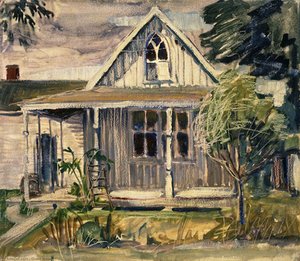
Grant Wood's style is characterized by his use of bold lines, vibrant colors, and meticulous attention to detail. In Spring in Town, he employs a range of techniques to create a sense of depth and texture, drawing the viewer into the heart of the town. The painting's composition is carefully balanced, with the central figure of a shirtless man working in his garden, surrounded by lush foliage and quaint buildings.Depiction of Small-Town Life
The painting is a celebration of small-town life, showcasing the daily activities and routines of its inhabitants. The scene is filled with a sense of community and camaraderie, as people go about their daily business, unaware of the viewer's gaze. The inclusion of various objects, such as potted plants, chairs, and a dining table, adds to the sense of warmth and hospitality that pervades the town.- The painting's use of color is noteworthy, with a palette that ranges from soft pastels to vibrant hues, creating a sense of vibrancy and energy.
- The attention to detail is impressive, with each element carefully rendered to create a sense of authenticity and realism.
- The overall atmosphere of the painting is one of peace and tranquility, inviting the viewer to step into the world of the town.
For more information on Grant Wood and his works, visit https://OriginalUniqueArt.com, which offers a range of handmade oil paintings reproductions, including American Gothic and other notable works. Additionally, Wikipedia provides a comprehensive overview of Grant Wood's life and career, including his contributions to the Regionalist movement.
Domande e risposte
In quale stanza si consiglia di esporre "Spring In Town" di Grant Wood?
Una riproduzione di "Spring In Town" si adatta perfettamente a un/una Living Room.
Chi ha creato "Spring In Town"?
L'artista che ha creato "Spring In Town" è Grant Wood. L'opera è catalogata sotto il nome di Grant Wood.
Quale colore domina la composizione di "Spring In Town" di Grant Wood?
Il colore dominante di "Spring In Town" di Grant Wood è Driftwood (#d7b34f).
Biografia dell'artista
La Vita e la Carriera di Grant Wood
Grant DeVolson Wood, nato il 13 febbraio 1891 ad Anamosa, Iowa, è stato un pittore americano fondamentale del movimento Regionalista. La sua vita subì una svolta significativa nel 1901 con la morte del padre, evento che portò la madre a trasferire la famiglia a Cedar Rapids. Iniziò come apprendista in una fabbrica di metalli locale e successivamente si iscrisse alla Handicraft Guild, una scuola d'arte gestita da donne a Minneapolis nel 1910.
Influenze Artistiche e Stile
Lo stile artistico di Wood fu fortemente influenzato da Jan van Eyck, un artista fiammingo del XV secolo noto per la sua chiarezza tecnica. Questa influenza è evidente nel suo lavoro più famoso, American Gothic, un dipinto iconico del XX secolo. L'associazione di Wood con il movimento Regionalista americano, che enfatizzava scene realistiche della vita rurale e delle piccole città americane, consolidò ulteriormente la sua immagine classicamente americana.
Opere Principali e Contributi
- American Gothic (1930) - Un'icona culturale ampiamente riconosciuta, paragonabile alla Gioconda di Leonardo da Vinci e allo Scream di Edvard Munch.
- La Stone City Art Colony (1932) - Fondata da Wood vicino alla sua città natale per sostenere gli artisti durante la Grande Depressione.
- Insegnamento presso la School of Art dell'Università dell'Iowa dal 1934 al 1941.
Sviluppo Artistico e Temi Chiave
Dopo un periodo di studio a Chicago e viaggi in Europa, Wood sviluppò uno stile distintivo caratterizzato da una precisione quasi fotografica e da una forte attenzione ai dettagli. I suoi dipinti spesso raffiguravano scene della vita rurale dell'Iowa, ritratti di persone comuni e architetture tipiche del Midwest. Wood era interessato a catturare l'essenza della cultura americana, con particolare attenzione alla sua componente rurale e alle sue tradizioni. La sua opera American Gothic, in particolare, è diventata un simbolo dell'identità americana, anche se inizialmente suscitò polemiche per la sua rappresentazione percepita come satirica degli abitanti dell'Iowa.
Eredità e Significato Storico
Grant Wood morì il 12 febbraio 1942 all'età di 51 anni a causa del cancro al pancreas. La sua eredità continua a ispirare artisti e appassionati d'arte in tutto il mondo. Il suo lavoro è esposto in importanti musei, tra cui il Figge Art Museum di Davenport, Iowa, dove si trova gran parte dei suoi effetti personali e delle sue opere d'arte. Wood rimane una figura chiave nel movimento Regionalista americano, celebrato per la sua capacità di catturare l'autenticità e la resilienza della vita rurale americana.
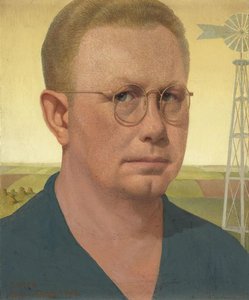
Grant Wood
1891 - 1942 , Stati Uniti d'America
Informazioni rapide
- Artisti Influenti: ['Jan van Eyck']
- Data Di Morte: 12 febbraio 1942
- Data Di Nascita: 13 febbraio 1891
- Luogo Di Nascita: Anamosa, Stati Uniti
- Movimento Artistico: Regionalismo americano
- Nazionalità: Americana
- Nome Completo: Grant Wood
- Opere Notevoli:
- American Gothic
- Figlie della Rivoluzione
- Schizzo per casa in American Gothic
Articoli correlati
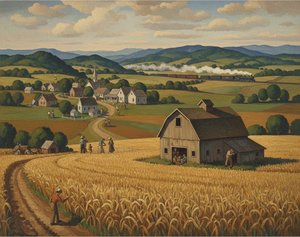
American Regionalism: Capturing the Soul of the Heartland through the Lens of Art History
Explore the profound beauty of American Regionalism. Delve into the art history of Grant Wood and John Steuart Curry, uncovering how these masters captured the soul of the American Heartland through iconic landscapes and rural identity.

American Regionalism: The Soul of the Heartland and the Mastery of Grant Wood
Explore the profound history of American Regionalism. Discover how Grant Wood captured the heart of the Midwest through masterpieces like American Gothic. An expert guide to the movement, its cultural impact, and the enduring beauty of American Realism.
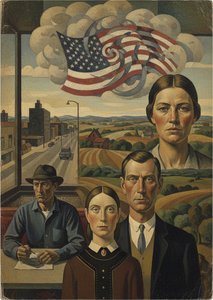
Echoes of Place: Regionalism & American Identity in Interwar Art
Explore the rise of American Regionalism in interwar art! Discover Grant Wood, Thomas Hart Benton & the movement's impact on American identity. Expert analysis & historical context.

Grant Wood e il Regionalismo Americano: Identità, Mito e Paesaggio Rurale
Esplora il Regionalismo Americano con Grant Wood e i suoi capolavori. Analisi approfondita di 'American Gothic', contesto storico, influenze artistiche e l'eredità di questo movimento iconico. Scopri la vera essenza dell'arte rurale americana.
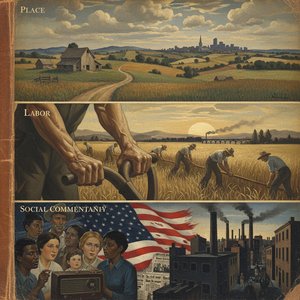
American Regionalism: A Crucible of Identity – Exploring Themes of Place, Labor & Social Commentary
Explore American Regionalism's powerful depiction of the American heartland during the Great Depression. Discover Grant Wood, Thomas Hart Benton & more. Expert analysis & high-quality art reproductions at OriginalUniqueArt.