Anteprima in scala reale
 Condividi
 Condividi
 Dettagli
 Guida stampabile

 Scarica
 Articoli simili
 Radiografia
 Slideshow
 Statistiche
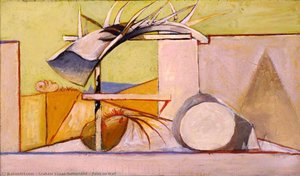
The Deposition
 Oil On Canvas
- WallArt
- Expressionism
 1947
1947- Renaissance
 50.0 x 45.0 cm
 Università di Oxford Brookes
 Leggi tutto
L'opera d'arte visualizzata in questa pagina è protetta dalle leggi sul diritto d'autore, il che significa che non possiamo legalmente creare o vendere una riproduzione identica. Tale protezione è garantita da accordi internazionali quali la Convenzione di Berna e dalle leggi nazionali, incluse quelle stabilite da Legge sul copyright degli Stati Uniti - Titolo 17. Tutti i diritti riservati. Le immagini presenti su questo sito sono protette da copyright e non possono essere riprodotte o utilizzate senza l'autorizzazione scritta di WahooArt.com o dei rispettivi proprietari del copyright.
Questo metodo è pienamente conforme alle normative sul diritto d'autore poiché non prevede la copia o la duplicazione dell'opera protetta. Si tratta invece di una rielaborazione creativa: un nuovo dipinto che trae ispirazione dall'originale, senza tuttavia esserne identico.
Giclée / Stampe d'arte
Stampa giclée o su tela di qualità museale, con produzione rapida e diverse opzioni di finitura. ( Ordina la riproduzione dipinta a mano Passa all'immagine digitale)




P118B €10

P118H €10

P118W €10

P438Z €10

P508JH €12

P508YH €12

P805H €10

P805Z €10

P919BZ €10

P919G €10

P919XJ €10

P959ZH €10

P968JZ €12

W106C €8

W218G €10

W218JH €8

W218Y €10

W307PJ €10

W316G €10

W316PJ €8

W316Y €10

W398PJ €8

W4111J €10

W500HY €15

W500JH €15

W692G €12

W849H €8

W940BG €15

W953PJ €8




Scegli tra le nostre dimensioni predefinite, che rispettano le proporzioni originali dell'opera d'arte.

Inserisci la larghezza e l'altezza desiderate, per adattarle alla tua cornice o alla tua parete. Una stampa può essere solo ritagliata, mai resa più grande dell'immagine originale; pertanto, un formato con una forma differente comporterà la perdita di una parte dell'opera. Ti invieremo un mockup digitale da approvare prima di procedere con la stampa. L'immagine mostrata in questa pagina non rappresenta il ritaglio reale — solo il mockup lo mostra.
Consegna in tutto il mondo () in 2 settimane invece delle normali 4/5 settimane. (24 Ottobre)

Spedizione espressa gratuita in tutto il mondo

Tela in lino di alta qualità

Assicurazione completa sulla spedizione

Garanzia di rimborso dei dazi doganali

Garanzia di perfetta fedeltà cromatica

Politica di reso entro 100 giorni (solo per difetti di fabbricazione)

Garanzia di rimborso al 100%

Sconto per acquisti multipli
 L'opzione vetro è disponibile solo per dimensioni inferiori a 110 cm

The Deposition
Giclée / Stampe d'arte
Dimensioni della riproduzione
-


Prezzo totale
€ 70
The Deposition: A Study in Grief and Hope
Graham Vivian Sutherland’s “The Deposition,” painted in 1947, is not merely a depiction of a biblical scene; it's a profoundly moving meditation on loss, sacrifice, and the enduring promise of redemption. This oil painting, now meticulously reproduced as a hand-painted artwork by OriginalUniqueArt, transcends its religious subject matter to become a universal symbol of human suffering and the quiet strength found within grief. Sutherland, a master of subtly shifting styles – from the precise detail of his early engravings to the evocative abstraction of his later landscapes – here fuses elements of Surrealism and Expressionism, creating an image that is both unsettlingly realistic and deeply symbolic.
The painting’s genesis lies in a period of immense upheaval. Created in the immediate aftermath of World War II, Sutherland was grappling with the horrors he had witnessed and the profound sense of loss felt across Europe. The influence of the Holocaust, particularly the images of emaciated survivors emerging from concentration camps, is undeniably present. The stark simplicity of the figures – Christ’s body draped over a rough-hewn wooden structure resembling a tomb or sarcophagus – immediately evokes the skeletal remains seen in photographs of those liberated from Belsen. The pallid skin tone, devoid of detail and rendered with a deliberate lack of emotional expression, amplifies this sense of profound absence. Yet, within this bleakness, Sutherland introduces subtle gestures that hint at an underlying current of hope: Mary’s outstretched hand reaching towards her son, Joseph’s stoic support, and the faint suggestion of a halo around Christ's head.
A Palette of Somber Reflection
Sutherland’s masterful use of color contributes significantly to the painting’s emotional impact. The palette is dominated by muted earth tones – ochre, browns, and grays – creating an atmosphere of quiet melancholy and introspection. These somber hues are punctuated by flashes of blue in Mary's garment, a subtle reminder of her maternal grief and the Virgin’s enduring sorrow. The background, rendered in a warm yellowish-brown, provides a sense of depth and anchors the scene within an enclosed space – perhaps a tomb or a simple chapel – intensifying the feeling of confinement and despair. The deliberate lack of strong light sources further enhances this mood, casting the figures in a perpetual twilight that mirrors the spiritual darkness surrounding them.
Symbolism and Historical Context
Beyond its immediate depiction of “The Deposition,” the painting is rich with symbolic meaning. The inclusion of Adam’s skull at the base of the cross references the biblical narrative of humanity's fall from grace, suggesting that Christ’s sacrifice represents not only redemption but also a restoration of lost innocence. Sutherland’s decision to strip away extraneous details and focus on the essential forms – the body, the hands, the faces – is reminiscent of the work of Grünewald, a German painter known for his emotionally charged depictions of the Passion. The painting's creation coincided with a period of intense theological reflection within the Catholic Church, grappling with questions of faith in the face of unimaginable suffering. Sutherland’s work can be seen as a poignant response to these challenges, offering a visual meditation on the complexities of human existence and the enduring power of spiritual belief.
The Reproduction: Bringing Sutherland's Vision to Life
OriginalUniqueArt’s meticulous hand-painted reproductions capture the essence of Sutherland’s original vision with remarkable fidelity. Each brushstroke, each subtle shift in color, is faithfully recreated, ensuring that the emotional depth and symbolic richness of “The Deposition” are preserved for contemporary audiences. The textured surface of the reproduction evokes the physicality of oil paint, creating a tangible connection to the artist's studio. This isn’t simply a print; it’s an immersive experience—a window into the heart of one of Britain’s most significant modern artists. Whether adorning a grand salon or a contemplative study, this artwork offers a powerful reminder of humanity’s capacity for both profound suffering and enduring hope.
- Size:** 50 x 45 cm
- Date:** 1947
- Artist:** Graham Vivian Sutherland
Domande e risposte
Quante persone visualizzano "The Deposition"?
Le statistiche relative a "The Deposition" di Graham Vivian Sutherland sono disponibili nella pagina Statistiche dell'opera: visite mensili dell'opera, visite alle opere dell'artista e ripartizione per paese e lingua dei visitatori recenti.
Come viene descritta la tavolozza di "The Deposition" di Graham Vivian Sutherland?
La tavolozza di "The Deposition" di Graham Vivian Sutherland viene descritta come Earthy. Si tratta di una descrizione sintetica dei colori dell'opera.
Che atmosfera trasmette "The Deposition"?
"The Deposition" ha un'atmosfera Dramatic.
Biografia dell'artista
I Paesaggi Visionari di Graham Vivian Sutherland
Graham Vivian Sutherland, titano del Modernismo britannico, possedeva la rara capacità di trasformare i contorni familiari del mondo naturale in qualcosa di profondamente inquietante e spirituale. Nato a Streatham, Londra, nel 1903, il percorso di Sutherland fu una costante metamorfosi. Sebbene i suoi primi anni siano stati plasmati da un'educazione classica presso l'Epsom College, la sua vera vocazione emerse lontano dai circoli legali della sua famiglia. La sua prima incursione nel mondo tecnico di un apprendistato presso le Midland Railway Locomotive Works gli fornì una base di precisione che si sarebbe manifestata in seguito nelle sue intricate stampe e nei suoi dipinti a olio materici. Con il passaggio alla Goldsmiths' School of Art, Sutherland iniziò ad allontanarsi dalla rappresentazione tradizionale, lasciandosi attrarre dal potere evocativo dell'incisione e dell'acquaforte.
L'estetica giovanile dell'artista era profondamente radicata nel romanticismo di Samuel Palmer, eppure egli rifiutò di rimanere ancorato al passato. Al contrario, Sutherland agì come un ponte tra la tradizione pastorale inglese e l'energia radicale delle avanguardie europee. Assorbendo la logica onirica del Surrealismo e la cruda emotività dell'Espressionismo, sviluppò un linguaggio visivo capace di catturare sia il paesaggio fisico che lo stato psicologico. Le sue prime stampe, caratterizzate da un senso di mistero e forme organiche, gettarono le basi per una carriera definita dall'ossessione per la "stranezza" della natura, un tema che sarebbe diventato la sua eredità più duratura.
L'Ombra della Natura e gli Anni della Guerra
Gli anni '40 segnarono un'epoca cruciale nello sviluppo di Sutherland, con uno spostamento del suo focus dal delicato medium della stampa alle consistenze viscerali e impastate della pittura a olio. Fu in questo periodo che i paesaggi aspri e ventosi del Pembrokesce divennero la sua musa principale. In opere come Thorn Tree, si può ammirare la maestria dell'artista nel fondere la realtà botanica con la distorsione surrealista. Egli non dipingeva semplicemente alberi; dipingeva la tensione, la lotta e l'architettura scheletrica della vita stessa. Questo periodo lo vide muoversi verso un modo di vedere più astratto, ma profondamente simbolico, dove spine, radici e rami contorti fungevano da metafore per la vulnerabilità e la resilienza umana.
La Seconda Guerra Mondiale portò una dimensione differente e più cupa al suo lavoro. Servendo come artista ufficiale di guerra, Sutherland rivolse lo sguardo verso le scene industriali e spesso spettrali del fronte interno britannico. I suoi dipinti di quest'epoca, come Flying Bomb Depot The Caverns, sono lezioni magistrali di atmosfera. Attraverso texture pesanti e una tavolozza che evoca sia il decadimento che il terrore, egli catturò l'inquietante desolazione degli interni bellici. Queste opere non erano mera documentazione; erano ritratti psicologici di un'era segnata dall'ansia e dalla presenza minacciosa della distruzione, riflettendo la realtà frammentata di un mondo in guerra.
Un'Eredità di Simbolismo e Grandezza
Negli anni del dopoguerra, l'opera di Sutherland ascendette a nuove vette di significato spirituale e pubblico. Iniziò a integrare il simbolismo religioso con i suoi motivi organici, creando una potente sintesi tra il sacro e il naturale. Ciò culminò in uno dei suoi traguardi più monumentali: la progettazione dell'imponente arazzo centrale per la nuova Cattedrale di Coventry, intitolato Christ in Glory in the Tetramorph. Quest'opera, che sfruttava la sua capacità di manipolare forma e colore su grande scala, resta una testimonianza del suo ruolo nella ricostruzione culturale della Gran Bretagna post-bellica.
Nel corso della sua prolifica carriera, la versatilità di Sutherland gli permise di lasciare un segno indelebile in molteplici discipline:
- Ritrattistica: La sua capacità di catturare la profondità psicologica di figure pubbliche, come il dignitoso e malinconico Somerset Maugham.
- Stampa: Una dedizione vitale alla precisione dell'acquaforte e dell'incisione che ha informato il suo senso della linea e della struttura.
- Arti Decorative: I suoi contributi al design di arazzi e all'arte del vetro, portando l'astrazione moderna nel regno della bellezza funzionale.
In definitiva, Graham Sutherland rimane una pietra miliare dell'arte del XX secolo perché ebbe il coraggio di guardare sotto la superficie del paesaggio. Trovò il surreale nel reale e il divino nell'organico. La sua eredità non si trova solo nei musei, ma nel modo in cui percepiamo la bellezza nascosta, spesso frastagliata, del mondo che ci circonda: un mondo dove ogni spina custodisce una storia e ogni ombra racchiude un mistero.

Graham Vivian Sutherland
1903 - 1980 , Regno Unito
Informazioni rapide
- Artistic Movement Or Style: Surrealismo
- Artists Or Movements Influenced By This Artist: ['Samuel Palmer']
- Artists Who Influenced This Artist: ['Paul Nash']
- Date Of Birth: 24 agosto 1903
- Date Of Death: 17 febbraio 1980
- Full Name: Graham Vivian Sutherland
- Nationality: Britannico
- Notable Artworks:
- Flying Bomb Depot
- Entrance to a Lane
- Place Of Birth: Londra, Inghilterra
Articoli correlati

Evocations of Place: A Historical Journey Through Landscape Art
Explore the rich history of landscape art with OriginalUniqueArt. Discover renowned artists, movements like Impressionism & tonalism, and expert guidance for collecting timeless pieces. Find your perfect serene escape today!

Evocations of Place: A Historical Journey Through Landscape Art
Explore the rich history of landscape art with OriginalUniqueArt. Discover renowned artists, movements like Impressionism & Romanticism, and expert guidance for collecting timeless pieces. Find your perfect serene escape today!

John Constable: I 25 Capolavori che Celebrano la Bellezza della Campagna Inglese
Esplora i 25 capolavori di John Constable, il maestro del Romanticismo inglese. Paesaggi suggestivi, luce naturale e colori vibranti ti aspettano. Acquista riproduzioni d'arte di alta qualità su OriginalUniqueArt.com e porta la bellezza della campagna inglese nella tua casa.

I 10 Capolavori del Paesaggio Romantico: Arte, Storia e Decorazioni di Lusso
Esplora i 10 capolavori del Paesaggio Romantico con OriginalUniqueArt.com! Caspar David Friedrich, Turner e altri maestri: storia, tecnica e colori che definiscono un'epoca. Trova riproduzioni d'arte di lusso per la tua casa. Scopri la collezione completa online!

Evoking Atmosphere & Identity: A Journey Through Landscape Painting's History
Explore the rich history of landscape painting! Discover renowned artists, movements like Romanticism, & techniques such as atmospheric perspective. Find inspiration and quality reproductions at OriginalUniqueArt.