

 Anteprima in scala reale
 Invia
Invia Condividi
 Dettagli opera
 Guida
Guida

 Scarica
 Simili
 Radiografia
 Slideshow
 Statistiche
Lovers Walking

 Espandi i dettagli
Giclée / Stampe d'arte
Stampa giclée o su tela di qualità museale, con produzione rapida e diverse opzioni di finitura. ( Acquista il dipinto realizzato a mano Passa all'immagine digitale)




































Scegli tra le nostre dimensioni predefinite, che rispettano le proporzioni originali dell'opera d'arte.

Inserisci la larghezza e l'altezza desiderate, per adattarle alla tua cornice o alla tua parete. Una stampa può essere solo ritagliata, mai resa più grande dell'immagine originale; pertanto, un formato con una forma differente comporterà la perdita di una parte dell'opera. Ti invieremo un mockup digitale da approvare prima di procedere con la stampa. L'immagine mostrata in questa pagina non rappresenta il ritaglio reale — solo il mockup lo mostra.
Consegna in tutto il mondo () in 2 settimane invece delle normali 4/5 settimane. (27 Ottobre)

Spedizione espressa gratuita in tutto il mondo

Tela in lino di alta qualità

Assicurazione completa sulla spedizione

Garanzia di rimborso dei dazi doganali

Garanzia di fedeltà cromatica assoluta

Politica di reso entro 100 giorni (solo per difetti di fabbricazione)

Garanzia di rimborso al 100%

Offerta per acquisti multipli
 L'opzione vetro è disponibile solo per dimensioni inferiori a 110 cm

Lovers Walking
Giclée / Stampe d'arte
Dimensioni riproduzione
-


Prezzo finale calcolato
€ 70
Biografia dell'artista
La Visione Luminosa di Giuseppe Pellizza da Volpedo
Giuseppe Pellizza da Volpedo si staglia come una figura singolare nel mosaico della storia dell'arte italiana, un pittore che ha saputo fondere magistralmente l'innovazione tecnica con un profondo senso di coscienza sociale. Nato nel 1868 nel piccolo borgo di Volpedo, in Piemonte, il suo percorso — da una famiglia di contadini benestanti all'avanguardia del movimento divisionista — è una testimonianzione della sua dedizione sia all'eccellenza estetica che agli ideali progressisti. La sua vita, sebbene tragicamente interrotta dal suicidio all'età di 39 anni, ha lasciato un'opera che continua a risuonare per il suo realismo incrollabile e la sua profondità simbolica, catturando il battito vitale di un'epoca in trasformazione.
Le fondamenta dell'arte di Pellizza furono gettate sotto la guida di Pio Sanquirico, un mentore che gli trasmise un rigoroso impegno nell'osservazione del mondo naturale. Questa formazione precoce enfatizzava una resa meticolosa e un'acuta sensibilità alla luce, principi che in seguito si sarebbero evoluti nel suo stile distintivo. A differenza di molti suoi contemporanei che cercavano la grandezza delle narrazioni mitiche, Pellizza trovò una bellezza profonda nel quotidiano. Volse lo sguardo verso le vite ordinarie della classe operaia, scoprendo la dignità nei paesaggi rurali e nei ritmi silenziosi del lavoro. Questa attenzione alla realtà tangibile dell'esistenza umana fu profondamente influenzata dalle crescenti correnti dell'Impressionismo e del Neo-impressionismo, eppure egli infuse questi movimenti con un'anima unicamente italiana e un'urgenza politica.
La Scienza della Luce e la Rivoluzione Divisionista
Il contributo più significativo di Pellizza al mondo dell'arte fu il suo sofisticato abbraccio del Divisionismo. Ispirandosi ai metodi pionieristici di Georges Seurat e Paul Signac, Pellizza si allontanò dalla tradizionale mescolanza dei pigmenti sulla tavolozza. Adottò invece una tecnica rivoluzionaria basata sulla giustapposizione di piccoli punti o tratti di colore puro e non miscelato direttamente sulla tela. Questo metodo si affidava alla scienza della miscelazione ottica, in cui l'occhio dell'osservatore compie il lavoro di fusione dei colori a distanza. Il risultato fu una luminosità eterea, una qualità della luce quasi vibrante che catturava le sottigliezze dell'atmosfera e i paesaggi inondati dal sole con una precisione senza precedenti.
Questa tecnica era molto più di una semplice scelta stilistica; per Pellizza, rappresentava una posizione filosofica. Attraverso l'applicazione meticolosa del colore, egli cercava di raggiungere una chiarezza di visione che rispecchiasse il suo desiderio di verità sociale. In opere come Lavatoio in sole, si può ammirare questa maestria, dove il calore della luce e la trama del bucato che asciuga sono resi con una brillantezza che appare allo stesso tempo fisicamente presente e spiritualmente elevante. La sua capacità di manipolare la luce gli permise di trasformare semplici scene di domesticità in monumentali studi sull'esistenza, dove ogni tocco di pigmento contribuiva a un insieme più grande e luminoso.
Coscienza Sociale e un'Eredità Duratura
Oltre alla brillantezza tecnica della sua pennellata, Pellizza da Volpedo è ricordato come un artista di profonda convinzione politica e sociale. La sua opera funse spesso da manifesto visivo per gli ideali progressisti del suo tempo, in particolare nel suo iconico capolavoro, Il Quarto Stato. Questo dipinto, che ritrae un gruppo risoluto di lavoratori che avanza con determinazione, divenne un potente simbolo della crescente coscienza del proletariato. Attraverso la sua arte, Pellizza elevò le lotte e i trionfi del popolo comune al livello dell'arte alta, esigendo che lo spettatore riconoscesse la forza e l'autonomia della classe lavoratrice.
Il significato storico dell'opera di Pellizza risiede in questa rara intersezione tra tecnica scientifica e realismo sociale. Egli non si limitò a documentare il mondo; lo interpretò attraverso una lente di speranza e cambiamento strutturale. La sua influenza si estese ben oltre la tela, poiché le sue opere venivano frequentemente riprodotte su riviste socialiste, raggiungendo un vasto pubblico e consolidando il suo ruolo di voce per gli emarginati. Oggi ricordiamo Giuseppe Pellizza da Volpedo non solo come un maestro della luce e del colore, ma come un visionario che utilizzò le particelle stesse del colore per illuminare il cammino verso la giustizia sociale e la dignità umana.
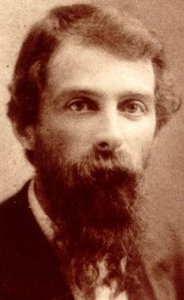
Giuseppe Pellizza Da Volpedo
1868 - 1907 , Piemonte
Dettagli rapidi
- Artistic Movement Or Style: Divisionism
- Artists Who Influenced This Artist: ['Pio Sanquirico']
- Date Of Birth: 1868
- Date Of Death: 1907
- Full Name: Giuseppe Pellizza da Volpedo
- Nationality: Italian
- Notable Artworks:
- The Fourth Estate
- Portrait of a Man
- The Statue of Villa Borghese
- Place Of Birth: Volpedo, Piemonte