
 Anteprima in scala reale
 Condividi
 Condividi
 Dettagli

 Scarica immagine
 Articoli simili
 Radiografia
 Slideshow
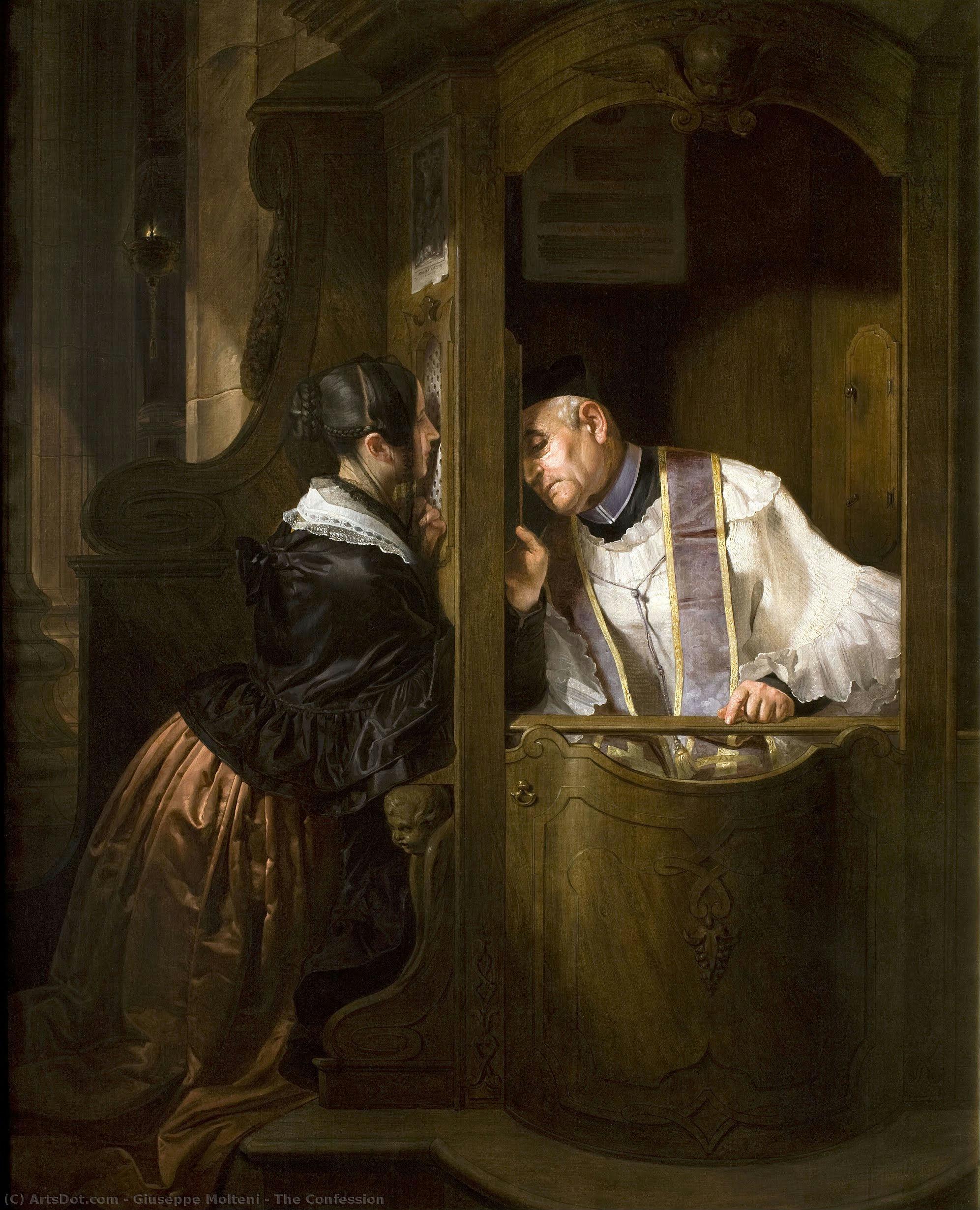
The Confession

 Leggi tutto
Acquista un'immagine digitale ad alta risoluzione e ottimizzata, di qualità nettamente superiore all'anteprima online.
Ogni file è meticolosamente preparato dai nostri specialisti interni attraverso l'uso di strumenti avanzati e un sapiente ritocco manuale. Garantiamo che ogni immagine presenti una chiarezza eccezionale, una precisione cromatica impeccabile e dettagli raffinati.
Il file finale viene consegnato via e-mail entro 72 ore, ottimizzato per un uso immediato in contesti professionali, editoriali e di stampa. Si tratta della stessa qualità affidata ai più prestigiosi studi di design, editori e gallerie d'arte.
Immagine Digitale
Scarica un file ad alta risoluzione per uso personale, per la stampa e per progetti creativi. ( Passa alla stampa Passa alla versione dipinta a mano)
Incluso in ogni acquisto di immagini digitali
Consegna digitale professionale e garantita
Quando scegli OriginalUniqueArt.com, non riceverai solo un'immagine: riceverai un'opera d'arte digitale professionalmente ottimizzata, realizzata con la massima precisione e accompagnata da una garanzia di soddisfazione. Ecco tutto ciò che include il tuo ordine, automaticamente:

Consegna rapida via email
Riceverai il file dell'immagine digitale ad alta risoluzione via email entro 72 ore dall'ordine, pronto per un uso immediato.

File digitale potenziato dall'IA
La tua opera d'arte viene ottimizzata professionalmente attraverso l'uso di strumenti avanzati di intelligenza artificiale e una revisione manuale, garantendo il massimo livello di dettaglio, nitidezza e accuratezza cromatica.

Riconsegna gratuita a vita
Hai eliminato o perso accidentalmente il tuo file? Non preoccuparti: te lo invieremo di nuovo in qualsiasi momento, gratuitamente.

Nessun costo di importazione, mai
Goditi la tua opera d'arte istantaneamente senza costi doganali, dazi o spese di spedizione: i download digitali sono sempre esenti da tasse.

Garanzia di fedeltà cromatica
Garantiamo che la tua immagine digitale rifletta i colori originali con la massima fedeltà, grazie all'uso di strumenti professionali e a una gestione accurata del colore.

Garanzia soddisfazione 60 giorni
Se non sei soddisfatto della tua immagine digitale, la revisioneremo o ti rimborseremo il 100% entro 60 giorni, senza domande.

Garanzia di rimborso al 100%
Non sei soddisfatto? Ricevi un rimborso completo entro 60 giorni dal ricevimento del tuo file digitale, senza dover fornire spiegazioni.

Sconti per ordini multipli
Acquista 3 immagini, risparmia il 10% - Acquista 5, risparmia il 15% - Acquista 10+, risparmia il 20%. Ideale per progetti creativi, gallerie e agenzie.
Descrizione del collezionabile
Biografia dell'artista
Giuseppe Molteni (1800-1867): Bridging Biedermeier and Milanese Splendor
Giuseppe Molteni (Affori, Milan, 1800 – Milan, 1867) was an Italian painter whose career spanned from the mid-nineteenth century, establishing him as a prominent figure in Milanese art history. Forced to abandon his formal studies at the Brera Academy due to financial constraints—a common predicament for aspiring artists of the era—Molteni redirected his talents towards the meticulous restoration of ancient paintings under the tutelage of Giuseppe Guizzardi in Bologna. This formative experience instilled within him a profound appreciation for craftsmanship and detail, shaping his artistic sensibilities. Returning to Milan, he swiftly ascended the ranks of Milanese art circles, becoming one of the most sought-after restorers of his time and earning commissions from prestigious institutions like the Louvre and the British Museum. Simultaneously, Molteni cultivated an independent artistic practice, producing captivating paintings that showcased both technical mastery and stylistic innovation.Early Years & Restoration Training
Molteni’s initial foray into art wasn't through easel painting but rather through painstaking conservation work. Studying under Guizzardi honed his skills in pigment analysis, varnish removal, and surface consolidation—techniques crucial for preserving cultural heritage. This dedication to restoration not only provided him with a livelihood but also instilled within him an understanding of artistic materials and processes that would later inform his own compositions. The influence of Guizzardi’s meticulous approach is evident in Molteni's subsequent paintings, where he achieved remarkable realism through careful observation and skillful brushwork.Portraiture & Milanese Style
Molteni quickly gained renown for his portraiture style, characterized by an unprecedented level of realism and opulent settings. Unlike the prevailing Biedermeier aesthetic—which favored understated elegance—Molteni embraced a bold approach, depicting subjects in richly embroidered costumes and elaborate interiors that captured the grandeur of Milanese aristocratic life. His success directly challenged the artistic dominance of Francesco Hayez, establishing him as a leading voice in Milanese painting and securing his place among Italy’s most celebrated portraitists. The meticulous detail with which he rendered fabrics, jewelry, and architectural elements demonstrated an exceptional command of technique and contributed to the distinctive visual language of his era.Genre Painting & Viennese Influence
Moving beyond portraiture in the mid-1830s, Molteni embarked on a prolific exploration of genre painting—scenes depicting everyday life—a trend that resonated deeply with the public and critics alike. His canvases captured moments of domestic tranquility, social gatherings, and urban landscapes with remarkable sensitivity and accuracy. Notably, his time spent at the Viennese court in 1837 exposed him to the stylistic precepts of Johann Friedrich Overbeck and fostered a friendship with fellow painter Friedrich von Amerling—influences that subtly enriched Molteni’s artistic vision.Later Career & Legacy
Molteni's involvement with the Brera exhibitions waned in the 1850s, culminating in his appointment as curator of the academy’s gallery in 1854 and marking a cessation of his painting activity. However, Molteni’s contribution to Italian art history remains indelible. His pioneering approach to portraiture—combining realism with theatrical grandeur—established him as a pivotal figure in bridging the gap between Biedermeier simplicity and Romantic exuberance. Furthermore, his meticulous genre paintings offer invaluable insights into Victorian Milanese society and continue to inspire admiration for their artistic merit. Giuseppe Molteni’s legacy endures as a testament to the transformative power of observation, dedication to craftmanship, and an unwavering commitment to capturing the beauty and complexity of human experience.
giuseppe molteni
1800 - 1867
In breve
- Artistic Movement Or Style: Biedermeier & Genre Painting
- Artists Or Movements Influenced By This Artist: ['Friedrich von Amerling']
- Artists Who Influenced This Artist:
- Giuseppe Guizzardi
- Johann Friedrich Overbeck
- Francesco Hayez
- Date Of Death: 1867
- Full Name: Giuseppe Molteni
- Nationality: Italian
- Notable Artworks:
- The Family of Barbiano di Belgioioso d'Este
- Lorenzo Vatalaro Antiques
- The Confession
- Place Of Birth: Affori, Milan

