

 Anteprima in scala reale
 Invia
Invia Condividi
 Dettagli opera
 Guida
Guida

 Scarica
 Simili
 Radiografia
 Slideshow
 Q&A
Q&A Statistiche
Winter Landscape


 Espandi i dettagli
Giclée / Stampe d'arte
Stampa giclée o su tela di qualità museale, con produzione rapida e diverse opzioni di finitura. ( Acquista il dipinto realizzato a mano Passa all'immagine digitale)




P118B €10

P118H €10

P118W €10

P438Z €10

P508JH €12

P508YH €12

P805H €10

P805Z €10

P919BZ €10

P919G €10

P919XJ €10

P959ZH €10

P968JZ €12

W106C €8

W218G €10

W218JH €8

W218Y €10

W307PJ €10

W316G €10

W316PJ €8

W316Y €10

W398PJ €8

W4111J €10

W500HY €15

W500JH €15

W692G €12

W849H €8

W940BG €15

W953PJ €8




Scegli tra le nostre dimensioni predefinite, che rispettano le proporzioni originali dell'opera d'arte.

Inserisci la larghezza e l'altezza desiderate, per adattarle alla tua cornice o alla tua parete. Una stampa può essere solo ritagliata, mai resa più grande dell'immagine originale; pertanto, un formato con una forma differente comporterà la perdita di una parte dell'opera. Ti invieremo un mockup digitale da approvare prima di procedere con la stampa. L'immagine mostrata in questa pagina non rappresenta il ritaglio reale — solo il mockup lo mostra.
Consegna in tutto il mondo () in 2 settimane invece delle normali 4/5 settimane. (28 Ottobre)

Spedizione espressa gratuita in tutto il mondo

Tela in lino di alta qualità

Assicurazione completa sulla spedizione

Garanzia di rimborso dei dazi doganali

Garanzia di fedeltà cromatica assoluta

Politica di reso entro 100 giorni (solo per difetti di fabbricazione)

Garanzia di rimborso al 100%

Offerta per acquisti multipli
 L'opzione vetro è disponibile solo per dimensioni inferiori a 110 cm

Winter Landscape
Giclée / Stampe d'arte
Dimensioni riproduzione
-


Prezzo finale calcolato
€ 71
Winter Landscape with Skaters
Giuseppe De Nittis’ “Winter Landscape,” painted circa 1880, stands as a testament to the enduring fascination of Impressionism with capturing fleeting moments of natural beauty and conveying profound emotional resonance. This artwork embodies the spirit of its time—a period marked by significant artistic experimentation and a desire to move beyond academic conventions toward a more subjective representation of experience.
Subject Matter & Composition: The scene depicts a serene winter landscape dominated by snow-covered terrain, punctuated by buildings and a prominent train track receding into the distance. A solitary figure walks along a snowy field towards the right side of the frame, creating a focal point that draws the viewer’s eye and invites contemplation. De Nittis skillfully employs horizontal lines—evident in the wall and the train tracks—to establish a sense of stillness and stability, while organic shapes—the undulating snowdrifts and textured trees—introduce dynamism and visual interest.
Style & Technique: “Winter Landscape” exemplifies Impressionistic tendencies through its loose brushwork and emphasis on atmospheric perspective. De Nittis eschews meticulous detail in favor of capturing the overall mood and sensation of the winter day, prioritizing color and texture over precise representation. The painting utilizes oil paint on canvas—a medium known for its ability to achieve rich hues and luminous effects—and employs layering techniques to build up depth and create a palpable sense of surface materiality.
Color Palette & Lighting: The artwork’s palette is muted yet harmonious, dominated by whites, grays, browns, and subtle oranges/reds. Snow covers much of the landscape, establishing a predominantly white and gray tonal scheme that reflects the subdued light conditions characteristic of winter mornings. Warm hues—found in the buildings—provide visual contrast against the cool tones of the snow and trees, enhancing the painting’s expressive power.
Symbolic Significance & Emotional Impact: Beyond its aesthetic qualities, “Winter Landscape” carries symbolic weight, evoking feelings of solitude, contemplation, and perhaps even melancholy. The lone figure traversing the snowy field serves as a poignant reminder of human vulnerability against the vastness of nature—a motif that resonates deeply with viewers seeking solace or inspiration.
Historical Context: De Nittis’ work aligns itself with the broader artistic currents of the late 19th century, particularly the influence of Impressionism. Artists like Monet and Renoir were actively exploring new ways to depict light and color—challenging traditional academic standards—and prioritizing emotional expression over idealized realism. “Winter Landscape” embodies this spirit of innovation, securing its place as a cornerstone of Italian Impressionist art.
Further Research: For more detailed information on Giuseppe De Nittis and his artistic legacy, consult Wikipedia (https://en.wikipedia.org/wiki/Giuseppe_De_Nittis) and explore reproductions of “Winter Landscape” at the Tokyo National Museum (/media/artworks/images/thumbnails/5e/e5/5ee5f2e533434462a492d5e13cde511f.jpg).
Domande e risposte
Che età aveva Giuseppe De Nittis quando ha realizzato "Winter Landscape"?
Giuseppe De Nittis ha realizzato "Winter Landscape" all'età di 34. L'artista è nato nel 1846 e l'opera risale al 1880.
Chi ha creato "Winter Landscape" e in quale anno?
"Winter Landscape" è stata creata da Giuseppe De Nittis nel 1880.
Come posso scaricare l'immagine di "Winter Landscape" di Giuseppe De Nittis?
Puoi scaricare "Winter Landscape" di Giuseppe De Nittis dalla pagina Scarica l'opera dell'opera, come download di un'immagine digitale ad alta risoluzione.
Biografia dell'artista
Giuseppe De Nittis (1846-1884): Italian Painter Bridging Salon Art & Impressionism
- Early Life and Artistic Beginnings
- The Macchiaioli Movement and Florentine Influences
- Parisian Years: Recognition and Impressionist Engagement
- Return to Italy: Vesuvius Landscapes and Continued Success
- Legacy and Influence on Later Artists
Early Life and Artistic Beginnings
Giuseppe Gaetano De Nittis was born in Barletta, Apulia, on February 25, 1846, the fourth son of Raffaele De Nittis and Teresa Emanuela Barracchia. His father, a wealthy landowner deeply involved in political activism—particularly opposed to the Bourbon monarchy—was imprisoned for two years due to his outspoken stance. Despite this hardship, Giuseppe persevered in pursuing his artistic ambitions, enrolling at the Reale Istituto di Belle Arti di Napoli in 1861 under the tutelage of Giuseppe Mancinelli and Gabriele Smargiassi. Unlike many of his peers, he eschewed academic conventions, prioritizing independent expression and capturing the immediacy of nature—a characteristic that would define his distinctive style. His early training instilled in him a rebellious spirit and a fascination with plein air painting, foreshadowing his future artistic endeavors.The Macchiaioli Movement and Florentine Influences
De Nittis’s formative years coincided with the emergence of the Macchiaioli movement—a group of Italian painters who championed a revolutionary approach to art. Inspired by artists like Telemaco Signorini, he embraced this stylistic innovation, experimenting with bold brushstrokes and vibrant color palettes to convey emotion and atmosphere. His association with Signorini fostered a collaborative spirit and exposed him to Florentine artistic currents, where he honed his skills and absorbed the influence of Impressionist techniques. This period solidified De Nittis’s commitment to capturing fleeting moments of light and color—a cornerstone of his oeuvre.Parisian Years: Recognition and Impressionist Engagement
In 1867, De Nittis relocated to Paris, establishing a contract with the influential art dealer Adolphe Goupil. This move propelled him into the heart of Parisian artistic life, where he encountered fellow artists such as Edgar Degas and Ernest Meissonier. Recognizing the importance of commercial success alongside artistic integrity, he diligently produced genre paintings—primarily portraits and scenes of everyday life—that catered to the tastes of discerning collectors. Notably, De Nittis participated in the inaugural Impressionist exhibition held at Nadar’s studio in 1874, marking a pivotal moment in his career and aligning him firmly with the burgeoning Impressionist movement. His presence at this landmark event cemented his reputation as a visionary artist who dared to challenge artistic conventions.Return to Italy: Vesuvius Landscapes and Continued Success
Driven by a desire for creative freedom and inspired by the grandeur of the Italian landscape, De Nittis returned to Naples in 1872. He swiftly gained acclaim for his depictions of Mount Vesuvio—capturing its volcanic majesty with breathtaking precision and expressive color. His canvases conveyed not only visual beauty but also palpable emotion—reflecting the artist’s profound connection to his homeland. Throughout the Franco-Prussian War (1870–1871), De Nittis continued to produce artwork, demonstrating unwavering dedication to his craft amidst turbulent times. He achieved considerable success at the Exposition Universelle of 1878, securing a gold medal and receiving the Légion d’honneur—honors that underscored his artistic merit and national significance.Legacy and Influence on Later Artists
Giuseppe De Nittis died unexpectedly in Saint-Germain-en-Laye on August 21, 1884, at the age of 38—a tragic premature end to a brilliant artistic life. His wife, Léontine Lucile Gruvelle, generously bequeathed his paintings to the town of Barletta, where they are now housed in the Pinacoteca De Nittis—a testament to his enduring legacy. De Nittis’s distinctive style—characterized by bold brushstrokes, vibrant color palettes, and a masterful rendering of light—influenced subsequent generations of artists, particularly Impressionists and Macchiaioli. His unwavering commitment to capturing the essence of nature and conveying emotion continues to inspire painters today.
Giuseppe De Nittis
1846 - 1884 , Italia
Dettagli rapidi
- Artistic Movement Or Style: Verismo e Impressionismo
- Artists Or Movements Influenced By This Artist: ['Gustave Caillebotte']
- Artists Who Influenced This Artist:
- Giovanni Battista Calò
- Telemaco Signorini
- Date Of Birth: 25 febbraio 1846
- Full Name: Giuseppe Gaetano De Nittis
- Nationality: Italiano
- Notable Artworks:
- Races at Auteuil
- Paesaggio con bovi
- Che freddo!
- Le rovine delle Tuileries
- Place Of Birth: Barletta, Italia
Articoli correlati

I 10 Capolavori Impressionisti che Hanno Rivoluzionato il Paesaggio Pittorico
Esplora i 10 capolavori impressionisti che hanno rivoluzionato il paesaggio pittorico! Monet, Renoir e altri maestri catturati in stampe su tela di alta qualità. Trova l'arte perfetta per la tua casa su OriginalUniqueArt.com.

Beyond the Horizon: A Curated Guide to Integrating Post-Impressionist Landscapes into Modern Interiors
Transform your home with the emotive power of Post-Impressionist landscapes. Discover expert tips on selecting hand-painted oil reproductions to create a soulful, vibrant interior that reflects your unique style and connection to nature.

I 10 Capolavori Impressionisti che Hanno Rivoluzionato il Paesaggio Pittorico
Esplora i 10 capolavori impressionisti che hanno rivoluzionato il paesaggio pittorico! Monet, Renoir e altri maestri catturati in stampe su tela di alta qualità. Scopri la storia dell'arte e trova l'opera perfetta per arredare casa tua con OriginalUniqueArt.com.
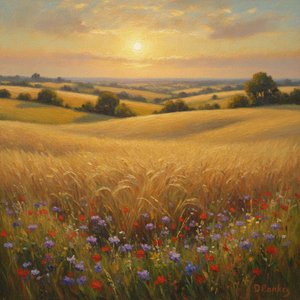
Golden Fields & Sun-Drenched Meadows: Capturing the Soul of Impressionist Landscapes
Immerse yourself in the luminous world of Impressionist landscapes. Discover how masters like Monet and Gauguin captured ephemeral light through plein air painting, and learn to bring the soul of sun-drenched meadows into your home with exquisite, hand-painted oil reproductions.

Goya: I 25 Capolavori Immortali dell'Anima Spagnola | OriginalUniqueArt
Esplora i 25 capolavori di Francisco Goya, il genio spagnolo tra Romanticismo e Realismo. Ritratti iconici, 'Los Caprichos' e le toccanti 'Disastri della Guerra'. Trova stampe su tela e riproduzioni artistiche di alta qualità per la tua casa su OriginalUniqueArt.com.


