Anteprima in scala reale
 Invia
Invia Condividi
 Dettagli opera
 Guida
Guida

 Scarica
 Simili
 Radiografia
 Slideshow
 Statistiche
Nature studies (10)


 Espandi i dettagli
Giclée / Stampe d'arte
Stampa giclée o su tela di qualità museale, con produzione rapida e diverse opzioni di finitura. ( Acquista il dipinto realizzato a mano Passa all'immagine digitale)




P118B €10

P118H €10

P118W €10

P438Z €10

P508JH €12

P508YH €12

P805H €10

P805Z €10

P919BZ €10

P919G €10

P919XJ €10

P959ZH €10

P968JZ €12

W106C €8

W218G €10

W218JH €8

W218Y €10

W307PJ €10

W316G €10

W316PJ €8

W316Y €10

W398PJ €8

W4111J €10

W500HY €15

W500JH €15

W692G €12

W849H €8

W940BG €15

W953PJ €8




Scegli tra le nostre dimensioni predefinite, che rispettano le proporzioni originali dell'opera d'arte.

Inserisci la larghezza e l'altezza desiderate, per adattarle alla tua cornice o alla tua parete. Una stampa può essere solo ritagliata, mai resa più grande dell'immagine originale; pertanto, un formato con una forma differente comporterà la perdita di una parte dell'opera. Ti invieremo un mockup digitale da approvare prima di procedere con la stampa. L'immagine mostrata in questa pagina non rappresenta il ritaglio reale — solo il mockup lo mostra.
Consegna in tutto il mondo () in 2 settimane invece delle normali 4/5 settimane. (27 Ottobre)

Spedizione espressa gratuita in tutto il mondo

Tela in lino di alta qualità

Assicurazione completa sulla spedizione

Garanzia di rimborso dei dazi doganali

Garanzia di fedeltà cromatica assoluta

Politica di reso entro 100 giorni (solo per difetti di fabbricazione)

Garanzia di rimborso al 100%

Offerta per acquisti multipli
 L'opzione vetro è disponibile solo per dimensioni inferiori a 110 cm

Nature studies (10)
Giclée / Stampe d'arte
Dimensioni riproduzione
-


Prezzo finale calcolato
€ 70
Giuseppe Arcimboldo’s “Nature Studies (10)” – A Renaissance Rhapsody of Form and Flora
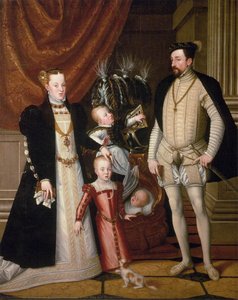
Giuseppe Arcimboldo's "Nature Studies (10)," painted in 1578, isn’t merely a portrait; it’s an immersive theatrical tableau, a vibrant testament to the Renaissance fascination with symbolism, illusion, and the interconnectedness of all things. Housed within the Österreichische Nationalbibliothek in Vienna, this remarkable watercolor on parchment invites viewers into a meticulously constructed world where the boundaries between human and nature blur, creating a deeply affecting and intellectually stimulating experience. The painting’s immediate impact is one of joyous abundance – a riot of avian forms, each rendered with astonishing detail and imbued with distinct personalities. Arcimboldo masterfully employs a technique reminiscent of still life painting, yet elevates it to the level of allegory, transforming commonplace objects into profound visual statements.
A Symphony of Birds: Symbolism in Flight
The four birds depicted – a black heron, an egret, a crane, and a goose – are far more than decorative elements. Each species carries a carefully considered symbolic weight rooted in Renaissance thought. The heron, with its long, elegant beak, often represents wisdom and vigilance, qualities highly valued within the intellectual circles of the time. The white egret, embodying purity and grace, stands as a counterpoint to the heron’s more grounded nature. The crane, a symbol of longevity and fidelity, suggests an enduring connection between humanity and the natural world. Finally, the goose, traditionally associated with abundance and prosperity, anchors the composition with its robust presence. Arcimboldo's skill lies not just in his technical proficiency but in his ability to imbue these familiar creatures with layers of meaning, transforming a simple bird study into a complex meditation on human values.
The Mannerist Masterpiece: A World Reimagined
“Nature Studies (10)” firmly establishes Arcimboldo as a pivotal figure within the Mannerist movement. Mannerism, flourishing in Europe during the late 16th century, rejected the strict realism of the High Renaissance in favor of heightened emotion, dramatic compositions, and an embrace of illusionistic techniques. Arcimboldo’s work exemplifies this shift perfectly. He deliberately manipulates perspective and employs a flattened spatial arrangement to create a sense of theatricality, drawing the viewer into his constructed world. The painting's background, a simple expanse of white, serves only to amplify the vibrant colors and intricate details of the birds themselves, directing all attention towards their captivating forms. His approach aligns with the broader Renaissance interest in Neo-Platonism – the belief that beauty and truth could be found within the natural world—and his art reflects this philosophy through its celebration of organic forms and harmonious relationships.
Beyond Decoration: Arcimboldo’s Political and Personal Statements
While initially commissioned for the court of Rudolf II, Holy Roman Emperor, “Nature Studies (10)” transcends mere decorative function. Arcimboldo's portraits were often laden with political symbolism, reflecting the emperor’s power, wealth, and intellectual pursuits. The careful selection of each bird—its color, posture, and even its arrangement within the composition—served as a visual language, communicating complex ideas about governance, prosperity, and the relationship between humanity and nature. Furthermore, Arcimboldo's life itself was marked by intrigue and transformation; he served multiple emperors, constantly reinventing himself through his art. This fluidity of identity is mirrored in “Nature Studies (10),” where the boundaries between reality and illusion are deliberately blurred, inviting viewers to question their own perceptions and consider the multifaceted nature of human experience.
A Timeless Legacy: Reproduction and Inspiration
Today, "Nature Studies (10)" continues to captivate audiences with its ingenious artistry and profound symbolism. OriginalUniqueArt offers meticulously crafted reproductions that faithfully capture Arcimboldo’s original vision, allowing art lovers to bring this remarkable masterpiece into their homes or offices. Beyond its aesthetic appeal, the painting serves as a powerful reminder of the enduring relevance of nature study—a practice that encourages us to observe, appreciate, and understand the world around us with both our eyes and our minds. Consider how Arcimboldo’s innovative approach to portraiture has influenced countless artists throughout history, demonstrating his lasting impact on the evolution of visual art.
Domande e risposte
Quale tono emotivo accompagna lo stile Mannerism di "Nature studies (10)"?
All'interno del movimento Mannerism, "Nature studies (10)" si distingue per il suo tono Tranquil.
Dove posso acquistare una stampa di "Nature studies (10)" di Giuseppe Arcimboldo?
"Nature studies (10)" è disponibile come una stampa fine art su tela di cotone o carta canvas d'archivio. È possibile effettuare l'ordine nella pagina Stampa Fine Art, scegliendo la dimensione che preferisci.
Dove posso acquistare una riproduzione dipinta a mano di "Nature studies (10)" di Giuseppe Arcimboldo?
"Nature studies (10)" è disponibile come una riproduzione a olio dipinta a mano su tela di lino. È possibile effettuare l'ordine nella pagina Riproduzione dipinta a mano, scegliendo tra diverse dimensioni.
Biografia dell'artista
La Vita e la Carriera di Giuseppe Arcimboldo
Giuseppe Arcimboldo, pittore italiano rinascimentale, nacque a Milano nel 1527. Figlio d'arte, il padre Biagio Arcimboldo era anch’egli un artista, influenzando probabilmente le prime inclinazioni artistiche del figlio. All'età di ventuno anni, Giuseppe iniziò la sua carriera come progettista per vetrate colorate e affreschi nelle cattedrali locali. La sua abilità nel design lo portò a lavorare su costumi teatrali e scenografie, dimostrando una versatilità artistica precoce.Pittore alla Corte degli Asburgo
Nel 1562, Arcimboldo divenne pittore di corte per Ferdinando I presso la corte asburgica a Vienna, in Austria. Successivamente, servì come pittore per Massimiliano II e suo figlio Rodolfo II nella corte di Praga. Questo periodo fu segnato dal suo lavoro come decoratore di corte e designer di costumi teatrali, dove le sue creazioni eccentriche e innovative catturarono l'attenzione della nobiltà.Il Maestro delle "Teste Composte"
Arcimboldo è oggi ricordato soprattutto per le sue opere uniche: i ritratti composti da oggetti come frutta, verdura, fiori, creature marine e radici di alberi. Queste creazioni non erano semplici decorazioni, ma portavano con sé significati più profondi e allegorici. Ad esempio, "Il Bibliotecario" (1566), un ritratto formato da libri, criticava sottilmente l'élite ricca che collezionava libri senza saperli leggere. Ogni oggetto scelto era accuratamente selezionato per riflettere la personalità o lo status del soggetto raffigurato.Stile Artistico e Eredità
Lo stile artistico di Arcimboldo, spesso descritto come bizzarro o addirittura frutto di una mente eccentrica, è generalmente interpretato dagli studiosi come un adattamento al gusto rinascimentale per enigmi, indovinelli e il macabro. La sua capacità di creare forme umane utilizzando oggetti comuni lo distingueva dagli altri artisti manieristi. Le sue opere, pur non essendo sempre apprezzate dal grande pubblico dell'epoca, divennero molto popolari presso la corte asburgica, tanto che Rodolfo II gli conferì il titolo di Conte Palatino nel 1592, dopo il suo ritorno a Milano. Le sue creazioni hanno anticipato elementi del Surrealismo e sono state ammirate da artisti come Salvador Dalí.- Opere significative:
- Floral Still Life (1590): Un esempio iconico dello stile manierista italiano.
- The Four Seasons, un ritratto composito di Rodolfo II: Dimostra la maestria di Arcimboldo nell'arte manierista.
- Vertumnus: Un capolavoro che celebra l’abbondanza della natura e il passaggio delle stagioni.
Musei e Collezioni
Le opere di Arcimboldo sono esposte in importanti musei, tra cui il Kunsthistorisches Museum di Vienna e lo Schloss Ambras degli Asburgo a Innsbruck. La sua arte continua ad affascinare gli spettatori di tutto il mondo.Eredità e Influenza Duratura
Giuseppe Arcimboldo morì a Milano nel 1593, dopo essersi ritirato dal servizio praghese. La sua eredità è celebrata attraverso poesie e manoscritti che testimoniano la sua illustre carriera. La sua influenza si estende ben oltre il suo tempo, ispirando artisti e influenzando movimenti artistici successivi con la sua visione unica e innovativa.
Giuseppe Arcimboldo
1527 - 1593 , Italia
Dettagli rapidi
- Artisti Influenti: ['Francesco Urbini']
- Artisti Influenzati: ['Salvador Dalí']
- Data Di Nascita: 1527
- Luogo Di Nascita: Milano, Italia
- Movimento Artistico: Manierismo
- Nazionalità: Italiana
- Nome Completo: Giuseppe Arcimboldo
- Opere Notevoli:
- Vita Naturale Floreale
- Vertumno
- Il Bibliotecario
- Autunno
- Aria
Articoli correlati

I 10 Capolavori dell'Acquerello che Hanno Rivoluzionato l'Arte | OriginalUniqueArt
Esplora i 10 capolavori dell'acquerello che hanno cambiato la storia dell'arte! Da Turner a Monet, scopri le storie e le tecniche di questi artisti iconici. Trova riproduzioni di alta qualità e idee per decorare casa con OriginalUniqueArt.com.

Ephemeral Visions: Exploring the Artistic Legacy & Contemporary Practice of Watercolor Painting
Explore the captivating world of watercolor painting! Discover its rich history, essential techniques, influential artists & collecting tips. A comprehensive guide for art enthusiasts from OriginalUniqueArt.

Ephemeral Visions: Exploring the History & Emotional Resonance of Watercolor Painting
Explore the captivating history of watercolor painting, from ancient techniques to modern masters like Kandinsky & Blake. Discover essential artists, collecting tips & the emotional power of this luminous medium. Expert insights for art enthusiasts.

Ephemeral Visions: Exploring the Artistic Legacy & Nuances of Watercolor Painting
Explore the captivating world of watercolor painting! Discover its rich history, essential techniques, influential artists & collecting tips from art experts. A comprehensive guide for enthusiasts.

Liquid Gold: Master the Bold & Fluid Power of Watercolor Art
Unlock the bold energy of watercolor art. From historical masterpieces to custom photo-to-watercolor transformations, discover how to master the fluid power of light and pigment for your modern space. Expertly curated, high-impact art for the contemporary collector.