 Anteprima in scala reale
 Condividi
 Condividi
 Dettagli

 Scarica immagine
 Articoli simili
 Radiografia
 Slideshow
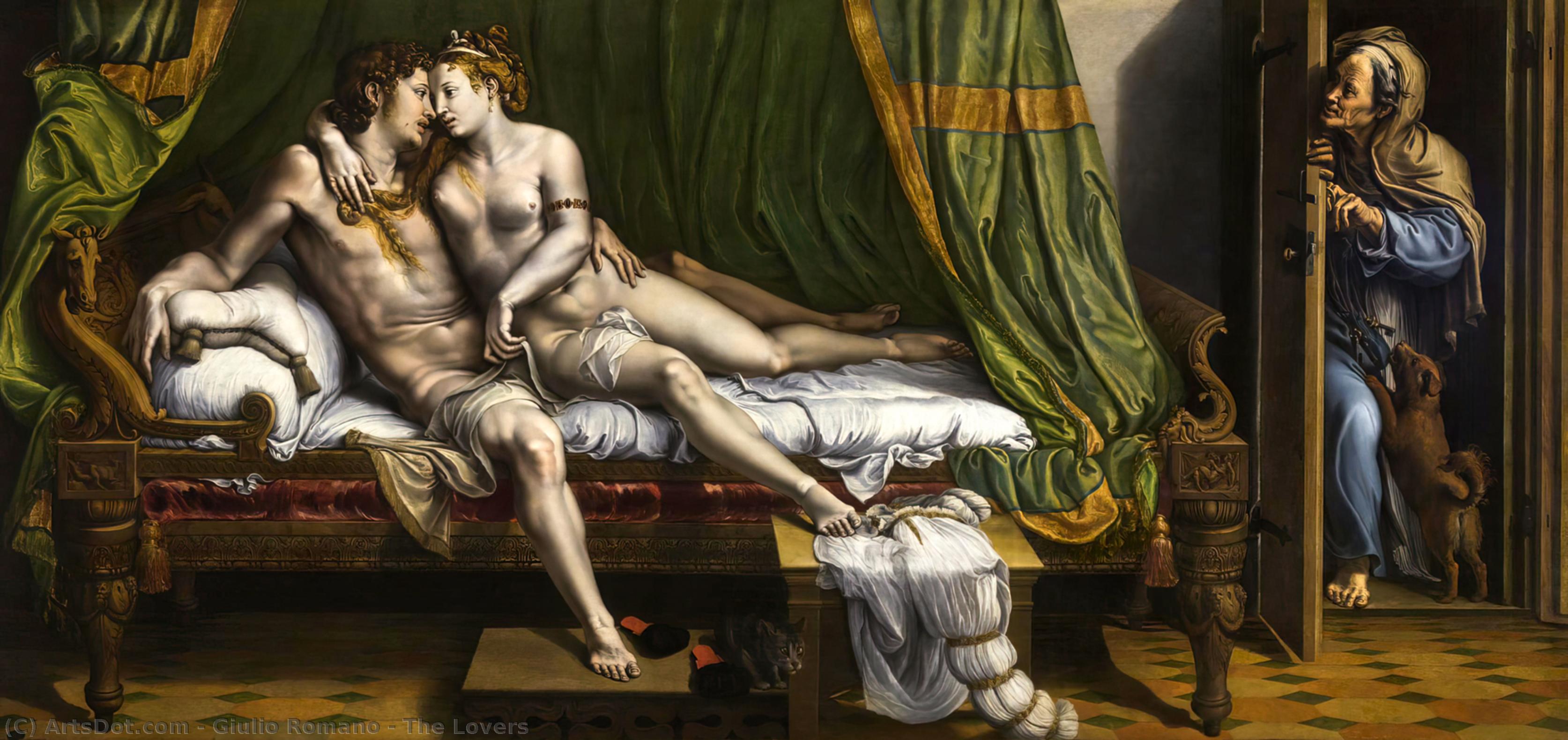
The Lovers
 Oil On Canvas
- WallArt
- High Renaissance
 1525
1525 163.0 x 337.0 cm
 Museo dell'Ermitage
 Leggi tutto
Giclée / Stampe d'arte
Stampa giclée o su tela di qualità museale, con produzione rapida e diverse opzioni di finitura. ( Passa alla versione dipinta a mano Passa all'immagine)




P118B $10

P118H $10

P118W $10

P438Z $10

P508JH $12

P508YH $12

P805H $10

P805Z $10

P919BZ $10

P919G $10

P919XJ $10

P959ZH $10

P968JZ $12

W106C $8

W218G $10

W218JH $8

W218Y $10

W307PJ $10

W316G $10

W316PJ $8

W316Y $10

W398PJ $8

W4111J $10

W500HY $15

W500JH $15

W692G $12

W849H $8

W940BG $15

W953PJ $8




Scegli tra le nostre dimensioni predefinite, che rispettano le proporzioni originali dell'opera d'arte.

È possibile inserire dimensioni personalizzate per adattare l'opera a una cornice o a uno spazio specifico. Se la dimensione selezionata non corrisponde alle proporzioni dell'immagine originale, procederemo al ritaglio dell'opera o all'estensione dell'immagine con un bordo specchiato o a tinta unita. Un mockup digitale ti verrà inviato per approvazione prima dell'inizio della produzione.
Si prega di notare che l'anteprima a schermo non riflette il ritaglio o l'estensione effettivi. Solo il mockup mostrerà accuratamente la composizione finale.
Sebbene siano disponibili dimensioni personalizzate, si raccomanda di selezionare una dimensione dall'elenco predefinito per preservare le proporzioni originali.
Consegna in tutto il mondo () in 2 settimane invece delle normali 4/5 settimane. (11 Agosto)

Spedizione espressa gratuita in tutto il mondo

Tela in lino di alta qualità

Assicurazione completa sulla spedizione

Garanzia di rimborso dei dazi doganali

Garanzia di fedeltà cromatica dell'originale

Politica di reso entro 60 giorni (solo per difetti di fabbricazione)

Garanzia di rimborso al 100%

Sconto per acquisti multipli
 L'opzione vetro è disponibile solo per dimensioni inferiori a 110 cm

The Lovers
Giclée / Stampe d'arte
Dimensioni della riproduzione
-


Prezzo totale
$ 81
Descrizione del pezzo
The Lovers – A Renaissance Embrace
Giulio Romano’s “The Lovers,” painted around 1525, isn't merely a depiction of intimacy; it’s a meticulously crafted tableau brimming with symbolism and echoing the complex currents of the High Renaissance. Born Giulio Pippi in Rome around 1499, Romano swiftly ascended through the ranks of Raphael’s studio, absorbing the master’s classical ideals while simultaneously forging his own distinctive Mannerist style – a style characterized by heightened emotion, distorted forms, and an exploration of psychological depth. This particular painting, now housed within the hallowed halls of the Hermitage Museum in St. Petersburg, offers a rare glimpse into Romano's artistic vision and his profound understanding of human desire and its attendant anxieties.
The scene unfolds within a lavishly appointed chamber, bathed in an opulent yet subtly shadowed light. At the heart of the composition lie two figures entwined in a passionate embrace – a couple lost in a moment of intense connection. However, Romano deliberately subverts traditional representations of love, imbuing the image with layers of ambiguity and intrigue. The figures themselves are rendered with a cool detachment, almost sculptural in their stillness, reflecting the influence of ancient Greek sculpture. Their skin possesses an unnerving pallor, hinting at a sense of timelessness and perhaps even a touch of melancholy – a departure from the vibrant flesh tones favored by earlier Renaissance masters.
A Dance of Symbolism
The painting’s power resides not just in its sensual depiction but also in the intricate web of symbols woven throughout. Observe, for instance, the carefully positioned slippers resting on the floor – a deliberate disruption of the scene's harmony. They represent a marital bond, yet their placement suggests an absence, a separation that underscores the precariousness of love and the potential for betrayal. The cat curled at the feet of the lady in waiting is a potent symbol of illicit desire, while the loyal dog beside her speaks to the constraints of societal expectations and the enduring nature of fidelity. The keys held by the woman signify children – a responsibility that further complicates the lovers’ situation.
Beyond these immediate details, Romano draws heavily from classical mythology. The arrangement of objects—the bed, the drapery, the architectural elements—echoes the forms found in Roman sarcophagi and tomb decorations. This deliberate allusion to antiquity elevates the scene beyond a simple portrayal of love; it transforms it into an allegory of eternal themes – desire, loss, and the passage of time. The archangel Raphael, positioned above the couple, serves as a silent witness, embodying divine judgment and perhaps hinting at the consequences of their actions.
Technique and Context
Executed in oil on panel, “The Lovers” showcases Romano’s mastery of illusionistic painting – a hallmark of Mannerism. He employs techniques such as *trompe-l'oeil* to create the impression of depth and realism, blurring the boundaries between painted surface and perceived reality. The meticulous detail evident in the rendering of fabrics, textures, and architectural elements speaks to Romano’s exceptional technical skill. It is believed that this painting was commissioned for Federico II Gonzaga, Duke of Mantua, a discerning patron who appreciated both beauty and intellectual complexity.
Interestingly, “The Lovers” emerged during a period of immense upheaval in Italy – the Sack of Rome in 1527 marked a turning point in the Renaissance, disrupting artistic patronage and scattering artists across Europe. Romano’s relocation to Mantua provided him with a new creative environment and allowed him to develop his unique style largely free from the constraints of papal influence. The painting stands as a testament to his resilience and adaptability, showcasing a profound shift away from the idealized beauty of the High Renaissance towards a more emotionally charged and psychologically nuanced aesthetic.
A Timeless Masterpiece
“The Lovers” is more than just a beautiful painting; it’s a complex meditation on love, desire, and the human condition. Its enduring appeal lies in its ability to evoke a wide range of emotions – from passionate longing to quiet melancholy. Reproductions of this iconic work offer an opportunity to bring this captivating scene into any space, inviting contemplation and sparking conversation about the timeless themes it explores. It remains a powerful reminder of Romano’s genius and his lasting contribution to the history of art.
Biografia dell'artista
Primi Anni e Formazione
- Nato: Roma, Italia (c. 1499)
- Morto: 1° novembre 1546
- I dettagli della sua vita giovanile sono scarsi, ma iniziò la sua carriera artistica a Roma.
- Fu allievo di Raffaello, diventando un pittore e architetto abile.
- Dopo la morte di Raffaello nel 1520, Giulio Romano assunse molti progetti incompiuti, tra cui la decorazione della Villa Madama per il Cardinale Giuliano de' Medici.
Sviluppo dello Stile Manierista
- Giulio Romano è noto soprattutto per i suoi contributi allo stile manierista.
- Il suo stile si discostava dal classicismo del Rinascimento maturo.
- Dipinti e affreschi spesso presentano asimmetria, tensione e instabilità piuttosto che equilibrio e armonia.
- Influenzato da Michelangelo e altri artisti del suo tempo.
- Divenne sempre più indispensabile per Raffaello, modificando i piani e creando la prima affermazione del Manierismo su larga scala a Roma.
Opere Principali e Realizzazioni
- L'Incendio di Borgo: Un affresco dipinto per le Stanze Vaticane di Raffaello.
- Volta (Dettaglio): Un affresco nel Palazzo Te.
- Palazzo del Tè (Mantova): Progettato e decorato con affreschi illusionistici, che mostrano le sue capacità artistiche e architettoniche. Questa è considerata la sua opera più importante.
- Villa Madama: Decorò questa villa rinascimentale per il Cardinale Giuliano de' Medici.
- Divenne pittore di corte e architetto per Federigo Gonzaga nel 1524, dirigendo virtualmente tutta l'attività artistica a Mantova.
Influenze e Significato Storico
- Raffaello: La sua prima formazione sotto Raffaello plasmò significativamente le sue basi artistiche.
- Michelangelo: L'influenza dell'opera di Michelangelo contribuì allo sviluppo del suo stile manierista.
- È considerato una figura chiave nella transizione dall'Alto Rinascimento al Manierismo.
- I suoi disegni erano molto apprezzati e le stampe contemporanee incise da Marcantonio Raimondi aiutarono a diffondere gli stili artistici italiani in tutta Europa.
- L'eredità di Giulio Romano può essere vista negli artisti successivi che adottarono il suo stile e le sue tecniche.
Vita Successiva ed Eredità
- Dopo la morte di Raffaello, Giulio ereditò la direzione della bottega del maestro e completò molti dei suoi progetti.
- Era così famoso dopo la sua morte che è l'unico artista "moderno" menzionato da Shakespeare in una commedia.
- Il suo lavoro dimostra un passaggio dagli ideali rinascimentali verso forme più dinamiche ed espressive.
- I contributi di Giulio Romano al Manierismo hanno consolidato il suo posto come figura influente nella storia dell'arte.

Giulio Romano
1499 - 1546 , Italia
Informazioni rapide
- Artisti Influenti:
- Raffaello
- Michelangelo
- Data Di Morte: 1 novembre 1546
- Data Di Nascita: c. 1499
- Luogo Di Nascita: Roma, Italia
- Movimento Artistico: Manierismo
- Nazionalità: Italiana
- Nome Completo: Giulio Romano
- Opere Notevoli:
- L'Incendio di Borgo
- Palazzo del Tè
Articoli correlati
Giulio Romano: A Master of Mannerism & the Palazzo Te Legacy
Explore the revolutionary art of Giulio Romano, master of Mannerism & architect of Palazzo Te. Discover his influence, investment potential, and stunning frescoes – a guide for discerning collectors.
Virtù Civica e Rivalità Artistica: Mecenatismo e Innovazione nelle Repubbliche Rinascimentali Italiane, 1400–1600
Esplora il mecenatismo rinascimentale italiano e la rivalità artistica nelle città-stato del XV-XVI secolo. Approfondimenti storici, analisi di opere iconiche e il ruolo delle famiglie dominanti.
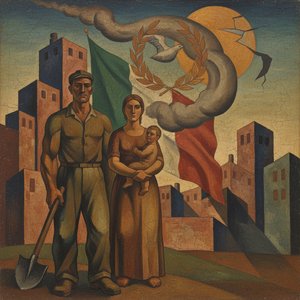
Mario Sironi: Poesia dell'Identità Italiana tra Simbolismo e Commento Sociale nel Novecento
Esplora la poetica di Mario Sironi e il suo ruolo chiave nel Novecento Italiano. Analisi approfondita del simbolismo, dell'impegno sociale e dell'influenza della Metafisica sulla sua arte. Scopri l'eredità di questo maestro italiano.

Giovanni Fattori: Realismo, Identità e Paesaggio Toscano – Un Maestro dei Macchiaioli
Esplora la vita e le opere di Giovanni Fattori, maestro dei Macchiaioli. Approfondisci il suo realismo innovativo, l'influenza del Risorgimento e la tecnica della 'macchia'. Scopri perché è un pilastro dell'arte italiana.

Carlo Carrà: Visioni Futuriste e Trasformazioni Metafisiche nella Pittura Italiana del Primo Novecento
Esplora la vita e le opere di Carlo Carrà, figura chiave del Futurismo e della Pittura metafisica italiana. Analisi approfondite, contesto storico e l'eredità artistica di un maestro del Novecento.