
 Anteprima in scala reale
 Condividi
 Condividi
 Dettagli

 Scarica
 Articoli simili
 Radiografia
 Slideshow
 Statistiche
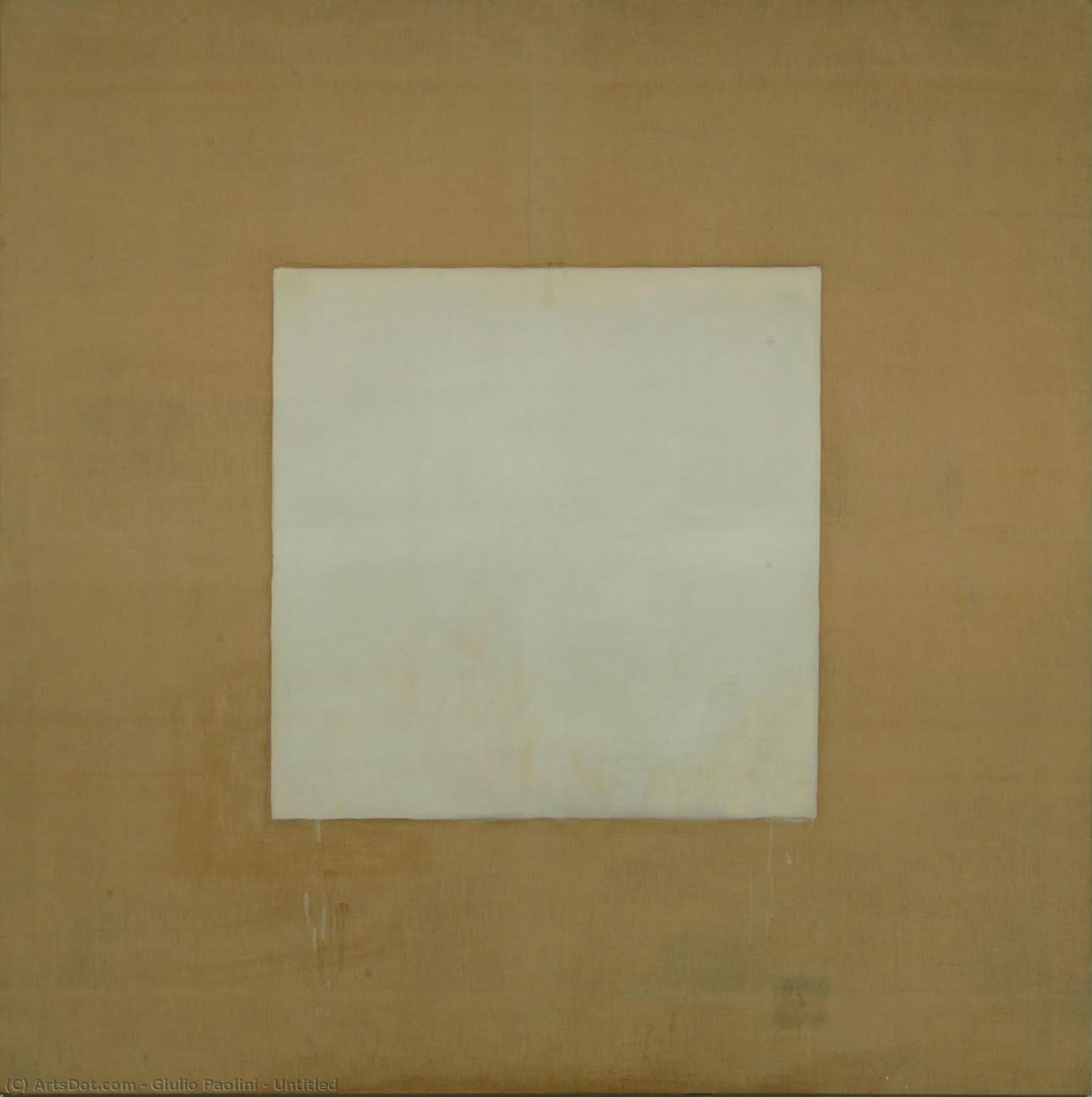
Untitled
 201.0 x 200.0 cm
 Galleria Civica di Arte Moderna e Contemporanea Torino
 Leggi tutto
Acquista un'immagine digitale ad alta risoluzione e ottimizzata, di qualità nettamente superiore all'anteprima online.
Ogni file è meticolosamente preparato dai nostri specialisti interni attraverso l'uso di strumenti avanzati e un sapiente ritocco manuale. Garantiamo che ogni immagine presenti una chiarezza eccezionale, una precisione cromatica impeccabile e dettagli raffinati.
Il file finale viene consegnato via e-mail entro 72 ore, ottimizzato per un uso immediato in contesti professionali, editoriali e di stampa. Si tratta della stessa qualità affidata ai più prestigiosi studi di design, editori e gallerie d'arte.
Immagine Digitale
Scarica un file ad alta risoluzione per uso personale, per la stampa e per progetti creativi. ( Passa alle stampe Ordina la riproduzione dipinta a mano)
Incluso in ogni acquisto di immagini digitali
Consegna digitale professionale e garantita
Quando scegli OriginalUniqueArt.com, non riceverai solo un'immagine: riceverai un'opera d'arte digitale professionalmente ottimizzata, realizzata con la massima precisione e accompagnata da una garanzia di soddisfazione. Ecco tutto ciò che include il tuo ordine, automaticamente:

Consegna rapida via email
Riceverai il file dell'immagine digitale ad alta risoluzione via email entro 72 ore dall'ordine, pronto per un uso immediato.

File digitale potenziato dall'IA
La tua opera d'arte viene ottimizzata professionalmente attraverso l'uso di strumenti avanzati di intelligenza artificiale e una revisione manuale, garantendo il massimo livello di dettaglio, nitidezza e accuratezza cromatica.

Riconsegna gratuita a vita
Hai eliminato o perso accidentalmente il tuo file? Non preoccuparti: te lo invieremo di nuovo in qualsiasi momento, gratuitamente.

Nessun costo di importazione, mai
Goditi la tua opera d'arte istantaneamente senza costi doganali, dazi o spese di spedizione: i download digitali sono sempre esenti da tasse.

Garanzia di fedeltà cromatica
Garantiamo che la tua immagine digitale rifletta i colori originali con la massima fedeltà, grazie all'uso di strumenti professionali e a una gestione accurata del colore.

Garanzia soddisfatti o rimborsati 100 giorni
Se non sei soddisfatto della tua immagine digitale, la revisioneremo o ti rimborseremo il 100% entro 100 giorni, senza domande.

Garanzia di rimborso al 100%
Non sei soddisfatto? Ricevi un rimborso completo entro 100 giorni dal ricevimento del tuo file digitale, senza dover fornire spiegazioni.

Sconti per ordini multipli
Acquista 3 immagini, risparmia il 10% - Acquista 5, risparmia il 15% - Acquista 10+, risparmia il 20%. Ideale per progetti creativi, gallerie e agenzie.
Biografia dell'artista
Giulio Paolini: Bridging Arte Povera and Conceptual Thought
Giulio Paolini stands as a singular figure in Italian art, embodying the spirit of Arte povera while simultaneously delving into the intricacies of conceptual art. Born in Genoa in 1940, his artistic journey began amidst formative influences – a childhood spent in Bergamo instilled a deep appreciation for visual culture and fostered an early engagement with museums and galleries. His fascination extended beyond mere observation; he actively sought knowledge through art periodicals and meticulously studied the works of masters. This intellectual curiosity propelled him toward painting after graduating from the Giambattista Bodoni State Industrial Technical School of Graphics and Photography in 1959, specializing in graphic design.- Early Explorations: Paolini’s initial artistic endeavors centered on monochrome abstractions, reflecting a desire to distill visual experience into its purest form. The discovery of modern graphics – his brother Cesare's architectural pursuits – profoundly impacted his aesthetic sensibilities, shaping his approach to representation. He experimented with stark white tempera canvases, deliberately stripping away color and texture to concentrate solely on geometric forms—a technique that foreshadowed the core principles of Arte povera.
- The Pioneering Gesture: His breakthrough came with “ disegno geometrico” (geometric drawing), executed in 1960. This ambitious undertaking involved squaring a canvas painted entirely white tempera – an act of deliberate negation intended to liberate the image from preconceived notions and establish a foundational conceptual principle. Paolini’s intention wasn't merely aesthetic; it represented a radical rethinking of artistic practice, rejecting illusionistic representation for a more austere exploration of form and space.
- Conceptual Foundations: Paolini’s artistic philosophy revolved around capturing “eternal recurrence,” recognizing that each creative moment holds inherent significance and contributes to the artist's self-discovery. This perspective underpinned his subsequent explorations into the very components of painting – tools and space—marking a decisive shift toward conceptual concerns. He questioned how art could communicate beyond visual perception, prompting reflection on its role in confronting existential questions.
The Rise of Arte Povera and Photographic Realism
Paolini’s artistic trajectory gained momentum in the early 1960s as he embraced photography, expanding his investigation into the relationship between artist and artwork. This collaboration with Carla Lonzi proved pivotal, introducing him to Marisa Volpi who would soon produce influential critical analyses of his burgeoning talent. The encounter solidified Paolini's connection to Arte povera—an artistic movement characterized by its use of humble materials and rejection of traditional techniques—and cemented his commitment to exploring the boundaries of visual perception. Critics like Lonzi recognized Paolini’s innovative approach, establishing him as a voice within the burgeoning Arte povera movement.- Early Exhibitions: His debut solo exhibition at Gian Tommaso Liverani’s La Salita gallery in Rome in 1964 showcased “leant against or hanging on the wall” panels—a deliberate provocation designed to disrupt conventional notions of display and underscore the ongoing process of artistic creation. These works utilized simple materials like wood and plaster, rejecting polished surfaces and elaborate ornamentation in favor of textural qualities that conveyed emotional resonance.
- Material Exploration: Paolini’s subsequent explorations consistently prioritized raw materials—wood, plaster, photography—transforming them into evocative sculptures and images. He meticulously documented the interplay between light and shadow, capturing fleeting moments of perception with photographic prints—a technique that mirrored Arte povera's focus on confronting materiality and challenging viewers to reconsider their assumptions about artistic representation.
Notable Achievements and Artistic Legacy
Paolini’s output demonstrates a remarkable sensitivity to both formal experimentation and conceptual depth. His exploration of photographic realism—evident in “senza titolo” (1965)—challenged viewers to confront the complexities of representation, prompting reflection on how images convey meaning beyond mere visual appearance. Furthermore, his sculptural endeavors, such as “Untitled (936),” exemplify Arte povera’s commitment to confronting existential themes through understated materials and forms—a testament to Paolini's enduring influence on contemporary art. He remains a respected figure within the Italian artistic landscape, remembered for his pioneering spirit and unwavering dedication to pushing the boundaries of visual expression.- Critical Recognition: Paolini’s work garnered considerable acclaim from prominent art critics and curators who championed his distinctive aesthetic vision. Lonzi and Volpi’s initial assessments established him as a key figure in the Arte povera movement, securing his place within the history of Italian contemporary art.
- Continuing Relevance: Giulio Paolini's legacy resides in his refusal to adhere to conventional standards—his insistence on exploring fundamental questions about artistic practice and perception. His work continues to inspire artists today who strive to forge new paths within the realm of visual art, embodying the spirit of Arte povera’s enduring power to provoke thought and challenge established norms.

Giulio Paolini
1940 - , Italia
In breve
- Artistic Movement Or Style: Arte Povera & Conceptual Art
- Artists Or Movements Influenced By This Artist: ['Minimalism']
- Artists Who Influenced This Artist: ['Luciano Fabro']
- Date Of Birth: 1940
- Date Of Death: Living
- Full Name: Giulio Paolini
- Nationality: Italian
- Notable Artworks: ['L', 'senza titolo', 'Untitled (936)']
- Place Of Birth: Genoa, Italy