Anteprima in scala reale
 Condividi
 Condividi
 Dettagli
 Guida stampabile

 Scarica
 Articoli simili
 Radiografia
 Slideshow
 Statistiche
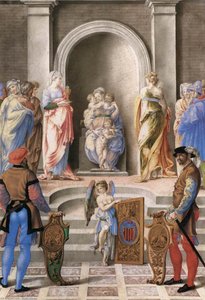
Elymas Struck Blind by St Paul before the Proconsul Sergius Paulus
 Painting
- WallArt
- High Renaissance
 Renaissance
 325.0 x 224.0 cm
 Musée du Louvre
 Leggi tutto
Giclée / Stampe d'arte
Stampa giclée o su tela di qualità museale, con produzione rapida e diverse opzioni di finitura. ( Ordina la riproduzione dipinta a mano Passa all'immagine digitale)




P118B €10

P118H €10

P118W €10

P438Z €10

P508JH €12

P508YH €12

P805H €10

P805Z €10

P919BZ €10

P919G €10

P919XJ €10

P959ZH €10

P968JZ €12

W106C €8

W218G €10

W218JH €8

W218Y €10

W307PJ €10

W316G €10

W316PJ €8

W316Y €10

W398PJ €8

W4111J €10

W500HY €15

W500JH €15

W692G €12

W849H €8

W940BG €15

W953PJ €8




Scegli tra le nostre dimensioni predefinite, che rispettano le proporzioni originali dell'opera d'arte.

Inserisci la larghezza e l'altezza desiderate, per adattarle alla tua cornice o alla tua parete. Una stampa può essere solo ritagliata, mai resa più grande dell'immagine originale; pertanto, un formato con una forma differente comporterà la perdita di una parte dell'opera. Ti invieremo un mockup digitale da approvare prima di procedere con la stampa. L'immagine mostrata in questa pagina non rappresenta il ritaglio reale — solo il mockup lo mostra.
Consegna in tutto il mondo () in 2 settimane invece delle normali 4/5 settimane. (24 Ottobre)

Spedizione espressa gratuita in tutto il mondo

Tela in lino di alta qualità

Assicurazione completa sulla spedizione

Garanzia di rimborso dei dazi doganali

Garanzia di perfetta fedeltà cromatica

Politica di reso entro 100 giorni (solo per difetti di fabbricazione)

Garanzia di rimborso al 100%

Sconto per acquisti multipli
 L'opzione vetro è disponibile solo per dimensioni inferiori a 110 cm

Elymas Struck Blind by St Paul before the Proconsul Sergius Paulus
Giclée / Stampe d'arte
Dimensioni della riproduzione
-


Prezzo totale
€ 70
A Divine Encounter Captured in Color
In the grand tapestry of the Italian High Renaissance, few moments possess the visceral tension found in Giulio Clovio’s Elymas Struck Blind by St Paul before the Proconsul Sergius Paulus. This masterpiece serves as a breathtaking window into a moment of profound spiritual upheaval, where the earthly and the divine collide with startling clarity. The scene captures the precise instant of a miracle: the sorcerer Elymas is overcome by sudden darkness, his sight stolen by the righteous authority of Saint Paul. Clovio does not merely illustrate a biblical passage; he orchestrates a drama of light and shadow, positioning the viewer directly within the crowded, breathless atmosphere of Paphos. The composition is alive with movement, as figures react to the divine intervention—some recoiling in awe, others leaning in with suspicion or curiosity—creating a rhythmic energy that pulls the eye across the canvas.
The emotional weight of the piece lies in its ability to convey both terror and transcendence. As St Paul performs his divine act, there is an unmistakable sense of gravity; the air seems thick with the weight of judgment. For the modern collector or lover of classical art, this painting offers more than just a historical narrative; it provides a profound meditation on the power of faith and the vulnerability of human perception. The dramatic interplay between the central figures and the surrounding onlookers creates a psychological depth that makes the scene feel perpetually present, as if the miracle is unfolding for the very first time before our eyes.
Mastery of the Renaissance Line and Composition
Giulio Clovio, often celebrated as the "Michelangelo of the miniature," brought a level of sophistication to this larger-scale work that bridged the delicate precision of manuscript illumination with the monumental grandeur of High Renaissance painting. His technique is characterized by an extraordinary command of detail, where every fold of heavy drapery and every expressive gesture is rendered with meticulous care. Clovical influence is evident in the way he handles light; it does not merely illuminate the scene but acts as a narrative tool, highlighting the divine authority of Paul while casting the shadows of confusion over those caught in the wake of the miracle.
Interestingly, Clovio’s approach to this composition was a brilliant act of artistic dialogue. Drawing inspiration from the monumental tapestry cartoons of Raphael, Clovio chose to deliberately invert the composition. This was not a mere stylistic whim but a calculated move to enhance the immediacy and impact of the biblical story. By reconfiguring the spatial relationships between the Proconsul, the Saint, and the sorcerer, he achieved a sense of arresting intimacy. For interior designers seeking to anchor a room with a piece of significant historical weight, this painting offers a sophisticated balance of complex detail and powerful, singular focus, making it an ideal centerpiece for a gallery-style collection or a stately study.
A Legacy of Light and Devotion
To behold this work is to understand the zenith of Clovio’s career. Born in Croatia but flourishing under the patronage of Italian cardinals, Clovio infused his works with a unique blend of Gothic intricacy and Renaissance humanism. In Elymas Struck Blind, we see the culmination of this journey—a painting that uses the physical medium of pigment and light to explore the metaphysical concept of spiritual sight. The symbolism is layered; the blinding of Elymas represents the stripping away of worldly deception to reveal a higher truth, a theme that resonates deeply across centuries.
Owning or displaying a high-quality reproduction of this work allows one to bring this era of intense devotion and artistic innovation into a contemporary space. It serves as a conversation starter, an object of contemplation, and a tribute to the enduring power of the Renaissance spirit. Whether placed in a sunlit salon or a quiet library, Clovio’s dramatic depiction continues to command attention, reminding us of the moments in history when the veil between the seen and the unseen was momentarily torn asunder.
Domande e risposte
Da quale paese proviene l'opera del High Renaissance "Elymas Struck Blind by St Paul before the Proconsul Sergius Paulus"?
"Elymas Struck Blind by St Paul before the Proconsul Sergius Paulus" è stata creata da Giulio Clovio, nato in Croazia, all'interno del movimento High Renaissance. L'origine dell'artista lega l'opera al High Renaissance così come praticato dagli artisti di Croazia.
Cosa rappresenta "Elymas Struck Blind by St Paul before the Proconsul Sergius Paulus" e quale atmosfera trasmette?
"Elymas Struck Blind by St Paul before the Proconsul Sergius Paulus" di Giulio Clovio ritrae saint paul, miracle, conversion, blindness, roman proconsul, religious narrative, medieval art, con un'atmosfera Elegant. Il soggetto e l'atmosfera insieme descrivono l'opera.
Quante persone visualizzano "Elymas Struck Blind by St Paul before the Proconsul Sergius Paulus"?
Le statistiche relative a "Elymas Struck Blind by St Paul before the Proconsul Sergius Paulus" di Giulio Clovio sono disponibili nella pagina Statistiche dell'opera: visite mensili dell'opera, visite alle opere dell'artista e ripartizione per paese e lingua dei visitatori recenti.
Biografia dell'artista
Una luminosa figura croata del Rinascimento italiano
Giulio Clovio, nato Juraj Julije Klović nel 1498 tra le dolci colline di Grižane, in Croazia, si staglia come una figura cruciale capace di unire la tradizione tardogotica dell'illuminazione manoscritta con l'esplosione del Rinascimento maturo. Sebbene le sue radici affondassero nel Regno di Croazia, fu in Italia che il genio artistico di Clovio sbocciò pienamente, guadagnandogli la fama di essere probabilmente il più grande miniaturista della sua epoca e l'ultimo maestro significativo di una stirpe che risaliva a secoli prima. La sua storia è un racconto di talento straordinario, di patronato astuto e di una dedizione incrollabile nel trasformare la miniatura in una forma d'arte di una sofisticatezza mozzafiato.
Gli anni primordiali della vita di Clovio rimangono avvolti in un certo mistero. Si crede che possa aver ricevuto la sua formazione artistica iniziale all'interno dei circoli monastici vicino a Rijeka, ma all'età di diciotto anni, l'ambizione lo condusse in Italia. L'ingresso nella casa del Cardinale Marino Grimani segnò un punto di svolta fondamentale; qui, sotto la guida del cardinale, Clovio perfezionò le sue doti di pittore e iniziò a sviluppare quella tecnica meticolosa che avrebbe definito la sua intera carriera. Egli assorbì le influenze dei principali artisti del tempo — Giulio Romano e Girolamo dai Libri giocarono entrambi un ruolo cruciale nel plasmare il suo stile — ma seppe rapidamente tracciare un proprio sentiero, dimostrando un'eccezionale attitudine nel trasporre la grandiosità della pittura rinascimentale su scala miniaturistica.
L'arte della miniatura: una sintesi di stili
L'arte di Clovio non consisteva semplicemente nel replicare gli stili esistenti; si trattava di sintetizzarli. Egli fuse magistralmente la delicata precisione dell'illuminazione dell'Europa settentrionale con le composizioni dinamiche e le tavolozze cromatiche vibranti caratteristiche dei maestri del Rinascimento italiano come Raffaello, Michelangelo e Tiziano. Questa fusione è particolarmente evidente nei suoi manoscritti miniati, dove le figure possiedono una qualità scultorea, i paesaggi si ritraggono in una prospettiva atmosferica e ogni dettaglio — dalle pieghe dei drappeggi al luccichio dei gioielli — è reso con un'accuratezza sorprendente.
Il suo lavoro per il Cardinale Domenico Grimani, che include l'esquisitamente dettagliato commento all'Epistola ai Romani di San Paolo (oggi conservato nel Sir John Soane's Museum), mostrò il suo talento emergente e consolidò la sua reputazione. Le miniature all'interno di questo manoscritto non sono semplici illustrazioni; sono vere e proprie pitture in miniatura, cariche di potenza narrativa e profondità emotiva. La conversione di San Paolo è rappresentata con un'intensità drammatica raramente riscontrabile nei manoscritti miniati.
Patronato, viaggi e fioritura artistica
La carriera di Clovio fu indissolubilmente legata ai potenti mecenati che riconobbero le sue eccezionali capacità. Dopo il periodo trascorso con la famiglia Grimani, servì alla corte ungherese di Re Luigi II, creando opere come "Il Giudizio di Paride" e "Lucrezia". La morte prematura del re nella battaglia di Mohács spinse Clovio a tornare a Roma, dove continuò ad attrarre sostenitori influenti.
La sua associazione con il Cardinale Alessandro Farnese si rivelò particolarmente feconda. Fu per Farnese che Clovio creò il suo magnum opus: le Ore Farnese, un libro d'ore lavishamente miniato, completato nel 1546 dopo nove anni di meticoloso lavoro. Questo capolavoro, ora custodito nella Morgan Library di New York, contiene ventotto miniature che raffigurano scene sia dell'Antico che del Nuovo Testamento, culminando in una spettacolare doppia pagina che rappresenta la processione del Corpus Domini a Roma. Le Ore Farnese non sono solo una testimonianza della perizia tecnica di Clovio, ma anche un riflesso della sua profonda comprensione dell'iconografia rinascimentale e dei temi teologici.
Un'eredità illuminata
L'influenza di Clovio si estese ben oltre l'ambito dell'illuminazione manoscritta. Era una figura rispettata negli ambienti artistici, amico di artisti come Pieter Bruegel il Vecchio — che contribuì persino con una miniatura a una delle opere di Clovio — ed El Greco, il quale dipinse diversi ritratti del maestro miniaturista, ponendolo accanto a Michelangelo, Raffaello e Tiziano come proprie fonti d'ispirazione. Questi ritratti fungono da potenti dichiarazioni visive sul prestigio di Clovio all'interno della comunità artistica.
Sebbene lavorasse principalmente in miniatura, l'impatto di Clovio sull'arte rinascimentale fu significativo. Egli elevò lo status dell'illuminazione da mestiere artigianale ad arte maggiore, dimostrandone il potenziale di espressione e virtuosismo tecnico. La sua capacità di catturare lo spirito del Rinascimento maturo entro i confini di un formato in miniatura gli assicurò un posto tra gli artisti più celebrati del suo tempo: una luminosa figura croata la cui eredità continua, ancora oggi, a illuminare il mondo dell'arte.

Giulio Clovio
1498 - 1578 , Croazia
Informazioni rapide
- Artistic Movement Or Style: Alto Rinascimento
- Artists Or Movements Influenced By This Artist: ['El Greco']
- Artists Who Influenced This Artist:
- Giulio Romano
- Girolamo dai Libri
- Date Of Birth: 1498
- Date Of Death: 5 gennaio 1578
- Full Name: Giulio Clovio Juraj Julije Klović
- Nationality: Croata-Italiana
- Notable Artworks:
- Ore Farnese
- Libro delle ore di Sant'Alessandro
- Place Of Birth: Grižane, Croazia
Articoli correlati
Giulio Romano: A Master of Mannerism & the Palazzo Te Legacy
Explore the revolutionary art of Giulio Romano, master of Mannerism & architect of Palazzo Te. Discover his influence, investment potential, and stunning frescoes – a guide for discerning collectors.
El Greco: I 25 Capolavori Immortali dell'Arte Spirituale | OriginalUniqueArt
Esplora i 25 capolavori immortali di El Greco, il maestro del manierismo e della pittura religiosa. Scopri la storia, lo stile unico e le emozioni dietro ogni opera. Stampe e riproduzioni d'arte su OriginalUniqueArt.com per decorare con bellezza.

Paul Klee: Poetica della Forma e del Colore – Esplorando il Paesaggio Interiore di un Maestro Moderno
Esplora la poetica di Paul Klee, maestro del modernismo e dell'astrattismo. Analisi approfondite delle sue opere più significative, il periodo Bauhaus e l'influenza della musica e della spiritualità sulla sua arte.

Paul Cézanne: I 25 Capolavori che Hanno Rivoluzionato l'Arte Moderna | OriginalUniqueArt
Esplora i 25 capolavori di Paul Cézanne, il maestro dell'impressionismo e post-impressionismo. Scopri la storia, le tecniche e i colori iconici dietro opere come 'Le grandi bagnanti' e 'Mont Sainte-Victoire'. Trova riproduzioni artistiche di alta qualità per decorare la tua casa su OriginalUniqueArt.com.

Paul Klee: Le 25 Opere Più Iconiche per Arricchire la Tua Casa con l'Arte
Esplora le 25 opere più iconiche di Paul Klee, maestro dell'arte astratta e del colore. Scopri la storia, lo stile unico e il significato dei suoi capolavori. Trova riproduzioni d'arte di alta qualità per decorare casa con OriginalUniqueArt.com.