Anteprima in scala reale
 Condividi
 Condividi
 Dettagli

 Scarica
 Articoli simili
 Radiografia
 Slideshow
 Statistiche
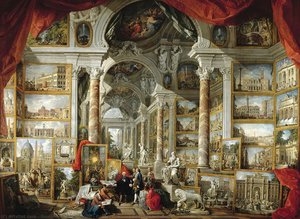
Capriccio
 87.0 x 124.0 cm
 Madingley Hall
 Leggi tutto
Giclée / Stampe d'arte
Stampa giclée o su tela di qualità museale, con produzione rapida e diverse opzioni di finitura. ( Ordina la riproduzione dipinta a mano Passa all'immagine digitale)




































Scegli tra le nostre dimensioni predefinite, che rispettano le proporzioni originali dell'opera d'arte.

È possibile inserire dimensioni personalizzate per adattare l'opera a una cornice o a uno spazio specifico. Se la dimensione selezionata non corrisponde alle proporzioni dell'immagine originale, procederemo al ritaglio dell'opera o all'estensione dell'immagine con un bordo specchiato o a tinta unita. Un mockup digitale ti verrà inviato per approvazione prima dell'inizio della produzione.
Si prega di notare che l'anteprima a schermo non riflette il ritaglio o l'estensione effettivi. Solo il mockup mostrerà accuratamente la composizione finale.
Sebbene siano disponibili dimensioni personalizzate, si raccomanda di selezionare una dimensione dall'elenco predefinito per preservare le proporzioni originali.
Consegna in tutto il mondo () in 2 settimane invece delle normali 4/5 settimane. (15 Settembre)

Spedizione espressa gratuita in tutto il mondo

Tela in lino di alta qualità

Assicurazione completa sulla spedizione

Garanzia di rimborso dei dazi doganali

Garanzia di perfetta fedeltà cromatica

Politica di reso entro 100 giorni (solo per difetti di fabbricazione)

Garanzia di rimborso al 100%

Sconto per acquisti multipli
 L'opzione vetro è disponibile solo per dimensioni inferiori a 110 cm

Capriccio
Giclée / Stampe d'arte
Dimensioni della riproduzione
-


Prezzo totale
$ 80
Biografia dell'artista
Giovanni Paolo Panini (1691–1765): Master of Roman Vedute & Architectural Fantasies
Giovanni Paolo Panini, a name synonymous with the grandeur and romantic allure of 18th-century Rome, was more than just a painter; he was a visual architect of memory. Born in Piacenza in 1691, his artistic journey began under the tutelage of Giuseppe Natali and Andrea Galluzzi, but it was his exposure to the theatrical designs of Francesco Galli-Bibiena that truly ignited his imagination. This early immersion in stagecraft would profoundly influence his later work, imbuing it with a sense of dramatic composition and illusionistic space. In 1711, Panini relocated to Rome, a city already steeped in artistic history, where he honed his skills under the guidance of Benedetto Luti, mastering the art of drawing and laying the foundation for his future mastery of perspective.- Early Training & Influences: Panini’s formative years were marked by instruction from Giuseppe Natali and Andrea Galluzzi in Piacenza, shaping his initial artistic sensibilities. Crucially, he absorbed the theatrical flair of Francesco Galli-Bibiena, whose stage designs instilled a fascination with dramatic perspective and illusionistic space—influences that would permeate his subsequent oeuvre.
- Rome & The Academy: Moving to Rome in 1711, Panini enrolled at the Accademia di San Luca and later became a professor at the Académie de France, fostering connections with fellow artists like Jean-Honoré Fragonard. These institutions provided him with intellectual stimulation and access to artistic trends shaping Europe during his time.
From Frescoes to Vedute: The Evolution of an Artistic Style
Panini’s initial success came not as a canvas painter but as a decorator of palaces. His frescoes adorned the walls of prominent Roman residences, including the Villa Patrizi (1719–1725), Palazzo de Carolis (1720) and Seminario Romano (1721–1722). These early commissions allowed him to develop his technical prowess and establish a reputation within Rome’s artistic circles. He skillfully employed tonal gradations—a technique championed by Jan van Goyen—to convey depth and atmosphere, mirroring the stylistic innovations of Rembrandt. Simultaneously, he absorbed the luminous effects of Jan Both, mastering the art of capturing fleeting moments of light and color with remarkable precision.Exploring Panini’s World Today
Panini's fascination with ruins was not merely an aesthetic choice; it reflected a broader intellectual current of his time—a growing interest in classical antiquity and a melancholic awareness of its fragility. He meticulously depicted iconic landmarks like the Pantheon, Colosseum, and Roman Forum, often framing them within dramatic lighting and atmospheric effects. His masterful use of perspective—his ability to create a convincing illusion of depth and space—led to the development of what became known as the “Panini Projection,” a technique instrumental in rendering panoramic views. This projection allowed artists to accurately represent wide-angle scenes, making it invaluable for architectural renderings and landscape painting.- The Temple of Diana
- Interior of Saint Peter's, Rome
- Interior of the Pantheon, Rome

Giovanni Paolo Pannini
1691 - 1765 , Italia
Informazioni rapide
- Artistic Movement Or Style: Vedutismo
- Artists Or Movements Influenced By This Artist: ['Hubert Robert']
- Artists Who Influenced This Artist:
- Giuseppe Natali
- Andrea Galluzzi
- Francesco Galli-Bibiena
- Date Of Birth: 1691
- Date Of Death: 1765
- Full Name: Giovanni Paolo Panini
- Nationality: Italian
- Notable Artworks:
- Pantheon Interior View
- Rome Views
- Capriccios
- Place Of Birth: Piacenza, Italy