

 Anteprima in scala reale
 Invia
Invia Condividi
 Dettagli opera
 Guida
Guida

 Scarica
 Simili
 Radiografia
 Slideshow
 Statistiche
Christ Blessing
 Olio su tela
- Opere da parete
- Renaissance Italian
 1500
1500 59.0 x 47.0 cm
 Kimbell Art Museum
 Espandi i dettagli
Riproduzione a olio fatta a mano
Olio su tela dipinto a mano nelle tue dimensioni e con la tua cornice, realizzato su ordinazione dai nostri artisti. ( Passa alle stampe Passa all'immagine digitale)




P118B €10

P118H €10

P118W €10

P438Z €10

P508JH €12

P508YH €12

P805H €10

P805Z €10

P919BZ €10

P919G €10

P919XJ €10

P959ZH €10

P968JZ €12

W106C €8

W218G €10

W218JH €8

W218Y €10

W307PJ €10

W316G €10

W316PJ €8

W316Y €10

W398PJ €8

W4111J €10

W500HY €15

W500JH €15

W692G €12

W849H €8

W940BG €15

W953PJ €8




Scegli tra le nostre dimensioni predefinite, che rispettano le proporzioni originali dell'opera d'arte.

Inserisci la larghezza e l'altezza desiderate, per adattarle alla tua cornice o alla tua parete. Trattandosi di un'opera dipinta a mano, in caso di dimensioni con un formato differente, l'artista può estendere leggermente il dipinto oltre i bordi dell'immagine o ritagliare una piccola parte — la scelta spetta a te. Ti invieremo un mockup digitale da approvare prima che la realizzazione abbia inizio. L'immagine mostrata in questa pagina non rappresenta il risultato finale — solo il mockup lo fa.
Dopo l'ordine, il team di OriginalUniqueArt.com contatterà il cliente via e-mail per ricevere le istruzioni e fornirà un'anteprima del mockup
Consegna in tutto il mondo () in 3/4 settimane anziché nelle normali 5 settimane. (26 Ottobre). Nessun compromesso sulla qualità.

Spedizione espressa gratuita in tutto il mondo

Tela in lino di alta qualità

Assicurazione completa sulla spedizione

Garanzia di rimborso dei dazi doganali

Garanzia di fedeltà cromatica assoluta

Politica di reso entro 100 giorni (solo per difetti di fabbricazione)

Garanzia di rimborso al 100%

Offerta per acquisti multipli
 L'opzione vetro è disponibile solo per dimensioni inferiori a 110 cm

Christ Blessing
Tecnica di riproduzione
Dimensioni riproduzione
-


Prezzo finale calcolato
€ 263
A Moment of Grace: Giovanni Bellini’s “Christ Blessing”
Giovanni Bellini's "Christ Blessing," painted around 1500 in Venice, isn’t merely a depiction of the resurrected Christ; it’s an immersive meditation on faith, redemption, and the profound mystery at the heart of Christian belief. This intimate devotional panel, now housed within the hallowed halls of the Kimbell Art Museum in Fort Worth, Texas, transcends simple portraiture to become a powerful visual sermon, inviting contemplation long after the initial viewing. Bellini masterfully blends Byzantine tradition with the burgeoning humanism of the Renaissance, creating an image that is both deeply spiritual and remarkably accessible.
The scene unfolds with arresting immediacy. Christ, rendered in a strikingly realistic manner for his time – yet retaining a distinctly serene and almost youthful quality – faces the viewer directly. His level gaze establishes a palpable connection, drawing us into this sacred moment. He raises his right hand in blessing, a gesture of profound grace and offering, while his left grips the vibrant red staff of the Resurrection banner, a potent symbol of triumph over death. The subtle yet unmistakable wounds on his hand and chest – barely visible, yet undeniably present – serve as poignant reminders of his sacrifice, grounding the divine with an undeniable human reality.
Symbolism Woven into the Landscape
Bellini’s genius lies not just in the central figure but also in the richly layered symbolism embedded within the background landscape. This isn't a distant, ethereal vista; it’s a carefully constructed allegory designed to illuminate the narrative of salvation. The withered tree with a solitary bird on the left side of the panel represents the Old Covenant, gradually giving way to the promise of the New. The pair of rabbits – a recurring motif in Bellini’s work – symbolize regeneration and new life, echoing the transformative power of Christ's resurrection. Even the shepherd tending his flock is imbued with meaning: he embodies Christ as the Good Shepherd (drawing directly from John 10:14), guiding and protecting his people.
The distant bell tower, a prominent feature in the background, speaks to the Church’s role in facilitating salvation. And subtly, yet powerfully, the three robed figures hurrying towards the tomb – undoubtedly the Three Marys – convey the urgency of the news: the empty tomb and the promise of resurrection. The entire landscape becomes a visual roadmap of redemption, guiding the viewer through the complex journey from earthly suffering to eternal glory.
Technique and Light: A Masterclass in Venetian Painting
Bellini’s mastery is evident in his exquisite use of color and light. The painting is suffused with a warm, golden radiance emanating from Christ's head – a technique borrowed from the Byzantine tradition – signifying his divinity. This luminosity contrasts beautifully with the cooler tones used for the landscape, creating a dynamic interplay between earthly and heavenly realms. The artist’s brushwork is remarkably smooth and controlled, particularly in the rendering of Christ’s flesh, demonstrating a deep understanding of anatomy and form.
Bellini's skill in layering glazes – applying thin, translucent layers of paint to build up color and depth – contributes significantly to the painting’s luminous quality. This technique, perfected over decades of practice, allows light to penetrate through the pigments, creating a sense of atmosphere and realism that was revolutionary for its time. The subtle shadows cast by Christ's arm further emphasize the reality of his resurrection, grounding the divine in tangible form.
A Timeless Testament to Faith
"Christ Blessing" is more than just a beautiful painting; it’s a profound meditation on faith and humanity. Bellini’s ability to seamlessly blend religious symbolism with artistic skill creates an image that continues to resonate with viewers centuries after its creation. It's a testament to the enduring power of art to communicate complex ideas and evoke deep emotions, inviting us to contemplate our own relationship with faith, hope, and redemption. A reproduction captures this essence beautifully, bringing this masterpiece into any home or space as a constant reminder of its timeless message.
Domande e risposte
Quale uso e quale spazio si consigliano per "Christ Blessing" di Giovanni Bellini?
"Christ Blessing" è ideale per Opera d'impatto e si adatta perfettamente a un Zona giorno.
Quali sono la tecnica e le dimensioni di "Christ Blessing" di Giovanni Bellini?
L'originale "Christ Blessing" di Giovanni Bellini è un'opera in Olio su tela di dimensioni 59 x 47 cm. La tecnica e le dimensioni si riferiscono all'opera originale.
A quale artista è attribuito "Christ Blessing"?
"Christ Blessing" è stata creata da Giovanni Bellini. Le informazioni contenute in questa pagina descrivono l'opera originale di Giovanni Bellini.
Biografia dell'artista
La Vita e la Carriera di Giovanni Bellini
Giovanni Bellini, nato a Venezia intorno al 1433, fu uno dei pittori più importanti del Rinascimento italiano. Cresciuto nell'ambiente artistico della famiglia Bellini, con Jacopo Bellini (probabilmente suo fratello maggiore piuttosto che suo padre) come figura centrale, Giovanni sviluppò un talento precoce che lo portò a diventare una figura chiave nella pittura veneziana. Le sue prime opere rivelano già una profonda sensibilità religiosa e un'abilità nel rappresentare figure umane con grande pathos, come si può osservare in "San Girolamo nel Deserto".L’Evoluzione dello Stile Artistico
Lo stile di Giovanni Bellini subì una notevole evoluzione nel corso della sua carriera. Dalle prime opere più austere, passò a uno stile caratterizzato da colori ricchi e vibranti, paesaggi atmosferici fluidi e una maggiore attenzione alla resa dei dettagli. Questa evoluzione lo portò a diventare un maestro del colore e della composizione, influenzando profondamente la scuola veneziana di pittura. Nel 1470, ottenne il suo primo incarico importante presso la Scuola di San Marco, lavorando insieme al fratello Gentile Bellini e ad altri artisti.Opere Principali e Contributi Significativi
Giovanni Bellini lasciò un'eredità artistica ricca e diversificata. Tra le sue opere più significative si possono citare: "La Trasfigurazione" (conservata a Napoli), che rappresenta la maturità del suo stile con una serenità e una potenza espressiva notevoli; "La Coronatione della Vergine" (a Pesaro), un esempio dei suoi primi tentativi in questo genere, precedentemente dominato dalla scuola dei Vivarini; e il suo ruolo di conservatore delle pitture nel grande salone del Palazzo Ducale (dal 1479 al 1480), che consolidò ulteriormente la sua reputazione.Innovazioni Tecniche e Influenza Artistica
Un contributo fondamentale di Giovanni Bellini fu l'uso innovativo dei colori a olio, chiari e dalla lenta essiccazione. Questa tecnica permise di ottenere sfumature profonde e dettagliate, rivoluzionando la pittura veneziana. Il suo stile si caratterizzava per:- Una sensibilità cromatica intensa
- Colori sontuosi e paesaggi atmosferici fluidi
- Un'influenza significativa sulla scuola pittorica veneziana, in particolare su Giorgione e Tiziano.
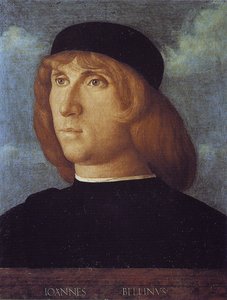
Giovanni Bellini
1433 - 1516 , Italia
Dettagli rapidi
- Artisti Influenti:
- Jacopo Bellini
- Gentile Bellini
- Artisti Influenzati:
- Giorgione
- Tiziano
- Data Di Nascita: circa 1433
- Luogo Di Nascita: Venezia, Italia
- Movimento Artistico: Rinascimento veneziano
- Nazionalità: Italiana
- Nome Completo: Giovanni Bellini
- Opere Notevoli:
- Cristo Morto Sostenuto dagli Angeli
- Pala Barbarigo
- San Sebastiano
- Madonna della Ciocca
- Madonna degli Alberetti
- La Transfiguratione
Articoli correlati

The Golden Light of Innovation: Exploring the Venetian Renaissance Art Movement (1430–1580)
Explore the Golden Age of Venetian art (1430–1580). Discover Giorgione, Titian & Tintoretto's techniques, the 'colorito' revolution, and lasting influence. Expert insights for collectors & enthusiasts.
Jacopo Tintoretto: I 25 Capolavori che Definiscono un Maestro del Rinascimento Veneziano | OriginalUniqueArt
Esplora i 25 capolavori di Jacopo Tintoretto, il maestro del Rinascimento veneziano. Scopri la storia, le tecniche e l'emozione dietro ogni dipinto. Trova riproduzioni artistiche di alta qualità per decorare la tua casa su OriginalUniqueArt.com.
Vittore Carpaccio: Narrazione Rinascimentale e la Poetica del Dettaglio a Venezia
Esplora l'arte di Vittore Carpaccio e il Rinascimento veneziano. Approfondisci la storia della Scuola di San Giorgio degli Schiavoni, il suo ciclo pittorico unico e la poetica del dettaglio che lo rende un maestro.

Venetian Renaissance: The Mastery of Color, Light, and the Art of Colorito
Explore the luminous mastery of the Venetian Renaissance. Discover how masters like Titian and Giorgione revolutionized art through colorito, light, and atmosphere. An expert guide to the golden age of Italian painting for collectors and enthusiasts.
Venetian Renaissance: The Golden Age of Color, Light, and Luminous Artistry
Embark on a journey through the Venetian Renaissance. Discover how masters like Giorgione and Titian revolutionized art through luminous color and light. Explore the profound legacy of the Venetian School and its enduring influence on the world of fine art.


