

 Anteprima in scala reale
 Condividi
 Condividi
 Dettagli
 Guida
Guida

 Scarica
 Articoli simili
 Radiografia
 Slideshow
 Statistiche
Camera obscura


 Leggi tutto
Giclée / Stampe d'arte
Stampa giclée o su tela di qualità museale, con produzione rapida e diverse opzioni di finitura. ( Ordina la riproduzione dipinta a mano Passa all'immagine digitale)




P118B $10

P118H $10

P118W $10

P438Z $10

P508JH $12

P508YH $12

P805H $10

P805Z $10

P919BZ $10

P919G $10

P919XJ $10

P959ZH $10

P968JZ $12

W106C $8

W218G $10

W218JH $8

W218Y $10

W307PJ $10

W316G $10

W316PJ $8

W316Y $10

W398PJ $8

W4111J $10

W500HY $15

W500JH $15

W692G $12

W849H $8

W940BG $15

W953PJ $8




Scegli tra le nostre dimensioni predefinite, che rispettano le proporzioni originali dell'opera d'arte.

È possibile inserire dimensioni personalizzate per adattare l'opera a una cornice o a uno spazio specifico. Se la dimensione selezionata non corrisponde alle proporzioni dell'immagine originale, procederemo al ritaglio dell'opera o all'estensione dell'immagine con un bordo specchiato o a tinta unita. Un mockup digitale ti verrà inviato per approvazione prima dell'inizio della produzione.
Si prega di notare che l'anteprima a schermo non riflette il ritaglio o l'estensione effettivi. Solo il mockup mostrerà accuratamente la composizione finale.
Sebbene siano disponibili dimensioni personalizzate, si raccomanda di selezionare una dimensione dall'elenco predefinito per preservare le proporzioni originali.
Consegna in tutto il mondo () in 2 settimane invece delle normali 4/5 settimane. (20 Settembre)

Spedizione espressa gratuita in tutto il mondo

Tela in lino di alta qualità

Assicurazione completa sulla spedizione

Garanzia di rimborso dei dazi doganali

Garanzia di perfetta fedeltà cromatica

Politica di reso entro 100 giorni (solo per difetti di fabbricazione)

Garanzia di rimborso al 100%

Sconto per acquisti multipli
 L'opzione vetro è disponibile solo per dimensioni inferiori a 110 cm

Camera obscura
Giclée / Stampe d'arte
Dimensioni della riproduzione
-


Prezzo totale
$ 80
A Sculptural Echo of Light and Vision
Canaletto’s “Camera Obscura,” a meticulously crafted wooden device dating back to around 1700, isn't merely a reproduction; it’s a tangible embodiment of the revolutionary vision that shaped his artistic practice. This intimate sculpture, presented against a stark black backdrop, immediately draws the eye, inviting us into a world where light and shadow dance in harmonious collaboration. The piece speaks volumes about Canaletto’s innovative approach to capturing reality – an approach deeply rooted in observation and a fascination with the mechanics of vision itself. The geometric precision of the boxy structure, constructed from carefully joined wooden panels, suggests both the artist's meticulousness and a profound understanding of spatial relationships. It’s not simply a representation of a camera obscura; it *is* the camera obscura, distilled into its essential form.
- Material & Construction: The use of wood – likely stained or varnished to preserve its beauty – speaks to Canaletto's appreciation for tactile quality and enduring craftsmanship. The intricate joinery hints at a deliberate process, reflecting the artist’s careful attention to detail.
- Form & Composition: The vertical orientation emphasizes the height and solidity of the device, creating a sense of direct engagement with the viewer. Lines dominate – sharp, clean lines defining the boxy structure, contrasting with the subtle texture of the wood grain.
- Symbolic Weight: The camera obscura itself represents a pivotal moment in art history—a precursor to photography and a testament to Canaletto’s pioneering spirit. It embodies the pursuit of accurate representation, challenging traditional methods and opening new avenues for artistic expression.
Unlocking the Secrets of Early Photography
Canaletto's fascination with the camera obscura wasn't simply an aesthetic curiosity; it was a deeply practical investigation into how light and shadow create images. The inscription on the device – “A Camera Obscura” – provides a crucial clue, revealing that this object belonged to the Venetian master himself. This discovery dramatically shifts our understanding of Canaletto’s process: he didn't just paint what he saw; he actively *observed* how light transformed his surroundings into visual forms. Research suggests that Canaletto utilized the camera obscura as a tool for sketching, meticulously documenting architectural details and urban landscapes with unprecedented accuracy. The device allowed him to capture perspective and spatial relationships with remarkable precision – a skill that profoundly influenced his later paintings.
Historical Context:The invention of the camera obscura in the 16th century marked a watershed moment in art history. Initially used as a scientific instrument for astronomical observation, it quickly gained popularity among artists seeking to improve their draftsmanship and understand perspective. Canaletto’s embrace of this technology demonstrates his commitment to innovation and his desire to push the boundaries of artistic representation.
A Window into Venice: The Artist's Process
The “Camera Obscura” offers a rare glimpse into Canaletto’s working methods. It’s believed that he used this device not just for sketching, but also as a means of studying light and shadow—analyzing how they interacted with buildings and streets to create the illusion of depth and volume. The resulting drawings were then translated into his celebrated paintings, imbuing them with an extraordinary sense of realism and atmospheric detail. The meticulousness evident in the camera obscura’s construction mirrors the painstaking care Canaletto invested in every brushstroke of his finished works. It's a testament to his dedication to capturing not just appearances, but also the very essence of Venice.
Recreating a Masterpiece: A Reproduction for Today
Reproducing Canaletto’s “Camera Obscura” is more than simply creating a copy; it’s about preserving a vital piece of art history and celebrating the ingenuity of one of Venice's greatest artists. The resulting reproduction captures not only the physical form of the device but also its symbolic significance—a reminder of the enduring power of observation, innovation, and the pursuit of accurate representation. This meticulously crafted replica serves as a tangible link to the 18th century, inviting viewers to contemplate the origins of photography and appreciate Canaletto’s pioneering legacy.
Biografia dell'artista
Giovanni Antonio Canal
Giovanni Antonio Canal, commonly known as canaletto, was born in Venice on October 18, 1697, to Bernardo Canal, a painter of theatrical scene settings, and Artemisia Barbieri. He was the son of an artist who instilled in him a passion for visual representation from a young age—a formative influence that would shape his entire artistic career. Canaletto’s early training encompassed both technical proficiency and aesthetic discernment, preparing him to excel as one of the foremost Venetian landscape painters of the eighteenth century.The Making of a Master
His apprenticeship with Bernardo Canal provided invaluable experience in mastering the fundamentals of painting—perspective, composition, and color theory—skills that would become hallmarks of his distinctive style. Notably, he studied under Giovanni Paolo Pannini, whose meticulous topographical drawings served as inspiration for canaletto’s own approach to capturing the essence of Venice and its surroundings. This encounter cemented a commitment to precise observation and artistic innovation. Canaletto's dedication to detail extended beyond mere replication; he sought to convey not just what was seen but also how it felt—a characteristic that distinguishes his work from simpler depictions.Notable Works and Collaborations
Canaletto’s fame rests primarily on his series of vedute—cityscapes—that offer unparalleled glimpses into the grandeur of Venice during his time. Among his most celebrated paintings are “The Stonemason's Yard” (c. 1725), a masterful depiction of Venetian daily life showcasing early skill, and “Regatta on the Grand Canal,” which vividly portrays public ceremonies and captures the dynamism of Venetian society. His collaborations with his nephew Bernardo Bellotto were equally significant; Bellotto’s talent complemented canaletto's vision, resulting in harmonious ensembles that further elevated the Venetian landscape tradition. Together they produced remarkable views of Dresden, Vienna and Warsaw.Artistic Style and Technique
Canaletto’s artistic style is characterized by a profound understanding of perspective—a technique he honed through the use of a camera obscura—allowing him to achieve astonishing accuracy in representing architectural structures and spatial relationships. However, canaletto's genius lay not merely in technical precision but also in compositional design; he skillfully arranged elements within his canvases to create visually compelling images that transcended mere documentation. His paintings are imbued with an atmosphere of serenity and elegance, reflecting the Venetian ideal of beauty—a legacy that continues to inspire artists today.Legacy and Collections
Canaletto’s influence on eighteenth-century art is undeniable, shaping the aesthetic sensibilities of generations of painters who followed him. His works reside in prestigious museums worldwide, including The National Gallery in London, where they stand as testament to his enduring artistic achievement. Canaletto's contribution to Venetian art history remains profound—a cornerstone of the city’s cultural heritage and a source of inspiration for artists seeking to capture the spirit of place.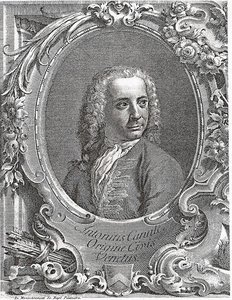
Giovanni Antonio Canal
1697 - 1768 , Italia
Informazioni rapide
- Artistic Movement Or Style: Vedute Venice
- Artists Or Movements Influenced By This Artist: ['Tintoretto']
- Artists Who Influenced This Artist: ['Giovanni Paolo Pannini']
- Date Of Birth: October 18, 1697
- Date Of Death: April 19, 1768
- Full Name: Giovanni Antonio Canal
- Nationality: Italian
- Notable Artworks:
- The Stonemason's Yard
- Regatta on the Grand Canal
- Eton College
- Place Of Birth: Venice, Italy
Articoli correlati

John Constable: I 25 Capolavori che Celebrano la Bellezza della Campagna Inglese
Esplora i 25 capolavori di John Constable, il maestro del Romanticismo inglese. Paesaggi suggestivi, luce naturale e colori vibranti ti aspettano. Acquista riproduzioni d'arte di alta qualità su OriginalUniqueArt.com e porta la bellezza della campagna inglese nella tua casa.

Evocations of Place: A Historical Journey Through Landscape Art
Explore the rich history of landscape art with OriginalUniqueArt. Discover renowned artists, movements like Impressionism & Romanticism, and expert guidance for collecting timeless pieces. Find your perfect serene escape today!

Canaletto: Luce e Spazio nella Venezia del Settecento – Un Maestro del Vedutismo
Scopri Canaletto, il maestro del vedutismo veneziano del Settecento. Analisi approfondita della sua tecnica, opere iconiche come Piazza San Marco e l'influenza dell'Illuminismo sulla sua arte.

Michelangelo Morlaiter: Venetian Landscapes & the Pursuit of Atmospheric Realism
Explore the captivating landscapes of Michelangelo Morlaiter, a key figure in 18th-century Venetian painting. Discover his mastery of atmospheric perspective and lasting influence on Italian art history. Learn more at OriginalUniqueArt.

I 10 Capolavori del Paesaggio Romantico: Arte, Storia e Decorazioni di Lusso
Esplora i 10 capolavori del Paesaggio Romantico con OriginalUniqueArt.com! Caspar David Friedrich, Turner e altri maestri: storia, tecnica e colori che definiscono un'epoca. Trova riproduzioni d'arte di lusso per la tua casa. Scopri la collezione completa online!


