

 Anteprima in scala reale
 Condividi
 Condividi
 Dettagli
 Guida stampabile

 Scarica
 Articoli simili
 Radiografia
 Slideshow
 Statistiche
St. Paul
 Acrilico su tela
- Arte da parete
- Proto-Renaissance
 1300
1300- Rinascimento
 Museo del Tesoro della Basilica di San Francesco ad Assisi
 Leggi tutto
Riproduzione a olio fatta a mano
Olio su tela dipinto a mano nelle tue dimensioni e con la tua cornice, realizzato su ordinazione dai nostri artisti. ( Passa alle stampe Passa all'immagine digitale)




P118B €10

P118H €10

P118W €10

P438Z €10

P508JH €12

P508YH €12

P805H €10

P805Z €10

P919BZ €10

P919G €10

P919XJ €10

P959ZH €10

P968JZ €12

W106C €8

W218G €10

W218JH €8

W218Y €10

W307PJ €10

W316G €10

W316PJ €8

W316Y €10

W398PJ €8

W4111J €10

W500HY €15

W500JH €15

W692G €12

W849H €8

W940BG €15

W953PJ €8




Scegli tra le nostre dimensioni predefinite, che rispettano le proporzioni originali dell'opera d'arte.

Inserisci la larghezza e l'altezza di cui hai bisogno, per adattarle alla tua cornice o alla tua parete. Trattandosi di un'opera dipinta a mano, in caso di dimensioni con una forma differente, l'artista può dipingere un po' più oltre i bordi dell'immagine o ritagliare leggermente — la scelta spetta a te. Ti invieremo un mockup digitale da approvare prima che la pittura abbia inizio. L'immagine mostrata in questa pagina non rappresenta il risultato reale — solo il mockup lo fa.
Dopo l'ordine, il team di OriginalUniqueArt.com contatterà il cliente via e-mail per ricevere le istruzioni e fornirà un'anteprima del mockup
Consegna in tutto il mondo () in 3/4 settimane anziché nelle normali 5 settimane. (23 Ottobre). Nessun compromesso sulla qualità.

Spedizione espressa gratuita in tutto il mondo

Tela in lino di alta qualità

Assicurazione completa sulla spedizione

Garanzia di rimborso dei dazi doganali

Garanzia di perfetta fedeltà cromatica

Politica di reso entro 100 giorni (solo per difetti di fabbricazione)

Garanzia di rimborso al 100%

Sconto per acquisti multipli
 L'opzione vetro è disponibile solo per dimensioni inferiori a 110 cm

St. Paul
Tecnica di riproduzione
Dimensioni della riproduzione
-


Prezzo totale
€ 264
A Glimpse of Divinity: Giotto’s St. Paul
Giotto di Bondone's “St. Paul,” created around 1300, is not merely a depiction of an Apostle; it’s a profound exploration of faith and the nascent humanism that would come to define the Renaissance. This fresco fragment, originally part of a larger cycle adorning the Basilica of Saint Francis in Assisi, offers a captivating encounter with one of Christianity's most pivotal figures. What immediately strikes the viewer is not simply the representation of St. Paul, but the startlingly direct gaze – an invitation to communion that transcends centuries. Giotto doesn’t present us with a distant saint enshrined in ethereal glory; he presents a man, imbued with spiritual authority yet palpably human.
Breaking from Byzantine Tradition
To fully appreciate “St. Paul,” one must understand the artistic landscape of its time. The 13th century was still largely dominated by the Byzantine style – characterized by flattened figures, gold backgrounds, and a focus on symbolic representation over naturalistic depiction. Giotto, however, was at the vanguard of a revolution. While retaining elements like the iconic halo signifying holiness and the rich blue backdrop hinting at the divine realm, he infused his work with an unprecedented sense of volume and emotional depth. Notice how Giotto uses subtle shading to model St. Paul’s face, giving it weight and presence. The delicate rendering of features—the lines around the eyes, the slight parting of the lips—suggest a thoughtful interior life. This was a radical departure from the stylized rigidity of Byzantine art, marking a crucial step towards the realism that would define Renaissance painting.
Symbolism and Spiritual Resonance
The composition itself is carefully considered. The inclusion of smaller figures flanking St. Paul – often interpreted as angels or attendant saints – emphasizes his importance while simultaneously grounding him within a celestial hierarchy. The gold accents, though reminiscent of Byzantine tradition, are used more sparingly and strategically, drawing attention to key elements like the halo and subtly illuminating St. Paul’s face. The very essence of St. Paul’s story—his dramatic conversion on the road to Damascus and his subsequent tireless evangelism—is captured in this single, arresting image. He embodies both strength and humility, a testament to the transformative power of faith. It is important to remember that St. Paul was not one of the original apostles who knew Jesus during his lifetime; he became a pivotal figure *after* the crucifixion, spreading the message to Gentiles across the Roman world.
A Proto-Renaissance Masterpiece for Modern Spaces
Owning a reproduction of Giotto’s “St. Paul” is not simply acquiring a beautiful image; it’s inviting a piece of art history into your home. The painting’s restrained palette and dignified composition make it surprisingly versatile, lending itself well to both traditional and contemporary interiors. Imagine this work gracing a study, a library, or even a dining room – its presence would undoubtedly spark conversation and inspire contemplation. The emotional resonance of the piece—the sense of quiet strength and unwavering faith—can bring a profound sense of peace and serenity to any space. A OriginalUniqueArt reproduction allows you to experience the power of Giotto’s vision firsthand, connecting with a legacy that continues to shape our understanding of art and spirituality.
- Artist: Giotto di Bondone (1267-1337)
- Birth Year: 1267
- Death Year: 1337
- Birth City: Florence
- Birth Country: Italy
- Biography: Giotto di Bondone (c. 1267 – December 1337) was an Italian painter of the Proto-Renaissance period, considered one of the most influential artists of his time. He revolutionized painting by introducing naturalism and emotional depth into religious art, marking a decisive break from Byzantine conventions. His formative years were spent in Assisi, where he apprenticed under Cimabue, absorbing the stylistic influences of Byzantium before forging his own distinctive artistic path.
- Style: Proto-Renaissance
- Technique: Fresco Painting
- Medium: Tempera and Pigments on Plaster
- Dimensions: Unknown (Fragment)
- Location: Basilica of Saint Francis, Assisi
- Explore Giotto's influence on subsequent Renaissance artists.
- Discover the significance of St. Paul’s conversion narrative in Christian theology.
- Analyze the symbolism embedded within the fresco composition (halo, angels, celestial hierarchy).
- Consider how “St. Paul” embodies humanist ideals – human emotion and psychological realism.
Domande e risposte
Quante persone visualizzano "St. Paul"?
Esiste una pagina Statistiche per "St. Paul". Essa illustra le visite mensili dell'opera e delle altre opere dell'artista, con suddivisioni per paese e lingua.
"St. Paul" è privo di copyright?
Lo stato del copyright per "St. Paul" di Giotto di Bondone: l'opera è di pubblico dominio - il suo copyright è scaduto. Ciò determina se sia possibile effettuare liberamente riproduzioni dell'immagine.
Dove è esposta oggi l'opera "St. Paul" di Giotto di Bondone?
L'originale di "St. Paul" di Giotto di Bondone è conservato presso Museo del Tesoro della Basilica di San Francesco ad Assisi, Assisi, Italia. Una riproduzione permette di esporre l'opera in casa propria.
Biografia dell'artista
**una vita di innovazione e rivoluzione artistica**
Giotto di Bondone, il rinomato pittore e architetto italiano, ha lasciato un segno indelebile nel mondo dell'arte con i suoi contributi pionieristici ai periodi proto-rinascimentale e gotico. Nato nel 1267 a Firenze, in Italia, la vita di Giotto rimane in parte avvolta nel mistero, ma la sua eredità artistica è innegabile.**contributi e innovazioni artistiche**
L'opera più celebre di Giotto, la Cappella Scrovegni (o Cappella degli Arena) a Padova, completata intorno al 1305, è una testimonianza del suo spirito innovativo. Questo ciclo di affreschi, che raffigura la vita della Vergine e la vita di Cristo, non solo dimostra il suo genio artistico ma anche ne evidenzia la capacità narrativa, un significativo passo avanti rispetto all'approccio stilizzato bizantino.- rivoluzione nella pittura: l'enfasi di Giotto sul naturalismo, sull'attenzione alle emozioni umane e sull'esplorazione di figure spaziali e volumetriche nella pittura ha gettato le basi per gli sviluppi successivi nell'arte occidentale.
- contributi architettonici: la sua commissione del 1334 da parte della comunità fiorentina per progettare il nuovo campanile del Duomo di Firenze conferma il suo talento duale come artista e architetto.
**opere notevoli e loro significato**
- Annunciazione: la Vergine che riceve il messaggio (visualizza su OriginalUniqueArt.com): un esempio primario dello stile proto-rinascimentale di Giotto, caratterizzato dall'uso del naturalismo e dell'attenzione ai dettagli.
- Natività. Nascita di Gesù (visualizza su OriginalUniqueArt.com): dimostra la capacità di Giotto di comunicare narrative complesse attraverso i suoi affreschi, un marchio distintivo del periodo proto-rinascimentale.
- Madonna in Maest (Ognissanti Madonna) (visualizza su OriginalUniqueArt.com): questo altare commissionato dalla chiesa di Ognissanti a Firenze è un esempio significativo della pittura a tavola di Giotto e del suo uso dell'tempera.
**eredità e influenza**
L'influenza di Giotto sull'arte occidentale è profonda, gettando le basi per il movimento artistico rinascimentale. La sua enfasi sul naturalismo, sulle emozioni umane e sulla consapevolezza spaziale nella pittura ha resistito nel tempo, assicurandogli un posto come figura fondamentale nella storia dell'arte europea. Esplora altre opere e l'eredità di Giotto di Bondone su OriginalUniqueArt.com.
Giotto di Bondone
1267 - 1337 , Italia
Informazioni rapide
- Artisti Influenti: ['Cimabue']
- Artisti Influenzati:
- Masaccio
- Leonardo da Vinci
- Data Di Morte: 1337
- Data Di Nascita: 1267
- Luogo Di Nascita: Firenze, Italia
- Movimento Artistico: Proto-Rinascimento
- Nazionalità: Italiana
- Nome Completo: Giotto di Bondone
- Opere Notevoli:
- Cappella Scrovegni
- Madonna di Ognissanti
- Polittico dei Baroncelli
Articoli correlati
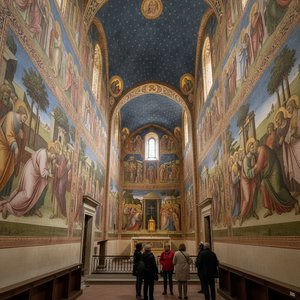
The Proto-Renaissance Revolution: How Giotto Shattered the Mold to Create Modern Visual Impact
Discover how the Proto-Renaissance shattered artistic norms. Explore Giotto’s revolutionary shift from flat Byzantine icons to raw human emotion and naturalism—the true origin of modern visual impact and storytelling in art history.
Giotto di Bondone: I 25 Capolavori che Hanno Rivoluzionato l'Arte e Decorano le Case
Esplora i 25 capolavori di Giotto di Bondone, il pittore che rivoluzionò l'arte medievale. Affreschi iconici, colori vibranti e storie emozionanti ti aspettano. Trova riproduzioni d'arte di alta qualità per decorare la tua casa su OriginalUniqueArt.com!
Paul Klee: Le 25 Opere Più Iconiche per Arricchire la Tua Casa con l'Arte
Esplora le 25 opere più iconiche di Paul Klee, maestro dell'arte astratta e del colore. Scopri la storia, lo stile unico e il significato dei suoi capolavori. Trova riproduzioni d'arte di alta qualità per decorare casa con OriginalUniqueArt.com.
I 10 Capolavori che Definirono il Proto-Rinascimento: Arte e Decorazioni Raffinate
Esplora i 10 capolavori del Proto-Rinascimento con OriginalUniqueArt.com! Scopri Cimabue, Giotto e Duccio di Buoninsegna: arte medievale, affreschi italiani e simbolismo senza tempo. Trova riproduzioni di alta qualità per la tua casa. Esplora la collezione online!
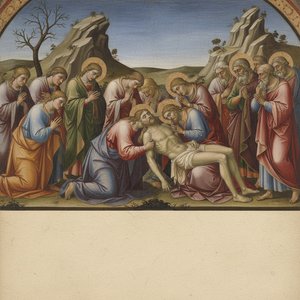
Giotto di Bondone: Rivoluzionando la Pittura Tardo-Medievale attraverso l'Innovazione Narrativa
Esplora la rivoluzionaria arte di Giotto di Bondone! Scopri l'evoluzione stilistica, gli affreschi iconici della Cappella Scrovegni e il suo impatto sull'arte rinascimentale. Analisi approfondite e contesto storico.


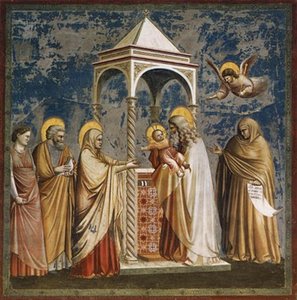


![Scrovegni - [05] - Il Sogno di Gioacchino](/media/artworks/images-thumb/8f/67/8f67bb5da87296bd452b3f0b237b528d.jpg)


