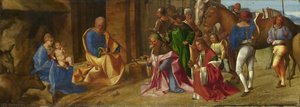
Anteprima in scala reale
 Invia
Invia Condividi
 Dettagli opera
 Guida
Guida

 Scarica
 Simili
 Radiografia
 Slideshow
 Statistiche
Autoritratto


 Espandi i dettagli
Riproduzione a olio fatta a mano
Olio su tela dipinto a mano nelle tue dimensioni e con la tua cornice, realizzato su ordinazione dai nostri artisti. ( Passa alle stampe Passa all'immagine digitale)




P118B €10

P118H €10

P118W €10

P438Z €10

P508JH €12

P508YH €12

P805H €10

P805Z €10

P919BZ €10

P919G €10

P919XJ €10

P959ZH €10

P968JZ €12

W106C €8

W218G €10

W218JH €8

W218Y €10

W307PJ €10

W316G €10

W316PJ €8

W316Y €10

W398PJ €8

W4111J €10

W500HY €15

W500JH €15

W692G €12

W849H €8

W940BG €15

W953PJ €8




Scegli tra le nostre dimensioni predefinite, che rispettano le proporzioni originali dell'opera d'arte.

Inserisci la larghezza e l'altezza desiderate, per adattarle alla tua cornice o alla tua parete. Trattandosi di un'opera dipinta a mano, in caso di dimensioni con un formato differente, l'artista può estendere leggermente il dipinto oltre i bordi dell'immagine o ritagliare una piccola parte — la scelta spetta a te. Ti invieremo un mockup digitale da approvare prima che la realizzazione abbia inizio. L'immagine mostrata in questa pagina non rappresenta il risultato finale — solo il mockup lo fa.
Dopo l'ordine, il team di OriginalUniqueArt.com contatterà il cliente via e-mail per ricevere le istruzioni e fornirà un'anteprima del mockup
Consegna in tutto il mondo () in 3/4 settimane anziché nelle normali 5 settimane. (26 Ottobre). Nessun compromesso sulla qualità.

Spedizione espressa gratuita in tutto il mondo

Tela in lino di alta qualità

Assicurazione completa sulla spedizione

Garanzia di rimborso dei dazi doganali

Garanzia di fedeltà cromatica assoluta

Politica di reso entro 100 giorni (solo per difetti di fabbricazione)

Garanzia di rimborso al 100%

Offerta per acquisti multipli
 L'opzione vetro è disponibile solo per dimensioni inferiori a 110 cm

Autoritratto
Tecnica di riproduzione
Dimensioni riproduzione
-


Prezzo finale calcolato
€ 263
Giorgione: The Artist
Giorgio Barbarelli da Castelfranco (Venetian: Zorzi; 1470s – 17 September 1510), known as Giorgione, was an Italian painter of the Venetian school during the High Renaissance, who died in his thirties. He is known for the elusive poetic quality of his work, though only about six surviving paintings are firmly attributed to him. The uncertainty surrounding the identity and meaning of his work has made Giorgione one of the most mysterious figures in European art. Together with his younger contemporary Titian, he founded the Venetian school of Italian Renaissance painting, characterised by its use of colour and mood. The school is traditionally contrasted with Florentine painting, which relied on a more linear disegno-led style. Vasari’s Lives of the Most Excellent Painters offer scant biographical information about Giorgione, yet stylistic evidence supports the statement that he served his apprenticeship under Giovanni Bellini; there he settled and rose to prominence as a master. Little is definitively known about his early life and training. It’s believed he came from the small town of Castelfranco Veneto, 40 km inland from Venice. His name sometimes appears as Zorzo; the variant Giorgione (or Zorzon) may be translated “Big George”. It is unclear how early in boyhood he went to Venice, but stylistic evidence supports the statement of Carlo Ridolfi that he served his apprenticeship there under Giovanni Bellini; possibly Mantegna influenced him.The Self-Portrait
Self-Portrait, also known as Giorgione's Portrait, is a small oil painting on canvas that depicts the artist himself, looking directly at the viewer with a serious expression. The work is believed to have been painted in the early 16th century, and it is considered one of Giorgione’s most important masterpieces. It’s notable for its innovative use of color and light, as well as its ability to convey a sense of mystery and depth in his works. The portrait is rendered with great detail, capturing his individual features and expressive gaze. The artist's face is illuminated by soft, diffused light—a hallmark of Giorgione’s technique—creating an atmosphere of contemplative serenity. The background is a simple, dark landscape, which serves to heighten the figure’s presence and evoke feelings of solitude and introspection. The muted hues of brown and green dominate the palette, mirroring the earthy tones found in Venetian landscapes during this period.Historical Context
The Self-Portrait was painted during the Italian Renaissance, a period of great cultural change and achievement that began in Italy around the end of the 13th century until the 16th century. This was a time when artists, writers, and thinkers were rediscovering the classical art and culture of Ancient Greece and Rome, and using this knowledge to create new forms of expression. Giorgione’s work is often associated with the Venetian School, a group of artists who worked in Venice during the Renaissance. This school was characterised by its use of color and light, as well as its emphasis on atmosphere and mood. Other notable members of this school include Titian, Tintoretto, and Veronese. The Venetian School rejected the rigid formalism of Florentine art, prioritizing emotional impact and sensorial experience.Style and Technique
Giorgione’s style distinguishes itself from his predecessors through a masterful deployment of sfumato—a technique pioneered by Leonardo da Vinci—which softens outlines and blends colors to create an ethereal haze. This blurring effect lends the painting an unparalleled sense of depth and realism, capturing not just what is visible but also what lies beneath the surface. The artist’s meticulous attention to detail—particularly in rendering the textures of clothing and skin—further enhances the portrait's expressive power.Symbolism
The Self-Portrait embodies several symbolic elements reflecting Giorgione’s humanist worldview. The solemn gaze conveys a profound awareness of mortality, while the landscape serves as a metaphor for the inner life—a realm of contemplation and emotional resonance. The inclusion of a dark cloak symbolizes wisdom and dignity, reinforcing the artist's intellectual stature.Conclusion
The Self-Portrait by Giorgione remains an enduring testament to the Venetian School’s artistic vision and its ability to capture the essence of human experience. Its understated beauty and enigmatic mood continue to fascinate viewers centuries later—a true masterpiece that invites contemplation and inspires admiration. If you are interested in learning more about Giorgione or other artists from the Italian Renaissance, please visit our website OriginalUniqueArt.com, where you can find a wide selection of handmade oil paintings reproductions and prints on canvas. Self-Portrait by Giorgione is one of the many masterpieces available for sale at OriginalUniqueArt.com. Our team of expert artisans has carefully recreated this work using traditional techniques and high-quality materials, ensuring that every detail is captured with precision and accuracy. Whether you are a collector, a dealer, or simply an art lover, our reproductions offer an affordable and accessible way to enjoy the beauty and majesty of Giorgione’s masterpiece. Self-Portrait by Giorgione is just one example of the many works available at OriginalUniqueArt.com. We invite you to explore our website and discover the rich history and beauty of art from around the world. Whether you are looking for a reproduction of a famous masterpiece or a unique work by a contemporary artist, we have something for everyone. Self-Portrait by Giorgione is a true masterpiece of the Italian Renaissance, and it is our honor to offer it to you at OriginalUniqueArt.com. We hope that you will enjoy this work as much as we have enjoyed bringing it to life, and that it will inspire beauty and contemplation in your home or office. Self-Portrait by Giorgione is a testament to the enduring power of art, and its ability to capture the spirit and essence of an era. We are proud to offer this work to you, and we invite you to explore our website and discover the many other treasures that await you at OriginalUniqueArt.com. Self-Portrait by Giorgione is a masterpiece of the Italian Renaissance, and it is our honor to offer it to you at OriginalUniqueArt.com. We hope that you will enjoy this work as much as we have enjoyed bringing it to life, and thatDomande e risposte
Cosa rappresenta "Autoritratto" di Giorgione?
I soggetti di "Autoritratto" sono venetian painting, renaissance art, landscape composition, female nude figure, color palette, psychological portrait, atmospheric depth.
Quale tavolozza di colori viene utilizzata in "Autoritratto" di Giorgione?
"Autoritratto" di Giorgione utilizza una tavolozza di colori Toni della terra. La palette riassume il carattere cromatico complessivo dell'opera.
Con quale tecnica è realizzata "Autoritratto" di Giorgione?
Giorgione ha utilizzato la tecnica del Acrilico su tela per "Autoritratto". La tecnica definisce la natura materica dell'opera originale.
Biografia dell'artista
un breve ma brillante carriera nel Rinascimento alto
giorgione (1477/78 o 1473/74 – 1510), un illustre pittore del Rinascimento alto della scuola veneziana, ha lasciato un segno indelebile nel mondo dell'arte nonostante la sua breve carriera e il numero limitato di opere confermate. I suoi dipinti sono lodati per le loro qualità liriche ed enigmatiche, con solo pochi che vengono definitivamente attribuiti a lui.contributo allo stile pittorico veneziano
Il contributo di Giorgione, insieme al leggendario Tiziano, ha gettato le basi per lo stile pittorico veneziano, distinto per l'enfasi sul colore e sull'atmosfera rispetto all'approccio guidato dalla linea dell'arte fiorentina. Questo approccio innovativo ha aperto la strada alle future generazioni di artisti.opere notevoli e il loro significato
- ritratto di un gentiluomo veneziano (76 x 64 cm, Rinascimento alto, olio su tela): un capolavoro che mostra la maestria di Giorgione nel catturare l'essenza dei suoi soggetti.
- concerto pastorale (fête champêtre) (110 x 138 cm, musée du louvre, Parigi, Francia, Rinascimento alto, olio su tela): dimostra la capacità di Giorgione di evocare emozioni attraverso il suo lavoro.
- Giuditta (1504) (olio su tela, trasferito da pannello, 144 x 68 cm, Hermitage, San Pietroburgo): un dipinto precoce dell'artista, inizialmente attribuito a Raffaello, che mostra la crescita e l'esperimentazione di Giorgione.
eredità e influenza
Giorgione rimane una figura enigmatica nella storia dell'arte, con la sua vita e le sue opere avvolte nel mistero, aumentando l'intrigo e la profondità della sua eredità artistica. La sua influenza può essere vista nelle opere di artisti successivi, che hanno costruito sulle fondamenta che ha posto nella scuola veneziana. Esplora altre opere di Giorgione su OriginalUniqueArt: * Giorgione (giorgio barbarelli da castelfranco) * ritratto di un gentiluomo veneziano * concerto pastorale (fête champêtre) Scopri il movimento artistico della pittura veneziana su OriginalUniqueArt: * il movimento artistico della pittura veneziana
Giorgione
1477 - 1510 , Italia
Dettagli rapidi
- Artisti Influenti:
- Giovanni Bellini
- Mantegna
- Artisti Influenzati: ['Tiziano']
- Data Di Nascita: 1477/78 o 1473/74
- Luogo Di Nascita: Castel Franco Veneto, Italia
- Movimento Artistico: Rinascimento alto, Scuola Veneta
- Nazionalità: Italiana
- Nome Completo: Giorgione (Giorgio Barbarelli)
- Opere Notevoli:
- La Tempesta
- Concerto pastorale
- Venere addormentata
- Giuditta
- Ritratto di un gentiluomo
Articoli correlati
Reflecting the Self: A History of Portraiture & Psychological Insight
Explore the fascinating history of self-portraiture from Renaissance masters like Dürer & Rembrandt to modern interpretations. Discover the psychological insights and artistic techniques behind these iconic works. Expert analysis for art enthusiasts.

Venetian Renaissance: The Mastery of Color, Light, and the Art of Colorito
Explore the luminous mastery of the Venetian Renaissance. Discover how masters like Titian and Giorgione revolutionized art through colorito, light, and atmosphere. An expert guide to the golden age of Italian painting for collectors and enthusiasts.

The Inner Landscape: Exploring Themes of Introspection in Visual Art Across Movements & Eras
Explore the captivating world of introspective art! Discover how artists across eras – from Rembrandt to Kahlo – used self-portraiture to reveal their inner worlds and emotional depths. A journey through art history & psychology.
Venetian Renaissance: The Golden Age of Color, Light, and Luminous Artistry
Embark on a journey through the Venetian Renaissance. Discover how masters like Giorgione and Titian revolutionized art through luminous color and light. Explore the profound legacy of the Venetian School and its enduring influence on the world of fine art.

Giorgione: Enigma e Innovazione nella Pittura Veneziana del Rinascimento Iniziale
Esplora l'enigmatica arte di Giorgione e la rivoluzione cromatica della pittura veneziana del Rinascimento. Analisi approfondite, storia, tecnica e influenza dei suoi capolavori.