Anteprima in scala reale
 Condividi
 Condividi
 Dettagli

 Scarica immagine
 Articoli simili
 Radiografia
 Slideshow
Untitled (AQQJ9Q)


 Leggi tutto
Riproduzione a olio fatta a mano
Olio su tela dipinto a mano nelle tue dimensioni e con la tua cornice, realizzato su ordinazione dai nostri artisti. ( Ordina stampa Acquista download)




P118B $10

P118H $10

P118W $10

P438Z $10

P508JH $12

P508YH $12

P805H $10

P805Z $10

P919BZ $10

P919G $10

P919XJ $10

P959ZH $10

P968JZ $12

W106C $8

W218G $10

W218JH $8

W218Y $10

W307PJ $10

W316G $10

W316PJ $8

W316Y $10

W398PJ $8

W4111J $10

W500HY $15

W500JH $15

W692G $12

W849H $8

W940BG $15

W953PJ $8




Scegli tra le nostre dimensioni predefinite, che rispettano le proporzioni originali dell'opera d'arte.

È possibile inserire dimensioni personalizzate per adattare l'opera a una cornice o a uno spazio specifico. Se la dimensione selezionata non corrisponde alle proporzioni dell'immagine originale, provvederemo a ritagliare l'opera o a estendere il dipinto con elementi aggiuntivi dipinti a mano. Un mockup digitale ti sarà inviato per approvazione prima dell'inizio della produzione.
Si prega di notare che l'anteprima a schermo non riflette il ritaglio o l'estensione effettivi. Solo il mockup mostrerà accuratamente la composizione finale.
Sebbene siano disponibili dimensioni personalizzate, consigliamo di selezionare una dimensione dall'elenco predefinito per preservare le proporzioni originali.
Dopo l'ordine, il team di OriginalUniqueArt.com contatterà il cliente via e-mail per le istruzioni e fornirà un'anteprima del mockup
Consegna in tutto il mondo () in 3/4 settimane anziché nelle normali 5 settimane. (18 Agosto). Nessun compromesso sulla qualità.

Spedizione espressa gratuita in tutto il mondo

Tela in lino di alta qualità

Assicurazione completa sulla spedizione

Garanzia di rimborso dei dazi doganali

Garanzia di fedeltà cromatica dell'originale

Politica di reso entro 60 giorni (solo per difetti di fabbricazione)

Garanzia di rimborso al 100%

Sconto per acquisti multipli
 L'opzione vetro è disponibile solo per dimensioni inferiori a 110 cm

Untitled (AQQJ9Q)
Tecnica di riproduzione
Dimensioni della riproduzione
-


Prezzo totale
$ 300
Descrizione dell'opera
A Quiet Moment in Delft: Gerrit Dou’s “Untitled (AQQJ9Q)”
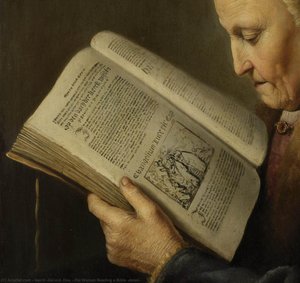
Gerrit Dou's "Untitled (AQQJ9Q)," a captivating work emerging from the heart of the Dutch Golden Age, isn’t merely a depiction of a domestic scene; it’s an invitation into a world of quiet contemplation and subtle grace. Painted around 1650, this small-scale masterpiece exemplifies Dou's signature “fijnschilder” style – a meticulous approach that elevates everyday life to the realm of profound observation. The painting centers on an elderly woman seated at a humble table, bathed in the warm glow of candlelight, seemingly preparing for or reflecting upon a simple meal. It’s a scene brimming with understated dignity and a poignant sense of timelessness, instantly transporting the viewer to a bygone era.
Dou's genius lies not just in his technical skill – though it is undeniably remarkable – but in his ability to imbue ordinary subjects with extraordinary depth. The composition is remarkably tight, drawing our attention immediately to the woman’s face and hands, rendered with an almost photographic realism. A window on the left acts as a portal, offering glimpses of a distant landscape—a subtle reminder of the world beyond this intimate space. Around her, carefully arranged objects – a spinning wheel, a simple pottery bowl holding food, a watchful dog – contribute to a narrative that speaks volumes about rural life and domesticity. The inclusion of these details isn’t haphazard; each element is deliberately placed to enrich the scene's symbolic weight.
The Language of Light and Shadow
Central to understanding Dou’s work is his masterful manipulation of light and shadow, a technique known as *chiaroscuro*. The painting is dominated by a dramatic interplay between illumination and darkness. A single candle, positioned strategically on the table, casts a warm, golden glow upon the woman's face and hands, highlighting their wrinkles and suggesting a lifetime of experience. The surrounding areas remain shrouded in shadow, creating a sense of mystery and intimacy. This contrast isn’t simply aesthetic; it serves to emphasize the woman’s presence and draw our attention to her inner world. The light itself feels almost tangible—a warm embrace that invites us into her quiet moment.
Dou's technique is characterized by layers of translucent glazes, meticulously applied to build up color and texture. He employed a unique method – using a concave lens and convex mirror – to achieve an unparalleled level of detail and accuracy in his rendering of surfaces. The fabric of the woman’s clothing appears soft and slightly wrinkled, while the wooden table and spinning wheel possess a tactile quality that invites us to reach out and touch them. The artist's brushstrokes are visible yet skillfully blended, creating a smooth surface that reflects light with remarkable brilliance. This painstaking attention to detail is what distinguishes Dou’s work from more generalized depictions of genre scenes.
Symbolism and the Essence of Dutch Piety
Beyond its technical brilliance, “Untitled (AQQJ9Q)” resonates with profound symbolic meaning. The woman's posture – seated at a table, hands clasped in prayer or gratitude – speaks to a deep sense of piety and humility. The simple meal she is preparing suggests contentment and an appreciation for the bounty of life. The presence of the dog, often associated with loyalty and companionship, further reinforces this theme of domestic harmony. These elements combine to create a scene that embodies the core values of Dutch society during the Golden Age – faith, family, and hard work.
Furthermore, the painting reflects the broader cultural context of the time, particularly the “paragone” debate—the ongoing discussion about which art form best represented nature: painting, sculpture, or poetry. Dou’s meticulous realism and his ability to capture fleeting moments of human emotion aligned with the pursuit of truth through observation, a central tenet of this artistic discourse. The scene evokes a sense of peace, tranquility, and perhaps even a touch of melancholy—a quiet reflection on the passage of time and the enduring beauty of simple things.
A Timeless Masterpiece
“Untitled (AQQJ9Q)” is more than just a painting; it’s a window into the soul of 17th-century Holland. Gerrit Dou's masterful technique, combined with his profound understanding of human nature and symbolism, has created a work that continues to captivate viewers centuries later. Reproductions of this piece offer an exceptional opportunity to bring this moment of quiet contemplation into your own home, allowing you to experience the enduring beauty and wisdom of one of the Dutch Golden Age’s greatest artists.
Biografia dell'artista
biografia di un pittore prolifico
Gerrit (Gérard) Dou, figura di spicco della pittura dell'età dell'oro olandese, nacque il 7 aprile 1613 a Leida, nei Paesi Bassi. Morì il 9 febbraio 1675, lasciando dietro di sé un'impressionante eredità di dipinti finemente lavorati che continuano ad affascinare gli appassionati d'arte in tutto il mondo.stile artistico e specializzazione
Lo stile artistico di Gerrit Dou è caratterizzato da un trattamento minuzioso ed elaborato, spesso con scene di genere e dipinti "nicchia" trompe-l'oeil. La sua padronanza del chiaroscuro è particolarmente degna di nota, come si può vedere nelle sue scene notturne illuminate a candela. Questo mix unico di abilità lo ha portato ad essere associato ai fijnschilders di Leida.vita e formazione
Gerrit Dou nacque a Leida il 7 aprile 1613, figlio del vetraio Douwe Jansz de Vries van Arentsvelt di Harlingen e Marritge Jansdr van Rosenburg. Fin da giovane dimostrò un interesse per la pittura. Studiò disegno con Bartholomeus Dolendo e successivamente lavorò nella bottega del padre come vetraio. All'età di quattordici anni, fu mandato a studiare con il maestro Rembrandt van Rijn, dove rimase per circa tre anni. Durante questo periodo, Dou acquisì le sue abilità nel colore e negli effetti sottili del chiaroscuro, riflettendo lo stile del suo maestro in diverse delle sue prime opere. Successivamente, sviluppò uno stile distintivo che si discostava da quello di Rembrandt, coltivando un trattamento minuzioso ed elaborato.opere notevoli e collezioni
* L'astronomo alla luce di una candela, un dipinto che mostra l'esperienza di Dou nel catturare le sfumature della luce, si può trovare su OriginalUniqueArt.com. * La collezione di Leida a New York, un rinomato museo d'arte, presenta opere di Gerrit Dou, tra gli altri artisti degni di nota. Per maggiori informazioni sulla collezione, visita la guida completa alla collezione di Leida su OriginalUniqueArt.com.influenza e eredità
L'influenza di Gerrit Dou si può vedere nei suoi allievi, tra cui Frans van Mieris il Vecchio e Gabriel Metsu. Il suo lavoro è stato esposto in vari musei, come il Museo Huis ten Bosch all'Aia, nei Paesi Bassi, che ospita un'impressionante collezione di arte europea dal XVI al XVIII secolo.- Fatti chiave: * Nato: 7 aprile 1613, Leida, Paesi Bassi * Morto: 9 febbraio 1675 * Opere notevoli: l'astronomo alla luce di una candela, scene di genere e scene notturne illuminate a candela * Ha influenzato: Frans van Mieris il Vecchio, Gabriel Metsu e altri
- Letture consigliate: * Gerrit (Gérard) Dou su OriginalUniqueArt.com * pittura dell'età dell'oro olandese su wikipedia
conclusione
I notevoli contributi di Gerrit (Gérard) Dou all'età dell'oro olandese hanno lasciato un segno indelebile nel mondo dell'arte. I suoi dipinti accattivanti, caratterizzati dai loro dettagli intricati e dall'abile uso della luce, continuano a ispirare artisti e appassionati d'arte. Per esplorare altre sue opere e quelle di altri artisti degni di nota, visita OriginalUniqueArt.com.
Gerrit Dou
1613 - 1675 , Paesi Bassi
Informazioni rapide
- Artisti Influenti: ['Rembrandt van Rijn']
- Artisti Influenzati:
- Frans van Mieris
- Gabriel Metsu
- Data Di Morte: 9 febbraio 1675
- Data Di Nascita: 7 aprile 1613
- Luogo Di Nascita: Leida, Paesi Bassi
- Movimento Artistico: Pittura olandese, Secolo d'oro
- Nazionalità: Olandese
- Nome Completo: Gerrit (Gerard) Dou
- Opere Notevoli: ["L'astronomo a lume di candela"]
Articoli correlati
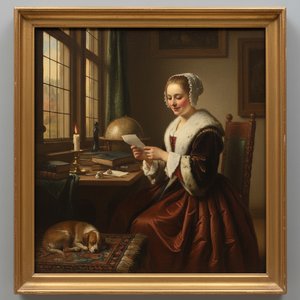
Gerrit Dou: Intimità e Luce nell'Età dell'Oro Olandese
Esplora l'universo artistico di Gerrit Dou, maestro del Secolo d'Oro olandese. Analisi approfondita della sua tecnica pittorica, il simbolismo nascosto nelle sue opere e l'influenza sulla storia dell'arte.

Golden Age Reflections: Dutch Baroque Painting & Cultural Innovation
Explore the Dutch Golden Age of painting! Discover key artists like Vermeer & ter Borch, their innovative techniques, and the rich cultural context behind these Baroque masterpieces. Learn about collecting & appreciating this iconic art period.

Golden Light & Dutch Skies: The Timeless Magic of Dutch Golden Age Landscapes
Discover the breathtaking beauty of Dutch Golden Age landscapes. Explore the mastery of light, chiaroscuro, and 17th-century realism through an expert art history lens, celebrating the enduring legacy of the Dutch Masters for discerning collectors and art lovers.

I 10 Capolavori dell'Età d'Oro Olandese: Arte, Storia e Stile per la Tua Casa
Esplora i 10 capolavori dell'Età d'Oro Olandese con ! Rembrandt, Vermeer e altri maestri rivivono in dipinti iconici. Scopri storia, tecnica e colori di opere senza tempo per arredare la tua casa con arte di qualità museale. Esplora la collezione online!
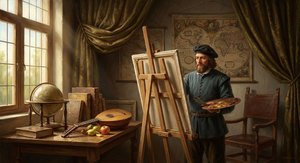
Illuminating Realism: Exploring the Dutch Golden Age of Painting (1600-1700)
Explore the Dutch Golden Age of painting (1600-1700) with OriginalUniqueArt. Discover Rembrandt, Vermeer & other masters. Learn about techniques, history & find museum-quality reproductions.