

 Anteprima in scala reale
 Invia
Invia Condividi
 Dettagli opera
 Guida
Guida

 Scarica
 Simili
 Radiografia
 Slideshow
 Statistiche
Il Giudizio Universale


 Espandi i dettagli
Giclée / Stampe d'arte
Stampa giclée o su tela di qualità museale, con produzione rapida e diverse opzioni di finitura. ( Acquista il dipinto realizzato a mano Passa all'immagine digitale)




P118B €10

P118H €10

P118W €10

P438Z €10

P508JH €12

P508YH €12

P805H €10

P805Z €10

P919BZ €10

P919G €10

P919XJ €10

P959ZH €10

P968JZ €12

W106C €8

W218G €10

W218JH €8

W218Y €10

W307PJ €10

W316G €10

W316PJ €8

W316Y €10

W398PJ €8

W4111J €10

W500HY €15

W500JH €15

W692G €12

W849H €8

W940BG €15

W953PJ €8




Scegli tra le nostre dimensioni predefinite, che rispettano le proporzioni originali dell'opera d'arte.

Inserisci la larghezza e l'altezza desiderate, per adattarle alla tua cornice o alla tua parete. Una stampa può essere solo ritagliata, mai resa più grande dell'immagine originale; pertanto, un formato con una forma differente comporterà la perdita di una parte dell'opera. Ti invieremo un mockup digitale da approvare prima di procedere con la stampa. L'immagine mostrata in questa pagina non rappresenta il ritaglio reale — solo il mockup lo mostra.
Consegna in tutto il mondo () in 2 settimane invece delle normali 4/5 settimane. (26 Ottobre)

Spedizione espressa gratuita in tutto il mondo

Tela in lino di alta qualità

Assicurazione completa sulla spedizione

Garanzia di rimborso dei dazi doganali

Garanzia di fedeltà cromatica assoluta

Politica di reso entro 100 giorni (solo per difetti di fabbricazione)

Garanzia di rimborso al 100%

Offerta per acquisti multipli
 L'opzione vetro è disponibile solo per dimensioni inferiori a 110 cm

Il Giudizio Universale
Giclée / Stampe d'arte
Dimensioni riproduzione
-


Prezzo finale calcolato
€ 70
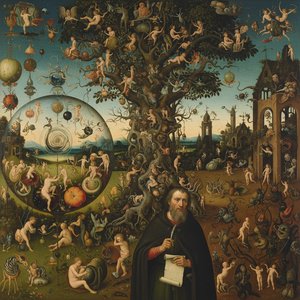
A Glimpse into Bosch’s Inferno: Decoding *The Last Judgement (detail)*
Hieronymus Bosch's *Triptych of the Last Judgement*, completed around 1480-1500, stands as a monumental testament to Northern Renaissance artistic vision and psychological depth. This particular detail—a fragment from the central panel—captures not merely a depiction of divine judgment but an unsettling exploration of sin, morality, and humanity’s confrontation with mortality. Bosch's genius resided in his ability to transform theological concepts into visceral experiences for the viewer, cementing his place as one of the most influential artists of his era.Subject & Narrative: A Descent Into Darkness
The scene plunges us directly into the tormented realm of Hell—a stark contrast to idealized depictions prevalent during the Renaissance. Unlike many contemporaries focused on grand theological narratives, Bosch’s Hell is intensely personal and psychologically astute. We witness a chaotic assembly of figures undergoing punishments uniquely tailored to their earthly failings – an ingenious reflection of Augustine's concept of “peculiar torment.” Instruments of torture aren’t simply tools inflicting pain; they embody the sins themselves, mirroring the psychological impact on those condemned. Bosch’s meticulous attention to detail—the grotesque faces, contorted postures, and bizarre machinery—elevates this image beyond mere illustration into a profound meditation on human vulnerability and divine retribution. The artist deliberately eschewed conventional iconography, favoring instead unsettling imagery that aimed to provoke contemplation and instill fear.Style & Technique: Surrealism Before Surrealism
Bosch’s style defies easy categorization, anticipating elements of Surrealism centuries before André Breton formally established the movement. His mastery of oil painting on wooden panel allowed for an astonishing level of textural nuance—a technique honed through years of experience. Note the dramatic interplay between smooth, luminous surfaces highlighting areas of focus and rough *impasto* strokes that generate a palpable sense of chaotic energy within the darker recesses of Hell. The flattened perspective contributes to the claustrophobic atmosphere, trapping the viewer alongside the suffering souls. Bosch’s approach was revolutionary for his time, prioritizing emotional impact over strict adherence to stylistic conventions. He skillfully blended Gothic influences with emerging Renaissance ideals—creating an unsettling yet undeniably beautiful aesthetic that continues to fascinate audiences today.Symbolism & Iconography: Moral Compass Points
Every element in Bosch's work is laden with symbolism—a deliberate strategy designed to engage the viewer intellectually and emotionally. The grotesque figures – often hybrids of human and animal forms – represent the bestial nature of sin and the degradation of humanity, reflecting anxieties prevalent during the fifteenth century regarding moral corruption. Instruments of torture are not merely physical inflictions; they symbolize the sins themselves, mirroring the psychological torment experienced by those condemned. Bosch’s use of specific objects—such as musical instruments repurposed as tortures—alludes to contemporary proverbs and religious beliefs, offering a window into the worldview of his time. Understanding these symbols unlocks deeper layers of meaning—revealing Bosch's profound insight into human psychology and his unwavering conviction that art could confront uncomfortable truths. The artist’s meticulous attention to detail ensured that every element served as a conduit for conveying moral lessons and provoking contemplation about the afterlife.Historical Context & Artistic Legacy: Echoes Across Centuries
Hieronymus Bosch lived during a period of significant social and religious upheaval—the eve of the Reformation, marked by anxieties surrounding mortality and questioning established dogma. His art reflects these concerns, anticipating trends that would blossom into full artistic expression decades later. Bosch’s influence on subsequent generations of artists is undeniable; his visionary style paved the way for masters like Pieter Bruegel the Elder and continues to inspire contemporary creatives exploring themes of fantasy, horror, and existential contemplation. His enduring legacy resides not merely in his technical prowess but in his ability to capture—and communicate—the unsettling beauty of confronting humanity’s darkest impulses. The Last Judgement remains a powerful reminder that art possesses the capacity to provoke profound emotional responses and challenge viewers' perceptions of reality.- Ideal for: Collectors of Northern Renaissance art, those interested in symbolism and allegory, designers seeking impactful statement pieces.
- Mood: Dramatic, unsettling, thought-provoking, gothic.
- Pairing Suggestions: Contemporary furniture with dark hues, gallery walls featuring thematic connections to morality and existentialism.
Domande e risposte
In che modo i colori di "Il Giudizio Universale" di Gerolamo Bosch si riflettono nel suo impatto emotivo?
"Il Giudizio Universale" di Gerolamo Bosch unisce una tavolozza Toni della terra a un tono Cupo e solenne.
A quale periodo appartiene "Il Giudizio Universale" di Gerolamo Bosch?
"Il Giudizio Universale" di Gerolamo Bosch risale al periodo Renaissance, epoca che ne definisce il contesto storico.
Quale origine nazionale si cela dietro il Northern Renaissance Surrealism di "Il Giudizio Universale"?
L'opera Northern Renaissance Surrealism "Il Giudizio Universale" è stata realizzata da un artista nato in Paesi Bassi.
Biografia dell'artista
vita e carriera
Hieronymus Bosch, un pittore olandese/fiammingo di spicco proveniente da Brabante, nacque intorno al 1450 a ‘s-Hertogenbosch, nei Paesi Bassi. La sua vita rimane avvolta nel mistero, con solo pochi documenti che ne attestano l'esistenza. Nonostante la mancanza di informazioni biografiche, l'arte di Bosch ha avuto un impatto profondo sull'arte europea settentrionale, in particolare nel XVI secolo.stile artistico e influenze
Lo stile unico di Bosch, caratterizzato da **rappresentazioni surreali e immaginarie di temi religiosi**, è stato ampiamente influente. I suoi dipinti a olio su legno, spesso con **visioni inquietanti e infernali**, sono stati oggetto di numerose interpretazioni. Il Triptico del Giudizio Universale (c. 1480-1490) e il Giardino delle Delizie Terrene (c. 1490-1510) sono due dei suoi lavori più celebrati, che mostrano la sua maestria nel mezzo.opere notevoli e collezioni
* Ascesa dei Giusti (Rinascimento settentrionale, olio su tavola): un raro esempio del lavoro di Bosch, con una scena onirica e ultraterrena. * Epifania (c. 1495, Museo del Prado, Madrid): un triptico che dimostra l'uso innovativo dell'olio su legno da parte di Bosch. * Testa di un Halberger (Museo del Prado, Madrid): un esempio raffinato della pittura di ritratti di Bosch, che evidenzia la sua attenzione ai dettagli.musei e collezioni che espongono le opere di Bosch
* Il Museo del Prado, Madrid: ospita alcune delle sue opere più famose, tra cui l'Epifania e il Triptico del Giudizio Universale. * Il Museo d'Arte di Filadelfia, Filadelfia: presenta una versione dell'Epifania, offrendo una prospettiva unica sullo stile artistico di Bosch.- Esplora altre opere di Hieronymus Bosch su https://OriginalUniqueArt.com/@/hieronymus-bosch
- Scopri il movimento dell'arte fiamminga antica e i suoi principali esponenti, tra cui Jan van Eyck e Pieter Bruegel il Vecchio, su https://OriginalUniqueArt.com/@@/a@d3cpaf-the-erly-netherlandish-art-movement
- Impara di più sulla vita e le opere di Pieter Bruegel il Vecchio su https://en.wikipedia.org/wiki/pieter_bruegel_the_elder
eredità
Lo stile enigmatico di Hieronymus Bosch ha affascinato gli appassionati d'arte per secoli, e la sua influenza può ancora essere vista nelle opere di numerosi artisti. La sua combinazione unica di **surrealismo e profonde intuizioni sulla condizione umana** ha consolidato il suo posto come maestro della pittura fiamminga.
Gerolamo Bosch
1450 - 1516 , Paesi Bassi
Dettagli rapidi
- Artisti Influenzati: ['Pieter Bruegel il Vecchio']
- Data Di Morte: 1516
- Data Di Nascita: c. 1450
- Luogo Di Nascita: 's-Hertogenbosch, Paesi Bassi
- Movimento Artistico: Rinascimento nordico
- Nazionalità: Olandese/Fiammingo
- Nome Completo: Gerolamo Bosch
- Opere Notevoli:
- Triptico del Giudizio Universale
- Il Giardino delle Delizie Terrene
- Ascesa dei Giusti
- Epifania
Articoli correlati
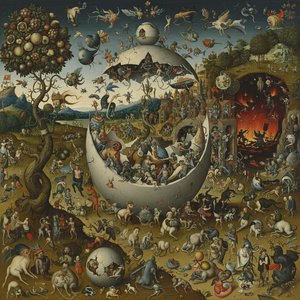
Hieronymus Bosch: I 25 Capolavori che Rivoluzionano l'Arte e Decorano la Tua Casa
Esplora i 25 capolavori di Hieronymus Bosch, pittore fiammingo simbolo dell'arte medievale. Scopri il simbolismo del Giardino delle Delizie e altre opere iconiche. Riproduzioni d'arte su OriginalUniqueArt.com!
I 10 Capolavori Surrealisti che Hanno Definito un Movimento Artistico | OriginalUniqueArt
Esplora i 10 capolavori del Surrealismo con OriginalUniqueArt. Scopri le storie di Dalí, Magritte e Miró, il significato dei loro colori e tecniche uniche. Trova riproduzioni d'arte di alta qualità per la tua casa! Esplora la collezione online su OriginalUniqueArt.com
Surrealist Dreamscapes: A Curated Journey Through the Subconscious Majesty of Surrealism
Embark on a sophisticated journey through Surrealist dreamscapes. Explore the profound symbolism of masters like Dalí and discover how to curate breathtaking, museum-quality surrealist art for your private collection with expert guidance.
I 25 Capolavori del Prado: Arte Spagnola e Decorazioni di Lusso per la Tua Casa
Esplora i 25 capolavori del Museo del Prado: Velázquez, Goya, El Greco e altri maestri spagnoli. Scopri storie, tecniche e colori che hanno reso queste opere immortali. Trova riproduzioni d'arte di alta qualità per la tua casa su OriginalUniqueArt.com!
Gerolamo Bosch: Decifrare le Visioni di un Maestro Olandese
Esplora il mondo enigmatico di Gerolamo Bosch con OriginalUniqueArt. Analisi approfondite delle sue opere, simbolismo nascosto e l'influenza duratura del maestro fiammingo sull'arte moderna.


