

 Condividi
 Condividi
 Dettagli

 Scarica
 Articoli simili
 Slideshow
 Statistiche
Anturiuns Cruzados


 Leggi tutto
Giclée / Stampe d'arte
Stampa giclée o su tela di qualità museale, con produzione rapida e diverse opzioni di finitura. ( Ordina la riproduzione dipinta a mano Passa all'immagine digitale)




































Scegli tra le nostre dimensioni predefinite, che rispettano le proporzioni originali dell'opera d'arte.

È possibile inserire dimensioni personalizzate per adattare l'opera a una cornice o a uno spazio specifico. Se la dimensione selezionata non corrisponde alle proporzioni dell'immagine originale, procederemo al ritaglio dell'opera o all'estensione dell'immagine con un bordo specchiato o a tinta unita. Un mockup digitale ti verrà inviato per approvazione prima dell'inizio della produzione.
Si prega di notare che l'anteprima a schermo non riflette il ritaglio o l'estensione effettivi. Solo il mockup mostrerà accuratamente la composizione finale.
Sebbene siano disponibili dimensioni personalizzate, si raccomanda di selezionare una dimensione dall'elenco predefinito per preservare le proporzioni originali.
Consegna in tutto il mondo () in 2 settimane invece delle normali 4/5 settimane. (16 Settembre)

Spedizione espressa gratuita in tutto il mondo

Tela in lino di alta qualità

Assicurazione completa sulla spedizione

Garanzia di rimborso dei dazi doganali

Garanzia di perfetta fedeltà cromatica

Politica di reso entro 100 giorni (solo per difetti di fabbricazione)

Garanzia di rimborso al 100%

Sconto per acquisti multipli
 L'opzione vetro è disponibile solo per dimensioni inferiori a 110 cm

Anturiuns Cruzados
Giclée / Stampe d'arte
Dimensioni della riproduzione
-


Prezzo totale
$ 80
The Silent Symphony of Leaves
German de Mello’s “Anturiuns Cruzados” isn't merely a photograph; it’s an immersion into the quiet grandeur of the natural world. Created in 1960, this monochrome image captures a dense cluster of tropical leaves – likely Philodendrons or similar species – arranged with a deliberate artistry that belies their organic origins. The palette is relentlessly gray, ranging from deep charcoal shadows to subtle highlights, creating an almost sculptural effect where the foliage appears to emerge from and recede into darkness. It’s a masterful exercise in tonal control, transforming simple leaves into objects of profound visual weight and texture. De Mello doesn't seek to depict the leaves as they appear in direct sunlight; instead, he employs dramatic lighting to emphasize their form, revealing intricate vein patterns and the subtle variations in surface texture that define each individual leaf. The composition itself is carefully balanced, drawing the eye through the layers of foliage with a sense of controlled depth – a deliberate invitation to linger within the image’s shadowed embrace.A Legacy of the São Paulo School
To fully appreciate “Anturiuns Cruzados,” it's crucial to understand its context within the broader artistic landscape of Brazil in the mid-20th century. De Mello was a key figure in the São Paulo School of photography, a movement that prioritized stark realism and an intimate engagement with everyday Brazilian life. Unlike the vibrant colors often associated with Brazilian art, the São Paulo School favored monochrome imagery – black and white – to heighten emotional impact and explore themes of urban decay, social inequality, and the beauty found in the mundane. De Mello’s work reflects this aesthetic sensibility perfectly, stripping away extraneous details and focusing on the essential elements of his subject matter. Born in São Paulo in 1922 and passing away in 2021, de Mello dedicated his life to photography, initially as an accountant before dedicating himself fully to capturing the essence of Brazil through his lens. His early career involved working for Foto Cinema Clube Bandeirante, a pivotal group that shaped the direction of Brazilian photography during this period.The Language of Light and Shadow
De Mello’s technical skill is evident in his manipulation of light and shadow. He doesn't simply record the leaves as they appear; he actively shapes them through careful exposure and post-processing. The deep shadows create a sense of mystery and depth, while the highlights accentuate the texture and form of each leaf. Notice how the light catches on the edges, revealing their sharp contours and creating an illusion of three-dimensionality. This technique isn’t merely decorative; it serves to elevate the leaves beyond their purely botanical function, transforming them into objects of artistic contemplation. The photograph feels almost like a study in chiaroscuro – a dramatic contrast between light and dark – reminiscent of the works of Rembrandt or Caravaggio. The grainy texture of the paper substrate further enhances this effect, adding a tactile quality to the image that invites closer inspection.Symbolism and Serenity
Beyond its technical merits, “Anturiuns Cruzados” possesses a quiet emotional resonance. The dense foliage evokes a sense of enclosure and intimacy, while the monochromatic palette contributes to an atmosphere of serenity and contemplation. The leaves themselves can be interpreted as symbols of resilience, growth, and interconnectedness – mirroring the enduring strength of nature in the face of adversity. There’s a subtle suggestion of stillness within the image, inviting the viewer to pause and appreciate the beauty of the natural world. It's a reminder that even in the most ordinary subjects—a collection of leaves—there can be profound artistic merit and emotional depth. The title itself, "Anturiuns Cruzados," hints at a crossing or convergence – perhaps representing the meeting of different worlds, or simply the intricate relationships within the plant’s own structure.A Timeless Reproduction
Reproductions of “Anturiuns Cruzados” offer a remarkable opportunity to bring this evocative image into your home or office. The meticulous detail and tonal control of the original photograph are faithfully preserved in high-quality reproductions, allowing you to experience its beauty and serenity firsthand. Consider framing the artwork within a simple, minimalist frame to allow the image to take center stage – a testament to de Mello’s artistic vision. This piece is more than just decoration; it's an invitation to connect with the natural world and appreciate the subtle wonders that surround us.Biografia dell'artista
Primi Anni e Influenze
- Nato: San Paolo, Brasile (1922)
- Decesso: 2021
- Inizialmente studiò contabilità presso il Liceu Acadêmico de São Paulo.
- Nel 1952 avviò la propria attività di contabile prima di dedicarsi interamente alla fotografia.
- Nel 1959 si unì al Foto Cinema Clube Bandeirante, un gruppo cruciale per fotografi brasiliani come Thomaz Farkas e Chico Albuquerque.
- Fu il fotografo ufficiale per la celebrazione del 400° anniversario di San Paolo nel 1954.
Sviluppo Artistico e Opere Chiave
- Noto principalmente per le sue suggestive fotografie in bianco e nero.
- La sua opera mostra un approccio unico alla composizione visiva e una meticolosa attenzione al dettaglio.
- Tra le opere più significative troviamo:
- Le Diable au Corps (1949): Una fotografia precoce fondamentale che dimostra la sua visione artistica.
- Curvas Concêntricas (1955): Un esempio che mette in luce le sue abilità compositive.
- Apartments or: Cattura l'essenza della vita urbana.
- Still Life: Dimostra una cura minuziosa per il dettaglio.
- La sua fotografia esplorava spesso i temi della vita urbana e dei soggetti di natura morta.
Stile e Tecniche
- Stile Distintivo: Lo stile di German de Mello è caratterizzato da una cruda semplicità, un uso magistrale di luci e ombre e un occhio acuto per le forme geometriche.
- Competenza Tecnica: Possedeva un'elevata maestria nelle tecniche fotografiche tradizionali, in particolare nella stampa in bianco e nero.
- Approccio Compositivo: Le sue composizioni presentano spesso elementi accuratamente disposti per creare un senso di equilibrio e armonia.
- Influenze: Il Foto Cine Clube Bandeirante giocò un ruolo cruciale nel plasmare il suo sviluppo artistico, esponendolo alle tendenze fotografiche moderniste.
Riconoscimento e Eredità
- Le sue fotografie sono custodite in prestigiosi musei, tra cui il Museu de Arte de São Paulo Assis Chateaubriand (MASP).
- È riconosciuto come una figura chiave della "Escola Paulista de Fotografia" (Scuola di Fotografia di San Paolo).
- È stato celebrato per i suoi contributi alla fotografia brasiliana fino agli anni più avanzati della sua vita.
- Le sue opere sono state esposte a livello internazionale, consolidando il suo posto nella storia dell'arte.
- È scomparso nel 2021 lasciando in eredità un patrimonio di fotografie affascinanti che continuano a ispirare artisti e fotografi.
Significato Storico
- Pioniere della Fotografia Brasiliana: De Mello è stato fondamentale per lo sviluppo della fotografia moderna in Brasile, contribuendo significativamente al suo riconoscimento artistico.
- Documentazione della Vita Urbana: Le sue fotografie offrono una preziosa testimonianza visiva di San Paolo e del suo paesaggio urbano in evoluzione durante la metà del XX secolo.
- Influenza sulle Generazioni Successive: Il suo stile e il suo approccio unici hanno influenzato innumerevoli fotografi in Brasile e nel resto del mondo.
- Preservazione del Patrimonio Culturale: Attraverso la sua opera, ha contribuito a preservare una parte vitale del patrimonio culturale brasiliano per le generazioni future.

German De Mello
1922 - 2021 , Brasile
Informazioni rapide
- Artistic Movement Or Style: Fotografia
- Artists Who Influenced This Artist:
- Thomaz Farkas
- Chico Albuquerque
- Date Of Birth: 1922
- Date Of Death: 2021
- Full Name: German de Mello
- Nationality: Brasiliano
- Notable Artworks:
- Le Diable Au Corps
- Curvas Concêntricas
- Apartments or
- Still Life
- Place Of Birth: San Paolo, Brasile
Articoli correlati

Beyond the Lens: Photography's Enduring Influence on Modern & Contemporary Art
Explore photography's pivotal role in shaping modern & contemporary art. Discover key movements, influential artists like Stieglitz, and expert collecting advice from OriginalUniqueArt.

Monochrome Visions: Exploring the Aesthetic & Historical Significance of Black & White Photography
Explore the rich history & artistic power of black and white photography. From early techniques to iconic masters like Ansel Adams, discover why monochrome continues to captivate art lovers today. Expert insights for collectors.

Goya: I 25 Capolavori Immortali dell'Anima Spagnola | OriginalUniqueArt
Esplora i 25 capolavori di Francisco Goya, il genio spagnolo tra Romanticismo e Realismo. Ritratti iconici, 'Los Caprichos' e le toccanti 'Disastri della Guerra'. Trova stampe su tela e riproduzioni artistiche di alta qualità per la tua casa su OriginalUniqueArt.com.

Riguardo a noi
Scopri la nostra storia! Portiamo l'arte di livello mondiale nella tua vita grazie a una selezione esperta, creazioni personalizzate e anteprime gratuite. Approvato da privati e aziende dal 2000.
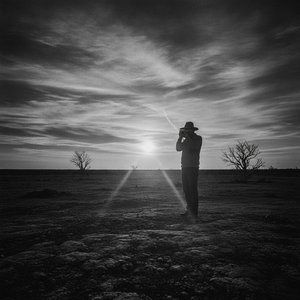
Timeless Shadows: The Artistry, History, and Emotional Resonance of Black and White Photography
Explore the profound artistry of black and white photography. From historical mastery to the interplay of light and shadow, discover how monochrome captures timeless emotion and form through a sophisticated lens of art history.