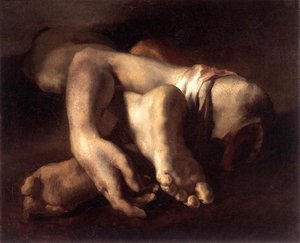
Anteprima in scala reale
 Condividi
 Condividi
 Dettagli
 Guida stampabile

 Scarica
 Articoli simili
 Radiografia
 Slideshow
 Statistiche
Le Corse senza Cavaliere
 Acrilico su tela
- Opere da parete
- Romantic Painting
 1817
1817 45.0 x 60.0 cm
 Musée du Louvre
 Leggi tutto
Giclée / Stampe d'arte
Stampa giclée o su tela di qualità museale, con produzione rapida e diverse opzioni di finitura. ( Ordina la riproduzione dipinta a mano Passa all'immagine digitale)




P118B €10

P118H €10

P118W €10

P438Z €10

P508JH €12

P508YH €12

P805H €10

P805Z €10

P919BZ €10

P919G €10

P919XJ €10

P959ZH €10

P968JZ €12

W106C €8

W218G €10

W218JH €8

W218Y €10

W307PJ €10

W316G €10

W316PJ €8

W316Y €10

W398PJ €8

W4111J €10

W500HY €15

W500JH €15

W692G €12

W849H €8

W940BG €15

W953PJ €8




Scegli tra le nostre dimensioni predefinite, che rispettano le proporzioni originali dell'opera d'arte.

Inserisci la larghezza e l'altezza desiderate, per adattarle alla tua cornice o alla tua parete. Una stampa può essere solo ritagliata, mai resa più grande dell'immagine originale; pertanto, un formato con una forma differente comporterà la perdita di una parte dell'opera. Ti invieremo un mockup digitale da approvare prima di procedere con la stampa. L'immagine mostrata in questa pagina non rappresenta il ritaglio reale — solo il mockup lo mostra.
Consegna in tutto il mondo () in 2 settimane invece delle normali 4/5 settimane. (23 Ottobre)

Spedizione espressa gratuita in tutto il mondo

Tela in lino di alta qualità

Assicurazione completa sulla spedizione

Garanzia di rimborso dei dazi doganali

Garanzia di perfetta fedeltà cromatica

Politica di reso entro 100 giorni (solo per difetti di fabbricazione)

Garanzia di rimborso al 100%

Sconto per acquisti multipli
 L'opzione vetro è disponibile solo per dimensioni inferiori a 110 cm

Le Corse senza Cavaliere
Giclée / Stampe d'arte
Dimensioni della riproduzione
-


Prezzo totale
€ 70
La Corsa dei Cavalli Senza Cavaliere – Un Trionfo Romantico
L'opera di Jean-Louis André Théodore Géricault, “Riderless Horse Races” (1817), si erge come una pietra miliare del Romanticismo francese, catturando non solo uno spettacolo equestre, ma anche lo spirito turbolento della sua epoca. Più di una semplice rappresentazione di cavalli al galoppo lungo la Via del Corso a Roma durante il Carnevale, l'opera incarna il profondo impegno di Géricello con la narrazione drammatica e la profondità psicologica, qualità che hanno cementato la sua eredità come una delle figure più influenti del movimento.
Soggetto e Composizione: Catturare Movimento ed Emozione
Il dipinto ritrae una vibrante scena di corse ippiche, meticolosamente resa da Géricault. Diversi cavalli dominano il primo piano, trasmettendo un'impressione di dinamismo frenetico—una scelta deliberata che riflette la fascinazione degli artisti romantici nel ritrarre emozioni intense e catturare momenti fugaci. Posizionato notevolmente tra i partecipanti, si scorge un uomo solitario che osserva l'evento, aggiungendo complessità alla composizione e suggerendo uno stato di contemplazione all'interno della frenesia della competizione. Due cani fiancheggiano la scena, rinforzando sottilmente il senso di immediatezza e realismo.
Stile e Tecnica: La Precisione Anatomica incontra l'Espressione Drammatica
La maestria tecnica di Géricault esemplifica gli ideali artistici romantici. Egli impiegò una scala monumentale—circa 45 x 60 cm—per amplificare l'impatto visivo del suo soggetto. Utilizzando i colori a olio su tela, ottenne una straordinaria accuratezza anatomica, attingendo alla sua formazione sotto Carle Vernet per ritrarre i cavalli con un realismo senza pari. Tuttavia, Géricault non mirava solo alla fedeltà fotografica; egli infuse la sua opera con pennellate espressive e un uso magistrale del chiaroscuro—il drammatico intreccio di luce e ombra—per esaltare l'intensità emotiva della scena.
Contesto Storico: Il Carnevale di Roma e l'Ideale Romantico
“Riderless Horse Races” emerse durante un periodo segnato da significativi sconvolgimenti sociali e politici. Il dipinto commemora la corsa annuale che si teneva durante il Carnevale di Roma, un evento che era stato ripristinato dopo decenni di interruzione a seguito del regno di Napoleone. Questa rinascita simboleggiava un ritorno ai valori tradizionali e alla celebrazione festosa, temi centrali nel discorso artistico romantico. La decisione di Géricault di ritrarre la corsa nella Roma antica contrastava deliberatamente con le convenzioni neoclassiche, segnalando un rifiuto della bellezza idealizzata per abbracciare, invece, la forza pura dell'esperienza umana.
Simbolismo e Impatto Emotivo: Oltre la Rappresentazione
Al di là del suo realismo visivo, “Riderless Horse Races” risuona con significati simbolici più profondi. Il cavallo stesso rappresenta l'energia indomita e la passione, qualità sostenute dagli artisti romantici come espressioni dello spirito umano. L'uso deliberato di una luce drammatica da parte di Géricault sottolinea il nucleo emotivo del dipinto, trasmettendo un senso di esaltazione mescolato all'apprensione. L'opera funge da testimonianza della capacità di Géricault di trasformare l'osservazione in una profonda dichiarazione artistica, catturando non solo ciò che è visibile, ma anche ciò che è percepito nel cuore—un marchio distintivo del potere duraturo dell'arte romantica.
Domande e risposte
Qual è l'identità cromatica di "Le Corse senza Cavaliere" di Géricault?
"Le Corse senza Cavaliere" di Géricault utilizza una tavolozza Toni della terra, con Espresso (#493930) come colore dominante.
Quanto è satura la tavolozza di "Le Corse senza Cavaliere"?
I colori di "Le Corse senza Cavaliere" di Géricault hanno una saturazione Muted. La saturazione descrive quanto i colori siano vivaci o attenuati.
Quali sono il formato e le dimensioni di "Le Corse senza Cavaliere"?
"Le Corse senza Cavaliere" di Géricault è una composizione in Landscape che misura 45 x 60 cm nell'originale.
Biografia dell'artista
Una Vita Forgiata nel Fuoco del Romanticismo
Jean-Louis André Théodore Géricault, un nome che risuona con lo spirito nascente del Romanticismo francese, nacque in un mondo sull'orlo di un cambiamento drammatico. Arrivato a Rouen, in Francia, nel 1791, la sua giovinezza si svolse tra gli echi della rivoluzione e l'alzarsi della marea dell'ambizione napoleonica. Sebbene avesse ereditato un'esistenza confortevole grazie alle imprese legali e commerciali della sua famiglia – inclusa un'azienda di tabacco – il destino di Géricault non risiedeva nel diritto o nel commercio, ma nel regno dell'espressione artistica. La sua formazione iniziale sotto la guida di Carle Vernet, maestro dell'arte equestre inglese, gli instillò un occhio acuto per l'anatomia e il movimento, particolarmente evidente nelle sue raffigurazioni di cavalli. Tuttavia, furono i successivi studi con Pierre-Narcisse Guérin a fornirgli le basi della composizione classica, sebbene lo spirito inquieto di Géricello lo spinse presto a cercare la conoscenza in modo indipendente tra le sacre sale del Louvre.
Il Louvre come Accademia: Un Dialogo con i Maestri
Dal 1810 al 1815, il Louvre divenne la vera accademia di Géricault. Egli si immerse nelle opere dei Grandi Maestri – Rubens, Tiziano, Velázquez e Rembrandt – non limitandosi a copiarne le tecniche, ma instaurando un profondo dialogo con le loro filosofie artistiche. Questo periodo fu cruciale per plasmare il suo stile distintivo, caratterizzato da un drammatico chiaroscuro, composizioni dinamiche e un'intensa emotività che lo distinse dai suoi contemporanei. Non stava semplicemente replicando; stava assorbendo l'essenza di questi maestri, interiorizzando i loro approcci alla luce, all'ombra e alla forma umana. Questa educazione autodidatta favorì una voce artistica unica, capace di sfidare presto le convenzioni neoclassiche prevalenti. Le sue prime opere, come Il Cacciatore in Carica (1812), accennavano già a questa sensibilità emergente, mostrando un'audacia nell'esecuzione e una fascinazione per il movimento che ricordava le energiche tele di Rubens. Egli continuò a esplorare temi equestri, affinando le sue abilità nel ritrarre la forza e la grazia dei cavalli, un soggetto che sarebbe rimasto un motivo ricorrente in tutta la sua carriera.
La Zattera della Medusa: Un Monumento alla Sofferenza Umana
Il nome di Géricault è indissolubilmente legato alla Zattera della Medusa (1818-1819), una tela monumentale che trascende la mera rappresentazione storica per diventare una lacerante denuncia della fallibilità umana e dell'ingiustizia sociale. Ispirato dalla tragica storia vera del naufragio della fregata francese Méduse nel 1816, dove negligenza e incompetenza portarono a sofferenze inimmaginabili per i passeggeri, il dipinto è un ritratto viscerale di disperazione, speranza e angoscia. Géricault intraprese ricerche meticolose, intervistando i sopravvissuti, studiando cadaveri negli ospedali e persino costruendo un modello in scala della zattera stessa per garantirne l'accuratezza. L'opera risultante non è solo la rappresentazione di una tragedia; è un'esperienza immersiva che mette di fronte lo spettatore con la cruda realtà della sofferenza umana. La composizione, costruita attorno a due strutture piramidali – una che rappresenta la disperazione e la morte, l'altra che incarna la speranza e il potenziale salvataggio – crea una tensione dinamica che guida l'occhio attraverso la tela. La Zattera della Medusa fu controversa alla sua esposizione al Salon del 1819, scatenando dibattiti politici e consolidando la reputazione di Géricault come artista audace e non convenzionale. L'impatto del dipinto si estese oltre il mondo dell'arte, diventando un simbolo dell'incompetenza governativa e della resilienza umana di fronte a avversità inimmaginabili.
Oltre la Tragedia: Temi Militari e Eredità Artistica
Sebbene la Zattera della Medusa rimanga la sua opera più celebrata, la produzione artistica di Géricault andò ben oltre questo singolo capolavoro. Egli tornò continuamente ai temi militari, come evidente in opere quali il Corazziero Ferito (1814) e Il Derby di Epsom (1821), dimostrando una fascinazione per il dramma e la forza espressiva. Questi dipinti rivelano la sua continua esplorazione dell'emozione umana sotto pressione, concentrandosi spesso sul costo fisico e psicologico del conflitto. Si avventurò anche nel ritratto e nella litografia, ampliando ulteriormente il suo repertorio artistico. Purtroppo, la vita di Géricault fu interrotta dalla malattia all'età di 32 anni nel 1824, dopo anni di sofferenze causate da incidenti a cavallo e da un'infezione tubercolare cronica. La sua morte prematura privò il mondo dell'arte di un talento prodigioso, ma la sua influenza sulle generazioni successive di artisti – in particolare su Eugène Delacroix – fu profonda. È ricordato come un pioniere del Romanticismo, un artista che osò confrontarsi con verità difficili e infondere nelle sue opere una potente risonanza emotiva che continua a affascinare il pubblico ancora oggi. La sua figura di bronzo riposa, pennello in mano, sulla sua tomba nel Cimitero di Père Lachaise a Parigi, sopra un bassorilievo che raffigura la scena straziante della Zattera della Medusa, un tributo degno di un artista che ha dedicato la vita a catturare le complessità e le contraddizioni della condizione umana.
Caratteristiche Chiave e Influenze
- Romanticismo: Géricault è considerato uno dei primi pittori romantici francesi, allontanandosi dagli ideali neoclassici verso l'intensità emotiva e l'espressione drammatica.
- Composizione Drammatica: I suoi dipinti sono noti per le loro composizioni dinamiche, utilizzando spesso linee diagonali e il contrasto tra luce e ombra per creare un senso di movimento e tensione.
- Realismo e Ricerca: Géricault era impegnato nel realismo, conducendo ricerche approfondite – inclusi lo studio dei cadaveri e l'intervista ai sopravvissuti – per garantire l'accuratezza e l'impatto emotivo della sua opera.
- Influenza dei Grandi Maestri: Trasse ispirazione dai maestri barocchi come Rubens, Tiziano e Velázquez, adottando le loro tecniche per un'illuminazione drammatica e una pennellata espressiva.
- Focus sulla Sofferenza Umana: La sua arte ritrae spesso scene di tragedia, disperazione e gli aspetti più oscuri dell'esperienza umana, riflettendo una fascinazione romantica per le emozioni intense.

Géricault
1791 - 1824 , Francia
Informazioni rapide
- Artistic Movement Or Style: Romanticismo
- Artists Or Movements Influenced By This Artist: ['Eugène Delacroix']
- Artists Who Influenced This Artist:
- Rubens
- Titian
- Velázquez
- Rembrandt
- Date Of Birth: 26 settembre 1791
- Full Name: Jean-Louis André Théodore Géricault
- Nationality: Francese
- Notable Artworks:
- Il Naufrago della Medusa
- Wounded Cuirassier
- The Derby of Epsom
- Place Of Birth: Rouen, Francia
Articoli correlati

Émile Vernet: Il Realismo Romantico e la Vita nel XIX Secolo - Uno Sguardo Profondo
Esplora la vita e l'opera di Émile Jean Horace Vernet, maestro del Realismo Romantico. Scopri le sue scene militari, i viaggi orientalisti e l'innovativo uso della fotografia. Approfondimenti storici e artistici su OriginalUniqueArt.
The Noble Steed on Canvas: A Historical & Artistic Exploration of Horse Painting Across Cultures
Explore the rich history of horse painting! Discover masterpieces from Stubbs to Munnings & learn about symbolism, techniques & artists. Find museum-quality reproductions at OriginalUniqueArt.

Il XIX Secolo nell'Arte: 10 Capolavori da Ammirare e Riscoprire
Esplora i 10 capolavori del XIX secolo! Da Manet a Klimt, scopri la storia e l'arte di dipinti iconici. Impressionismo, realismo e romanticismo ti aspettano su OriginalUniqueArt.com. Scopri tutta la collezione online.

The Equine Muse: A Historical & Artistic Exploration of Horses in Painting
Explore the captivating history of horses in painting! Discover Renaissance masterpieces, Baroque grandeur & expert insights for collecting equestrian art. Learn about symbolism, techniques & lasting value with OriginalUniqueArt.

I 10 Capolavori del Realismo Romantico che hanno Incantato la Storia dell'Arte
Esplora l'emozione del Realismo Romantico attraverso 10 capolavori senza tempo. Scopri la storia di maestri come Constable e Friedrich e lasciati ispirare da opere iconiche per il tuo arredamento. Trova riproduzioni d'arte di qualità museale su OriginalUniqueArt.com.