Anteprima in scala reale
 Condividi
 Condividi
 Dettagli
 Guida stampabile

 Scarica
 Articoli simili
 Radiografia
 Slideshow
 Statistiche
Merry Company
 Acrylic On Canvas
- WallArt
- Baroque Painting
 1623
1623 125.0 x 157.0 cm
 Staatsgalerie
 Leggi tutto
Riproduzione a olio fatta a mano
Olio su tela dipinto a mano nelle tue dimensioni e con la tua cornice, realizzato su ordinazione dai nostri artisti. ( Passa alle stampe Passa all'immagine digitale)




P118B €10

P118H €10

P118W €10

P438Z €10

P508JH €12

P508YH €12

P805H €10

P805Z €10

P919BZ €10

P919G €10

P919XJ €10

P959ZH €10

P968JZ €12

W106C €8

W218G €10

W218JH €8

W218Y €10

W307PJ €10

W316G €10

W316PJ €8

W316Y €10

W398PJ €8

W4111J €10

W500HY €15

W500JH €15

W692G €12

W849H €8

W940BG €15

W953PJ €8




Scegli tra le nostre dimensioni predefinite, che rispettano le proporzioni originali dell'opera d'arte.

È possibile inserire dimensioni personalizzate per adattare l'opera a una cornice o a uno spazio specifico. Se la dimensione selezionata non corrisponde alle proporzioni dell'immagine originale, provvederemo a ritagliare l'opera o a estendere il dipinto con elementi aggiuntivi dipinti a mano. Un mockup digitale ti sarà inviato per approvazione prima dell'inizio della produzione.
Si prega di notare che l'anteprima a schermo non riflette il ritaglio o l'estensione effettivi. Solo il mockup mostrerà accuratamente la composizione finale.
Sebbene siano disponibili dimensioni personalizzate, consigliamo di selezionare una dimensione dall'elenco predefinito per preservare le proporzioni originali.
Dopo l'ordine, il team di OriginalUniqueArt.com contatterà il cliente via e-mail per ricevere le istruzioni e fornirà un'anteprima del mockup
Consegna in tutto il mondo () in 3/4 settimane anziché nelle normali 5 settimane. (11 Ottobre). Nessun compromesso sulla qualità.

Spedizione espressa gratuita in tutto il mondo

Tela in lino di alta qualità

Assicurazione completa sulla spedizione

Garanzia di rimborso dei dazi doganali

Garanzia di perfetta fedeltà cromatica

Politica di reso entro 100 giorni (solo per difetti di fabbricazione)

Garanzia di rimborso al 100%

Sconto per acquisti multipli
 L'opzione vetro è disponibile solo per dimensioni inferiori a 110 cm

Merry Company
Tecnica di riproduzione
Dimensioni della riproduzione
-


Prezzo totale
€ 259
A Dance in Shadow: Gerard van Honthorst’s “Merry Company”
Gerard van Honthorst's "Merry Company," painted in 1623, isn’t merely a depiction of a tavern scene; it’s a carefully orchestrated tableau of light, social interaction, and the subtle drama inherent in human connection. This remarkable work, now residing within the Alte Pinakothek in Munich, offers a captivating glimpse into the vibrant heart of the Dutch Golden Age – a period defined by burgeoning wealth, artistic innovation, and a fascination with capturing the nuances of everyday life.
The painting immediately draws the eye with its masterful use of chiaroscuro, a technique borrowed directly from Caravaggio and central to Honthorst’s signature style. Deep shadows engulf much of the composition, creating an atmosphere of intimacy and drawing attention to the illuminated figures clustered around a table laden with goblets, wine glasses, and platters of food. This dramatic interplay of light and dark isn't simply aesthetic; it serves to heighten the sense of drama and immediacy, as if we are witnessing a fleeting moment frozen in time.
The Setting: A Tavern’s Embrace
The scene unfolds within what appears to be a richly appointed tavern – though the specific location remains somewhat elusive. The details suggest a comfortable, well-established establishment, likely frequented by merchants and members of the local elite. Notice the carefully rendered furniture, the warm glow emanating from unseen candles, and the abundance of drinkware. The composition is deliberately crowded, reflecting the lively atmosphere of a social gathering. Several figures are seated, engaged in conversation or perhaps enjoying music – though the instruments themselves aren’t explicitly visible, their presence is strongly implied.
A key element to note is the inclusion of several women amongst the men. This was relatively uncommon in Dutch genre paintings of this era, and suggests a deliberate attempt by Honthorst to portray a more balanced and inclusive representation of social life. The women are not merely decorative; they actively participate in the conversation and revelry, contributing to the overall sense of merriment.
A Caravaggistic Influence: Light and Emotion
Honthorst’s debt to Caravaggio is undeniable. Like his Italian predecessor, he understood the power of light to shape perception and evoke emotion. The strong directional lighting casts dramatic shadows that sculpt the figures' faces and bodies, emphasizing their expressions and gestures. The use of a single, unseen light source creates a sense of immediacy and realism, as if we are present at this lively gathering ourselves.
Furthermore, Honthorst’s attention to detail is remarkable. From the folds of the clothing to the textures of the furniture, every element contributes to the overall sense of authenticity. The figures themselves are rendered with a subtle psychological depth – their expressions ranging from jovial amusement to quiet contemplation. This level of realism was highly valued by Dutch artists during this period and reflects Honthorst’s skill as a portraitist.
Symbolism and Social Commentary
Beyond its immediate visual appeal, “Merry Company” offers subtle insights into the social dynamics of 17th-century Holland. The painting can be interpreted as a celebration of prosperity and leisure – hallmarks of the Dutch Golden Age. However, it also subtly hints at the potential pitfalls of excess and indulgence. The abundance of drink and merriment serves as a reminder of the importance of moderation and self-control.
The inclusion of figures like the older woman holding a candle is particularly intriguing. Her presence suggests a contemplation on time, beauty, and mortality – themes that were frequently explored in Dutch art during this period. The flickering candlelight symbolizes both love and vanity, highlighting the transient nature of earthly pleasures. “Merry Company” isn’t simply a depiction of a social gathering; it's a carefully constructed meditation on life, death, and the human condition.
A Timeless Masterpiece
Gerard van Honthorst’s “Merry Company” remains a captivating masterpiece – a testament to his artistic skill and his profound understanding of light, emotion, and the complexities of human interaction. Its dramatic chiaroscuro, rich detail, and subtle symbolism continue to resonate with viewers today, offering a glimpse into the vibrant world of 17th-century Holland.
Domande e risposte
In che anno è stata creata "Merry Company" di Gerard van Honthorst?
"Merry Company" risale al 1623. La data colloca l'opera all'interno della carriera di Gerard van Honthorst e della sua epoca.
Chi è l'autore e in che anno è stata realizzata "Merry Company"?
"Merry Company" è stata creata da Gerard van Honthorst nel 1623."
"Merry Company" è un'opera famosa del Baroque Painting?
All'interno del movimento Baroque Painting, "Merry Company" ha un livello di popolarità Recognized.
Cosa rappresenta "Merry Company" di Gerard van Honthorst?
I soggetti di "Merry Company" sono merry company, dutch golden age, caravaggism, tavern scene, group portrait, chiaroscuro, festive gathering.
"Merry Company" di Gerard van Honthorst è un'opera dai toni chiari o scuri?
La luminosità di "Merry Company" di Gerard van Honthorst è registrata come deep_shadow, con una luminanza di Dark.
Quale collocazione si adatta meglio al formato di "Merry Company" di Gerard van Honthorst?
Con la sua forma Landscape, una riproduzione di "Merry Company" è ideale per un Living Room.
In quale ambiente si consiglia di collocare "Merry Company" di Gerard van Honthorst?
Una riproduzione di "Merry Company" si adatta perfettamente a un/una Living Room.
Quanti anni aveva Gerard van Honthorst quando è stata creata "Merry Company"?
Gerard van Honthorst aveva 33 anni quando ha creato "Merry Company" nel 1623. L'età è calcolata sulla base dell'anno di nascita dell'artista, 1590.
Biografia dell'artista
La Vita e la Formazione di Gerard van Honthorst
Gerard van Honthorst, nato a Utrecht il 4 novembre 1590, fu un pittore olandese di grande rilievo durante l'età dell'oro olandese. Figlio di un pittore decorativo, ricevette le prime istruzioni artistiche dal padre e successivamente affinò la sua tecnica sotto la guida di Abraham Bloemaert. Questa formazione iniziale gettò le basi per il suo sviluppo artistico futuro.Il Periodo Italiano e l'Influenza del Caravaggismo
Un momento cruciale nella carriera di van Honthorst fu il suo viaggio a Roma, dove rimase profondamente influenzato dallo stile di Caravaggio. L’incontro con la pittura tenebrista e drammatica di Caravaggio lo portò ad adottare un approccio simile nelle sue opere, caratterizzato da forti contrasti chiaroscurali e scene illuminate artificialmente. Questo periodo romano gli valse il soprannome di "Gherardo delle Notti" ("Gerard of the Nights"), in riferimento alla sua predilezione per le scene notturne. Durante la sua permanenza a Roma, lavorò per importanti mecenati come Vincenzo Giustiniani, che commissionò l'opera "Cristo davanti al Sommo Sacerdote", ora conservata nella National Gallery di Londra.Il Ritorno in Olanda e il Successo come Ritrattista
Nel 1620, van Honthorst fece ritorno nei Paesi Bassi, stabilendosi a Utrecht. Qui, divenne una figura di spicco nel panorama artistico olandese, acquisendo rapidamente fama come ritrattista di successo. La sua abilità nel catturare la somiglianza e l'essenza dei suoi soggetti lo rese molto richiesto da nobili e personalità influenti dell’epoca. Nel 1623, divenne presidente della gilda di San Luca a Utrecht, un segno del suo prestigio e riconoscimento all'interno della comunità artistica.Stile Artistico e Contributi al Barocco Olandese
Lo stile di van Honthorst si caratterizza per l’uso magistrale della luce e dell’ombra, ereditato dal caravaggismo, ma reinterpretato in chiave olandese. Le sue opere spesso raffigurano scene bibliche o mitologiche illuminate da una fonte luminosa artificiale, creando un'atmosfera drammatica e suggestiva. Van Honthorst contribuì significativamente allo sviluppo del barocco olandese, influenzando numerosi artisti contemporanei e successivi. La sua capacità di combinare l’influenza italiana con la tradizione pittorica olandese lo rese una figura unica nel panorama artistico del XVII secolo.Collaborazioni e Opere Significative
Van Honthorst collaborò con altri importanti artisti dell'epoca, tra cui Peter Paul Rubens, dimostrando la sua apertura alle influenze artistiche internazionali. Tra le sue opere più significative si ricordano "Cristo davanti al Sommo Sacerdote", commissionata da Vincenzo Giustiniani, e "L’adorazione del Bambino", un dipinto che esemplifica il suo stile tenebrista. La "Presa di Cristo", inizialmente attribuita interamente a van Honthorst, è ora riconosciuta come opera collaborativa, testimoniando la complessità delle dinamiche artistiche dell'epoca.
Gerard van Honthorst
1590 - 1656 , Paesi Bassi
Informazioni rapide
- Artisti Influenti:
- Caravaggio
- Abraham Bloemaert
- Data Di Morte: 1656
- Data Di Nascita: 4 novembre 1590
- Luogo Di Nascita: Utrecht, Paesi Bassi
- Movimento Artistico: Caravaggismo olandese
- Nazionalità: Olandese
- Nome Completo: Gerard van Honthorst
- Opere Notevoli:
- Cristo davanti al sommo sacerdote
- L'adorazione del Bambino
Articoli correlati

I 10 Capolavori del Barocco Olandese che Hanno Definito un'Epoca | OriginalUniqueArt
Esplora i 10 capolavori del Barocco olandese con OriginalUniqueArt. Scopri Rembrandt, Vermeer e altri maestri. Quadri antichi, luce intensa e storie affascinanti per decorare la tua casa con arte di qualità museale. Esplora la collezione online!
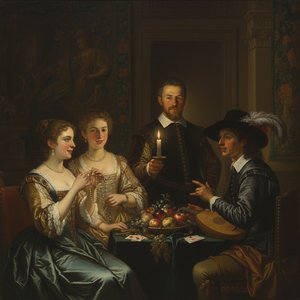
Gerard van Honthorst: Illuminare l'Età dell'Oro Olandese tra Caravaggismo e Grazia di Corte
Esplora la vita e le opere di Gerard van Honthorst, maestro del Caravaggismo olandese. Analisi approfondita del suo stile unico, dai ritratti di corte alle scene illuminate dalla luce drammatica. Scopri l'eredità di questo artista straordinario.
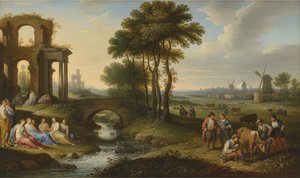
Cornelis van Poelenburch: Bridging Mannerism & the Dutch Baroque Landscape
Discover Cornelis van Poelenburch, a pivotal Dutch Baroque landscape painter bridging Mannerism & Italianate styles. Explore his life, key works, and lasting influence on 17th-century art with OriginalUniqueArt.

Rembrandt van Rijn: I 25 Capolavori Immortali da Ammirare | OriginalUniqueArt
Esplora i 25 capolavori di Rembrandt van Rijn, da 'La Ronda di Notte' ai suoi intensi autoritratti. Scopri la storia, le tecniche e l'arte barocca del maestro olandese. Riproduzioni di alta qualità su OriginalUniqueArt.com.

Golden Age Reflections: Dutch Baroque Painting & Cultural Innovation
Explore the Dutch Golden Age of painting! Discover key artists like Vermeer & ter Borch, their innovative techniques, and the rich cultural context behind these Baroque masterpieces. Learn about collecting & appreciating this iconic art period.