- Home

- Riproduzione di dipinto a olio
- Gerard van Honthorst
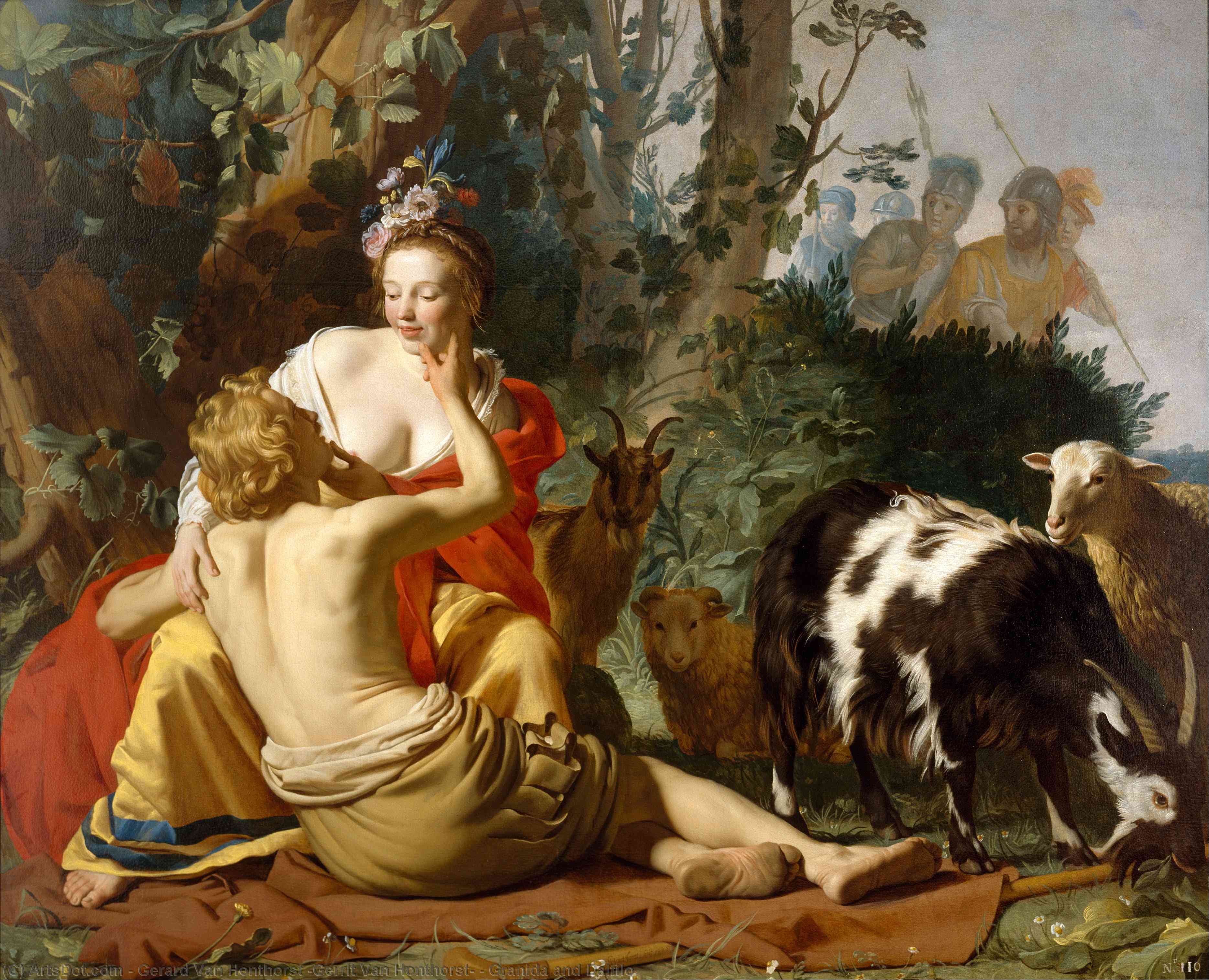
- Granida and Daifilo
 Acquista stampa Acquista download
 Invia
Invia
 Condividi
 Dettagli opera
 Aggiungi ai preferiti

 Scarica
 Simili
 Radiografia
 Slideshow
Granida and Daifilo
 Oil On Canvas
- WallArt
- Baroque Painting
 1625
1625 145.0 x 179.0 cm
 Centraal Museum
 Scopri di più
Riproduzione a olio fatta a mano
Olio su tela dipinto a mano nelle tue dimensioni e con la tua cornice, realizzato su ordinazione dai nostri artisti.




P118B $10

P118H $10

P118W $10

P438Z $10

P508JH $12

P508YH $12

P805H $10

P805Z $10

P919BZ $10

P919G $10

P919XJ $10

P959ZH $10

P968JZ $12

W106C $8

W218G $10

W218JH $8

W218Y $10

W307PJ $10

W316G $10

W316PJ $8

W316Y $10

W398PJ $8

W4111J $10

W500HY $15

W500JH $15

W692G $12

W849H $8

W940BG $15

W953PJ $8




Scegli tra le nostre dimensioni predefinite, che rispettano le proporzioni originali dell'opera d'arte.

È possibile inserire dimensioni personalizzate per adattare l'opera a una cornice o a uno spazio specifico. Se la dimensione selezionata non corrisponde alle proporzioni dell'immagine originale, provvederemo a ritagliare l'opera o a estendere il dipinto con elementi aggiuntivi dipinti a mano. Un mockup digitale ti sarà inviato per approvazione prima dell'inizio della produzione.
Si prega di notare che l'anteprima a schermo non riflette il ritaglio o l'estensione effettivi. Solo il mockup mostrerà accuratamente la composizione finale.
Sebbene siano disponibili dimensioni personalizzate, consigliamo di selezionare una dimensione dall'elenco predefinito per preservare le proporzioni originali.
Dopo l'ordine, il team di OriginalUniqueArt.com invierà un'e-mail al cliente per le istruzioni e fornirà un'anteprima del mockup
Consegna in tutto il mondo () in 3/4 settimane anziché nelle normali 5 settimane. (22 Luglio). Nessun compromesso sulla qualità.

Spedizione espressa gratuita in tutto il mondo

Tela in lino di alta qualità

Assicurazione completa sulla spedizione

Garanzia di rimborso dei dazi doganali

Garanzia di fedeltà cromatica

Politica di reso entro 60 giorni (solo per difetti)

Garanzia di rimborso al 100%

Sconto per acquisti multipli
 L'opzione vetro è disponibile solo per dimensioni inferiori a 110 cm

Granida and Daifilo
Tecnica di riproduzione
Dimensioni riproduzione
-


Prezzo totale finale
-
Descrizione dell'opera
A Dutch Master’s Nocturne: Unveiling “Granida and Daifilo” by Gerard van Honthorst
Gerard van Honthorst's "Granida and Daifilo," painted in 1625, is more than just a pastoral scene; it’s a meticulously crafted tableau of romance, intrigue, and the dramatic interplay of light and shadow that defined the artist’s signature style. This captivating work, now housed within the collections of esteemed institutions like the Rijksmuseum, offers a glimpse into the burgeoning artistic landscape of 17th-century Holland – a period marked by Caravaggio's profound influence and a fervent embrace of theatrical lighting.
The painting depicts a tender encounter between Granida, a princess from an Eastern kingdom, and Daifilo, a shepherd who has captured her heart. The narrative unfolds amidst a verdant woodland setting, populated with a cast of characters engaged in a delicate dance of courtship and potential conflict. A watchful soldier stands poised to apprehend Daifilo, hinting at the obstacles inherent in their love – a subtle tension that elevates the scene beyond simple idyllic beauty. The composition is remarkably balanced, drawing the eye through a carefully orchestrated arrangement of figures and elements, creating a sense of depth and inviting the viewer into this intimate world.
The Shadowed Light: Honthorst’s Caravaggistic Technique
Honthorst's mastery lies in his ability to evoke atmosphere through masterful manipulation of light. He was deeply influenced by Caravaggio, adopting his signature *tenebrism* – a dramatic contrast between intensely bright highlights and deep shadows. In “Granida and Daifilo,” this technique is particularly evident in the way the figures are illuminated, creating a sense of mystery and drawing attention to their faces and gestures. The dappled sunlight filtering through the trees casts an ethereal glow upon the scene, while pockets of darkness conceal details and heighten the drama.
The artist’s brushwork is remarkably loose and expressive, contributing to the painting's dynamic quality. Notice how he uses rapid, short strokes to define the foliage and create a sense of movement within the landscape. Furthermore, Honthorst skillfully employs color – rich greens, earthy browns, and subtle hints of red – to establish mood and enhance the overall visual impact. The use of warm tones in the foreground contrasts with the cooler shades in the background, creating a compelling depth of field.
A Courtly Tale: Context and Symbolism
“Granida and Daifilo” was commissioned by Stadholder Frederik Hendrik for his residence at Honselaerdijk as one of a series of pastoral paintings intended to adorn his lavish home. The play itself, written by Pieter Hooft, was immensely popular during the Dutch Golden Age, exploring themes of love, loyalty, and social upheaval. The painting’s subject matter – a forbidden romance between a princess and a shepherd – resonated deeply with audiences, reflecting broader anxieties about social hierarchies and the challenges faced by those who dared to defy convention.
Beyond its narrative content, the work is laden with symbolism. The soldier represents societal constraints and the potential for disruption within the established order. The setting itself—a lush woodland—evokes notions of freedom, escape, and the untamed wilderness. Even the sheep present in the scene can be interpreted as symbols of innocence and vulnerability. The inclusion of a bowl suggests hospitality and generosity – elements central to the pastoral ideal.
An Emotional Resonance: Beauty and Intrigue
“Granida and Daifilo” transcends its historical context, offering viewers an enduring sense of beauty and intrigue. The painting’s evocative lighting, dynamic composition, and compelling narrative combine to create a truly captivating experience. It's not merely a depiction of a romantic encounter; it’s a meditation on love, loss, and the delicate balance between desire and duty. The subtle tension within the scene—the impending arrest, the unspoken longing—keeps the viewer engaged long after they’ve turned away, prompting reflection on the complexities of human relationships and the enduring power of art to capture the essence of our emotions.
Reproductions of this masterpiece offer a remarkable opportunity to bring its atmospheric drama into any setting. Consider framing it in a manner that complements its rich palette and dramatic lighting—perhaps against a dark wall to enhance the effect of *tenebrism*, or within a room bathed in natural light to capture the painting’s luminous quality.
Biografia dell'artista
La Vita e la Formazione di Gerard van Honthorst
Gerard van Honthorst, nato a Utrecht il 4 novembre 1590, fu un pittore olandese di grande rilievo durante l'età dell'oro olandese. Figlio di un pittore decorativo, ricevette le prime istruzioni artistiche dal padre e successivamente affinò la sua tecnica sotto la guida di Abraham Bloemaert. Questa formazione iniziale gettò le basi per il suo sviluppo artistico futuro.Il Periodo Italiano e l'Influenza del Caravaggismo
Un momento cruciale nella carriera di van Honthorst fu il suo viaggio a Roma, dove rimase profondamente influenzato dallo stile di Caravaggio. L’incontro con la pittura tenebrista e drammatica di Caravaggio lo portò ad adottare un approccio simile nelle sue opere, caratterizzato da forti contrasti chiaroscurali e scene illuminate artificialmente. Questo periodo romano gli valse il soprannome di "Gherardo delle Notti" ("Gerard of the Nights"), in riferimento alla sua predilezione per le scene notturne. Durante la sua permanenza a Roma, lavorò per importanti mecenati come Vincenzo Giustiniani, che commissionò l'opera "Cristo davanti al Sommo Sacerdote", ora conservata nella National Gallery di Londra.Il Ritorno in Olanda e il Successo come Ritrattista
Nel 1620, van Honthorst fece ritorno nei Paesi Bassi, stabilendosi a Utrecht. Qui, divenne una figura di spicco nel panorama artistico olandese, acquisendo rapidamente fama come ritrattista di successo. La sua abilità nel catturare la somiglianza e l'essenza dei suoi soggetti lo rese molto richiesto da nobili e personalità influenti dell’epoca. Nel 1623, divenne presidente della gilda di San Luca a Utrecht, un segno del suo prestigio e riconoscimento all'interno della comunità artistica.Stile Artistico e Contributi al Barocco Olandese
Lo stile di van Honthorst si caratterizza per l’uso magistrale della luce e dell’ombra, ereditato dal caravaggismo, ma reinterpretato in chiave olandese. Le sue opere spesso raffigurano scene bibliche o mitologiche illuminate da una fonte luminosa artificiale, creando un'atmosfera drammatica e suggestiva. Van Honthorst contribuì significativamente allo sviluppo del barocco olandese, influenzando numerosi artisti contemporanei e successivi. La sua capacità di combinare l’influenza italiana con la tradizione pittorica olandese lo rese una figura unica nel panorama artistico del XVII secolo.Collaborazioni e Opere Significative
Van Honthorst collaborò con altri importanti artisti dell'epoca, tra cui Peter Paul Rubens, dimostrando la sua apertura alle influenze artistiche internazionali. Tra le sue opere più significative si ricordano "Cristo davanti al Sommo Sacerdote", commissionata da Vincenzo Giustiniani, e "L’adorazione del Bambino", un dipinto che esemplifica il suo stile tenebrista. La "Presa di Cristo", inizialmente attribuita interamente a van Honthorst, è ora riconosciuta come opera collaborativa, testimoniando la complessità delle dinamiche artistiche dell'epoca.
Gerard van Honthorst
1590 - 1656 , Paesi Bassi
Dati rapidi
- Artisti Influenti:
- Caravaggio
- Abraham Bloemaert
- Data Di Morte: 1656
- Data Di Nascita: 4 novembre 1590
- Luogo Di Nascita: Utrecht, Paesi Bassi
- Movimento Artistico: Caravaggismo olandese
- Nazionalità: Olandese
- Nome Completo: Gerard van Honthorst
- Opere Notevoli:
- Cristo davanti al sommo sacerdote
- L'adorazione del Bambino
Articoli correlati
Van Gogh: Le 25 Opere Più Iconiche per Amare l'Arte e Arredare con Stile
Esplora le 25 opere più iconiche di Van Gogh: dai Girasoli alla Notte Stellata. Scopri la storia, lo stile e i colori che hanno reso Vincent van Gogh un maestro dell'arte moderna. Trova riproduzioni di alta qualità su OriginalUniqueArt.com.
Gerard van Honthorst: Illuminare l'Età dell'Oro Olandese tra Caravaggismo e Grazia di Corte
Esplora la vita e le opere di Gerard van Honthorst, maestro del Caravaggismo olandese. Analisi approfondita del suo stile unico, dai ritratti di corte alle scene illuminate dalla luce drammatica. Scopri l'eredità di questo artista straordinario.

Rembrandt van Rijn: I 25 Capolavori Immortali da Ammirare | OriginalUniqueArt
Esplora i 25 capolavori di Rembrandt van Rijn, da 'La Ronda di Notte' ai suoi intensi autoritratti. Scopri la storia, le tecniche e l'arte barocca del maestro olandese. Riproduzioni di alta qualità su OriginalUniqueArt.com.

I 10 Capolavori Barocchi che Hanno Definito un'Epoca | Arte e Decorazioni di Lusso
Esplora i 10 capolavori barocchi di Caravaggio, Bernini e Rembrandt che hanno rivoluzionato l'arte. Scopri storie, tecniche e colori iconici. Trova riproduzioni d'arte di alta qualità per la tua casa su !

The Dramatic Flourish: Exploring the Baroque Movement's Enduring Legacy in Art History
Explore the dramatic world of Baroque art! Discover iconic artists like Caravaggio & Rubens, defining techniques, and its lasting impact on art history. Expert insights for collectors & enthusiasts at OriginalUniqueArt.