 Anteprima in scala reale
 Invia
Invia Condividi
 Dettagli opera

 Scarica immagine
 Simili
 Radiografia
 Slideshow
Christ Before the High Priest


 Espandi i dettagli
Giclée / Stampe d'arte
Stampa giclée o su tela di qualità museale, con produzione rapida e diverse opzioni di finitura. ( Acquista il dipinto realizzato a mano Acquista immagine)




P118B $10

P118H $10

P118W $10

P438Z $10

P508JH $12

P508YH $12

P805H $10

P805Z $10

P919BZ $10

P919G $10

P919XJ $10

P959ZH $10

P968JZ $12

W106C $8

W218G $10

W218JH $8

W218Y $10

W307PJ $10

W316G $10

W316PJ $8

W316Y $10

W398PJ $8

W4111J $10

W500HY $15

W500JH $15

W692G $12

W849H $8

W940BG $15

W953PJ $8




Scegli tra le nostre dimensioni predefinite, che rispettano le proporzioni originali dell'opera d'arte.

È possibile inserire dimensioni personalizzate per adattare l'opera a una cornice o a uno spazio specifico. Se la dimensione selezionata non corrisponde alle proporzioni dell'immagine originale, procederemo al ritaglio dell'opera o all'estensione dell'immagine con un bordo specchiato o a tinta unita. Un mockup digitale ti verrà inviato per approvazione prima dell'inizio della produzione.
Si prega di notare che l'anteprima a schermo non riflette il ritaglio o l'estensione effettivi. Solo il mockup mostrerà accuratamente la composizione finale.
Sebbene siano disponibili dimensioni personalizzate, si raccomanda di selezionare una dimensione dall'elenco predefinito per preservare le proporzioni originali.
Consegna in tutto il mondo () in 2 settimane invece delle normali 4/5 settimane. (3 Settembre)

Spedizione espressa gratuita in tutto il mondo

Tela in lino di alta qualità

Assicurazione completa sulla spedizione

Garanzia di rimborso dei dazi doganali

Garanzia di fedeltà cromatica

Politica di reso entro 60 giorni (solo per difetti di fabbricazione)

Garanzia di rimborso al 100%

Offerta per acquisti multipli
 L'opzione vetro è disponibile solo per dimensioni inferiori a 110 cm

Christ Before the High Priest
Giclée / Stampe d'arte
Dimensioni riproduzione
-


Prezzo totale calcolato
$ 80
A Dramatic Encounter: Gerard van Honthorst’s “Christ Before the High Priest”
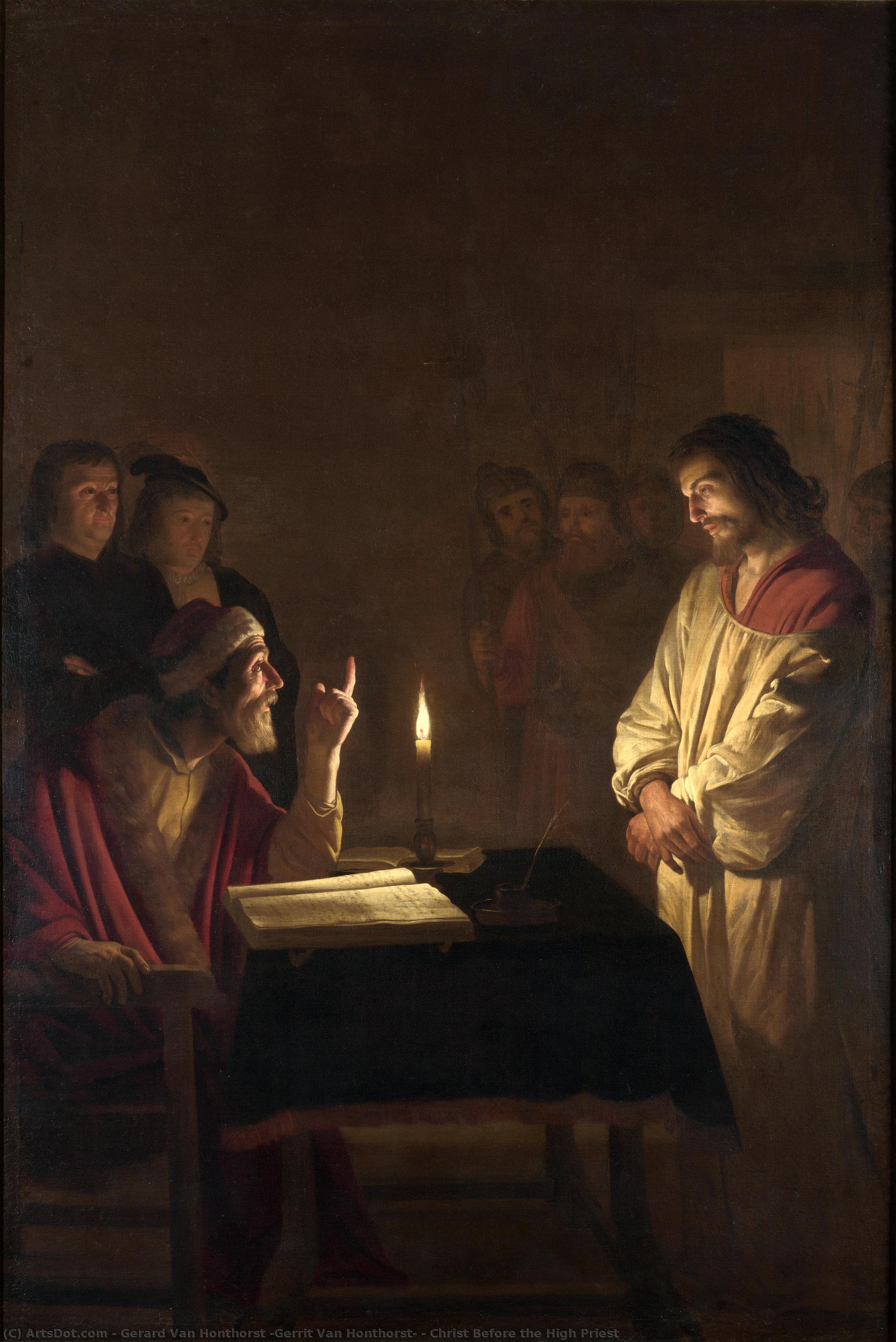
Gerard van Honthorst's "Christ Before the High Priest," painted around 1617, is not merely a biblical scene; it’s a masterclass in Baroque drama and an intimate portrayal of spiritual tension. This oil on canvas, now residing within the hallowed halls of London’s National Gallery, immediately commands attention with its masterful use of chiaroscuro – the dramatic interplay of light and shadow that defines the artist's signature style. Honthorst, deeply influenced by the revolutionary techniques of Caravaggio, transports us to a dimly lit chamber, thick with secrecy and foreboding, where the fate of Jesus hangs precariously in the balance.
The composition is strikingly vertical, drawing the viewer’s eye inexorably towards the central figures: Christ and Caiaphas. The single candle flame, strategically positioned between them, acts as a potent symbol – not just illuminating their faces but also highlighting the chasm separating their perspectives. Jesus, rendered in serene composure, appears almost otherworldly amidst the gathering of shadowy witnesses behind him, suggesting an inner strength and acceptance of his impending destiny. Caiaphas, by contrast, is depicted with forceful gestures and a furrowed brow, embodying the resistance to Christ’s claims and the weight of judgment.
The Baroque Masterstroke: Light, Shadow, and Emotional Intensity
Honthorst's technical prowess is immediately evident in the meticulous detail and rich textures of the painting. The brushstrokes are deliberately visible, creating an impasto effect – a raised surface of paint that adds tactile quality to the scene. The use of linear perspective, while somewhat flattened as is typical of Baroque art, effectively guides the eye through the composition, layering figures and details with subtle precision. Notice how the folds of the drapery, rendered with remarkable realism, seem to ripple and flow, adding depth and movement to the otherwise static scene.
The artist’s deep understanding of light is particularly noteworthy. It's not simply illumination; it’s a carefully orchestrated tool for conveying emotion and highlighting key elements. The stark contrast between the brightly lit faces of Christ and Caiaphas, juxtaposed against the enveloping darkness, amplifies their conflict and underscores the gravity of the moment. This dramatic lighting technique, characteristic of Caravaggio and embraced by Honthorst, is what truly elevates this painting beyond a simple historical depiction.
Symbolism and Spiritual Resonance
Beyond its immediate visual impact, “Christ Before the High Priest” is laden with symbolic meaning. The scroll held by Caiaphas represents Jewish law and prophecy – the very framework within which Jesus’s teachings challenged established norms. The candle itself serves as a powerful emblem of truth and enlightenment, casting a fragile light upon the unfolding drama. The gathering of witnesses in the background speaks to the broader community's role in Christ’s trial and the weight of their collective judgment.
Furthermore, the painting resonates with themes of betrayal, judgment, and divine authority – core tenets of Christian theology. It captures a pivotal moment from scripture, offering viewers an intimate glimpse into the events leading up to Jesus’ crucifixion. The overall mood is one of solemnity, suspense, and profound spiritual significance, inviting contemplation on faith, sacrifice, and the nature of truth.
A Timeless Masterpiece: Reproduction Possibilities
OriginalUniqueArt offers meticulously crafted hand-painted reproductions of Gerard van Honthorst’s “Christ Before the High Priest,” allowing you to bring this iconic Baroque masterpiece into your home or office. Our skilled artists faithfully recreate every detail, from the subtle nuances of light and shadow to the rich textures of the paint, ensuring an authentic representation of this extraordinary work. Whether you're a seasoned art collector, an interior designer seeking to add a touch of historical grandeur, or simply an admirer of Baroque artistry, our reproductions provide a beautiful and accessible way to experience the enduring power of Honthorst’s dramatic vision.
Biografia dell'artista
La Vita e la Formazione di Gerard van Honthorst
Gerard van Honthorst, nato a Utrecht il 4 novembre 1590, fu un pittore olandese di grande rilievo durante l'età dell'oro olandese. Figlio di un pittore decorativo, ricevette le prime istruzioni artistiche dal padre e successivamente affinò la sua tecnica sotto la guida di Abraham Bloemaert. Questa formazione iniziale gettò le basi per il suo sviluppo artistico futuro.Il Periodo Italiano e l'Influenza del Caravaggismo
Un momento cruciale nella carriera di van Honthorst fu il suo viaggio a Roma, dove rimase profondamente influenzato dallo stile di Caravaggio. L’incontro con la pittura tenebrista e drammatica di Caravaggio lo portò ad adottare un approccio simile nelle sue opere, caratterizzato da forti contrasti chiaroscurali e scene illuminate artificialmente. Questo periodo romano gli valse il soprannome di "Gherardo delle Notti" ("Gerard of the Nights"), in riferimento alla sua predilezione per le scene notturne. Durante la sua permanenza a Roma, lavorò per importanti mecenati come Vincenzo Giustiniani, che commissionò l'opera "Cristo davanti al Sommo Sacerdote", ora conservata nella National Gallery di Londra.Il Ritorno in Olanda e il Successo come Ritrattista
Nel 1620, van Honthorst fece ritorno nei Paesi Bassi, stabilendosi a Utrecht. Qui, divenne una figura di spicco nel panorama artistico olandese, acquisendo rapidamente fama come ritrattista di successo. La sua abilità nel catturare la somiglianza e l'essenza dei suoi soggetti lo rese molto richiesto da nobili e personalità influenti dell’epoca. Nel 1623, divenne presidente della gilda di San Luca a Utrecht, un segno del suo prestigio e riconoscimento all'interno della comunità artistica.Stile Artistico e Contributi al Barocco Olandese
Lo stile di van Honthorst si caratterizza per l’uso magistrale della luce e dell’ombra, ereditato dal caravaggismo, ma reinterpretato in chiave olandese. Le sue opere spesso raffigurano scene bibliche o mitologiche illuminate da una fonte luminosa artificiale, creando un'atmosfera drammatica e suggestiva. Van Honthorst contribuì significativamente allo sviluppo del barocco olandese, influenzando numerosi artisti contemporanei e successivi. La sua capacità di combinare l’influenza italiana con la tradizione pittorica olandese lo rese una figura unica nel panorama artistico del XVII secolo.Collaborazioni e Opere Significative
Van Honthorst collaborò con altri importanti artisti dell'epoca, tra cui Peter Paul Rubens, dimostrando la sua apertura alle influenze artistiche internazionali. Tra le sue opere più significative si ricordano "Cristo davanti al Sommo Sacerdote", commissionata da Vincenzo Giustiniani, e "L’adorazione del Bambino", un dipinto che esemplifica il suo stile tenebrista. La "Presa di Cristo", inizialmente attribuita interamente a van Honthorst, è ora riconosciuta come opera collaborativa, testimoniando la complessità delle dinamiche artistiche dell'epoca.
Gerard van Honthorst
1590 - 1656 , Paesi Bassi
Dati rapidi
- Artisti Influenti:
- Caravaggio
- Abraham Bloemaert
- Data Di Morte: 1656
- Data Di Nascita: 4 novembre 1590
- Luogo Di Nascita: Utrecht, Paesi Bassi
- Movimento Artistico: Caravaggismo olandese
- Nazionalità: Olandese
- Nome Completo: Gerard van Honthorst
- Opere Notevoli:
- Cristo davanti al sommo sacerdote
- L'adorazione del Bambino
Articoli correlati
Gerard van Honthorst: Illuminare l'Età dell'Oro Olandese tra Caravaggismo e Grazia di Corte
Esplora la vita e le opere di Gerard van Honthorst, maestro del Caravaggismo olandese. Analisi approfondita del suo stile unico, dai ritratti di corte alle scene illuminate dalla luce drammatica. Scopri l'eredità di questo artista straordinario.

Rembrandt van Rijn: I 25 Capolavori Immortali da Ammirare | OriginalUniqueArt
Esplora i 25 capolavori di Rembrandt van Rijn, da 'La Ronda di Notte' ai suoi intensi autoritratti. Scopri la storia, le tecniche e l'arte barocca del maestro olandese. Riproduzioni di alta qualità su OriginalUniqueArt.com.

I 10 Capolavori del Barocco Olandese che Hanno Definito un'Epoca | OriginalUniqueArt
Esplora i 10 capolavori del Barocco olandese con OriginalUniqueArt. Scopri Rembrandt, Vermeer e altri maestri. Quadri antichi, luce intensa e storie affascinanti per decorare la tua casa con arte di qualità museale. Esplora la collezione online!

I 10 Capolavori della Pittura Fiamminga Antica: Arte, Storia e Stile per la Tua Casa
Esplora i 10 capolavori della pittura fiamminga antica! Jan van Eyck, Rogier van der Weyden e altri maestri rinascimentali. Scopri storia, tecnica e simbolismo di questi dipinti iconici. Trova riproduzioni d'arte di alta qualità per la tua casa su OriginalUniqueArt.com.
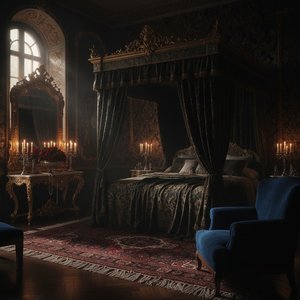
Baroque Drama: Mastering Chiaroscuro and High-Impact Intensity for Luxury Interiors
Elevate your space with the dramatic intensity of Baroque art. Discover how to use chiaroscuro, deep shadows, and high-impact lighting to transform modern luxury interiors into cinematic masterpieces through expert curation and custom hand-painted reproductions.