Anteprima in scala reale
 Invia
Invia Condividi
 Dettagli opera

 Scarica immagine
 Simili
 Radiografia
 Slideshow
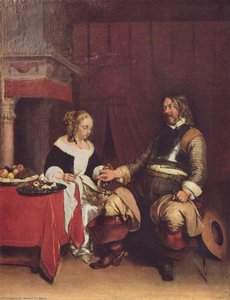
The Concert
 Oil
Oil- WallArt
- Baroque Genre Painting
 1675
1675- Early Modern
 56.0 x 44.0 cm
 Staatliche Museen zu Berlin
 Espandi i dettagli
Giclée / Stampe d'arte
Stampa giclée o su tela di qualità museale, con produzione rapida e diverse opzioni di finitura. ( Acquista il dipinto realizzato a mano Acquista immagine)




P118B $10

P118H $10

P118W $10

P438Z $10

P508JH $12

P508YH $12

P805H $10

P805Z $10

P919BZ $10

P919G $10

P919XJ $10

P959ZH $10

P968JZ $12

W106C $8

W218G $10

W218JH $8

W218Y $10

W307PJ $10

W316G $10

W316PJ $8

W316Y $10

W398PJ $8

W4111J $10

W500HY $15

W500JH $15

W692G $12

W849H $8

W940BG $15

W953PJ $8




Scegli tra le nostre dimensioni predefinite, che rispettano le proporzioni originali dell'opera d'arte.

È possibile inserire dimensioni personalizzate per adattare l'opera a una cornice o a uno spazio specifico. Se la dimensione selezionata non corrisponde alle proporzioni dell'immagine originale, procederemo al ritaglio dell'opera o all'estensione dell'immagine con un bordo specchiato o a tinta unita. Un mockup digitale ti verrà inviato per approvazione prima dell'inizio della produzione.
Si prega di notare che l'anteprima a schermo non riflette il ritaglio o l'estensione effettivi. Solo il mockup mostrerà accuratamente la composizione finale.
Sebbene siano disponibili dimensioni personalizzate, si raccomanda di selezionare una dimensione dall'elenco predefinito per preservare le proporzioni originali.
Consegna in tutto il mondo () in 2 settimane invece delle normali 4/5 settimane. (7 Settembre)

Spedizione espressa gratuita in tutto il mondo

Tela in lino di alta qualità

Assicurazione completa sulla spedizione

Garanzia di rimborso dei dazi doganali

Garanzia di fedeltà cromatica

Politica di reso entro 100 giorni (solo per difetti)

Garanzia di rimborso al 100%

Offerta per acquisti multipli
 L'opzione vetro è disponibile solo per dimensioni inferiori a 110 cm

The Concert
Giclée / Stampe d'arte
Dimensioni riproduzione
-


Prezzo totale calcolato
$ 80
A Symphony of Light and Shadow in the Dutch Interior
In the quiet, sun-drenched corners of seventeenth-century Holland, Gerard ter Borch captured moments that felt both profoundly ordinary and eternally significant. His masterpiece, The Concert, serves as a breathtaking window into the domestic tranquility of the Dutch Golden Age. This is not a painting of grand historical battles or mythological epodes; rather, it is an intimate invitation into a private sanctuary. As we gaze upon the scene, we find ourselves seated within a richly furnished room, witnessing a delicate interplay of music and companionship. The composition centers on two women engaged in a musical duet—one seated at the piano with focused grace, while her companion stands beside her, perhaps lending her voice to the melody. This sense of shared rhythm is further enriched by the presence of other figures lurking softly in the periphery, creating a narrative tapestry that feels alive with the subtle hum of social interaction.
The emotional resonance of the piece lies in its ability to balance stillness with a hidden, pulsing energy. There is a palpable tension between the composed exterior of the musicians and the underlying vulnerability suggested by their outward gazes. As they look toward the viewer, they bridge the gap between the painted world and our own, making us more than mere observers; we become silent guests at this private recital. For the collector or the interior designer, this painting offers a profound sense of serenity and sophistication, making it an ideal centerpiece for spaces that value contemplative elegance and a connection to historical depth.
Mastery of Texture and the Chiaroscuro Technique
What truly distinguishes ter Borch from his contemporaries is his unparalleled ability to manipulate light to mimic the physical world. Through the masterful use of chiaroscuro, he creates a dramatic contrast between luminous highlights and deep, velvety shadows. This technique does more than provide depth; it breathes life into the very surfaces of the objects depicted. One cannot help but be captivated by the meticulous rendering of textures—the cool, smooth sheen of the piano keys, the delicate tension of the lute strings, and the luxurious, heavy folds of the women’s silk gowns. These details are achieved through a painstaking process of layering thin, translucent glazes over a dark underpainting, a method that allows light to penetrate the paint layers and reflect back, creating an inner glow that feels remarkably realistic.
This technical brilliance serves a higher purpose than mere imitation. The way light dances across the fabric and catches the edge of a musical instrument directs the viewer's eye through the composition, guiding us from the bright focal point of the musicians to the more mysterious, shadowed figures in the background. This rhythmic movement of light mirrors the very music being played within the frame, creating a multisensory experience that transcends the visual medium.
Symbolism and the Spirit of the Dutch Golden Age
Beyond its aesthetic splendor, The Concert is steeped in the cultural values of its era. During this period, the burgeoning Dutch Republic was experiencing a shift toward Enlightenment ideals, where intellectuality, refinement, and domestic virtue were highly prized. The two women, through their engagement with music—a disciplined and intellectual art form—become symbols of this newfound cultural sophistication. Their poise reflects the controlled elegance sought by the prosperous merchant class of the time.
Every element within the room contributes to a larger story of social hierarchy and interpersonal connection. The placement of the seated man, the subtle positioning of the figures on the left and right, and the very arrangement of the furniture all hint at the complex social webs of seventeenth-century life. To possess a reproduction of this work is to bring more than just a beautiful image into a home; it is to invite a piece of history that celebrates the beauty found in the quiet, disciplined, and harmonious moments of human existence.
Biografia dell'artista
Gerard ter Borch: Vita e Opere di un Maestro del Secolo d'Oro Olandese
Gerard ter Borch (Zwolle, dicembre 1617 – Deventer, 8 dicembre 1681) è stato un pittore olandese, figura chiave del periodo dell’età dell’oro. La sua abilità nel catturare la vita quotidiana e i dettagli intimi lo ha reso uno dei più apprezzati artisti del suo tempo.
Primi Anni e Formazione
Gerard ter Borch nacque a Zwolle, in una famiglia di artisti. Suo padre, Gerard ter Borch il Vecchio, fu un pittore e poeta che gli fornì le prime istruzioni artistiche. Ter Borch dimostrò presto un talento eccezionale, viaggiando per l'Europa tra il 1632 e il 1650. Questi viaggi lo esposero a diverse influenze artistiche, tra cui quelle italiane, spagnole e francesi. Studiò con Pieter de Molijn ad Haarlem e trascorse del tempo a Londra, Roma e Münster.
Stile Artistico e Tematiche
Lo stile di ter Borch è caratterizzato da un realismo attento ai dettagli, una luce soffusa e una composizione equilibrata. I suoi dipinti spesso raffigurano scene di vita quotidiana, come interni domestici, ritratti e momenti di conversazione. Un elemento distintivo del suo lavoro è la capacità di catturare l'atmosfera intima e psicologica dei soggetti rappresentati.
- Scene di genere: Ter Borch eccelleva nella pittura di scene di genere, raffigurando attività quotidiane con grande accuratezza e sensibilità.
- Ritratti: Realizzò anche numerosi ritratti, sia individuali che di gruppo, caratterizzati da una resa fedele dei tratti somatici e dell'espressione psicologica.
- Influenze: Il suo stile fu influenzato da artisti come Pieter Codde e Willem Duyster, ma sviluppò un linguaggio pittorico personale e originale.
Opere Principali e Riconoscimenti
Tra le opere più significative di Gerard ter Borch si annoverano:
- La Lettera: Un esempio emblematico della sua abilità nel rappresentare la luce e le texture.
- Conversazione Galante: Incisa da Johann Georg Wille, quest'opera dimostra la capacità dell’artista di comunicare emozioni sottili.
- L'Arrivo di Adriaan Pauw a Münster: Un dipinto storico che testimonia la sua abilità narrativa.
- Ragazza in Costume Contadino: Un ritratto intimo che cattura la bellezza della vita quotidiana.
Ter Borch ottenne un notevole successo durante la sua vita, diventando membro del consiglio cittadino di Deventer e godendo della stima dei suoi contemporanei.
Eredità e Influenza
L'opera di Gerard ter Borch ha esercitato una profonda influenza su numerosi pittori olandesi, tra cui Gabriel Metsu, Gerrit Dou, Eglon van der Neer e Johannes Vermeer. La sua attenzione ai dettagli, la sua capacità di creare atmosfere intime e il suo realismo attento hanno contribuito a definire l'estetica del periodo dell’età dell’oro olandese. Ter Borch è oggi considerato uno dei maestri indiscussi della pittura olandese del XVII secolo.

Gerard ter Borch
1617 - 1681 , Paesi Bassi
Dati rapidi
- Artisti Influenti:
- Pieter de Molijn
- Willem Cornelisz Duyster
- Artisti Influenzati:
- Gabriel Metsu
- Gerrit Dou
- Eglon van der Neer
- Johannes Vermeer
- Data Di Nascita: Dicembre 1617
- Luogo Di Nascita: Zwolle, Paesi Bassi
- Movimento Artistico: Pittura di genere olandese
- Nazionalità: Olandese
- Nome Completo: Gerard ter Borch
- Opere Notevoli:
- La lettera
- Conversazione galante
- Uomo a cavallo (1634)
- Arrivo di Adrian Pauw a Münster
Articoli correlati

Golden Age Reflections: Dutch Baroque Painting & Cultural Innovation
Explore the Dutch Golden Age of painting! Discover key artists like Vermeer & ter Borch, their innovative techniques, and the rich cultural context behind these Baroque masterpieces. Learn about collecting & appreciating this iconic art period.

I 10 Capolavori dell'Età d'Oro Olandese: Arte, Storia e Stile per la Tua Casa
Esplora i 10 capolavori dell'Età d'Oro Olandese con ! Rembrandt, Vermeer e altri maestri rivivono in dipinti iconici. Scopri storia, tecnica e colori di opere senza tempo per arredare la tua casa con arte di qualità museale. Esplora la collezione online!

Golden Light & Dutch Skies: The Timeless Magic of Dutch Golden Age Landscapes
Discover the breathtaking beauty of Dutch Golden Age landscapes. Explore the mastery of light, chiaroscuro, and 17th-century realism through an expert art history lens, celebrating the enduring legacy of the Dutch Masters for discerning collectors and art lovers.

Illuminating Innovation: Exploring the Dutch Golden Age of Painting
Explore the Dutch Golden Age of painting with OriginalUniqueArt. Discover Rembrandt, Vermeer & other Masters. Learn about key characteristics, iconic artworks, and lasting influence. Expert insights for collectors & enthusiasts.

Mastering Light & Shadow: A Journey Through the Dutch Golden Age's Luminous Legacy
Embark on a cultural journey through the Dutch Golden Age. Explore the masterful interplay of light and shadow in 17th-century masterpieces, from Rembrandt to Vermeer, and discover how this era of profound realism continues to inspire fine art collectors today.