
 Anteprima in scala reale
 Invia
Invia Condividi
 Dettagli opera
 Guida
Guida

 Scarica
 Simili
 Radiografia
 Slideshow
 Domande e risposte
 Statistiche
The Judgment of Cambyses

- 202.0 x 349.0 cm


 Espandi i dettagli
Giclée / Stampe d'arte
Stampa giclée o su tela di qualità museale, con produzione rapida e diverse opzioni di finitura. ( Acquista il dipinto realizzato a mano Passa all'immagine digitale)




P118B €10

P118H €10

P118W €10

P438Z €10

P508JH €12

P508YH €12

P805H €10

P805Z €10

P919BZ €10

P919G €10

P919XJ €10

P959ZH €10

P968JZ €12

W106C €8

W218G €10

W218JH €8

W218Y €10

W307PJ €10

W316G €10

W316PJ €8

W316Y €10

W398PJ €8

W4111J €10

W500HY €15

W500JH €15

W692G €12

W849H €8

W940BG €15

W953PJ €8




Scegli tra le nostre dimensioni predefinite, che rispettano le proporzioni originali dell'opera d'arte.

Inserisci la larghezza e l'altezza desiderate, per adattarle alla tua cornice o alla tua parete. Una stampa può essere solo ritagliata, mai resa più grande dell'immagine originale; pertanto, un formato con una forma differente comporterà la perdita di una parte dell'opera. Ti invieremo un mockup digitale da approvare prima di procedere con la stampa. L'immagine mostrata in questa pagina non rappresenta il ritaglio reale — solo il mockup lo mostra.
Consegna in tutto il mondo () in 2 settimane invece delle normali 4/5 settimane. (5 Novembre)

Spedizione espressa gratuita in tutto il mondo

Tela in lino di alta qualità

Assicurazione completa sulla spedizione

Garanzia di rimborso dei dazi doganali

Garanzia di fedeltà cromatica assoluta

Politica di reso entro 100 giorni (solo per difetti di fabbricazione)

Garanzia di rimborso al 100%

Offerta per acquisti multipli
 L'opzione vetro è disponibile solo per dimensioni inferiori a 110 cm

The Judgment of Cambyses
Giclée / Stampe d'arte
Dimensioni riproduzione
-


Prezzo finale calcolato
€ 72
A Glimpse Beyond the Veil – The Judgment of Cambyses
Gerard David’s “The Judgment of Cambyses,” painted in 1498, isn't merely a depiction of a biblical scene; it’s a profound exploration of justice, mortality, and the chilling consequences of unchecked power. This double-sided altarpiece, now residing within the Groeninge Museum in Bruges, Belgium, plunges the viewer into a world steeped in dramatic tension and unsettling beauty. David, a master of the Flemish Primitives, eschews the bright, optimistic hues often associated with Renaissance art, instead favoring a palette dominated by somber browns, deep reds, and muted blues – colors that immediately evoke a sense of foreboding and impending doom. The painting’s composition is meticulously crafted, drawing our eye to the central figure of Cambyses, the Persian king, who stands poised on his throne, radiating an aura of cold authority as he recounts the charges against Sisamnes, the corrupt judge about to be flayed alive.

The Narrative Unfolds: A Tale from Herodotus
David’s choice to depict a scene from Herodotus' *Histories* – a story far removed from the familiar narratives of Christian art – speaks volumes about his artistic vision. The tale centers on Sisamnes, a judge who, after accepting a bribe, delivers an unjust verdict against a nobleman. Cambyses, enraged by this corruption, orders Sisamnes to be flayed alive as a public spectacle and a warning to others. The painting captures the moment of accusation, with the king’s gaze fixed on his victim, while the surrounding figures – a diverse group of men and women – react with varying degrees of horror, pity, and morbid fascination. Note the careful attention to detail in each face; David masterfully conveys the complex range of human emotions within this dramatic tableau. The inclusion of the dog at the bottom left corner adds an element of unsettling realism, suggesting the inevitability of death and decay.
Technique and Artistic Innovation
David’s technical skill is undeniable. He employs a masterful use of *sfumato* – a technique borrowed from Leonardo da Vinci – to create soft, hazy outlines and subtle gradations of light and shadow. This atmospheric effect lends the scene an almost dreamlike quality, blurring the boundaries between reality and illusion. The figures are rendered with remarkable anatomical accuracy, yet they possess a certain stylized elegance that is characteristic of Flemish painting. Furthermore, David’s use of color is particularly noteworthy; he avoids bright, saturated hues, opting instead for a muted palette that enhances the painting's somber mood. The layering of paint and meticulous detail demonstrate his mastery of oil on wood, creating a rich, textured surface that invites close examination.
Symbolism and Enduring Resonance
Beyond its narrative content, “The Judgment of Cambyses” is laden with symbolism. The flaying itself represents the ultimate punishment – a brutal reminder of the consequences of corruption and injustice. The figures surrounding the scene are not merely passive observers; they represent the diverse elements of society – the wealthy, the poor, the righteous, and the corrupt – all united in their witness to this horrific event. The presence of putti (cherubic figures) adds a layer of moral judgment, suggesting that even in the face of such brutality, there is still hope for redemption. The painting’s enduring resonance lies in its exploration of timeless themes: power, justice, morality, and the human condition. It serves as a potent warning against corruption and a poignant meditation on mortality – a stark reminder that all actions have consequences.
Domande e risposte
In che modo tecnica e movimento si fondono in "The Judgment of Cambyses"?
"The Judgment of Cambyses" di Gerard David unisce la tecnica Olio su tela allo stile Early Netherlandish Painting. La tecnica e il movimento definiscono la realizzazione e l'estetica dell'opera.
Quanto sono vivaci i colori di "The Judgment of Cambyses"?
I colori di "The Judgment of Cambyses" di Gerard David presentano una saturazione Colori delicati e un'intensità Equilibrato.
A quale fase della carriera di Gerard David appartiene "The Judgment of Cambyses"?
All'interno della carriera di Gerard David, "The Judgment of Cambyses" appartiene al Mature Period. Questa fase permette di confrontarla con le altre opere dell'artista.
Biografia dell'artista
Vita e Carriera
Gerard David, figura di spicco del movimento pittorico fiammingo rinascimentale, ha lasciato un segno indelebile nel mondo dell'arte con il suo brillante uso del colore. Nato a Oudewater, nei Paesi Bassi, intorno al 1460, la vita di David è avvolta nel mistero, con solo una breve traccia della sua biografia che sopravvive.- Potrebbe essere stato Meester Gheraet van Brugghe, che divenne maestro della gilda di Anversa nel 1515.
- David ebbe un grande successo durante la sua vita, gestendo probabilmente due laboratori ad Anversa e Bruges.
- La sua reputazione diminuì nel XVII secolo ma fu riscoperta nel XIX secolo.
Stile Artistico e Opere Notabili
Lo stile innovativo di David nei confronti del paesaggio e il suo uso magistrale della luce e dell'ombra caratterizzano la sua opera. Alcune delle sue opere più notevoli includono:- Il matrimonio di Santa Caterina alla National Gallery, Londra.
- Il trittico della Madonna in trono con santi nella collezione Brignole-Sale, Genova.
- La Vergine tra le vergini, ora nel museo di Rouen, che donò alle monache carmelitane di Sion a Bruges.
Influenze e Sviluppo Artistico
David fu influenzato dall'arte italiana, probabilmente durante un periodo trascorso in Italia dal 1470 al 1480. Il suo stile si sviluppò sotto l'influenza di Albert van Oudewater ad Haarlem, e successivamente a Bruges, dove si unì alla Gilda di San Luca nel 1484. Dopo la morte di Hans Memling nel 1494, David divenne il pittore principale di Bruges. La sua arte è caratterizzata da una serenità quasi onirica, ottenuta attraverso colori caldi e sottili e una magistrale gestione della luce e dell'ombra. Mostrò un approccio progressista, abbandonando l'eredità medievale tardiva per procedere con una certa purezza di visione in un'epoca di transizione.Eredità e Significato Storico
L’impatto di Gerard David sul mondo dell'arte è innegabile. Il suo stile unico e il suo approccio al colore hanno influenzato numerosi artisti, e le sue opere continuano ad essere celebrate in vari musei e collezioni. La sua capacità di combinare elementi tradizionali con innovazioni personali lo ha reso una figura chiave nel passaggio dalla pittura medievale alla rinascimentale fiamminga. La sua influenza si estende anche ai suoi assistenti, come Ambrosius Benson, e ad altri artisti che hanno adottato il suo stile distintivo.
Gerard David
1450 - 1523 , Netherlands
Dettagli rapidi
- Artisti Influenti:
- Albert van Oudewater
- Dieric Bouts
- Hans Memling
- Jan van Eyck
- Artisti Influenzati:
- Ambrosius Benson
- Adriaen Isenbrant
- Data Di Morte: 1523
- Data Di Nascita: circa 1460
- Luogo Di Nascita: Oudewater, Paesi Bassi
- Movimento Artistico: Primitivi fiamminghi
- Nazionalità: Paese Basso
- Nome Completo: Gerard David
- Opere Notevoli:
- Matrimonio a Cana
- Madonna con Canon van der Paele
- Vergine tra le vergini
Articoli correlati

Illuminating Realism: Early Netherlandish Painting (15th-16th Centuries)
Explore the captivating world of Early Netherlandish painting (15th-16th centuries). Discover Jan van Eyck, Hans Memling & more. Uncover revolutionary techniques and hidden symbolism in this definitive guide.
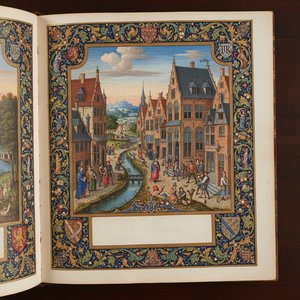
Illuminating Realism: Early Netherlandish Painting (15th-16th Centuries)
Explore the captivating world of Early Netherlandish painting! Discover Jan van Eyck, Hans Memling & more. Uncover symbolism, techniques & the legacy of these Flemish masters. A comprehensive guide for art enthusiasts.

Illuminating Realism: A Comprehensive Exploration of the Early Netherlandish Renaissance Movement
Explore the captivating world of Early Netherlandish painting! Discover Jan van Eyck & other Flemish masters, their revolutionary techniques, hidden symbolism, and lasting legacy. A comprehensive guide for art enthusiasts.
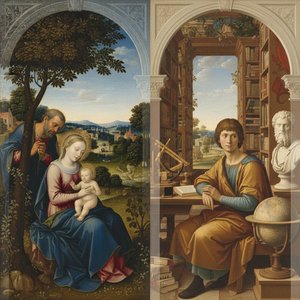
Gerard David: Un Ponte tra Tardo Medioevo e Rinascimento Fiammingo
Esplora la vita e le opere di Gerard David, figura chiave della pittura fiamminga tra Tardo Medioevo e Rinascimento. Analisi approfondita del suo stile innovativo e dell'influenza sui maestri successivi.

Jacques-Louis David: Neoclassicismo, Rivoluzione e l'Arte come Testimonianza di un'Epoca
Esplora la vita e le opere di Jacques-Louis David, il maestro del Neoclassicismo francese. Analisi approfondite dei suoi capolavori rivoluzionari e dell'influenza artistica che ha lasciato un segno indelebile nella storia dell'arte.


